Source Butterfly Bee Diamond Hair Clip for Parties, Daily Use, and Commuting
Compare 30 listings for the Butterfly Bee Diamond Hair Clip from verified manufacturers in China. Buyers can review specifications, pricing, and customization options for vintage and fashion styles suitable for parties and daily wear; compare the available evidence and request quotations based on your requirements.
Updated
Key considerations
Products List
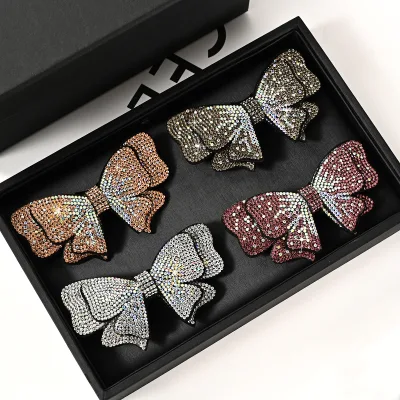


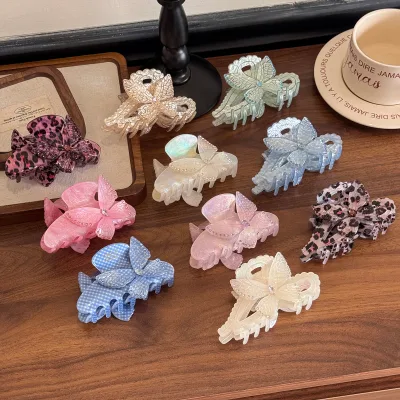


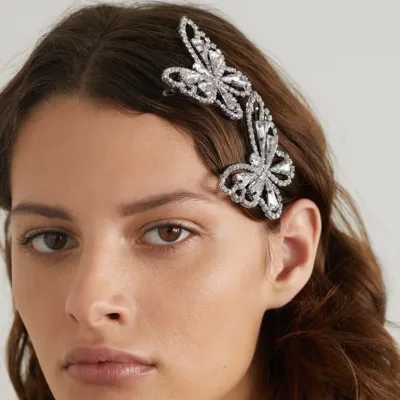
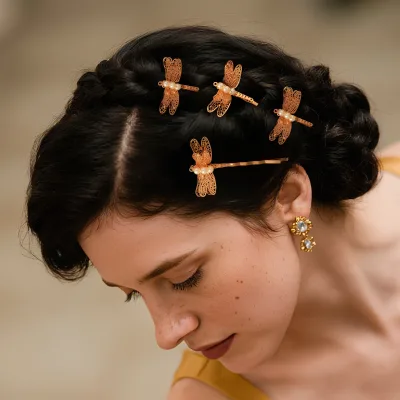
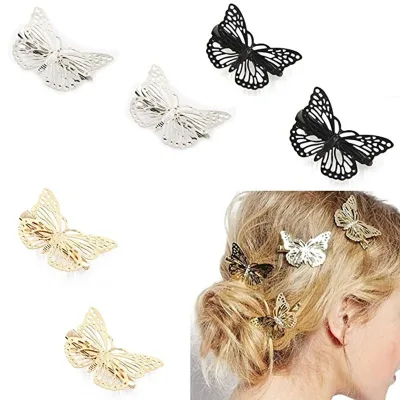
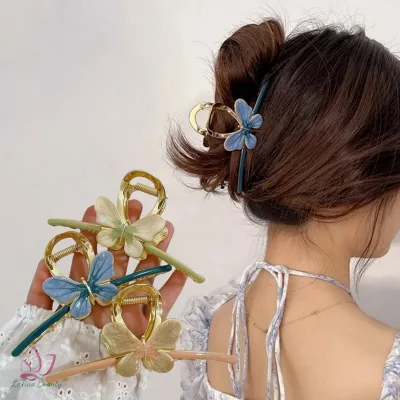


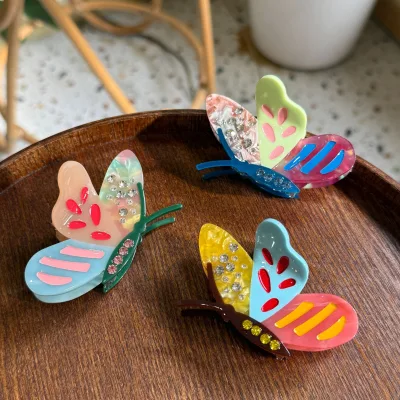
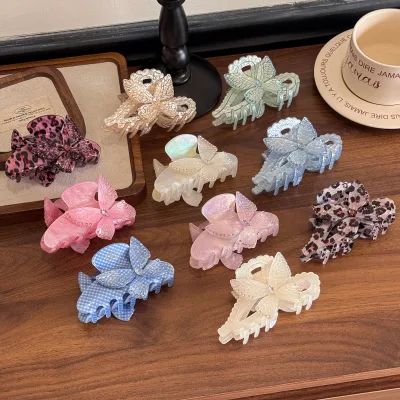
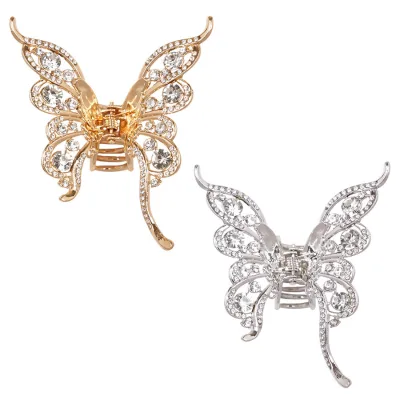
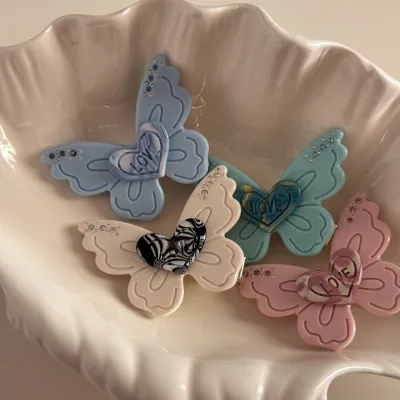
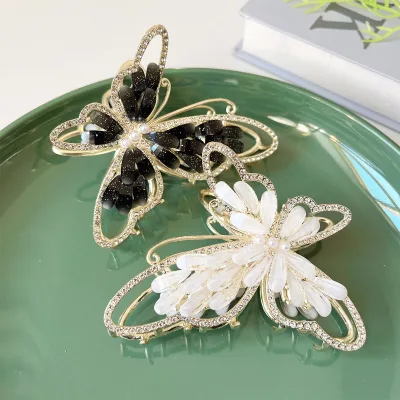
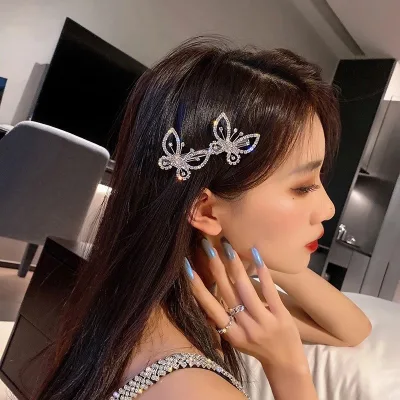
Diamond-Inlaid Butterfly Hair Clip with Geometric Design Metal Hair Accessory with Grip Clip
$1.3191 - $1.9337
MOQ: 12 pieces
Comprehensive Sourcing Guide
Butterfly Bee Diamond Hair Clip Sourcing Guide
Sourcing butterfly bee diamond hair clips requires a nuanced understanding of the intersection between decorative aesthetics and functional hair accessory engineering. Buyers must navigate a market where visual appeal, driven by elements like butterfly motifs and diamond-like settings, competes with practical durability and secure fastening mechanisms. The observed product landscape indicates a strong emphasis on vintage and fashion-forward styles, suggesting that procurement strategies should prioritize suppliers who can consistently replicate intricate design details without compromising structural integrity. This guide provides a framework for evaluating listings, verifying technical specifications, and ensuring commercial viability for this specific niche of hair accessories.
The current market signals reveal a diverse range of materials and finishes, from plastic and alloy constructions to electroplated surfaces that mimic precious metals. Procurement teams should recognize that "diamond" in this context often refers to the visual setting technique rather than gemstone content, necessitating clear communication with suppliers about material composition. Furthermore, the presence of OEM/ODM acceptance indicates that customization is a viable path for brand differentiation, allowing buyers to tailor colors, packaging, and specific design elements to match their target demographic's preferences for daily use or special occasions.
Product Scope and Observed Listing Signals
The observed product scope encompasses a variety of hair clip types, including bowknot designs, hair claw clips, and general hairpins, all unified by decorative themes such as butterflies, bees, and floral petals. Listings frequently highlight attributes like "vintage style," "simple fashion," and "fresh and sweet" aesthetics, indicating that buyers should categorize products based on these stylistic classifications to align with specific customer segments. The availability of multiple color options, such as champagne, black, gold, and white combinations, suggests that inventory planning must account for seasonal trends and consumer preference variations, requiring a flexible approach to stock management and product assortment.
Packaging and presentation are critical components of the observed listing signals, with many suppliers offering OPP bag packaging and single-item selling units to facilitate retail readiness. The single package dimensions and gross weight data provided in listings help buyers calculate shipping costs and storage requirements accurately, which is essential for maintaining healthy profit margins in the competitive hair accessory market. Additionally, the emphasis on eco-friendly qualities and handwork treatment technologies highlights a growing consumer demand for sustainable and artisanal products, prompting buyers to verify these claims through direct supplier inquiries and sample evaluations.
Technical Specifications to Verify
Verifying technical specifications is paramount when sourcing butterfly bee diamond hair clips, particularly regarding material composition and dimensional accuracy. Buyers should confirm whether the primary material is plastic, alloy, or a combination, as this directly impacts durability, weight, and cost. The observed listings mention specific model numbers and size variations, such as 5.5x4.5cm or 11x5cm standards, which must be cross-referenced with physical samples to ensure consistency. Additionally, the treatment technology, whether electroplating or diamond setting, should be inspected for quality, as these processes affect the longevity of the finish and the overall perceived value of the product.
Functional attributes such as waterproof capabilities and hairpin classification also require rigorous verification to ensure the product meets end-user expectations. Buyers should test clips for grip strength and comfort, especially for styles classified as hair rollers or claw clips, which undergo significant mechanical stress during use. The observed data indicates a focus on single gross weights and package sizes, which are crucial for logistics planning, but buyers must also assess the actual weight and balance of the clip in hand to prevent issues with slippage or discomfort during daily wear.
Compliance and Safety Documentation
Compliance and safety documentation are essential for importing hair accessories, particularly those marketed towards female consumers and children. Buyers must ensure that suppliers provide relevant test reports verifying the absence of harmful substances such as lead, cadmium, and nickel, which are common concerns in metal-plated and alloy products. Although specific certification statuses are not detailed in the observed listings, buyers should proactively request compliance certificates from recognized testing laboratories to mitigate regulatory risks in target markets. This due diligence is critical for maintaining brand reputation and avoiding potential legal liabilities associated with non-compliant products.
Furthermore, buyers should verify that the products meet local safety standards for small parts and sharp edges, especially if the design includes intricate butterfly or bee elements that could pose choking hazards. The observed emphasis on eco-friendly materials suggests that some suppliers may adhere to stricter environmental regulations, but buyers must confirm these claims with documentation rather than relying on marketing language. Establishing a clear compliance framework early in the sourcing process helps streamline customs clearance and ensures that the products can be legally sold and distributed in various international markets without interruption.
Cost Drivers and Commercial Terms
Cost drivers for butterfly bee diamond hair clips include material selection, production complexity, and customization requirements. The use of alloys and electroplating techniques typically incurs higher costs compared to basic plastic components, while handwork treatments add labor expenses that can impact the final unit price. Buyers should analyze the observed price ranges and MOQ values to determine the most cost-effective sourcing strategy, balancing volume discounts with the need for inventory flexibility. Understanding these cost components allows for more accurate margin calculations and helps in negotiating favorable terms with suppliers based on order volume and long-term partnership potential.
Commercial terms such as delivery time, packaging customization, and payment conditions also play a significant role in the overall procurement cost. The observed delivery times of 3-7 days suggest a responsive supply chain, but buyers should confirm whether these timelines apply to standard or customized orders, as OEM/ODM requests may extend lead times. Additionally, the availability of packaging customization, such as OPP bags, can affect shipping efficiency and retail presentation, so buyers should factor these services into their total cost analysis. Clear communication regarding these terms helps prevent unexpected expenses and ensures a smooth transaction process from order placement to delivery.
Supplier Qualification and Quality Control
Supplier qualification is a critical step in ensuring the reliability and consistency of Butterfly Bee Diamond Hair Clip supplies. Buyers should verify the supplier's factory status and production capabilities, as indicated by the observed "Factory: Yes" attribute, to ensure direct access to manufacturing processes. This direct relationship can facilitate better quality control and faster response times to issues. Additionally, buyers should assess the supplier's experience with OEM/ODM projects, as this indicates their ability to handle customization requests and maintain quality standards across different product variations.
Quality control measures should be established before placing large orders, including sample approvals and pre-shipment inspections. Buyers should request samples to evaluate the finish quality, particularly the electroplating and diamond setting, to ensure they meet the desired aesthetic and durability standards. Implementing a robust quality control protocol helps identify potential defects early, reducing the risk of receiving substandard products. Regular communication with the supplier regarding quality expectations and feedback on previous orders fosters a collaborative relationship that prioritizes continuous improvement and consistent product quality.
Long-Term Procurement Checks
Long-term procurement checks involve monitoring supplier performance and market trends to ensure sustained value and competitiveness. Buyers should regularly review supplier delivery times, product quality, and responsiveness to identify any declines in service levels that could impact business operations. Additionally, staying informed about emerging trends in hair accessory designs, such as new popular elements or color preferences, allows buyers to adapt their product offerings proactively. This agility helps maintain relevance in the market and meets evolving consumer demands for fresh and fashionable products.
Furthermore, buyers should periodically reassess their supplier base to ensure they are leveraging the best available resources for cost and quality. This may involve comparing multiple suppliers for similar products to identify opportunities for cost savings or improved service. Establishing key performance indicators for supplier evaluation, such as defect rates and on-time delivery percentages, provides a data-driven approach to managing supplier relationships. By continuously monitoring and optimizing these factors, buyers can build a resilient supply chain that supports long-term growth and profitability in the Butterfly Bee Diamond Hair Clip market.
FAQs
What materials are used for butterfly bee diamond hair clips?
These hair clips are primarily manufactured using plastic and alloy materials. The plastic versions often feature vintage styles with butterfly elements, while alloy options utilize electroplating and diamond setting techniques. Both material types ensure durability and aesthetic appeal for daily use or party occasions.
Can I customize the packaging for these hair clips?
Yes, packaging customization is available for these products. Suppliers typically offer OPP bag packaging as a standard option. Buyers can request specific packaging solutions to meet their branding needs, ensuring the products are protected during transit while maintaining a professional presentation for retail distribution.
What is the typical lead time for these hair clips?
The standard delivery time for these hair clips is three to seven days. This quick turnaround supports efficient inventory management for buyers. However, actual lead times may vary based on order volume and specific customization requirements, so confirming details with the supplier is recommended.
Are these hair clips suitable for wholesale orders?
Yes, these hair clips are suitable for wholesale orders with an MOQ starting at six pieces. The products are designed for both individual and bulk purchasing. OEM and ODM services are accepted, allowing buyers to tailor designs and specifications to their specific market demands effectively.
Where are these butterfly hair clips manufactured?
These hair clips are manufactured in Zhejiang, China, with specific origins noted in Yiwu. This region is known for its robust manufacturing capabilities in accessories. Buyers can expect consistent quality and competitive pricing due to the established industrial infrastructure in this production hub.
What styles are available for these hair clips?
Available styles include vintage, simple, and fashion designs. Options range from butterfly clips to flower petal elements, catering to diverse aesthetic preferences. The products are designed for female users and are suitable for whole-year wear, making them versatile for various fashion needs and occasions.