Source Camel Splicing Color Bucket Bag for retail, travel, and daily use
Explore 30 options for the Camel Splicing Color Bucket Bag, featuring mixed color designs and European style aesthetics. Compare specifications including PU and leather materials, polyester linings, and various closure methods to find the right fit for your inventory needs.
Key considerations
Products List


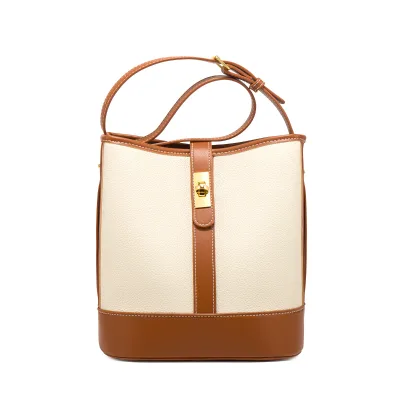


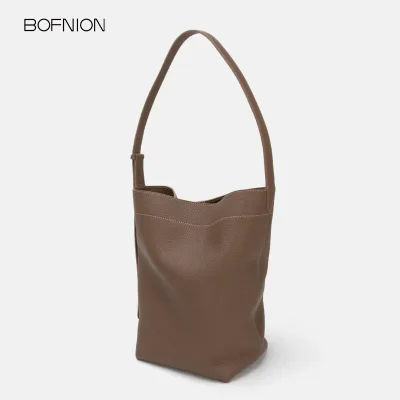
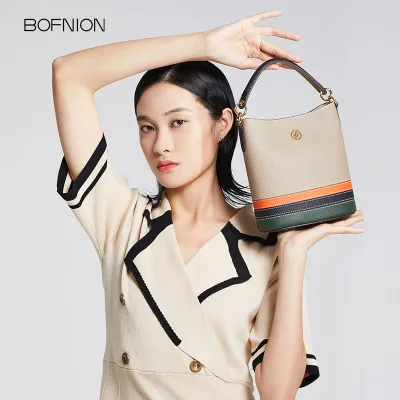

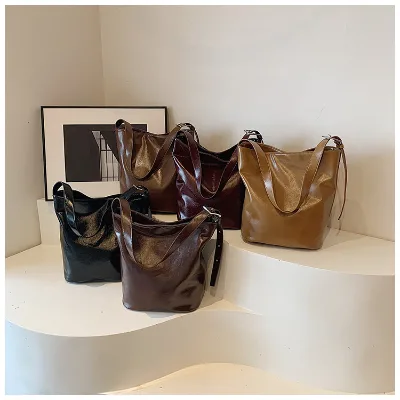


Comprehensive Sourcing Guide
Camel Splicing Color Bucket Bag Sourcing Guide
Sourcing a Camel Splicing Color Bucket Bag requires a nuanced understanding of material composition, aesthetic trends, and functional durability. The term "camel splicing" typically refers to a design technique where two distinct shades or textures of camel-toned material are joined to create visual contrast, often enhancing the bag’s structural depth and fashion appeal. Buyers must distinguish between genuine leather splicing, which offers premium durability and a distinct tactile experience, and synthetic alternatives like PU or fabric blends, which provide cost efficiency and consistent color matching. The "bucket" silhouette itself is a versatile style, often associated with casual elegance and practical capacity, making it suitable for both daily commuting and leisure activities. Understanding these material and structural distinctions is the first step in defining precise procurement specifications that align with your target market’s expectations.
The procurement landscape for this specific bag style is characterized by a wide variance in quality, origin, and commercial terms. Observed market data indicates a price range from $3.50 to $59.99 USD, reflecting the broad spectrum from basic synthetic models to high-end genuine leather variants. Minimum Order Quantities (MOQs) also vary significantly, ranging from single-piece samples to bulk orders of 1,000 units, allowing for flexibility in testing market demand before committing to large-scale production. Buyers should note that while some suppliers offer "customized" branding and "high quality" assurances, these are general marketing claims that require rigorous verification through sample evaluation and supplier audits. The presence of "mixed color" and "candy color" attributes in broader listings suggests that the camel splicing design may be part of a larger, diverse catalog, requiring careful filtering to identify suppliers who specialize in this specific aesthetic rather than those offering generic inventory.
Product Scope and Observed Listing Signals
When evaluating product listings, buyers should look for specific material indicators that confirm the quality of the splicing design. Trusted category knowledge suggests that genuine leather or cortex shoulder straps often accompany higher-end bucket bags, providing durability and a premium feel. In contrast, listings specifying PU external materials or polyester linings may indicate more budget-friendly options. The "camel splicing" aesthetic is often paired with "European Style" and "Female" gender targeting, suggesting a focus on fashionable, trend-driven designs. Buyers should verify if the "mixed color" attribute refers to the splicing effect or simply a variety of available stock colors, as this distinction impacts inventory management and marketing strategy. Additionally, the presence of "fashion elements" like "candy color" accents may indicate a playful variation of the classic camel tone, appealing to younger demographics.
Functional attributes observed in the market provide critical insights into the bag’s usability and maintenance requirements. Many bucket bags in this category are described as "non-waterproof" or "medium soft," indicating a focus on aesthetic appeal over rugged utility. Buyers must assess whether the "magnetic snap" closing method is sufficient for their customers’ security needs, as this is a common but potentially less secure closure compared to zippers. The "single phase" handle or strap configuration suggests a minimalist design, which may limit carrying options but enhances the bag’s sleek profile. Furthermore, the "no water wash" attribute for certain models highlights the need for careful care instructions, particularly for bags with fabric linings or genuine leather components. Understanding these functional limitations helps buyers set accurate customer expectations and reduce return rates due to mismatched performance assumptions.
Technical Specifications to Verify
Dimensional accuracy is paramount when sourcing bucket bags, as the silhouette’s volume and proportions directly impact its functionality. Buyers should verify standard dimensions such as 17x18x11 cm or 38x28 cm, depending on the intended use case, to ensure the bag meets the capacity requirements of the target audience. The "prod_standard" values observed in listings, such as 17x17.5x11 cm, serve as reference points but should be treated as typical rather than absolute, as manufacturing tolerances can vary. It is essential to request detailed technical drawings or physical samples to confirm that the splicing lines align correctly and that the bucket shape maintains its structure when filled. The "hardness" attribute, often described as "medium soft," suggests a flexible structure that may require internal stiffening or specific material choices to prevent sagging, which buyers should evaluate during sample testing.
Material composition and construction details must be meticulously verified to ensure consistency across production batches. The "external material" could range from genuine leather to PU, while the "lining material" is frequently polyester or fabric, affecting both the bag’s interior durability and its overall weight. Buyers should confirm the "shoulder strap material," as options like cortex or leather impact comfort and longevity. The "closure type," often a magnetic snap, should be tested for strength and alignment to prevent accidental opening. Additionally, the "number of handles/straps" being "single phase" implies a specific design constraint that must be reflected in the packaging and shipping dimensions. Verifying these technical specifications through detailed product data sheets and physical inspection is crucial to avoiding discrepancies between the ordered product and the delivered goods.
Compliance and Safety Documentation
While specific certification statuses are not universally provided in general listings, buyers must ensure that all materials used in the camel splicing bucket bag comply with international safety and environmental standards. This includes verifying that any leather or PU materials are free from harmful substances such as azo dyes, formaldehyde, or heavy metals, particularly if the bags are intended for markets with strict regulatory frameworks like the EU or North America. The "polyester" lining and "fabric" interiors should also be assessed for flammability and chemical safety, especially if the bags are marketed towards younger demographics or children. Buyers should request material safety data sheets (MSDS) or test reports from suppliers to confirm compliance with relevant standards, such as REACH in Europe or CPSIA in the United States, depending on the destination market.
Packaging and labeling requirements are another critical aspect of compliance that must be addressed during the sourcing process. The observed "prod_packing" methods, including PE bags, cartons, and express boxes, must be evaluated for their ability to protect the product during transit while meeting sustainability goals. Buyers should ensure that all packaging materials are recyclable or biodegradable if required by their brand’s environmental policies. Additionally, labeling must include accurate country of origin information, material composition, and care instructions, particularly for bags that cannot be washed with water. The "express" shipping options mentioned, such as FedEx or UPS, may have specific documentation requirements that buyers need to coordinate with their logistics partners to ensure smooth customs clearance and delivery.
Cost Drivers and Commercial Terms
The price range of $3.50 to $59.99 USD for camel splicing bucket bags is driven by several key factors, including material quality, design complexity, and order volume. Genuine leather and cortex strap materials significantly increase the base cost compared to PU and polyester alternatives, while the "splicing" design adds labor and material waste costs due to the need for precise cutting and joining. Buyers should negotiate pricing based on clear volume tiers, as MOQs can range from 1 piece for samples to 1,000 pieces for bulk production. The "customized" branding options, such as logo printing or embossing, may incur additional setup fees, which should be factored into the total cost of ownership. Understanding these cost drivers allows buyers to make informed decisions about where to invest in quality and where to optimize for cost efficiency.
Commercial terms, including payment methods, lead times, and return policies, vary widely among suppliers and must be clearly defined in the purchase agreement. The "small orders accepted" attribute suggests flexibility for buyers testing new designs, but it may come with higher per-unit costs. Buyers should clarify the "express" shipping options and associated costs, as expedited delivery can significantly impact the overall budget. Additionally, the "quality" claims of "high quality" should be backed by clear warranty or return policies in case of defects. It is essential to establish a clear communication channel with the supplier for addressing any issues related to production delays or quality discrepancies, ensuring a smooth procurement process from order placement to final delivery.
Supplier Qualification and Quality Control
Selecting a reliable supplier for camel splicing bucket bags requires a thorough evaluation of their production capabilities and quality control processes. Buyers should verify the supplier’s "prod_origin," which is often China, and assess their experience in manufacturing leather and PU goods. Requesting references or case studies from previous clients can provide insights into the supplier’s reliability and consistency. The "brand name" or "customized" branding options indicate the supplier’s ability to produce private label goods, which is crucial for buyers looking to establish their own brand identity. It is also important to assess the supplier’s responsiveness and communication skills, as these factors play a significant role in resolving issues during the production and shipping phases.
Quality control measures must be implemented at every stage of the production process to ensure that the final product meets the specified standards. Buyers should conduct pre-production sample approvals to verify the "camel splicing" design, material quality, and construction details. During production, regular inspections should be carried out to monitor workmanship, stitching quality, and material consistency. Post-production inspections should include a comprehensive check of the finished bags for defects, such as misaligned splicing lines, weak magnetic snaps, or uneven coloring. Implementing a robust quality control plan helps minimize the risk of receiving substandard products and ensures that the bags meet the expectations of the end consumers.
Long-Term Procurement Checks
Establishing a long-term procurement strategy for camel splicing bucket bags involves continuous monitoring of market trends and supplier performance. Buyers should stay informed about emerging fashion trends, such as new color variations or design modifications, to keep their product offerings relevant. Regularly reviewing supplier performance metrics, including on-time delivery rates, defect rates, and responsiveness, is essential for maintaining a high-quality supply chain. Building a strong relationship with the supplier can lead to better pricing, priority production, and access to new designs. Additionally, buyers should consider diversifying their supplier base to mitigate risks associated with single-source dependency, ensuring business continuity in case of supply chain disruptions.
Sustainability and ethical sourcing practices are increasingly important factors in long-term procurement decisions. Buyers should evaluate their suppliers’ commitment to environmental responsibility, such as the use of eco-friendly materials and sustainable manufacturing processes. This not only aligns with growing consumer demand for sustainable products but also helps mitigate regulatory risks associated with environmental compliance. By integrating sustainability into their procurement strategy, buyers can enhance their brand reputation and appeal to environmentally conscious consumers. Continuous improvement in quality, cost, and sustainability practices will ensure that the camel splicing bucket bag remains a competitive and profitable product in the long run.
FAQs
What materials are used for the lining and exterior?
The lining material is polyester and the external material is PU. Some models feature genuine leather or cortex shoulder straps, while others use fabric inside. These combinations ensure durability and a soft texture for daily use.
Can these bags be washed with water?
No, these bags cannot be washed with water. They are designed as non-waterproof items, so users should avoid submerging them. Proper care involves wiping with a damp cloth to maintain the flannel texture and structural integrity.
Which popular styles are available for this product?
Popular styles include tote bags, shoulder bags, and bucket bags. The designs often feature European style elements and candy colors. Customers can find mixed color options or specific shades like black, brown, purple, and blue depending on the model.
What is the minimum order quantity for small orders?
Small orders are accepted with a minimum order quantity of one piece. This allows buyers to test the market without large commitments. The standard MOQ range observed across listings varies from one to one thousand pieces based on customization needs.
How are the products packed for shipping?
Products are typically packed in PE bags and cartons or individual express boxes. Some listings specify box packaging for protection during transit. This ensures the bags arrive safely while maintaining their shape and quality for the final destination.
Can buyers request customization for these bags?
Yes, customization is available for many of these products. Buyers can request specific branding or design changes to meet their requirements. The brand name can be customized, and high-quality standards are maintained throughout the production process.
What is the origin location of these bags?
The products originate from China. This location is a major hub for manufacturing these types of fashion accessories. Buyers should expect express shipping options like FedEx or UPS for delivery to international markets.