Source Camera Guided Automatic Vinyl Cutter for signage, apparel, and decals
Explore 30 listings of Camera Guided Automatic Vinyl Cutter machines featuring electric or mechanical drive types. Buyers can compare specifications like cutting width, blade material, and customization options to find the right industrial cutter for their production needs.
Key considerations
Products List


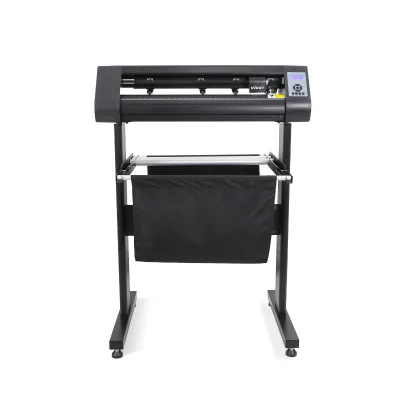


High Class with CCD Camera Automatic Contour Cut Vinyl Cutting Plotter
$405.00 - $420.00
MOQ: 5 Pieces


Skycut C24 Factory Wholesale Vinyl Cutting Plotter Machine Sticker Cutter with Camera
$350.00 - $470.00
MOQ: 1 Sets
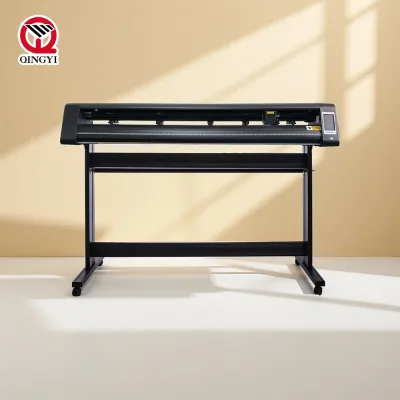


Factory Supply Vinyl Cutter Sign Sticker Film Cutting Plotter Cutter Machine
$380.00 - $430.00
MOQ: 1 Pieces


Comprehensive Sourcing Guide
Strategic Sourcing Guide for Camera Guided Automatic Vinyl Cutters
Understanding the Technology and Core Specifications
When evaluating camera guided automatic vinyl cutters, buyers must first distinguish between general industrial cutting equipment and machines specifically engineered for vision-guided contour cutting. The core keyword implies a system where a camera interface identifies printed graphics on a substrate and automatically adjusts the cutting path to match the design. In the current market, these machines often integrate with digital printing workflows to eliminate manual registration marks.
Based on observed product attributes, the classification of these devices often falls under "Flat Knife Cutter" or "Single-blade Cutter" categories, though advanced models may utilize different blade mechanics. A critical specification to verify is the "Driven Type." While many industrial cutters operate on electric drives, some mechanical variants exist. For a camera-guided system to function effectively, the drive mechanism must support high precision. The "Automatic Contour Cut" feature is frequently associated with step motor technology, which allows for the micro-adjustments required to follow complex digital outlines.
The working width is a primary determinant of the machine's capacity. Market observations indicate that working widths can range significantly, with specific models supporting up to 1580mm. This dimension dictates the maximum size of the vinyl roll or sheet the machine can process in a single pass. Buyers should also note the "Max Cutting Width" specification, which may differ from the working width depending on the machine's frame design. Some units are designed with a maximum cutting width of 1500mm, which is a standard size for large-format applications.
The blade material is another technical factor that influences cut quality and longevity. While some industrial cutters utilize generic metal blades, high-performance models often specify "Steel" or "Stainless Steel" for the blade material. Stainless steel is particularly relevant for applications involving abrasive materials or where corrosion resistance is necessary. The "Die Cutting Tool" is often described as a steel blade, but the precision of the cut depends heavily on the machine's ability to control the blade depth and angle, which is where the camera guidance system becomes essential.
Compliance, Certification, and Safety Standards
Navigating the regulatory landscape for industrial machinery requires a clear understanding of the certifications and standards that apply to the specific region of operation. The "CE" marking is a prominent standard observed in product listings, indicating conformity with health, safety, and environmental protection standards for products sold within the European Economic Area. However, the presence of a CE mark on a product page does not automatically guarantee that every unit in a batch meets the latest safety directives without verification.
Buyers must also consider the "prod_standard" dimensions and weight specifications, which often serve as proxies for the machine's build quality and shipping requirements. For instance, some units are listed with standard packaging dimensions of 1.910.340.41m, while others may have different packaging profiles such as 1673239cm. These dimensions are critical for logistics planning and warehouse storage. Additionally, weight specifications like 23kg or 34kg provide insight into the machine's stability; heavier units often offer better vibration damping during high-speed cutting operations.
While "ISO 9001" is a common background reference for manufacturing quality management, it is a system certification for the factory rather than a product-specific safety standard. Buyers should verify if the specific model they are purchasing has undergone independent testing for electrical safety, particularly regarding the "voltage" requirements. The market shows a range of voltage options, including 110V and 220V, which necessitates careful verification against the local power grid infrastructure.
The "video_outgoing_inspection" being provided is a positive indicator of a supplier's commitment to quality control. This suggests that the manufacturer performs a visual and functional check before shipping. However, this should be distinguished from formal third-party certification. Buyers should request documentation proving that the machine's electrical components and safety guards meet the specific regulatory requirements of their country, rather than relying solely on the presence of a generic "CE" label on the product page.
Cost Drivers and Pricing Structure Analysis
The pricing of camera guided automatic vinyl cutters is influenced by a complex interplay of technical specifications, customization options, and supply chain factors. The observed price range in the market spans from 180 to 2800 USD. This wide variance suggests that the lower end of the spectrum may represent smaller, manual, or semi-automatic units, while the higher end likely corresponds to fully automated, computerized systems with advanced vision capabilities.
Several key factors drive the cost of these machines. First, the "Computerized" status is a significant cost driver. Machines described as "Computerized" or featuring "Digital" key selling points typically command a premium due to the integration of software, sensors, and control systems. The "PLC Brand" is another critical variable; systems utilizing high-end controllers from brands like KEYENCE, MITSUBISHI, Siemens, or GONGBEI will be more expensive than those with generic or proprietary controllers.
The "Customization" availability also impacts the final price. While customization is listed as "Available," the extent of this customization—whether it involves specific software interfaces, unique blade geometries, or custom frame sizes—will directly affect the quote. Furthermore, the "prod_packing" method influences logistics costs. Units shipped in "Wooden Packages" or "2-Layer Export Standard Cartons" may have higher initial costs due to packaging materials but offer better protection during transit, potentially reducing the risk of damage-related expenses.
The "Low Cost" attribute, sometimes associated with specific dimensions like 24", indicates that there are budget-friendly options for smaller scale operations. However, buyers must be cautious not to equate "Low Cost" with low performance. In the context of industrial machinery, a lower price point often correlates with reduced working width, simpler drive mechanisms, or fewer advanced features like automatic contour cutting.
Typical Applications and Operational Workflows
Camera guided automatic vinyl cutters are designed for a variety of applications where precision and efficiency are paramount. The primary use case is in the production of signage, decals, and vehicle graphics. The ability to perform "Automatic Contour Cut" allows manufacturers to cut printed materials immediately after printing, eliminating the need for manual alignment and significantly reducing waste. This workflow is particularly beneficial for short-run, high-mix production environments.
The "Product Type" classification as a "Paper Cutting Machine" or "Living Paper Cutting Machine" suggests versatility in handling various substrates. While the core keyword focuses on vinyl, these machines are often capable of cutting a range of materials including paper, cardstock, and thin plastics. The "Placing Form of Template" being "Horizontal" indicates that the machine is optimized for feeding materials from a roll or sheet in a horizontal orientation, which is standard for large-format cutting.
In terms of operational speed, the "production_capacity" is a vital metric. Some models are rated for speeds up to 1200mm/s, which is a significant throughput advantage for high-volume operations. However, the actual cutting speed will depend on the complexity of the design and the material being cut. The "Driven Type" also plays a role here; electric drives generally offer more consistent speeds compared to mechanical drives, which may vary based on the operator's input or the condition of the machine.
The "Type" of machine, such as "Industrial Cutter," implies that these units are built for continuous operation in a commercial setting. They are suitable for print shops, sign makers, and packaging manufacturers. The integration of a camera system allows for the cutting of complex shapes that would be difficult or impossible to achieve with manual registration, making these machines essential for custom graphic applications where accuracy is critical.
Supplier Evaluation and Quality Assurance Protocols
Selecting a reliable supplier for camera guided automatic vinyl cutters requires a rigorous evaluation process that goes beyond the product listing. The "prod_origin" and "place_of_origin" are key indicators of the supply chain's geographic footprint. Observations show origins in locations such as Hefei, Anhui, China, and Shenzhen. While these regions are known for manufacturing, buyers should verify the specific factory's reputation and capacity.
The "warranty" period is a standard metric for supplier confidence. A "2 years" warranty is a common offering in this category, but buyers should clarify what components are covered and the terms for service. The "core_components" such as the motor and other internal parts should be identified to ensure that replacements are readily available. The "video_outgoing_inspection" provided by the supplier is a positive sign, but it should be supplemented with requests for third-party test reports or factory audit results.
Buyers should also evaluate the supplier's ability to provide technical support and training. The complexity of "Computerized" systems with "Step Motor" technology requires a certain level of operator expertise. A supplier that offers comprehensive training materials or on-site support can significantly reduce downtime and improve the overall return on investment. Additionally, the "prod_packing" standards, such as "Export Standard Cartons," indicate the supplier's attention to detail in protecting the product during shipping, which is a proxy for their overall quality management.
Long-Term Procurement and Maintenance Considerations
Long-term ownership of a Camera Guided Automatic Vinyl Cutter involves more than just the initial purchase price. Buyers must consider the total cost of ownership, which includes maintenance, consumables, and potential downtime. The "Blade Material," whether "Metal," "Steel," or "Stainless Steel," will determine the frequency of blade replacements and the cost of consumables. Stainless steel blades may last longer but could be more expensive to replace.
The "voltage" compatibility is another long-term consideration. Machines supporting "110V/220V" offer flexibility for international operations or facilities with varying power standards. However, buyers should ensure that the power supply in their facility matches the machine's requirements to prevent electrical issues that could damage the "core_components" like the motor.
Maintenance schedules should be established based on the machine's usage intensity. The "Driven Type" and "Computerized" nature of the machine suggest that regular software updates and calibration of the camera system will be necessary to maintain cutting accuracy. The "prod_standard" dimensions and weight can also influence the maintenance requirements, as heavier machines may require more robust floor support and periodic leveling checks.
Finally, the "Customization" availability should be viewed as a long-term asset. As business needs evolve, the ability to upgrade the machine with new software modules or hardware components can extend its useful life. Buyers should inquire about the supplier's policy on software updates and hardware compatibility to ensure that the machine remains relevant in a rapidly changing market. By focusing on these long-term factors, buyers can make informed decisions that ensure the continued efficiency and reliability of their camera guided automatic vinyl cutting operations.
FAQs
What is the maximum cutting width for these machines?
The maximum cutting width is 1500mm for standard models like the YH1500G. Some specific units, such as the HBC-1350III, offer a working width of 1580mm to accommodate larger vinyl rolls.
Can the machine perform automatic contour cutting?
Yes, the machine features automatic contour cutting driven by a step motor. This capability allows the device to follow complex digital outlines without manual registration marks.
Which blade materials are used in these cutters?
Blade materials include metal, steel, and stainless steel depending on the specific model. Stainless steel blades are often used for applications requiring corrosion resistance or cutting abrasive materials.
What is the typical warranty period for these units?
The standard warranty period provided is 2 years for core components like the motor. Buyers should verify specific coverage terms with the supplier before finalizing the purchase.
How is the machine driven and controlled?
The machine is driven by electric motors and operates as a computerized system. It supports various PLC brands including Siemens, Mitsubishi, and Keyence for precise control.
What are the standard voltage options available?
The machines support dual voltage options of 110V and 220V to suit different power infrastructures. This flexibility ensures compatibility with local electrical standards in various regions.
Where are these machines typically manufactured?
Production origins include Hefei, Anhui, China, and Shenzhen. These locations indicate the manufacturing hubs where the industrial cutters are assembled and prepared for export.