Source Callus Remover Foot File for Dry Skin, Heel Care, and Pedicure
Find 30 verified options for the Callus Remover Foot File, comparing stainless steel and nano glass materials, double-sided designs, and various packaging types. Buyers can evaluate MOQs, colors, and origins across Guangdong and Jiangsu suppliers.
Key considerations
Products List


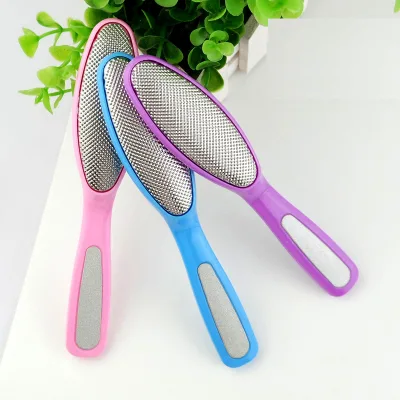
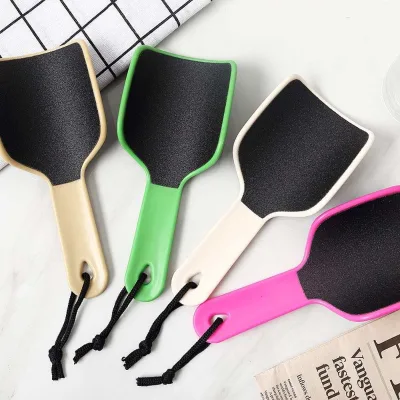
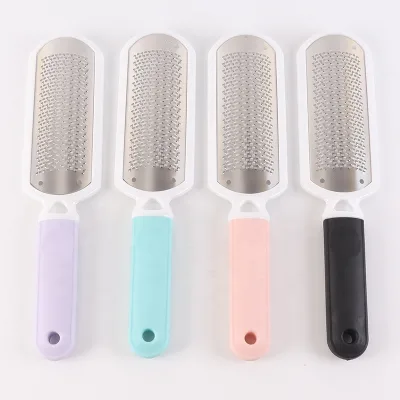
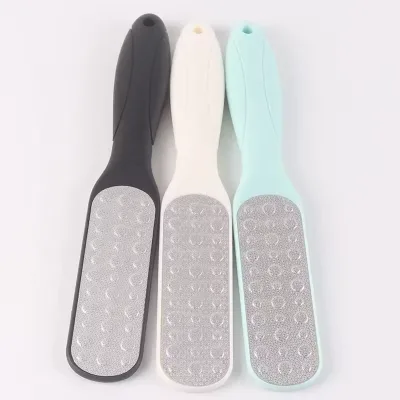
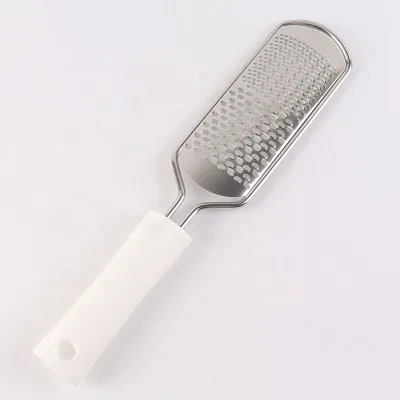
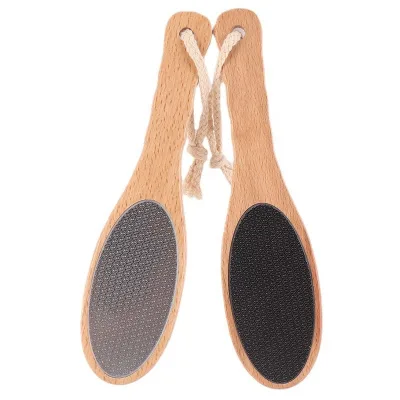
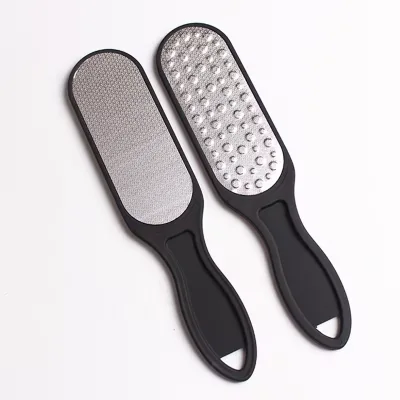
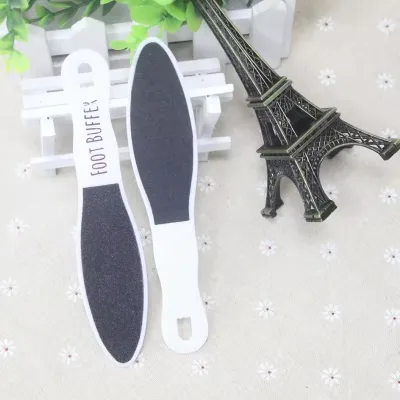


Comprehensive Sourcing Guide
Strategic Sourcing Guide for Callus Remover Foot Files
Understanding Product Categories and Technical Specifications
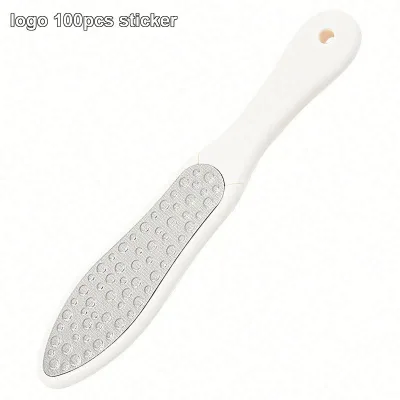
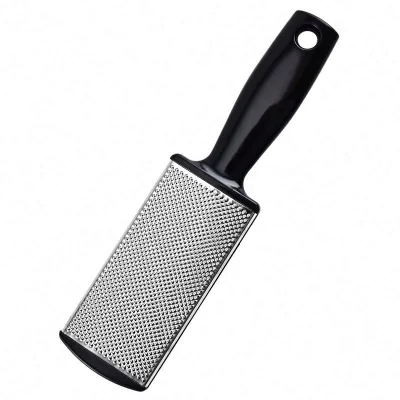
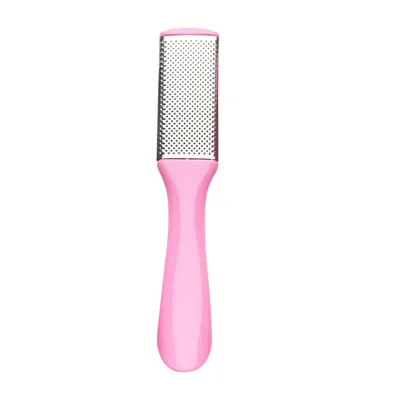
The market for callus remover foot files is segmented primarily by material composition and mechanical design, which dictates the tool's efficacy, durability, and intended user experience. Based on available market data, two distinct technical categories dominate the supply chain: stainless steel mechanical files and nano-glass abrasive tools. The stainless steel variants are characterized by a robust metal handle and a double-sided working surface, often featuring a rasp-like texture designed for heavy-duty callus removal. These units typically weigh between 110g and 205g, with dimensions varying significantly depending on the specific model, such as a standard file measuring approximately 26.251.6cm or packaged units reaching 36X15X5 cm. The handle material is consistently specified as metal, ensuring structural integrity during repeated use on thick skin.
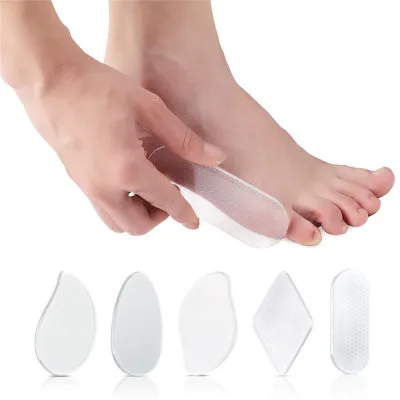
In contrast, the nano-glass category represents a modern alternative to traditional metal files. These products utilize a specialized glass material embedded with fine abrasive particles to exfoliate dead skin without the risk of tearing or causing micro-cuts associated with metal blades. The specifications for these units often include a single package size of 13.5X18X6.5 cm and are marketed with a focus on hygiene and ease of cleaning. While the stainless steel files are often described with specific model numbers like JLY-FF-001 or 20260306, the nano-glass options frequently carry identifiers such as EC-02. Both categories share the core application of foot skin care, targeting the removal of calluses and dead skin on the body part known as the foot. The functional description for these tools ranges from "Foot Rasp" to "Foot Cullas Removal" and "Remove Dead Skin," indicating a universal purpose across different material implementations.
Material Composition and Durability Analysis
The selection of raw materials is the primary driver of product performance and longevity in the foot file sector. For stainless steel models, the material specification explicitly lists "Stainless Steel" as the primary component, with a metal handle providing the necessary rigidity. This material choice suggests a high resistance to corrosion, which is critical for tools that may be exposed to water during bathing or pedicure routines. The weight of these units, observed in the range of 110g to 205g, correlates with the density of the metal and the thickness of the file head, influencing the pressure a user can apply without the tool bending.
Conversely, the nano-glass files rely on a different material science approach. The specification "Nano Glass" indicates a non-porous surface that does not harbor bacteria, a significant advantage over porous materials or worn metal files. While the provided data does not specify the exact hardness rating of the glass, the designation implies a material capable of maintaining its abrasive quality over time without dulling as quickly as traditional metal emery boards. The color variations observed in the market, including orange, black, pink, blue, and yellow, are often applied to the handle or packaging to distinguish between different models or target specific consumer aesthetics, but the core functional material remains the defining factor for performance. Buyers must verify that the "Metal" handle on steel files is indeed stainless steel to prevent rust, and that the "Nano Glass" is tempered to prevent shattering under pressure.
Compliance, Certification, and Safety Standards
When sourcing foot files, verifying compliance with safety and hygiene standards is paramount, particularly for products intended for personal care. While the supplied data does not list specific certification bodies or test results, it does reference a product standard dimension of 70mm40mm170mm, which may serve as a baseline for packaging or physical sizing requirements in certain regions. Buyers should actively investigate whether suppliers adhere to international safety standards for personal care devices, such as ISO 9001 for quality management or specific regional regulations regarding metal and glass products.
The "Shelf Life" attribute of 2 years is a critical data point for inventory management and quality assurance. This duration suggests that the materials used, whether metal or glass, are stable and do not degrade significantly within a standard retail cycle. However, the absence of explicit certification data in the product attributes necessitates a rigorous supplier audit. Procurement teams should request documentation confirming that the stainless steel is food-grade or medical-grade where applicable, and that the nano-glass is free from toxic heavy metals. Furthermore, the "Customized Packing" and "Blister Card" options indicate that packaging compliance, including material safety and labeling regulations, must be verified to ensure the product meets the destination market's requirements.
Cost Drivers and Pricing Dynamics
The pricing structure for callus remover foot files is influenced by a complex interplay of material costs, manufacturing complexity, and order volume. The observed listed price range in the market spans from $0.09 to $3.20 USD, a wide variance that reflects differences in material quality, branding, and packaging sophistication. The lower end of this spectrum likely corresponds to basic stainless steel files or simple nano-glass units with minimal packaging, while the higher end may include premium branding, custom blister cards, or specialized designs.
Minimum Order Quantity (MOQ) is another significant cost driver. The observed MOQ range varies from 1 to 3000 pieces, with specific listings indicating an MOQ of 100 pieces or 300 pieces for customized logo services. This variability allows buyers to scale their orders based on budget and demand forecasts. The "Customized logo" attribute, requiring a minimum of 300 pieces, suggests that branding incurs a setup cost that is amortized over larger volumes. Buyers should analyze the cost per unit at different MOQ tiers to determine the most economical order size. Additionally, the "Single package size" and "Single gross weight" of 1.3 kg for certain units impact shipping costs, which can significantly affect the landed cost of the product, especially for heavier metal files compared to lighter glass alternatives.
Supplier Evaluation and Origin Verification
Evaluating suppliers requires a focus on geographic origin and production capabilities. The data indicates that products originate from specific regions in China, with "Guangdong" and "Jiangsu" listed as places of origin. These regions are known for their manufacturing clusters in hardware and personal care tools, offering a concentration of expertise and supply chain efficiency. The presence of multiple model numbers, such as JLY-FF-001 through JLY-FF-010, suggests that suppliers may have extensive product lines or operate as aggregators of various factory outputs.
Buyers should verify the supplier's ability to handle customization requests, as the data confirms that "Customization" is available. This includes options for customized logos and packing. The "Age Group" of "All Ages" and "Gender" of "Unisex" indicate a broad market appeal, but suppliers must demonstrate quality control across these demographics. It is essential to assess the supplier's production capacity to meet the observed high-volume MOQs of up to 3000 pieces without compromising quality. Additionally, the "Selling Units" being listed as "Single item" implies that the supplier is capable of handling both bulk and individual unit orders, which is a flexibility factor for different procurement strategies.
Quality Control and Long-Term Procurement Strategy
Implementing a robust quality control (QC) strategy is essential for maintaining product integrity in the foot file market. Given the variation in weights and dimensions, buyers should establish clear acceptance criteria for physical attributes. For instance, verifying that the weight of the stainless steel files falls within the expected 110g to 205g range ensures consistency in manufacturing. Similarly, checking the dimensions against the specified 26.251.6cm or 36X15X5 cm ensures that the product fits the intended packaging and retail display requirements.
For long-term procurement, the "Shelf Life" of 2 years provides a window for inventory planning, but buyers must also consider the durability of the product in real-world use. Stainless steel files should be tested for rust resistance and edge integrity, while nano-glass files must be checked for structural stability. The "Usage" categories, such as "Foot Skin Care" and "Personalized Callus Remover," suggest that the product must perform effectively over multiple uses. Buyers should request samples for performance testing to validate claims regarding "Foot Cullas Removal" efficiency. Furthermore, the availability of different colors like "Blue & Pink" or "Yellow, Black, Pink, Blue" allows for market segmentation, but quality control must ensure that color coatings do not peel or degrade, which could affect the product's safety and appearance. By focusing on these technical and operational details, buyers can build a reliable supply chain for high-quality foot care tools.
FAQs
What materials are used for callus remover foot files?
These tools are primarily made from stainless steel or nano glass. Stainless steel versions feature metal handles and double-sided rasps, while nano glass options offer a non-porous surface for hygienic dead skin removal without tearing.
What is the minimum order quantity for custom logo printing?
The minimum order quantity for customizing the logo is 300 pieces. Some standard listings may accept orders as low as 100 pieces, but branding services specifically require the higher volume threshold to cover setup costs.
Where are these foot files manufactured?
Products originate from manufacturing hubs in Guangdong and Jiangsu, China. These regions provide a concentration of expertise in producing hardware and personal care tools like stainless steel files and nano glass removers.
How long is the shelf life of the foot care tools?
The shelf life is specified as 2 years for these products. This duration indicates that the materials, whether metal or glass, remain stable and do not degrade significantly within a standard retail inventory cycle.
What is the price range for these foot files?
The listed price range spans from 0.09 to 3.2 USD per unit. This variance reflects differences in material quality, such as stainless steel versus nano glass, and the level of packaging customization included.
Can these files be used on all skin types?
Yes, the products are designed for all ages and unisex use, suitable for combination skin types. They target the foot body part specifically for removing calluses and dead skin effectively across different demographics.
What are the dimensions of the stainless steel model?
The stainless steel model measures approximately 26.2 by 5 by 1.6 cm. The single package size for this unit is larger, recorded at 36 by 15 by 5 cm, with a gross weight of 1.3 kg.