Source Cami Top for Summer, Daily Wear, and Club Outfits
Compare 30 Cami Top options from verified suppliers featuring breathable polyester and spandex blends. Buyers can evaluate customization, MOQs, and styles like tank tops and yoga sets for various occasions.
Key considerations
Products List


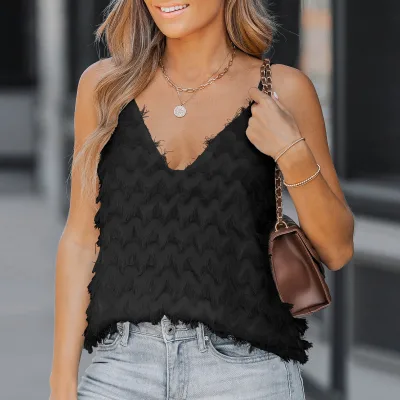
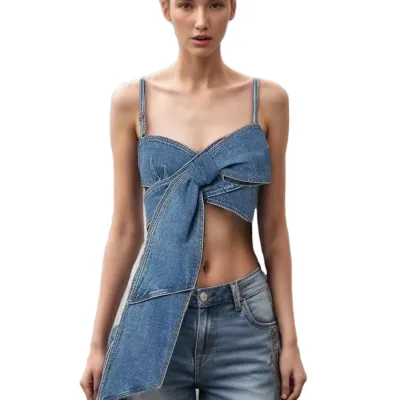
Womens Halter Neck Cowl Neck Crop Top, Backless Tie up Sleeveless Cami Top
$5.00 - $25.00
MOQ: 100 Pieces

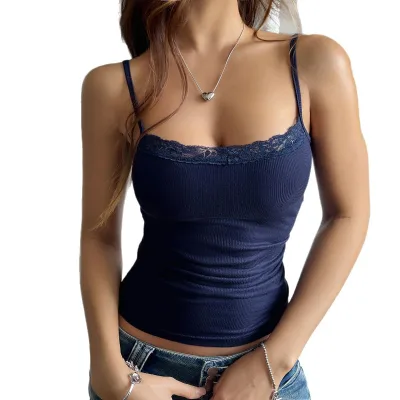
Basic Halter Neck Ribbed Tank Top, Sleeveless Slim Fit Backless Cami Top
$5.00 - $25.00
MOQ: 100 Pieces

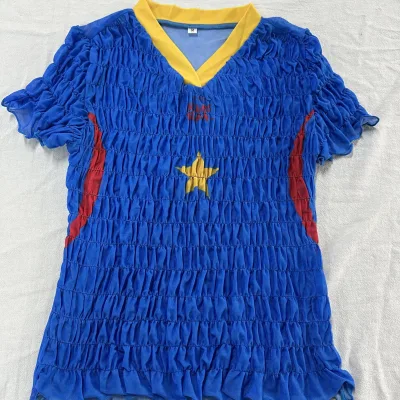
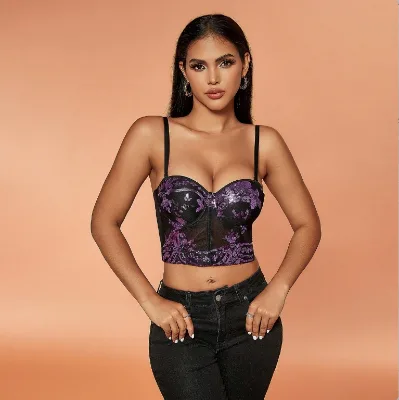
Women Spaghetti Strap Cami Top, Sequin Beaded Pastel Camo Slim Fit Party Top
$5.00 - $25.00
MOQ: 100 Pieces

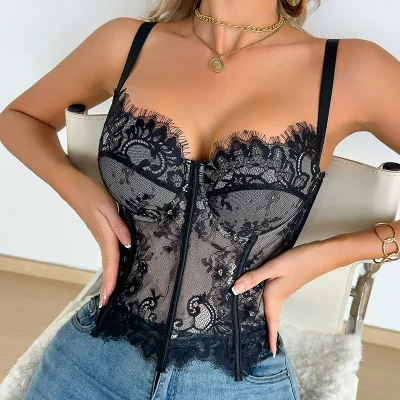
Elegant Lace Trim Halter Neck Top, Sheer Mesh Backless Tie Back Cami Top
$5.00 - $25.00
MOQ: 100 Pieces












Comprehensive Sourcing Guide
Strategic Sourcing Guide for Cami Top Procurement
Understanding Product Variations and Technical Specifications
The category of "Cami Top" encompasses a diverse range of garments that vary significantly in construction, material composition, and intended use. When sourcing these items, buyers must first recognize that a single product listing often represents a specific configuration rather than a universal standard. Based on current market data, the technical specifications for cami tops can diverge sharply depending on the target demographic and functional requirement. For instance, products designated for girls often feature specific length attributes, such as "Short" clothing length, whereas women's active wear lines may specify "Medium Length" or "Regular" fits.
Material composition is a primary differentiator in this category. Sourcing decisions should be grounded in the specific fabric blend required for the end-use application. One observed configuration utilizes 100% Polyester, which is typically selected for its durability and ease of care, often paired with machine washable instructions. In contrast, active wear segments frequently employ a blend of Nylon and Spandex or Spandex and Polyester. These blends are engineered to provide elasticity and moisture-wicking capabilities, essential for yoga sets or gym attire. The fabric type is also critical; while some listings specify "Woven" fabric, others in the active wear sector may utilize seamless construction techniques.
Design attributes further define the product's market positioning. The collar style is a key technical specification, with "V-neck" being a prevalent choice for a flattering silhouette. The pattern type is another variable, ranging from "Plain Dyed" to "Print" styles, with heat-transfer printing emerging as a specific method for applying designs. Additionally, the "Tops Type" classification explicitly identifies these items as "TANK TOPS," distinguishing them from other sleeveless variations. Buyers must verify these specifications against their product requirements, as a mismatch in length, material, or collar style can lead to significant inventory issues.
Compliance, Certification, and Standard Verification
In the global apparel supply chain, compliance and standard verification are non-negotiable elements of the procurement process. While specific certification names are not universally guaranteed for every listing, buyers must establish a rigorous verification protocol. The supply type is often listed as "Oem Service," indicating that the manufacturer is capable of producing goods under the buyer's brand. This relationship necessitates a clear understanding of the standards the supplier adheres to.
One specific standard observed in the product data is a weight specification of "1kg," which likely refers to a packaging or unit weight standard rather than a material quality standard. However, buyers should not assume this applies to all variants. Instead, they must verify the actual weight specifications, such as the "Single gross weight" of 0.224 kg noted for certain items, to ensure accurate shipping cost calculations and compliance with import weight regulations.
Regarding safety and quality, the "prod_standard" field in supplier data can be ambiguous. Buyers should request specific test reports for flammability, chemical composition (such as azo dyes), and physical durability. The "Place of Origin" is frequently listed as "Guangdong, China" or "Guangzou," regions known for high-volume textile production. While this indicates a manufacturing hub, it does not inherently guarantee compliance with international safety standards like REACH or CPSIA. Procurement teams must explicitly require documentation proving that the "100% Polyester" or "Nylon + Spandex" blends meet the safety regulations of the destination market. Furthermore, the "Customization" attribute suggests that branding elements, such as "Customized Logo Printing" on the "Front, back," must be applied using methods that do not compromise the fabric's integrity or safety.
Cost Drivers and Pricing Dynamics
The pricing structure for cami tops is influenced by a complex interplay of material costs, customization levels, and order volume. The observed price range in the market spans from 0.99 to 75 USD, a wide disparity that reflects the difference between basic commodity items and premium, highly customized active wear sets. Several key drivers contribute to this variance.
First, material composition is a primary cost factor. A simple 100% Polyester top will generally cost less than a technical blend involving Nylon and Spandex, which offers superior performance features like "Quick Dry" and "Moisture Wicking." The inclusion of "Eco-Friendly" materials or advanced "Seamless Butt Lift" technologies can also elevate the base cost. Second, the level of customization significantly impacts pricing. Products offering "Customized Logo Printing" or specific "Heat-Transfer Printing" services often carry a premium over standard "Plain Dyed" items.
Order volume is another critical driver, directly linked to the Minimum Order Quantity (MOQ). The market data indicates an MOQ range of 1 to 500 units, with a specific high-confidence fact noting an MOQ of 100 PCS for certain items. However, other listings, particularly for active wear sets, may have an MOQ of "2 Sets." Buyers must understand that lower MOQs often come with a higher unit price due to the fixed costs of setup and production runs. Conversely, larger orders can leverage economies of scale to reduce the per-unit cost.
The packaging method also influences the final landed cost. Some items are packed in a "Box," while others use a "1PC/Polybag" configuration. The "Single package size" of 42X24X2 cm for certain units suggests that volume and weight calculations must be precise to optimize shipping efficiency. Buyers should request detailed cost breakdowns that isolate material, labor, customization, and packaging costs to negotiate effectively.
Typical Applications and Market Segmentation
Cami tops serve a wide array of applications, segmented primarily by gender, occasion, and functional requirement. The product data highlights distinct categories that buyers must navigate to ensure the right product fits the target market.
For the youth market, specific attributes such as "Suitable for: Girls" and "Short" clothing length are critical. These items are often designed for "Daily" occasions and "Summer" seasons, prioritizing comfort and ease of movement. In contrast, the women's segment is more diverse, catering to both casual and performance needs. The "Style" attribute "Sexy & Club" indicates a fashion-forward application, while "Women Active Wear Yoga Set" points to a functional, athletic use case.
The "Occasion" field further clarifies these segments. Items marked for "Daily" wear are designed for versatility, whereas those with "Quick Dry" and "Breathable" features are tailored for sports and exercise. The "Fuction" of "Moisture Wicking" is particularly relevant for high-intensity activities where sweat management is essential. Additionally, the "Pattern Type" of "Print" makes these tops suitable for fashion-forward trends, while "Plain Dyed" options offer a classic, versatile look.
Buyers should also consider the "Selling Units" configuration. Some products are sold as a "Single item," while others, like the "Women Faux Two Piece Contrast Color Fitted Cami Ta," are part of a set. This distinction affects marketing strategies and inventory management. Understanding these applications ensures that the sourced cami tops align with the specific needs of the end consumer, whether they are looking for a summer casual top, a clubwear piece, or a high-performance yoga garment.
Supplier Evaluation and Operational Capabilities
Evaluating suppliers for Cami Top procurement requires a deep dive into their operational capabilities and service models. The "Supply Type" of "Oem Service" indicates that the supplier is equipped to handle custom orders, but buyers must verify the extent of this capability. Key evaluation criteria include the supplier's ability to manage "Customization" requests, such as logo placement on the "Front, back" and specific printing methods like "Heat-Transfer Printing."
Lead time is a critical operational metric. The data shows a "7 days sample order lead time" as a support feature, which is a positive indicator for rapid prototyping. However, the "Delivery Time" for bulk orders is listed as "3-5 Working Days" in some contexts, which may refer to production time rather than shipping. Buyers must clarify the total timeline from order placement to delivery, as this can vary based on the complexity of the customization and the current production load.
The "Location" of the supplier, often "Guangdong, China" or "Guangzou," provides insight into the supply chain ecosystem. These regions are hubs for textile manufacturing, offering access to a wide range of materials and skilled labor. However, buyers should verify the specific factory location to assess logistics and potential risks. Additionally, the "Product Name" and "Model Number" (e.g., L056, Z076, L061) serve as unique identifiers. Buyers should request a comprehensive catalog of model numbers to ensure they are sourcing from a supplier with a diverse and stable product line.
Quality Control and Long-Term Procurement Strategy
Implementing a robust quality control (QC) strategy is essential for maintaining brand integrity in the Cami Top category. The "Care Instruction" of "Machine Washable" is a standard claim that must be verified through testing to ensure the garment retains its shape and color after repeated washing. The "Feature" attributes such as "Anti-Shrink" and "Breathable" require physical testing to validate. Buyers should request test reports for shrinkage rates, color fastness, and fabric breathability.
For long-term procurement, consistency is key. The "Fabric Type" of "Woven" or the specific blend of "Nylon + Spandex" must remain consistent across production runs. Variations in material quality can lead to customer dissatisfaction and returns. Buyers should establish a quality agreement that defines acceptable tolerances for dimensions, such as the "Size" range of S, M, L, XL, 2 XL, and color consistency for options like Black, White, and Fuchsia.
Sustainability is also becoming a significant factor in long-term strategy. The "Feature" of "Eco-Friendly" suggests a growing market demand for sustainable materials. Buyers should inquire about the sourcing of raw materials and the environmental impact of the "Heat-Transfer Printing" process. Establishing a long-term partnership with a supplier who can commit to consistent quality, transparent communication, and adherence to evolving sustainability standards will mitigate risks and ensure a stable supply chain.
| Attribute Category | Key Observation | Verification Requirement |
|---|---|---|
| Material | 100% Polyester, Nylon + Spandex | Request material composition certificates |
| Features | Anti-Shrink, Quick Dry, Breathable | Conduct physical performance tests |
| Customization | Logo Printing, Heat-Transfer | Review print quality samples |
| Packaging | Box, 1PC/Polybag | Verify packaging dimensions and weight |
| Lead Time | 7 days sample, 3-5 days delivery | Confirm total production timeline |
| Origin | Guangdong, China | Verify factory location and capacity |
By adhering to these evidence-based guidelines, buyers can navigate the complexities of the Cami Top market, ensuring they source products that meet technical, quality, and commercial requirements while mitigating the risks associated with global procurement.
FAQs
What materials are used for cami tops?
Cami tops are commonly made from 100% Polyester or blends like Spandex and Polyester. Some active wear options utilize Nylon combined with Spandex to ensure elasticity and moisture-wicking performance for athletic activities.
Can I customize the logo on these tops?
Yes, customization is available with options for customized logo printing on the front or back. Buyers can request heat-transfer printing methods to apply designs while maintaining the fabric integrity of the garment.
What is the minimum order quantity for these items?
The minimum order quantity varies by product, with some items requiring 100 pieces while others accept orders as low as 2 sets. Buyers should verify specific MOQs based on the chosen model number and customization level.
How long does it take to receive samples?
Sample orders typically have a lead time of 7 days for support. Bulk delivery times may range from 3 to 5 working days depending on the supplier location and specific production requirements.
Where are these cami tops manufactured?
Most products originate from Guangdong, China, specifically Guangzhou. This region is a known hub for textile production, offering access to a wide range of materials and skilled labor for various garment types.
Are these tops suitable for summer wear?
Yes, many listings specify the season as Summer with features like breathable and quick-dry properties. These attributes make them ideal for daily wear or active use during warmer weather conditions.