Source Camouflage Ripstop Workwear Fabric for Shoes, Bags, Garments
Find 30 verified listings for Camouflage Ripstop Workwear Fabric suitable for shoes, bags, and garments. Buyers can compare specifications like weight, material composition, and features such as waterproof and anti-static properties to select the right option.
Key considerations
Products List

Camouflage Cotton Polyester Camouflage Print Ripstop Fabric for Workwear
$1.00 - $3.00
MOQ: 1000 Meters


Waterproof Windproof Tear-Resistant Solid Ripstop Workwear Uniform Fabric
$1.00 - $3.00
MOQ: 1000 Meters


High Quality Good Color Fastness Ripstop Woven Camouflage Uniform Workwear Fabric
$1.35 - $1.50
MOQ: 3000 Meters


China Manufacturer Ripstop Camouflage Tc Polyester Cotton Workwear Fabric
$1.25 - $1.50
MOQ: 3000 Meters


Good Price Customized 100% Polyester Camouflage Workwear Rip-Stop Fabric
$0.92 - $1.00
MOQ: 3000 Meters

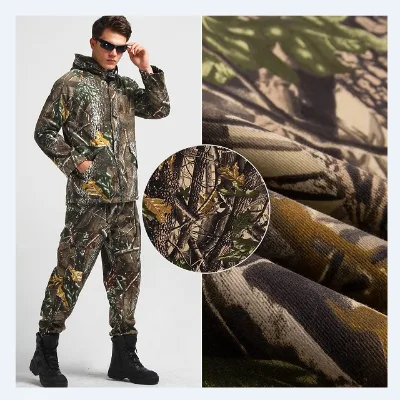
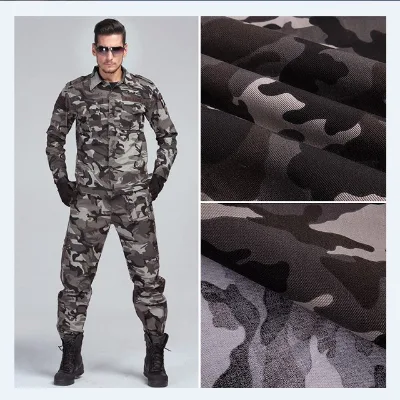
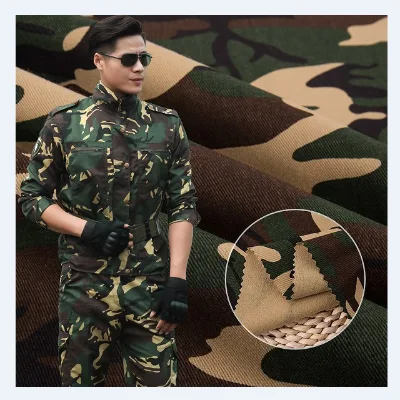
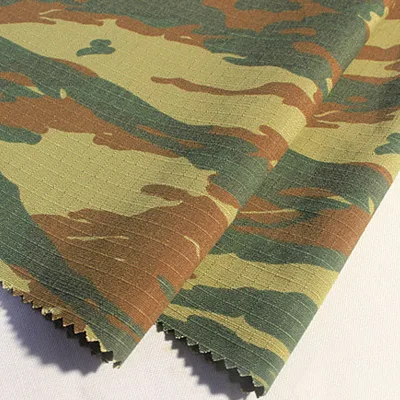
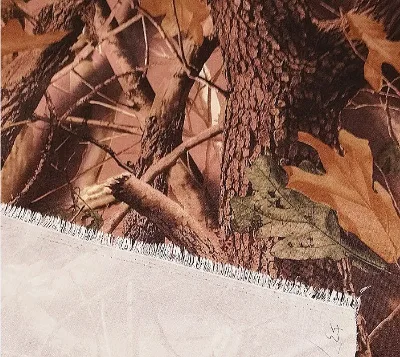


Rip-Stop Fabric for Uniform Camouflage Fashion Cloth T/C 65/35 20X16 104X53
$1.50 - $2.00
MOQ: 5000 Meters


Tactical Style Camouflage Uniform Fabric Ripstop Tactical Camouflage Fabric Material
$1.99 - $2.65
MOQ: 1000 Meters


Comprehensive Sourcing Guide
Strategic Sourcing Guide for Camouflage Ripstop Workwear Fabric
Procuring Camouflage Ripstop Workwear Fabric requires a disciplined approach that balances tactical performance with industrial durability. The global market for this material is driven by the need for garments that withstand harsh environments while maintaining a specific visual profile. Buyers must navigate a complex landscape of material compositions, weave structures, and functional treatments to ensure the final product meets rigorous operational standards. This guide outlines the critical factors for sourcing, focusing on verified technical attributes, supply chain logistics, and quality assurance protocols derived from current market data.
Technical Specifications and Material Composition
The foundation of any successful procurement strategy lies in understanding the precise technical specifications of the fabric. In the current market, ripstop workwear fabrics are predominantly defined by their weave structure and fiber blend. The "Ripstop" designation refers to a specific reinforcement technique where thicker threads are interwoven at regular intervals to prevent tears from spreading. This structural integrity is a non-negotiable requirement for workwear intended for security, industrial, and outdoor applications.
Material composition varies significantly between suppliers, though the data indicates a prevalence of blended fabrics. A common standard observed in the market is the T/C 80/20 ratio, representing a blend of 80% Polyester and 20% Cotton. This combination offers a balance of the durability and wrinkle resistance of polyester with the comfort and breathability of cotton. However, pure material options also exist, including 100% Polyester variants which prioritize moisture management and strength, and 100% Cotton options which focus on natural fiber properties. Buyers must verify the specific material composition for each order, as the choice directly impacts the fabric's performance in terms of weight, drape, and resistance to environmental factors.
Weight is another critical specification, typically measured in grams per square meter (GSM). The observed market range for these fabrics spans from 195 GSM to 300 GSM, with specific models often cited at 200-300 GSM or precise values like 210 GSM. Heavier weights generally correlate with higher tear resistance and load-bearing capacity, making them suitable for heavy-duty security or industrial gear. Lighter weights may be preferred for garments requiring greater flexibility. Width specifications are equally important for production planning, with standard widths ranging from 57/58 inches to 58/60 inches. Ensuring the width matches the pattern layout requirements is essential to minimize waste during the cutting process.
Functional Attributes and Performance Features
Beyond basic construction, the functional attributes of camouflage ripstop fabric determine its suitability for specific use cases. The market data highlights a robust set of features designed to enhance the longevity and safety of the final garment. Key performance indicators include windproof and waterproof capabilities, which are essential for workwear exposed to the elements. These features are often achieved through specific coatings or treatments applied to the microfiber or plain weave structures.
Anti-static properties are a frequent requirement, particularly for security and industrial applications where static discharge could pose a safety hazard or attract dust. The market offers varying levels of antistatic performance, ranging from low to medium antistatic properties. Buyers should explicitly request test data or certification regarding the level of antistatic treatment to ensure compliance with workplace safety regulations. Additionally, features such as ripstop, anti-pull, and fireproofing are available, though the latter is less common and requires specific verification.
The fabric's intended usage dictates the necessary feature set. Applications span a wide spectrum, including shoes, security uniforms, home textiles, garments, and bags. For security and industrial uses, the fabric must often be machine washable and possess wash-and-wear properties to maintain its appearance and functionality after repeated cleaning cycles. Some variants also offer eco-friendly and breathable characteristics, catering to sustainability goals and comfort requirements for long-duration wear. The ability to customize the print, particularly for camouflage patterns, is a standard offering, allowing buyers to tailor the visual identity of the uniform to specific organizational needs.
Cost Drivers and Procurement Economics
Understanding the cost structure of Camouflage Ripstop Workwear Fabric is vital for budgeting and negotiation. The primary cost drivers include the material composition, the complexity of the weave, and the extent of functional treatments. Blended fabrics like T/C 80/20 generally offer a cost-effective balance, while 100% specialty fibers or fabrics with advanced treatments like fireproofing or high-level waterproofing will command higher prices. The observed price range in the market is approximately $0.92 to $4.08 per unit, though this fluctuates based on order volume and specific customization requirements.
Minimum Order Quantity (MOQ) is a significant factor in the economics of sourcing. Suppliers typically enforce MOQs ranging from 1,000 to 10,000 meters, with specific models often requiring a baseline of 2,000 or 5,000 meters. These thresholds are designed to cover the setup costs for weaving, dyeing, and printing. Buyers with smaller volume needs may find it challenging to meet these requirements without consolidating orders or negotiating with suppliers who have lower thresholds. The lead time for production is another economic consideration, with standard delivery windows ranging from 30 to 40 days. This timeline must be factored into the overall supply chain schedule to avoid delays in garment manufacturing.
Packaging and logistics also influence the final landed cost. Standard packaging involves rolling the fabric in polyester bags to protect it from moisture and damage during transit. Buyers should clarify whether this packaging meets their storage requirements or if additional protective measures are needed. The origin of the fabric, primarily China and specific regions like Hebei, impacts shipping costs and lead times. Understanding these variables allows buyers to create a realistic total cost of ownership model rather than focusing solely on the unit price.
Compliance, Certification, and Quality Verification
In the B2B procurement of workwear fabric, compliance and quality verification are paramount. While the market data does not list specific third-party certifications for every product, buyers must actively verify that the fabric meets relevant industry standards. The standard "T/C 80/20" is a common reference point, but it is essential to confirm that the actual blend ratio matches the specification exactly. Deviations in the cotton-to-polyester ratio can significantly alter the fabric's performance, particularly regarding shrinkage, color fastness, and durability.
Quality control should focus on the structural integrity of the ripstop weave. Buyers should request samples to inspect the reinforcement grid for consistency and ensure that the threads are properly interlocked. Visual inspection of the camouflage print is also necessary to verify color accuracy and pattern alignment. The "Plain" or "Custom" pattern options must be scrutinized for print clarity and resistance to fading. For fabrics claiming eco-friendly or fireproof properties, buyers should demand test reports from accredited laboratories to validate these claims. Without such documentation, these attributes remain unverified assertions.
Antistatic properties require specific attention. Since the market offers varying levels from low to medium, buyers must define the exact requirement for their application. For instance, security personnel may require a higher level of antistatic protection than general industrial workers. Verification should include checking the fabric's electrical resistance properties against established safety standards. Additionally, the "High Quality" designation found in some listings is a subjective claim; objective verification through tensile strength tests and tear resistance measurements is necessary to substantiate this claim.
Supplier Evaluation and Long-Term Partnership
Selecting the right supplier is as critical as selecting the right fabric. Buyers should evaluate potential partners based on their ability to meet technical specifications, maintain consistent quality, and adhere to delivery schedules. The presence of OEM (Original Equipment Manufacturer) acceptance indicates a supplier's willingness to customize products, which is a positive indicator for buyers with specific branding or design needs. The ability to offer custom prints and colors further demonstrates flexibility and responsiveness to market demands.
Long-term procurement considerations involve assessing the supplier's capacity for scalability and consistency. A supplier that can reliably deliver 10,000 meters within the standard 30-40 day lead time is preferable to one that struggles with smaller orders. Buyers should also consider the supplier's location and logistics capabilities. Suppliers based in major manufacturing hubs like Hebei or China generally have established supply chains, but buyers must ensure that the specific factory has the capacity to handle their volume without compromising quality.
Communication and transparency are key indicators of a reliable partner. Suppliers who provide detailed product data, including GSM, width, and material composition, are more likely to be transparent about their capabilities. Buyers should avoid suppliers who are vague about their standards or who make unverified performance claims. Establishing a clear contract that outlines quality benchmarks, delivery timelines, and penalty clauses for non-compliance is essential for protecting the buyer's interests.
Application-Specific Selection and Final Recommendations
The final step in the sourcing process involves matching the fabric specifications to the intended application. For security uniforms, the focus should be on high tear resistance, anti-static properties, and durable camouflage prints. The T/C 80/20 blend with a weight of 210-230 GSM is often ideal for these applications, offering a balance of comfort and protection. For industrial workwear, the emphasis may shift towards fireproofing and heavy-duty durability, requiring fabrics with weights closer to 300 GSM and specific fire-retardant certifications.
Home textile applications may prioritize aesthetic qualities and wash-and-wear features, allowing for a broader range of weights and colors. In contrast, garment and bag manufacturing requires fabrics that can withstand the stress of sewing and daily use, making the ripstop structure and anti-pull features critical. Buyers should create a detailed specification sheet for each application, listing the required GSM, width, material blend, and functional features. This document serves as the basis for all supplier communications and ensures that the final product meets the exact needs of the end-user.
In conclusion, sourcing Camouflage Ripstop Workwear Fabric requires a meticulous approach that integrates technical knowledge with strategic procurement practices. By focusing on verified specifications, demanding evidence for performance claims, and evaluating suppliers based on their capacity for quality and consistency, buyers can secure a reliable supply chain. The market offers a diverse range of options, from standard T/C blends to specialized high-performance fabrics, but the key to success lies in rigorous due diligence and clear communication of requirements.
FAQs
What material compositions are available for this fabric?
The fabric is available in T/C 80/20 blends, 100% Polyester, and 100% Cotton options. Buyers must verify the specific composition for each order as it directly impacts weight, drape, and environmental resistance properties.
What are the standard weight and width specifications?
Standard weights range from 195 to 300 GSM, with specific models often listed at 210 GSM. Widths typically span 57/58 inches to 58/60 inches, ensuring compatibility with various pattern layout requirements to minimize cutting waste.
Can I customize the print and color for this fabric?
Yes, custom printing and color options are available for this fabric. This allows buyers to tailor the visual identity of security or industrial uniforms to specific organizational needs while maintaining the required ripstop structure.
What functional features does the fabric offer?
The fabric offers windproof, waterproof, anti-static, and ripstop features. Some variants also include eco-friendly and fireproof properties, though buyers should request test reports to validate specific performance claims for safety applications.
What are the typical minimum order quantities and lead times?
Minimum order quantities range from 1,000 to 10,000 meters, with specific models requiring 2,000 or 5,000 meters. Production lead times generally span 30 to 40 days, which must be factored into the overall supply chain schedule.
Where is this fabric typically manufactured and packaged?
The fabric originates primarily from China, with specific production hubs in Hebei. It is standardly packaged in rolls within polyester bags to protect against moisture and damage during transit to the buyer's location.
Which applications are suitable for this workwear fabric?
Suitable applications include security uniforms, industrial workwear, bags, shoes, and home textiles. The fabric's durability and anti-static properties make it ideal for environments requiring high tear resistance and repeated machine washing.