Source Camping Dinnerware Set for Home Outdoor Restaurant
Compare 30 Camping Dinnerware Set options made from PP, melamine, and aluminum. Buyers can evaluate eco-friendly features, customization availability, and MOQs ranging from 50 to 3000 units for home, outdoor, and restaurant use.
Key considerations
Products List



Outdoor Camping Tableware Portable Stainless Steel Dinner Plate 6-Piece Set
$1.90 - $5.80
MOQ: 100 Pieces
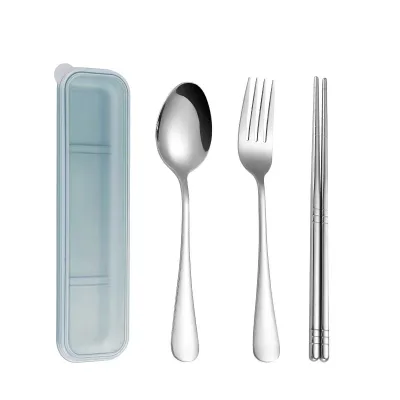


48-Piece Plastic Camping Tableware Camping Crockery Set with Plate Set Bowl Cup
$6.00 - $8.00
MOQ: 500 Pieces


Custom Biodegradable 4 People Plastic Camping Tableware Set with Plate Set Bowl Cup
$3.50 - $5.00
MOQ: 500 Pieces




Comprehensive Sourcing Guide
Camping Dinnerware Set Sourcing Guide
The global demand for durable, lightweight camping dinnerware has driven a diversification in material science and design, ranging from high-density polypropylene to composite blends of melamine and bamboo fiber. Buyers must navigate a market where products are explicitly engineered for specific environments, such as backcountry camping or general outdoor recreation, with distinct variations in weight, durability, and thermal resistance. Understanding the specific material composition is the first critical step, as the choice between plastic, metal, and composite materials directly dictates the product's suitability for different camping scenarios and its long-term performance under stress.
Procurement strategies must account for the wide variance in minimum order quantities (MOQs) and customization options observed across the supply base. While some suppliers offer low-volume entry points for testing market viability, others require substantial commitments to unlock custom branding or specific color palettes. This guide provides a framework for evaluating these commercial terms alongside technical attributes, ensuring that buyers can align their inventory needs with supplier capabilities without compromising on safety standards or product integrity.
Product Scope and Observed Listing Signals
The current market for camping dinnerware sets presents a clear segmentation based on material composition and intended use, with listings frequently highlighting eco-friendly attributes and specific applications like camping or restaurant service. Buyers will encounter products defined by materials such as polypropylene (PP), 100% melamine combined with bamboo fiber, and various metals including aluminum, each offering distinct trade-offs between weight, breakage resistance, and heat tolerance. The observed product range includes complete sets designed for single users or small groups, as well as larger configurations capable of serving seven to nine people, necessitating a precise match between the set's capacity and the target customer's typical group size.
Listing signals also reveal significant diversity in packaging and styling, with options ranging from simple, modern designs to those featuring plant patterns or custom color schemes like green, beige, yellow, and orange. The packaging itself is a critical variable, with suppliers offering individual color boxes, cartons, or bulk configurations that impact the final landed cost and the product's readiness for retail display. Buyers should scrutinize these signals to ensure the product's aesthetic and functional presentation aligns with their brand positioning, particularly when the product is marketed for specific occasions such as backcountry camping or hotel service where durability and portability are paramount.
Technical Specifications to Verify
When evaluating technical specifications, the physical dimensions and weight of the dinnerware set are primary determinants of its utility for outdoor enthusiasts who prioritize portability. Specifications such as a 26.5cm dinner plate, 21.4cm side plate, and 20.2cm bowl indicate a standard sizing profile, while the single gross weight of 4.000 kg for a complete set provides a baseline for shipping calculations and load management. Buyers must verify the exact size and weight of the specific model, as variations in the number of users—ranging from 1-2 to 7-9—will drastically alter the total volume and weight, directly influencing logistics costs and the practicality of the set for different camping scenarios.
Material properties and construction techniques further define the performance envelope of the dinnerware, requiring verification of whether the item is a rigid plastic, a metal alloy, or a composite blend. For instance, sets made from aluminum or pigmented metal require different handling and cleaning protocols compared to those constructed from PP or melamine-bamboo fiber, which may offer better thermal insulation but different structural limits. The shape of the items, typically round, and the production method, such as the inclusion of spoon, fork, knife, and chopstick kits, must be confirmed to ensure the set meets the functional requirements of the intended user, whether for a quick meal in the backcountry or a more formal dining experience at a campsite.
Compliance and Safety Documentation
Safety compliance is non-negotiable for camping dinnerware, particularly given the direct contact with food and the potential for exposure to varying environmental conditions. Buyers must demand documentation confirming that materials meet recognized food safety standards, with observed listings frequently citing LFGB and FDA certifications as indicators of compliance for food contact surfaces. These certifications are essential for validating that the product, whether made of PP, melamine, or metal, does not leach harmful substances into food, especially when the dinnerware is used for hot meals or acidic foods common in outdoor cooking.
Beyond material safety, the documentation must address the specific manufacturing standards and origin of the goods to ensure traceability and quality assurance. Products originating from regions like Zhejiang or Guangdong in China should be accompanied by clear proof of origin and adherence to relevant production standards, such as those specifying the use of PP or specific composite ratios. Buyers should verify that the supplier can provide test reports or certificates that explicitly cover the finished product's safety, ensuring that claims of being "100% eco-friendly" or "safe for home and outdoor use" are backed by verifiable data rather than marketing assertions.
Cost Drivers and Commercial Terms
The commercial landscape for camping dinnerware is heavily influenced by the minimum order quantity (MOQ) and the extent of customization available, creating a tiered pricing structure that affects budget planning. Observed MOQs range widely from as low as 50 pieces to 3,000 units, with some suppliers setting a standard threshold of 1,000 units for custom orders. This variance requires buyers to carefully assess their inventory turnover rates and cash flow, as higher MOQs often unlock lower unit costs but increase the financial risk associated with unsold stock, while lower MOQs allow for flexibility but may come with a premium per unit.
Pricing and packaging logistics also play a significant role in the total cost of ownership, with variations in single package sizes and gross weights directly impacting freight expenses. A set with a single package size of 50x50x50 cm and a gross weight of 4.000 kg will incur different shipping costs compared to more compact configurations, and these factors must be factored into the final landed cost calculation. Additionally, the availability of custom colors and branding options can introduce additional tooling or setup fees, so buyers should negotiate these terms clearly to avoid unexpected costs that could erode profit margins on the final retail price.
Supplier Qualification and Quality Control
Supplier qualification for camping dinnerware requires a rigorous assessment of production capabilities and quality control systems, particularly given the diverse materials involved in the supply chain. Buyers should verify that the supplier has a proven track record in manufacturing specific product types, such as dinnerware racks, disk-style plates, or cutlery kits, and can consistently deliver on the specified material standards like 100% melamine plus bamboo fiber or aluminum. The ability to handle customization requests, including specific colors and branding, is a key indicator of a supplier's flexibility and technical maturity, ensuring they can adapt to changing market demands without compromising product consistency.
Quality control protocols must be established to ensure that every batch meets the defined specifications for size, weight, and material integrity. Buyers should request evidence of in-process inspections and final quality checks, focusing on critical attributes such as the absence of defects in the pigmented metal or the structural stability of the PP components. Given the outdoor nature of the product, testing for durability and resistance to wear is essential, and suppliers should be able to demonstrate their ability to maintain these standards across different production runs, ensuring that the "simple" or "modern" design styles do not come at the expense of functional reliability.
Long-Term Procurement Checks
Sustaining a successful procurement relationship for camping dinnerware involves regular audits of supplier performance and ongoing verification of product compliance over time. Buyers should establish a schedule for re-validating certifications like LFGB and FDA, as regulatory requirements can evolve, and ensure that the supplier maintains their production standards even as order volumes fluctuate. This proactive approach helps mitigate the risk of supply chain disruptions and ensures that the product remains safe and compliant for the long term, protecting the buyer's brand reputation in a competitive market.
Continuous monitoring of market trends and material innovations is also crucial for maintaining a competitive edge in the camping dinnerware sector. As consumer preferences shift towards more eco-friendly options or specific design aesthetics, buyers must work closely with suppliers to adapt their product offerings accordingly. This includes staying informed about new material blends, such as advancements in bamboo fiber composites, and ensuring that the supplier can scale production to meet growing demand while maintaining the high-quality standards that define the category.
FAQs
What materials are used for camping dinnerware sets?
Camping dinnerware sets are commonly made from PP, aluminum, or melamine with bamboo fiber. PP is lightweight and durable for outdoor use, while aluminum offers heat resistance. Melamine blends provide a ceramic-like feel without the breakage risk, making them suitable for both home and outdoor dining.
What certifications do camping dinnerware sets typically hold?
Many camping dinnerware sets hold LFGB and FDA certifications. These standards ensure the materials are safe for food contact and meet international safety requirements. Buyers should verify these certifications to ensure compliance with local regulations and consumer safety expectations.
Can camping dinnerware sets be customized for branding?
Yes, customization is available for many camping dinnerware sets. Suppliers often offer options for custom colors, logos, and packaging. This allows businesses to create branded products for retail or promotional use, ensuring the final product aligns with specific brand identity and marketing goals.
What is the typical MOQ for camping dinnerware sets?
The minimum order quantity for camping dinnerware sets varies by supplier, with observed ranges from 5 to 3000 units. Some suppliers offer lower MOQs for trial orders, while others require larger quantities for standard production. Buyers should confirm specific MOQ requirements based on their volume needs.
What sizes are available for camping dinnerware sets?
Common sizes include 26.5cm dinner plates, 21.4cm side plates, and 20.2cm bowls. These dimensions are designed to be compact for travel while providing sufficient space for meals. Sets often include various pieces to accommodate different dining needs and portion sizes.
Are camping dinnerware sets eco-friendly?
Many camping dinnerware sets are labeled as eco-friendly, particularly those made from PP or melamine with bamboo fiber. These materials are often durable and reusable, reducing the need for single-use plastics. Buyers should look for specific eco-friendly claims and material compositions to verify sustainability.
What packaging options are available for camping dinnerware sets?
Packaging options include color boxes and cartons. Color boxes are often used for retail display, while cartons are standard for bulk shipping. The choice of packaging can affect shipping costs and product presentation, so buyers should select options that align with their distribution and retail strategies.