Source Camping Stove for Outdoor Cooking, Seafood Boiling, and Wood Heating
Source 30 verified Camping Stove options including stainless steel heating equipment and wood fuel models. Buyers can compare specifications like pressure levels, ignition methods, and packing details to find suitable suppliers for outdoor cooking and seafood boiling applications.
Key considerations
Products List


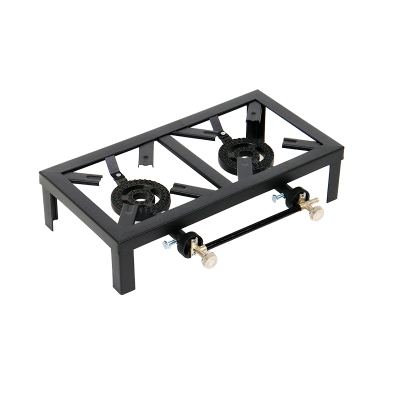
Outdoor Picnic Convenient Stainless Steel Stove Six Side Stove Camping Stove
$3.50 - $4.50
MOQ: 100 Pieces



Comprehensive Sourcing Guide
Strategic Sourcing Guide for Camping Stoves
The global market for portable cooking equipment has expanded significantly, driven by the growing outdoor recreation sector and the demand for reliable, self-sufficient power solutions in remote locations. For B2B procurement professionals, sourcing camping stoves requires a nuanced understanding of diverse product categories, from high-pressure gas vessels to specialized wood-burning and charcoal grilling units. This guide synthesizes available product attributes and industry standards to provide a disciplined framework for evaluating suppliers, verifying technical specifications, and managing supply chain risks. The objective is to equip buyers with the knowledge to navigate a complex catalog of options without relying on unverified marketing claims.
Technical Specifications and Product Categorization
When initiating a search for camping stoves, the first step is to categorize the product based on fuel type, pressure requirements, and structural design. The market currently offers a wide spectrum of solutions, ranging from standard portable units to heavy-duty industrial-grade equipment. A critical distinction lies in the fuel source. Some units are engineered specifically for liquefied gas, utilizing propane as a primary fuel source, while others are designed for solid fuels like wood or charcoal.
Pressure specifications are particularly vital for gas-powered units. In the context of high-performance equipment, pressure levels are often categorized as medium pressure, typically defined within the range of 1.6MPa to less than 10.0MPa. This specification is essential for ensuring the safety and efficiency of the combustion process. Buyers must verify that the pressure vessel components, such as the cylinder or regulator, are rated to handle these specific pressures without failure. Furthermore, the ignition method is a key differentiator; piezoelectric ignition is a common feature in modern portable stoves, offering a reliable spark generation mechanism without the need for external batteries or matches.
Structural configurations also vary significantly. Some units are designed as horizontal types, which may offer stability on uneven terrain, while others feature folding mechanisms to minimize storage volume. Dimensions are equally critical for logistics planning. For instance, specific models may have assembled sizes measuring approximately 595mm in length, 274mm in width, and 2435mm in height, though these figures can vary based on the specific model and configuration. The flue size, often standardized at a diameter of 60mm with a length of 300mm, must be compatible with the intended ventilation requirements of the application site.
Compliance, Certification, and Safety Standards
Safety is paramount in the procurement of gas and combustion equipment. Buyers must rigorously verify that suppliers can provide evidence of compliance with relevant international and regional standards. While specific certification statuses vary by manufacturer and region, common certifications observed in the market include EMC (Electromagnetic Compatibility), GS (Geprüfte Sicherheit), and ITS (International Testing Services). These certifications indicate that the product has undergone testing for electrical safety, mechanical integrity, and overall performance.
For gas-related components, adherence to specific standards is non-negotiable. The product standard for LPG cylinders and related pressure vessels often dictates the manufacturing tolerances and material requirements. Buyers should confirm that the supplier's products align with the "lpg cylinder" standard or equivalent regional regulations. Additionally, the presence of safety devices, such as flame safety devices, is a mandatory feature for any unit intended for commercial or semi-commercial use. These devices are designed to automatically cut off the fuel supply in the event of a flame failure, preventing dangerous gas leaks.
Material selection also plays a crucial role in compliance and durability. Stainless steel is a preferred material for many high-end units due to its resistance to corrosion and high-temperature stability. However, some units may utilize metal alloys with power-coated finishes to enhance durability and aesthetic appeal. The finishing process, such as power coating, must be verified to ensure it meets environmental and safety regulations regarding volatile organic compounds (VOCs) and surface hardness.
Cost Drivers and Pricing Dynamics
Understanding the cost structure of camping stoves is essential for budgeting and negotiation. The observed price range in the market is broad, spanning from approximately $0.40 to $118.65 USD per unit. This wide variance is driven by several factors, including the complexity of the design, the quality of materials, the inclusion of advanced features like piezoelectric ignition, and the level of customization available.
Customization is a significant cost driver. Suppliers offering available customization options may charge a premium for tailored designs, specific branding, or unique functional requirements. The level of customization can range from simple color changes to complex engineering modifications. Additionally, the packaging requirements influence the final cost. Units packaged in cartons with specific dimensions, such as 528mm x 401mm x 470mm, or those requiring specialized packing like 40HQ containers, will incur different logistics costs compared to standard box packaging.
The weight of the product and its packaging also impacts shipping costs. Net weights can vary from less than 1kg for smaller units to over 20kg for larger, more robust models. Gross weights, which include packaging, further influence freight charges. Buyers should analyze the trade-off between unit price and shipping costs to determine the most cost-effective procurement strategy. For example, a lower unit price might be offset by higher shipping costs if the product is bulky or heavy.
Typical Applications and Use Cases
Camping stoves serve a variety of applications, from recreational outdoor cooking to specialized industrial tasks. The primary application for many units is outdoor cooking, which includes activities such as camping, hiking, and backpacking. These units are often designed to be lightweight and portable, with features like folding structures to facilitate easy transport.
However, the scope of application extends beyond simple recreation. Some stoves are specifically engineered for seafood boiling, a task that requires high heat output and stable combustion. These units often feature single burners and are constructed from durable materials like stainless steel to withstand the harsh conditions of marine environments. The fuel type, such as propane gas, is selected for its clean burning properties and high energy density, making it ideal for these specialized applications.
In addition to outdoor cooking, some units are designed for use in semi-permanent settings, such as temporary kitchens or field operations. These units may require specific flue sizes and ventilation systems to ensure safe operation. The ability to easily clean the stove body is another critical feature for applications where hygiene is a concern, such as food service in remote locations. Buyers should match the specific application requirements with the product's technical capabilities to ensure optimal performance.
Supplier Evaluation and Quality Control
Evaluating suppliers requires a multi-faceted approach that goes beyond price comparison. Buyers should assess the supplier's ability to meet production standards, manage lead times, and maintain consistent quality. The condition of the product, typically listed as "New," should be verified to ensure that no refurbished or used units are being sold as new.
Quality control measures are essential to mitigate the risk of product failure. Buyers should request detailed test results and performance data from the supplier. While specific test data may not always be publicly available, the supplier should be able to demonstrate their quality control processes, including material inspection, assembly checks, and final product testing. The presence of certifications like EMC, GS, and ITS is a strong indicator of a supplier's commitment to quality.
Packaging is another critical aspect of supplier evaluation. The packaging must be robust enough to protect the product during transit. Common packaging configurations include cartons with specific dimensions and weight limits, such as 12 pieces per carton or 50 pieces per carton. The supplier should provide clear information on the packaging dimensions and weight to facilitate accurate logistics planning.
Long-Term Procurement Considerations
Sourcing camping stoves is not a one-time transaction but a long-term relationship that requires careful planning. Buyers should consider the availability of spare parts, the lifespan of the product, and the supplier's capacity to scale production. The customization options available from the supplier can also play a significant role in long-term procurement, allowing for product differentiation and brand alignment.
The lead time and production capacity of the supplier are critical factors. Buyers should establish clear communication channels to monitor production progress and ensure timely delivery. The MOQ (Minimum Order Quantity) can range from 1 to 30,000 units, offering flexibility for both small and large orders. However, buyers should be aware that higher order quantities may result in better pricing but require significant upfront investment and storage capacity.
Finally, buyers should consider the environmental impact of their procurement decisions. Selecting suppliers who adhere to sustainable manufacturing practices and use eco-friendly materials can enhance the brand's reputation and align with corporate social responsibility goals. By focusing on these long-term considerations, buyers can build a resilient supply chain that delivers value over time.
Comparative Analysis of Key Product Attributes
To assist in decision-making, the following table summarizes key attributes observed in the market, providing a clear comparison of different product types.
| Attribute | Gas/Propane Units | Wood/Charcoal Units | High-Pressure Vessels |
|---|---|---|---|
| Fuel Type | Propane Gas, Liquefied Gas | Wood, Charcoal | Liquefied Gas |
| Pressure Level | Medium Pressure (1.6MPa≤p<10.0MPa) | N/A | Medium Pressure (1.6MPa≤p<10.0MPa) |
| Ignition Method | Piezoelectric Ignition | Manual / Natural | N/A |
| Material | Stainless Steel, Metal | Metal, Stainless Steel | Stainless Steel |
| Safety Device | Flame Safety Device | N/A | N/A |
| Structure | Horizontal Type, Folding | N/A | N/A |
| Typical Application | Outdoor Cooking, Seafood Boiling | Outdoor Cooking | Storage, Transport |
| Certification | EMC, GS, ITS | N/A | N/A |
| Customization | Available | Available | Available |
This comparison highlights the diversity of options available to buyers. By carefully analyzing these attributes, procurement professionals can select the most suitable products for their specific needs, ensuring safety, efficiency, and cost-effectiveness in their operations.
FAQs
What fuel types are available for camping stoves?
Camping stoves utilize propane gas, wood, or charcoal as primary fuel sources. Propane units often feature piezoelectric ignition for reliable sparking without batteries, while wood and charcoal models rely on solid fuel combustion for outdoor cooking applications.
Can these stoves operate at medium pressure levels?
Yes, gas-powered units are designed for medium pressure ranging from 1.6MPa to less than 10.0MPa. This pressure level ensures safe and efficient combustion for liquefied gas applications while maintaining structural integrity in the pressure vessel components.
Which certifications should I look for in suppliers?
Look for suppliers offering EMC, GS, and ITS certifications for verified safety and performance. These marks indicate compliance with electromagnetic compatibility and safety standards, ensuring the product meets rigorous international testing requirements for commercial use.
How does customization affect the product options?
Customization is available for specific branding or functional requirements on these units. Buyers can request tailored designs, though this may influence the final cost and requires coordination with the manufacturer to align with production capabilities and lead times.
What is the typical price range for these stoves?
The observed price range spans from 0.40 to 118.65 USD per unit depending on features. Costs vary based on material quality like stainless steel, included accessories such as hoses, and specific packaging requirements for shipping efficiency.
Which safety devices are included in gas models?
Gas models typically include a flame safety device to automatically cut fuel supply during flame failure. This critical safety feature prevents dangerous gas leaks and ensures safe operation during outdoor cooking or specialized seafood boiling applications.