Source Camshaft Parts for Tractors, Engines, and Diesel Systems
Source Camshaft components for tractors, diesel engines, and general engine parts. Compare 30 available options featuring CE and ISO certifications, OEM support, and various material specifications to find suitable replacements for repair and maintenance needs; compare the available evidence and request quotations based on your requirements.
Key considerations
Products List


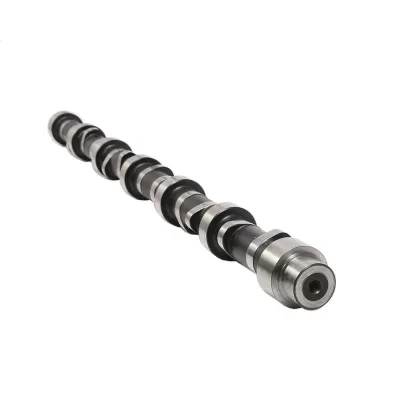


336D 330d C9 242-0673 242-0674 242-1787 2420673 2420674 2421787 Camshaft
$342.86 - $371.43
MOQ: 1 Pieces
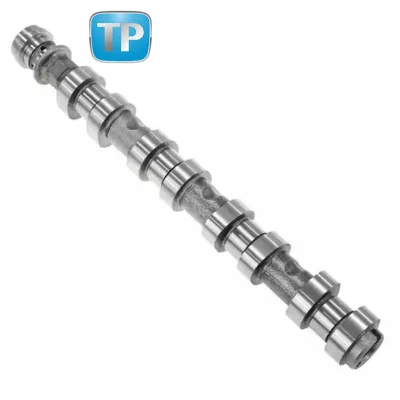


Durable Motor Camshaft for Consistent Performance in Various Conditions
$12.00 - $30.00
MOQ: 1000 Pieces


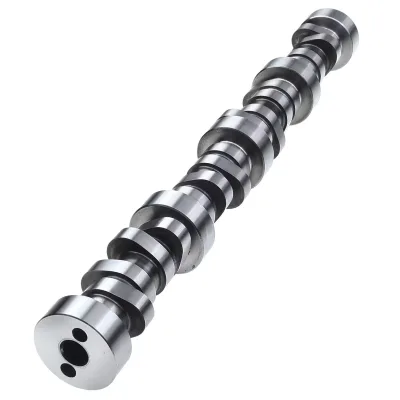
Comprehensive Sourcing Guide
Camshaft Sourcing Guide
Procuring camshafts requires a disciplined approach to aligning mechanical specifications with operational demands. Buyers must first identify the precise engine architecture, as camshafts are highly specialized components tailored to specific combustion cycles and valve train geometries. The market offers variants for diverse applications, including tractors and general diesel engines, where material integrity and dimensional accuracy are paramount. Understanding the distinction between crankshaft and Camshaft designs is critical, as confusion in terminology can lead to costly procurement errors.
Sourcing decisions should be guided by observed listing signals that reflect supplier capability and product authenticity. Current market data indicates a wide price range, suggesting significant variation in quality tiers, material grades, and manufacturing origins. Buyers should scrutinize product names and model numbers, such as those referencing specific engine parts or OE numbers, to ensure compatibility. The presence of customization options and OEM support signals a supplier’s ability to meet bespoke engineering requirements rather than offering only off-the-shelf generic replacements.
Product Scope and Observed Listing Signals
The current catalog of Camshaft listings reveals a strong emphasis on replacement and repair purposes for heavy-duty and industrial engines. Products are frequently described with high-quality descriptors and specific model identifiers, such as 1007408 or 3801769, which correspond to established engine part standards. These listings often highlight compatibility with major engine brands like Man and Mitsubishi, indicating a focus on the aftermarket service sector. Buyers should verify that the listed product name explicitly matches the required engine type, whether diesel or gasoline, to avoid mechanical incompatibility.
Observed packaging and shipping details provide insight into the supplier’s logistical maturity and product protection standards. Many listings specify robust packaging methods, such as five-layer kraft cartons or neutral packing, designed to prevent damage during ocean freight transit. Container load capacities, such as 400 pieces per 20-foot container, help buyers calculate landed costs and storage requirements accurately. The mention of specific carton dimensions allows for precise palletization planning, ensuring that warehouse space is utilized efficiently and that the camshafts arrive in pristine condition ready for installation.
Technical Specifications to Verify
Material composition is the primary technical factor determining Camshaft durability and performance under high-stress conditions. Listings frequently cite steel as the base material, but buyers must verify the specific alloy grade and heat treatment processes used. The manufacturing technique, often listed as casting, requires close inspection for surface finish and internal integrity. Buyers should request detailed material certificates to confirm that the steel meets the tensile strength and hardness requirements necessary for the intended engine application, ensuring long-term reliability.
Dimensional accuracy and model specificity are equally critical for proper engine fitment. Specifications such as standard size or specific model numbers like NT855 must be cross-referenced with the engine’s technical manual. The Camshaft shape is a defining characteristic, and buyers must ensure the listing correctly identifies it as a Camshaft rather than a crankshaft, despite occasional labeling inconsistencies. Verifying the OE number against the supplier’s provided data is essential to guarantee that the lobes, journals, and bearing surfaces match the original equipment specifications exactly.
Compliance and Safety Documentation
Certification status serves as a baseline indicator of a supplier’s adherence to international quality management systems. Many Camshaft suppliers list certifications such as CE, ISO 9001, and ISO, which suggest a structured approach to manufacturing consistency and quality control. Buyers should request valid certification documents and verify their authenticity through the issuing bodies. These certifications do not guarantee individual part performance but indicate that the supplier operates within a framework that prioritizes standardized production processes and traceability.
Additional regulatory and industry-specific certifications may be required depending on the end-use application and regional regulations. Some listings mention certifications like CCS or BV, which may relate to specific industry standards or classification society requirements. Buyers must determine if these additional certifications are necessary for their specific market or regulatory environment. Ensuring that all documentation is up-to-date and relevant to the product type helps mitigate compliance risks and facilitates smoother customs clearance and installation in regulated industries.
Cost Drivers and Commercial Terms
Pricing in the Camshaft market varies significantly based on material quality, manufacturing complexity, and order volume. The observed price range from low-cost items to premium engineered parts reflects these differences. Buyers should analyze cost drivers beyond the unit price, including packaging costs, shipping methods, and potential tariffs. Understanding the total landed cost is essential for accurate budgeting, especially when dealing with international suppliers from regions like Zhejiang, China. Volume discounts and tiered pricing structures should be negotiated to optimize procurement costs for large-scale operations.
Commercial terms such as minimum order quantities (MOQ) and warranty provisions directly impact procurement flexibility and risk management. MOQs ranging from single units to thousands allow buyers to scale orders according to inventory needs, but higher volumes may be required for optimal pricing. Warranty terms, often listed as 12 months, provide a safety net against premature failure. Buyers should clearly define the scope of the warranty, including coverage for defects and return procedures, to ensure that financial risks are adequately mitigated in case of product non-conformance.
Supplier Qualification and Quality Control
Supplier qualification begins with verifying the origin and manufacturing capabilities of the provider. Listings indicating origins in China, particularly Zhejiang, suggest a concentration of manufacturing expertise in this region. Buyers should assess the supplier’s production capacity and quality control processes to ensure consistent output. Requesting samples before placing bulk orders is a prudent step to evaluate physical quality, packaging integrity, and documentation accuracy. This hands-on verification helps confirm that the supplier can meet the specific technical and commercial expectations of the buyer.
Quality control measures should be integrated into the procurement process to prevent defects from reaching the production line. Buyers should inquire about in-process inspections, final quality checks, and testing protocols employed by the supplier. The availability of OEM support and customization options indicates a supplier’s ability to adapt to specific engineering requirements. Establishing clear communication channels for technical queries and issue resolution is vital for maintaining a productive supplier relationship and ensuring that any deviations from specifications are addressed promptly.
Long-Term Procurement Checks
Establishing a reliable supply chain for camshafts requires ongoing monitoring of supplier performance and product consistency. Buyers should track key performance indicators such as on-time delivery rates, defect rates, and responsiveness to technical inquiries. Regular audits of supplier quality systems and production facilities can help identify potential issues before they impact operations. Building a relationship with suppliers who offer continuous support and adaptability ensures that procurement needs are met efficiently over time, reducing the risk of supply chain disruptions.
Continuous improvement in procurement practices involves staying informed about market trends and technological advancements in Camshaft manufacturing. Buyers should periodically review their specifications and requirements to ensure they align with the latest engine technologies and efficiency standards. Engaging with suppliers for feedback on product performance and potential improvements can lead to better specifications and cost savings. By maintaining a proactive approach to supplier management and quality assurance, buyers can secure a stable supply of high-quality camshafts that support their operational goals.
FAQs
How can I verify the quality of a Camshaft before ordering?
Request the material specification, inspection reports, and applicable certifications such as CE or ISO 9001 before ordering. Many listed camshafts are made of steel using casting technics, so confirm the steel grade and hardness treatment. Ask for a sample when available, since sample availability is offered on some listings, and inspect dimensions against the standard size before placing a bulk order.
What certifications do Camshaft suppliers typically hold?
Listed Camshaft products commonly carry CE certification, and some listings reference ISO 9001, ISO, or CCS and BV certification. Certification coverage varies by product, so always request the valid certificate for the exact model you intend to buy. Verify the certificate scope matches your application, such as tractor or diesel engine use, and confirm it remains current at the time of purchase.
Can camshafts be customized to specific engine requirements?
Yes, customization is available on listed Camshaft products, and customized OEM support is offered. Provide your engine model, required OE number such as 1007408 or 3801769, and technical drawings when applicable. Some listings state the standard is set by customer needs, so expect the manufacturer to confirm specifications, tolerances, and branding requirements before production begins on customized orders.
What is the typical warranty period for Camshaft products?
Listed Camshaft products carry a 12-month warranty, which generally covers manufacturing defects under normal operating conditions. Confirm the warranty terms in writing, including what documentation is required for claims and whether it applies to customized items. Keep installation and usage records, since misuse or improper installation may void coverage, and clarify warranty handling before confirming your order.
How are camshafts packed and shipped for export orders?
Packaging options include five-layer kraft cartons, carton and pallet packing, and neutral packing for some listings. One listing cites a carton dimension of 505 by 420 by 495 millimeters with 400 pieces per 20gp container, and ocean freight is used for shipment. Confirm the exact packing method and container loading plan with your supplier before production to protect the shafts during transit.
What applications are these camshafts suitable for?
Listed camshafts are applied to tractors and diesel engine parts, with some products designed for diesel and gasoline engine types. Model numbers such as NT855, 1007408, and 3801769 correspond to specific engine applications, so match the OE number to your engine before ordering. Confirm engine brand compatibility, since some listings reference brands like Man and Mitsubishi.
Which factors should I compare when sourcing camshafts from China?
Compare material quality, certification such as CE or ISO 9001, customization capability, warranty terms, and packaging suitable for ocean freight. Most listings originate from China, including Zhejiang, so evaluate supplier responsiveness and sample availability as well. Request quotations based on the exact model and OE number you need, and confirm lead times and container loading quantities for your destination port.
Can I order Camshaft samples before committing to bulk quantities?
Yes, samples are available on some Camshaft listings, allowing you to inspect material, machining quality, and dimensions before bulk purchase. Confirm whether sample fees and shipping costs apply, as terms vary by supplier. Test the sample against your engine requirements, then use it as a quality benchmark when the mass production batch is delivered to ensure consistency.