Source Car Key Model Parts for Locks, Remotes, and Shells
Find 29 Car Key Model options including ABS shells, brass locks, and remote controls. Compare specifications for BMW, Mercedes, and Toyota vehicles. Source customized key blanks and lock cylinders with OEM support for automotive repair and manufacturing needs; compare the available evidence and request quotations based on your requirements.
Key considerations
Products List


Locksmith Vehicle Keys Replacement Brand Universal Models Car Key Blank
$7.90 - $14.80
MOQ: 1000 Pieces

Remote Control Car 4 Button Remote Control Car Smart Key Remote Control Car Key
$1.50 - $3.00
MOQ: 1000 Pieces


Locksmith Suppliers Metal Blank Key for House Key Customize Multiple Models
$0.07 - $0.10
MOQ: 5000 Pieces

Locksmith Suppliers Metal Blank Key for House Key Customize Multiple Models
$0.06 - $0.09
MOQ: 20000 Pieces


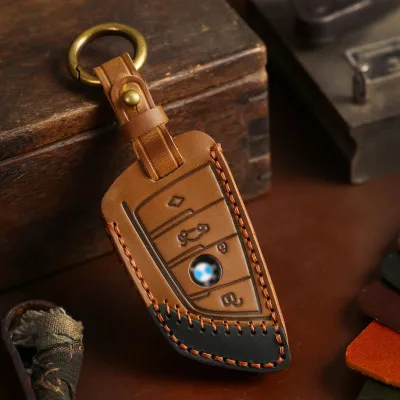
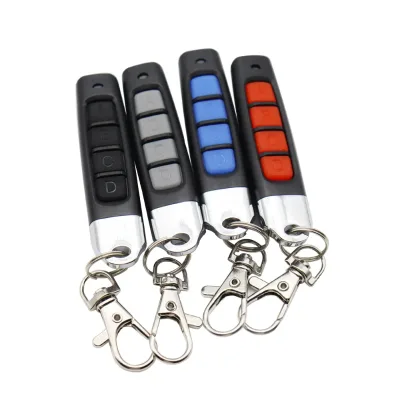


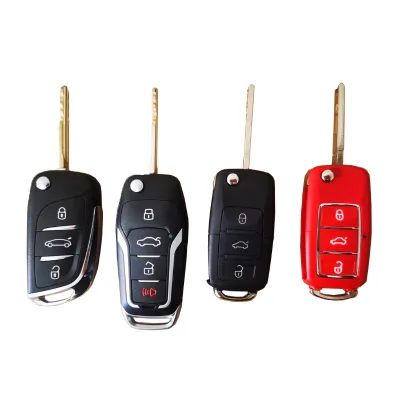
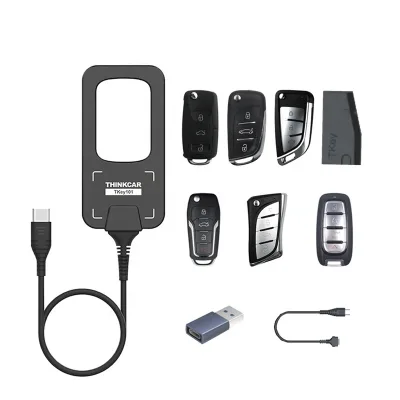

Comprehensive Sourcing Guide
Car Key Model Sourcing Guide
Sourcing car key models requires a clear distinction between functional remote units and structural key shells, as the supply chain often blends these categories. Buyers must first determine whether they need a complete electronic assembly or a blank housing for customization. The observed market includes products labeled as smart remote keys with protection functions, as well as simple ABS shells designed for mechanical lock cylinders. Understanding this dichotomy is critical for defining technical requirements and avoiding miscommunication with suppliers who may use generic terminology for distinct product types.
Procurement teams should also evaluate the intended vehicle brand compatibility, as listings frequently claim support for major manufacturers like BMW, Mercedes-Benz, and Toyota. However, these claims often refer to the shell’s aesthetic design rather than electronic compatibility. Buyers must verify if the product includes a transponder chip or circuit board or if it is merely a physical key blank. This distinction dictates the subsequent steps for programming, coding, and integration into the vehicle’s immobilizer system, ensuring that the purchased component actually functions within the target automotive ecosystem.
Product Scope and Observed Listing Signals
The current market landscape for car key models shows a wide variance in material composition and structural design. Listings indicate the use of ABS plastic for shells, often combined with metal components for durability, while some entries specify brass for lock cylinders. Buyers should observe that product attributes such as "High Quality" are subjective marketing terms rather than verified technical specifications. It is essential to rely on tangible details like the number of buttons, which can range from two to five, and the specific lock cylinder style, such as fire-resistant or triple-row anti-dialing designs, to assess suitability for the intended application.
Shipping and packaging data provide additional context for logistical planning. Products are typically packed in cartons measuring approximately 26x16x18 cm, suitable for standard transportation methods including vessel, air, and express services. The observed minimum order quantities vary significantly, ranging from single items to twenty thousand pieces, depending on whether the item is a standard shell or a customized remote. Buyers must align their order volume with the supplier’s production capabilities, noting that shipping times are contingent upon the specific type and quantity ordered, which can impact inventory management and time-to-market strategies.
Technical Specifications to Verify
Technical verification begins with the physical dimensions and structural integrity of the key model. Buyers should confirm the thickness of the key shell, which typically ranges from 1.8mm to 3mm, to ensure it fits the vehicle’s ignition or door mechanism without binding. The blade type is another critical specification, with options including uncut blanks, groovy keys, or triplex row anti-dialing keys. For mechanical keys, the key level is often cited as C, while lock cylinders may be rated as Super B. These classifications affect security and durability, so buyers must match these technical parameters to the specific security requirements of the target vehicle fleet.
Electronic and functional specifications require equal scrutiny, particularly for remote key models. Buyers must verify the connector type, which is often listed simply as "Button," and confirm the presence or absence of a button battery. Some products are described as having protection functions, implying they may include circuitry for signal transmission, while others are purely mechanical. The customization options for logos and button layouts are available, but buyers should request detailed diagrams to ensure the button placement aligns with ergonomic standards and vehicle-specific interface requirements.
Compliance and Safety Documentation
Compliance in the automotive accessories sector often involves verifying that materials meet environmental and safety standards. Listings may claim products are eco-friendly, but buyers should request documentation to substantiate this, such as RoHS compliance certificates for electronic components or REACH compliance for plastic materials. Since many key shells are made from ABS and metal alloys, ensuring that these materials are free from hazardous substances is crucial for markets with strict environmental regulations. Buyers should not assume compliance based on product descriptions alone but must actively seek out test reports from accredited laboratories.
Safety documentation also extends to the mechanical integrity of the lock cylinders and key blades. For products claiming fire-resistant lock styles or high-security key levels, buyers should inquire about stress testing and durability certifications. While specific standards are not always listed, reputable suppliers should be able to provide evidence that their products withstand standard wear and tear tests. This is particularly important for commercial fleets where key failure can lead to significant operational disruptions. Verifying these safety aspects helps mitigate liability and ensures that the sourced components meet the expected performance benchmarks.
Cost Drivers and Commercial Terms
Cost structures for car key models are influenced by material costs, customization complexity, and order volume. The observed price range is broad, reflecting the difference between simple plastic shells and complex electronic remotes. Buyers should note that customization, such as adding a specific logo or altering the button layout, often incurs additional setup fees. The minimum order quantity of ten pieces for some items suggests that small-batch customization is feasible, but larger orders may benefit from economies of scale. Understanding these cost drivers allows buyers to negotiate more effectively and budget accurately for their procurement needs.
Commercial terms, including warranty and payment conditions, vary among suppliers. A one-year warranty is commonly offered, but buyers should clarify the scope of this coverage, including whether it covers manufacturing defects or user-induced damage. Shipping terms are also critical, as costs can escalate with express delivery options. Buyers should establish clear agreements on shipping methods and timelines, especially for urgent orders. Additionally, understanding the supplier’s policy on returns and replacements for defective units is essential for maintaining supply chain continuity and minimizing financial risk.
Supplier Qualification and Quality Control
Supplier qualification is paramount when sourcing car key models, given the potential for counterfeit or substandard components. Buyers should verify the supplier’s place of origin, with many manufacturers located in Zhejiang, China, a hub for automotive parts production. However, geographic location alone does not guarantee quality. Buyers should request samples to assess the fit, finish, and functionality of the key models before committing to large orders. Checking the supplier’s history of OEM/ODM work can also provide insight into their manufacturing capabilities and attention to detail.
Quality control processes should be explicitly defined in the procurement agreement. Buyers should inquire about the supplier’s inspection procedures, including incoming material checks and final product testing. For electronic keys, verifying the functionality of each unit before shipment is crucial. Buyers may also consider third-party inspection services to ensure that the delivered goods match the approved samples. Establishing clear quality benchmarks and acceptance criteria helps prevent disputes and ensures that the sourced components meet the required standards for performance and reliability.
Long-Term Procurement Checks
Long-term procurement success depends on establishing a robust relationship with suppliers who can provide consistent quality and support. Buyers should monitor supplier performance over time, tracking metrics such as on-time delivery rates and defect frequencies. Regular communication is essential to address any emerging issues promptly and to discuss potential product updates or improvements. Suppliers who accept OEM key blanks and offer customization options can be valuable partners for developing proprietary key solutions, provided they maintain high standards of quality and security.
As automotive technology evolves, buyers must stay informed about changes in key models, such as the shift towards smart keys and digital authentication. Maintaining a flexible procurement strategy allows buyers to adapt to these changes and source the most relevant products for their needs. Regularly reviewing the supplier’s product catalog and engaging in discussions about future trends can help buyers stay ahead of market shifts. By prioritizing long-term partnerships and continuous improvement, buyers can ensure a reliable supply of car key models that meet their evolving operational requirements.
FAQs
What materials are used for Car Key Model shells?
The Car Key Model shells are primarily constructed from ABS plastic or a combination of ABS and metal. This material selection ensures durability and resistance to daily wear. Some variants also utilize brass for specific components. The choice of material supports the structural integrity required for mechanical car locks and remote key storage applications.
Can I customize the logo on the Car Key Model?
Yes, customized logos are available for the Car Key Model. Buyers can request specific branding to be applied to the product surface. This customization service allows for unique identification and brand alignment. The process is supported by the manufacturer's OEM and ODM acceptance policies, ensuring tailored solutions for various business needs.
What is the minimum order quantity for car key models?
The minimum order quantity for car key models is typically 10 pieces. However, this requirement can vary according to the specific types and models requested. Some configurations may allow for an MOQ of just one piece. Buyers should verify the exact MOQ based on their chosen product specifications and customization requirements before placing an order.
Which vehicle brands are compatible with these car key models?
These car key models are compatible with a wide range of vehicle brands including BMW, Mercedes Benz, Nissan, Chevrolet, Toyota, Volkswagen, Porsche, Opel, and Smart. The design supports mechanical car lock types and serves as a key part for various automotive applications. Compatibility depends on the specific model number and key blank type selected.
How long is the warranty period for the Car Key Model?
The warranty period for the Car Key Model is one year. This coverage ensures quality assurance for the product's functionality and durability. The manufacturer guarantees high quality standards for the supplied items. Buyers receive this warranty protection to safeguard their investment against potential defects or performance issues during the specified timeframe.
What shipping methods are available for Car Key Model orders?
Shipping methods for Car Key Model orders include vessel, air, and express delivery. The shipping time depends on the type and quantities of the products ordered. These options provide flexibility for different logistical needs and urgency levels. Buyers can select the most suitable method based on their location and delivery timeline requirements.