Source Car Key Case for Universal Fit, Silicone Protection, and OEM Customization
Compare 30 Car Key Case options featuring silicone materials, alloy components, and universal fitment for various vehicle brands. Buyers can evaluate customization availability, production capacity, and packaging details from suppliers in China.
Key considerations
Products List


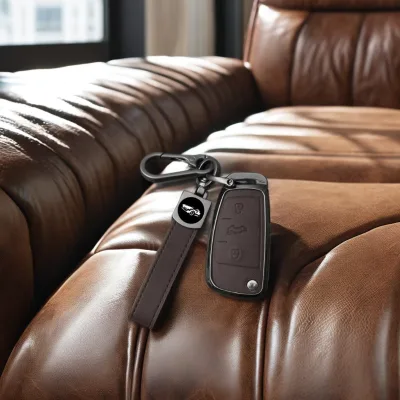
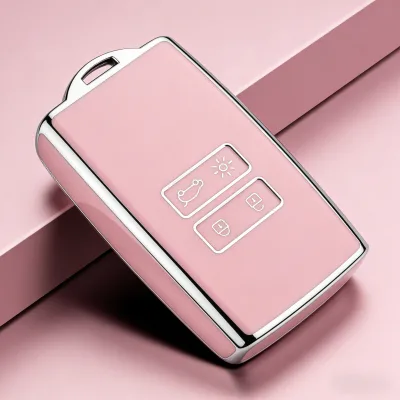
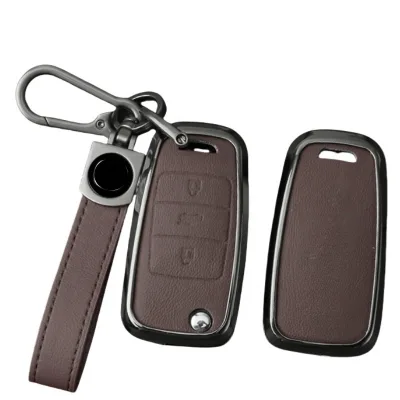
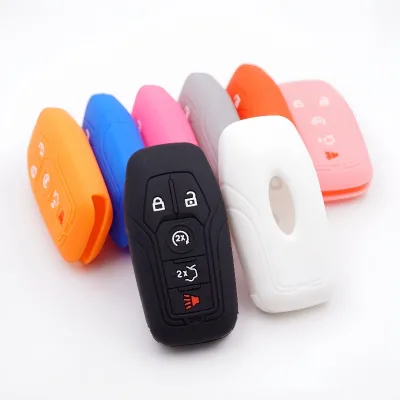
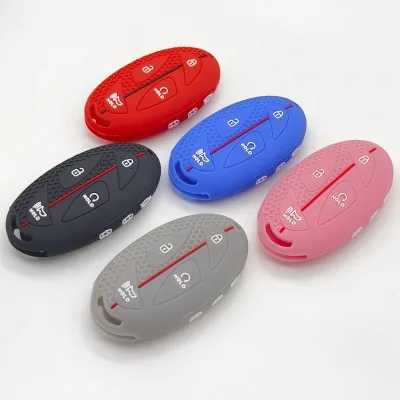
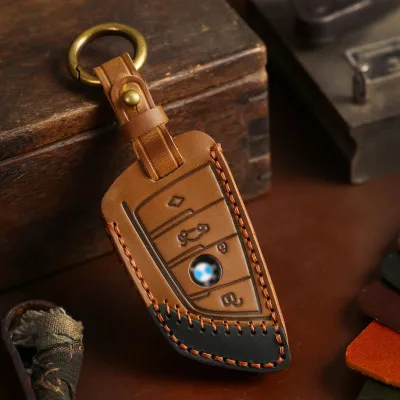
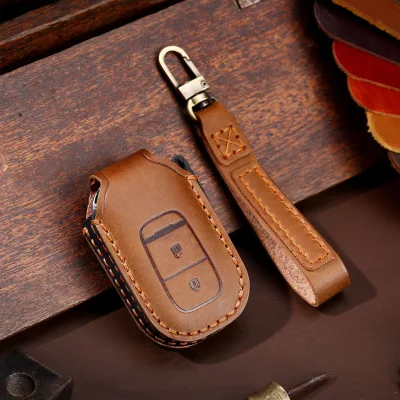
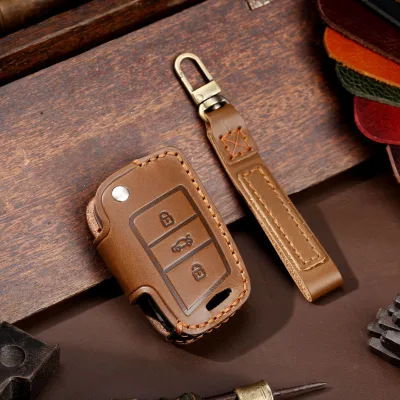
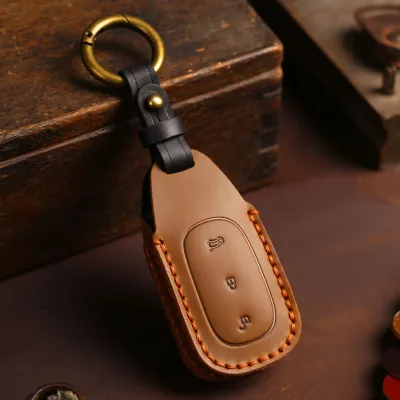


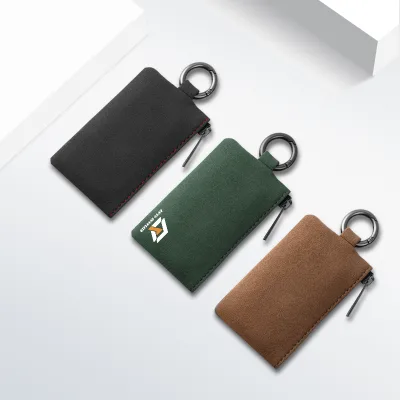
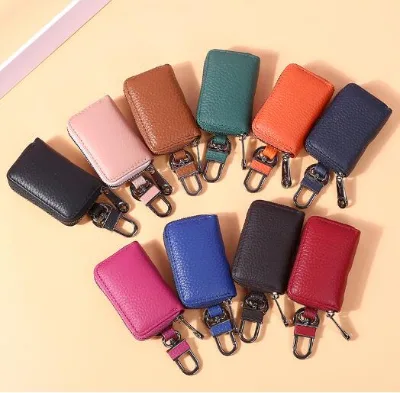


Comprehensive Sourcing Guide
Car Key Case Sourcing Guide
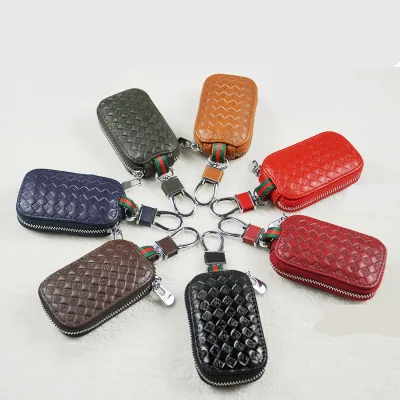
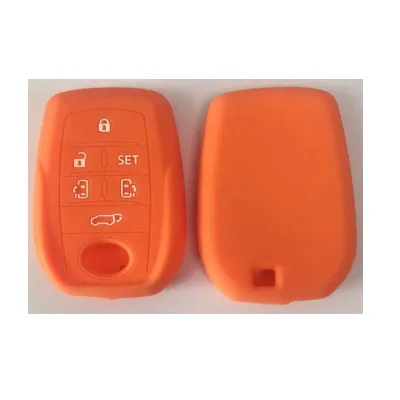
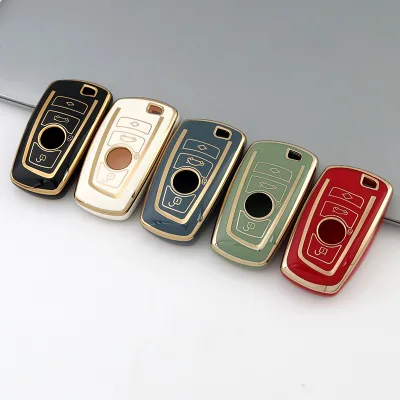
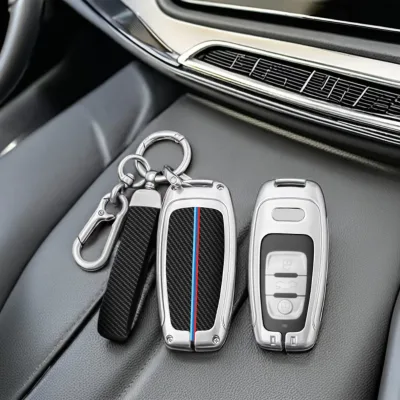
The global market for Car Key Case accessories has expanded significantly as vehicle owners seek to protect their electronic keys from physical damage, scratches, and environmental exposure. Based on observed listing signals, the primary application for these products is to serve as a protective cover for original car keys, ensuring the integrity of the key fob while offering a customized aesthetic. Buyers should note that the product scope includes silicone-based cases designed to fit a wide range of vehicle models, with specific listings indicating a "Universal" fitment capability that accommodates various key shapes and sizes.
Procurement strategies must account for the diversity in product models and customization options available in the current supply chain. Listings reveal a variety of model identifiers, such as CMZ, CMV01, and CSP24, suggesting that suppliers offer distinct SKUs to match different key geometries. The availability of customization services allows buyers to tailor the product to specific branding needs or functional requirements, while the "Pack as Roll" and "Poly Bag Packing" options indicate flexibility in logistics and inventory management for different order volumes.
Product Scope and Observed Listing Signals
Buyers analyzing the market should recognize that the core product category encompasses silicone key bags and alloy components, with the material composition being a primary differentiator. The observed data highlights "SILICONE" as a dominant material, offering flexibility and durability, while other listings reference "Alloy" construction, which may imply a hybrid design or a different product tier entirely. This distinction is critical for buyers who need to match the tactile feel and protective qualities of the case to the specific requirements of their target customer base, as the material choice directly influences the product's resistance to impact and wear.
The visual and functional attributes of the listed products vary, with color options ranging from standard black to a broader palette of twelve colors or regular two-color configurations. While some listings specify a "Black" color, others indicate a wider selection, allowing for brand differentiation or consumer preference alignment. The functional scope is strictly defined by the purpose of protecting the car key, with features explicitly marketed as "Protect Car Key" and "Car Key Case," ensuring that the product remains focused on its primary utility rather than expanding into unrelated accessory categories.
Technical Specifications to Verify
When evaluating technical specifications, the physical dimensions and fitment tolerances are paramount to ensure the case functions correctly with the intended key fob. Listings specify sizes such as "Fit Original Car Key" and "standard," alongside single package dimensions of 5x5x5 cm, which buyers must cross-reference with the actual dimensions of the keys they intend to cover. Verification of the "Thickness" attribute is also essential, as observed values range from 0.45mm to custom or normal options, directly impacting the bulkiness of the key and the ease of carrying it in a pocket or purse.
Material density and weight are additional technical factors that influence the perceived quality and usability of the Car Key Case. Observed data points to a density of 230 for certain products and a single gross weight of 0.100 kg, which helps buyers estimate the final product weight for shipping calculations and customer expectations. Furthermore, the production capacity of suppliers, noted as 50,000 pieces per month, serves as a proxy for their ability to handle volume orders without compromising on the consistency of these physical specifications.
Compliance and Safety Documentation
While the supplied facts do not explicitly list specific safety certifications, buyers must verify that the silicone and alloy materials used comply with relevant regional safety standards for consumer goods. The origin of the products, primarily from Shenzhen and Guangdong, China, suggests a manufacturing hub with established export channels, but this does not automatically guarantee compliance with international safety regulations. Procurement teams should request documentation confirming that the materials are free from harmful substances, particularly since these items are handled frequently and may come into contact with skin or other personal items.
Documentation regarding the production process and quality assurance is equally critical for mitigating liability and ensuring product reliability. Although specific test results are not provided in the listing data, the claim of "Great Quality" necessitates a request for internal quality control reports or third-party testing data. Buyers should ensure that the supplier can provide evidence of consistent manufacturing standards, particularly regarding the durability of the silicone or alloy components under repeated use, to validate the performance claims made in the product descriptions.
Cost Drivers and Commercial Terms
The commercial landscape for car key cases is influenced by a wide range of Minimum Order Quantities (MOQ), observed between 1 and 1000 units, which allows for flexibility in sourcing strategies for both small startups and large retailers. The price range observed in the market spans from 0.38 to 6 USD, indicating that cost is heavily dependent on the material composition, customization level, and order volume. Buyers must carefully balance the unit price against the MOQ to determine the most cost-effective strategy, as lower prices often correlate with higher volume commitments or less complex customization options.
Production lead times and packaging requirements are significant factors that affect the total cost of ownership and supply chain efficiency. Listings indicate a production time of about 10 days, which buyers should factor into their inventory planning to avoid stockouts. Additionally, the choice between "Pack as Roll" and "Poly Bag Packing" can impact shipping costs and storage requirements, with bulk packaging potentially offering economies of scale for large orders while individual poly bags may be necessary for retail-ready products.
Supplier Qualification and Quality Control
Supplier qualification should begin with a verification of their production capacity and geographic location, as the data points to a concentration of manufacturers in Guangdong and Shenzhen. These regions are known for their robust manufacturing ecosystems, but buyers must confirm that the specific supplier has the infrastructure to maintain the claimed production rate of 50,000 pieces per month. Consistency in output is vital for maintaining supply chain stability, and buyers should assess the supplier's ability to scale production up or down based on fluctuating market demand.
Quality control processes must be rigorously evaluated to ensure that the "Great Quality" claims translate into consistent product performance. Buyers should inquire about the supplier's inspection protocols for color consistency, material density, and fitment accuracy, as these are the primary attributes observed in the market. Given the variation in model numbers and specifications, a robust quality control system is essential to prevent defects such as poor fitment or material inconsistencies that could lead to customer returns and reputational damage.
Long-Term Procurement Checks
Sustaining a successful procurement relationship requires ongoing monitoring of the supplier's ability to maintain product specifications over time. Buyers should establish regular audits to verify that the material composition, such as the silicone or alloy content, remains consistent with the initial samples and that the production standards do not degrade as order volumes increase. This is particularly important given the wide range of model numbers and customization options, which can introduce variability if not strictly managed.
Long-term checks should also include an assessment of the supplier's responsiveness to market changes and their ability to adapt to new product requirements. As the market for car key cases evolves, suppliers may need to introduce new colors, materials, or designs to stay competitive. Buyers should ensure that their suppliers have the agility to support these changes without disrupting the supply chain, maintaining the balance between innovation and reliability that is essential for long-term business success.
FAQs
What materials are used for car key cases?
Car key cases are primarily manufactured using silicone or alloy materials. Silicone options provide flexibility and protection, while alloy versions offer a durable metallic finish. Buyers can select the material that best suits their aesthetic preferences and functional requirements for protecting original car keys.
Can car key cases be customized for specific brands?
Yes, customization is available for car key cases to fit various brands. The products support OEM branding and are designed to fit original car keys universally or for specific models. Buyers can request custom specifications to ensure the case aligns with their brand identity and functional needs.
What is the typical MOQ for ordering car key cases?
The minimum order quantity varies by supplier, typically ranging from 50 pieces to 1000 pieces. Some suppliers offer low MOQs starting at 50 pieces for trial orders, while others may require higher volumes. Buyers should verify the specific MOQ with the supplier before placing an order.
How long is the production time for car key cases?
Production time is approximately 10 days for standard orders. This timeline allows for manufacturing and quality control before shipping. Buyers should account for this lead time when planning inventory, especially for bulk orders or customized requests that may require additional processing time.
What packaging options are available for car key cases?
Car key cases are packaged in poly bags or rolls, depending on the product type. Standard packaging ensures safe transport and protection during shipping. Buyers can request specific packaging requirements to meet their distribution needs or retail presentation standards when coordinating with suppliers.
Where are car key cases typically manufactured?
Car key cases are primarily manufactured in China, with origins in Shenzhen and Guangdong. These regions are known for their robust manufacturing capabilities and supply chain efficiency. Buyers can source products directly from these locations to benefit from established production infrastructure and competitive pricing.