Source Car Key Shell for Lock Replacement, Auto Repair, and Customization
Explore 30 listings for Car Key Shell options featuring brass, steel, and zinc alloy materials. Buyers can compare single or double bolt structures, key levels, and customization availability for various automotive lock applications.
Key considerations
Products List


Universal Silicone Remote Key Car Cover Accessories Shell for Car Key Blanks
$0.40 - $0.45
MOQ: 500 Pieces


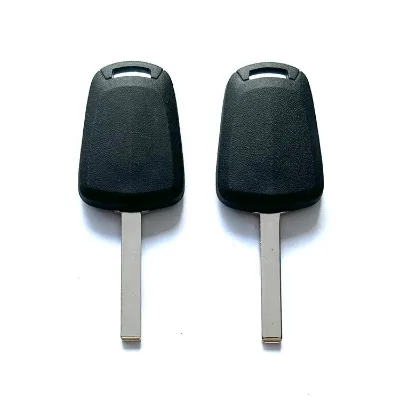
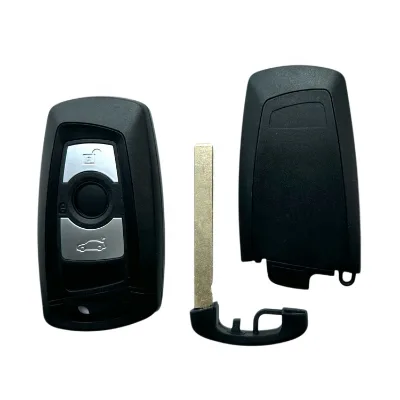
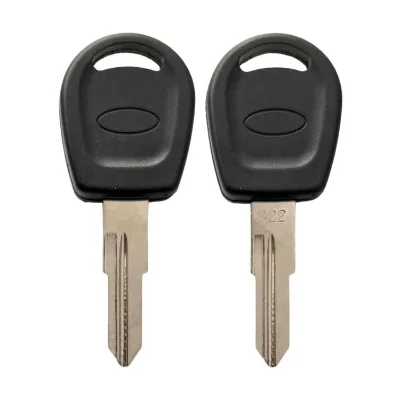
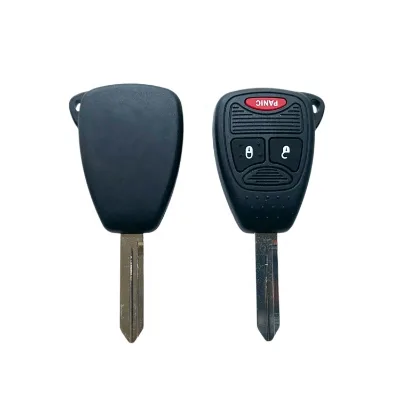
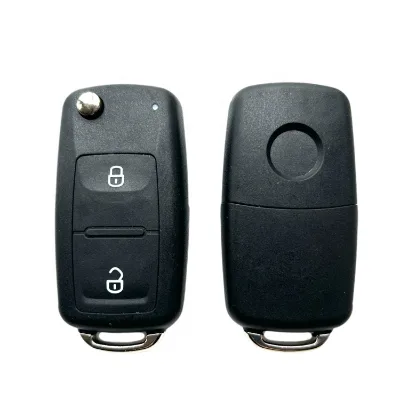


2+1 Button Remote Control Car Key Shell Locksmith Vehicle Key Case Shell with Logo
$7.90 - $14.80
MOQ: 1000 Pieces


Car Key Shell Vehicle Keys Multi- Buttons Concise Style Folding Key Case
$7.90 - $14.80
MOQ: 1000 Pieces


Best Price 2 Buttons Flip Key Shell for Car Flip Key Shell Without Logo
$0.08 - $0.20
MOQ: 5000 Pieces

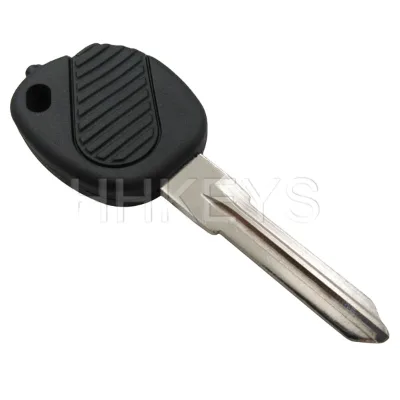
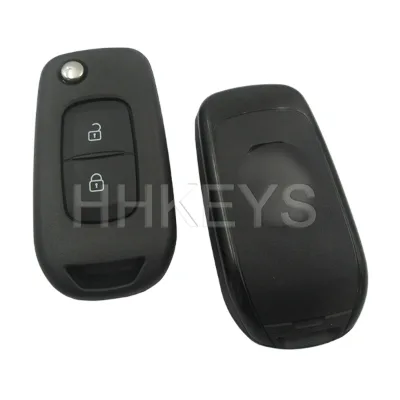
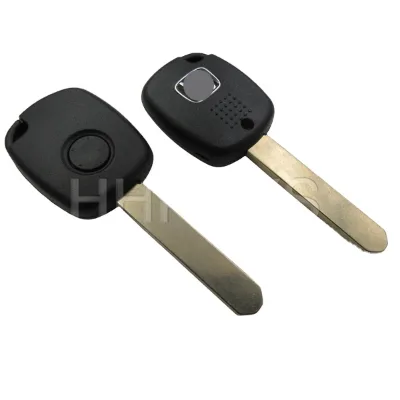
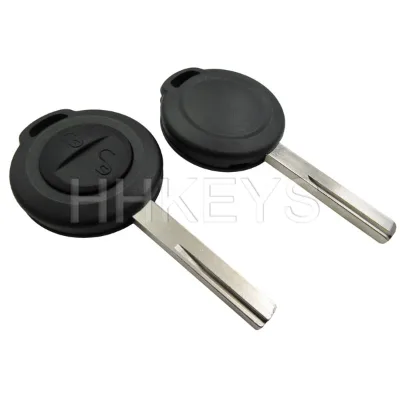
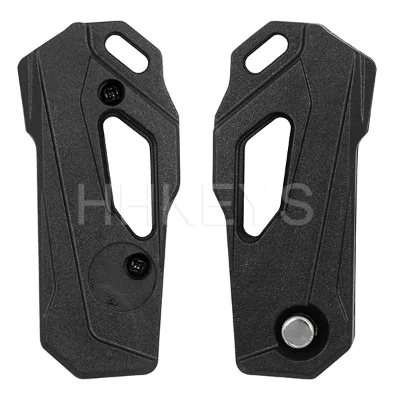


Comprehensive Sourcing Guide
Strategic Sourcing Guide for Car Key Shells
The global automotive aftermarket and original equipment manufacturing sectors rely heavily on the consistent supply of car key shells, also known as key cases or transponder housings. These components serve as the critical interface between the vehicle owner and the vehicle's security system. For procurement professionals, sourcing these items requires a nuanced understanding of material composition, mechanical specifications, and supply chain logistics. The market presents a diverse array of options, ranging from simple mechanical replacement shells to complex smart key casings with integrated electronics. This guide outlines the essential factors for evaluating suppliers and products, ensuring that procurement decisions are grounded in verified data and industry best practices.
Technical Specifications and Material Composition
The foundation of a reliable Car Key Shell lies in its material composition and structural integrity. The supplied product data indicates a primary reliance on brass, steel, and zinc alloy for raw materials. Brass is frequently cited for its corrosion resistance and machinability, making it a standard choice for high-durability mechanical keys. However, modern automotive trends have shifted toward composite materials, with "ABS+Metal" identified as a specific material style for smart key applications. This hybrid approach balances the structural rigidity of metal with the cost-effectiveness and design flexibility of engineering plastics.
When evaluating technical specifications, buyers must scrutinize the dimensions and thickness of the shell. Observed data suggests a thickness range of 1.7mm to 2.5mm, a critical parameter for ensuring the shell can withstand daily wear and tear without cracking. The surface treatment processes are equally vital; options such as nickel plating, painting, and gold finishing are available to enhance aesthetics and corrosion protection. Electroplating is also noted as a specific treatment method for certain models. The color options vary from standard black to fully customizable multi-color finishes, allowing buyers to match specific vehicle branding or aftermarket customization requests.
Furthermore, the internal structure of the lock body and key shell must align with the vehicle's security requirements. The data distinguishes between single bolt and double bolt structures, as well as single-row anti-dialing keys versus smart key configurations. The key level is a significant differentiator, with observations ranging from Level A to Level C, and lock cylinder levels reaching "Supper B." These classifications dictate the complexity of the key cutting and the security against unauthorized duplication. Buyers should verify that the specific model number, such as "Car Key" or "CAR (3)," corresponds precisely to the vehicle make and model they intend to service.
Compliance, Certification, and Regulatory Standards
In the automotive industry, compliance is not merely a suggestion but a mandatory requirement for market entry. The product data lists an HS Code of 8301700000, which classifies these items under locks and lock parts. This classification is essential for accurate customs declaration and duty calculation in international trade. However, beyond the HS code, buyers must verify that suppliers adhere to regional safety and environmental standards. While specific certification names are not explicitly detailed in the provided text, the mention of "Standard" as a category implies the existence of manufacturing protocols.
Buyers should request documentation regarding the environmental compliance of the raw materials, particularly the zinc alloy and ABS plastics used. Many regions require adherence to RoHS (Restriction of Hazardous Substances) and REACH regulations to ensure that the key shells do not contain prohibited levels of lead, mercury, or other hazardous chemicals. Additionally, the "Lock Cylinder Level" and "Key Level" claims must be supported by third-party testing results if the supplier markets the product as high-security. Without verified test data, these claims remain observations rather than guaranteed performance metrics.
The origin of the product is another compliance factor. The data indicates that products originate from Shandong, China (Mainland). While this is a major manufacturing hub, buyers must ensure that the specific factory has the necessary export licenses and quality management certifications, such as ISO 9001, to guarantee consistent production standards. The absence of specific certification names in the source data necessitates a proactive verification process where the buyer requests certificates of conformity before placing large orders.
Cost Drivers and Pricing Dynamics
The pricing of car key shells is influenced by a complex interplay of material costs, customization levels, and order volume. The observed price range in the market spans from $0.06 to $14.80 USD, a wide disparity that reflects the difference between basic mechanical shells and advanced smart key casings. The lower end of the spectrum typically corresponds to simple, uncut, single-row keys made from standard brass or zinc alloy with minimal surface treatment. Conversely, the higher price points are associated with smart key shells featuring multiple buttons (1 to 5 button models), electronic integration, and premium finishes like gold plating or custom colors.
Order volume is a primary driver of unit cost. The Minimum Order Quantity (MOQ) varies significantly, with observed values ranging from 100 to 10,000 units. Some suppliers offer an MOQ of 100 pieces, which is suitable for small-scale retailers or replacement parts distributors. Others require an MOQ of 5,000 units, which is more typical for large-scale OEM contracts or bulk aftermarket distribution. The "Supply Ability" of 6,500,000 pieces per month suggests that high-volume suppliers can accommodate large orders, but the unit price will likely decrease as the order quantity approaches these capacity limits.
Customization is another significant cost factor. The data confirms that customization is available for logos, colors, and potentially key levels. Custom logo printing and unique color matching often incur additional setup fees and higher per-unit costs compared to standard stock items. Buyers should also consider the cost of packaging; while some products come in simple bags (1-2 pcs/bag), others require specialized cartons (2000/2500 pcs/carton) or small boxes (100 pcs/small box). These packaging requirements can impact the overall landed cost, especially for air freight shipments where volume and weight are critical.
Typical Applications and Usage Scenarios
Car key shells serve a variety of applications, primarily falling into two categories: replacement for damaged keys and aftermarket customization. The "Usage" field explicitly states "Replace Car Key Case," indicating that a primary market segment is the automotive repair and maintenance industry. In this scenario, the key shell must be an exact fit for the internal transponder and battery of the original key. The "Uncut" blade specification is common for replacement shells, as the key cutting is typically performed by the locksmith or dealer after the shell is acquired.
Another significant application is the customization of key aesthetics. With options for "Multi Colors" and "Customized" logos, these shells are used by automotive accessory retailers to offer personalized key covers. The "Smart Key" functionality, supported by button models ranging from 1 to 5, caters to modern vehicles that require remote entry and engine start capabilities. In these cases, the shell must protect the internal electronics from moisture and impact while maintaining the signal integrity of the transponder.
The "Suitable for" attribute confirms that these products are designed specifically for car locks. However, the variety in "Lock Cylinder Style," such as "European Style," suggests that compatibility varies by region and vehicle manufacturer. Buyers must ensure that the specific model number matches the vehicle's key profile. For instance, a shell designed for a European-style lock may not fit a vehicle with a different keyway profile. The "Thickness" range of 1.7mm to 2.5mm also plays a role in fitment, as shells that are too thin may not secure the internal components properly, while those that are too thick may not close or fit into the ignition.
Supplier Evaluation and Supply Chain Logistics
Evaluating suppliers requires a focus on their production capacity, lead times, and logistical capabilities. The data indicates a "Supply Ability" of 6.5 million pieces per month, suggesting that capable suppliers have substantial manufacturing infrastructure. However, buyers should verify the actual production capacity of the specific factory to ensure it can meet their volume requirements without compromising quality. The "Lead Time" varies based on stock availability and order size. For stock items, delivery can be as fast as 7 to 15 days, while orders exceeding 100,000 pieces may require 35 days for production and delivery.
The "Sample" policy is another critical evaluation criterion. The data mentions that samples are "Free," which is a positive indicator for buyer confidence. However, buyers should clarify whether shipping costs for samples are covered by the supplier or the buyer. Additionally, the "Stock" status is described as "Always," implying a high level of inventory availability for standard models. This is advantageous for buyers who need to fulfill urgent orders or maintain a steady inventory without long wait times.
Packaging and shipping logistics are also important. The data specifies various packing standards, such as "1PC/Bag" for individual units and "2000/2500PCS in a Carton" for bulk shipping. The carton dimensions are noted as 432736cm, which is useful for calculating shipping volumes and freight costs. Buyers should ensure that the packaging is robust enough to prevent damage during transit, especially for products with delicate electronic components in smart key shells. The "Address" and "Origin" fields confirm the location as China (Mainland), which is a common manufacturing base, but buyers should verify the specific port of loading to optimize shipping routes.
Quality Control and Long-Term Procurement Considerations
Maintaining quality consistency is paramount in the Car Key Shell market. The "Surface Treatment" and "Material" specifications must be strictly controlled to prevent issues such as corrosion, cracking, or finish degradation. Buyers should implement a quality control plan that includes random sampling and visual inspection upon receipt of goods. The "Key Level" and "Lock Cylinder Level" claims should be validated through functional testing to ensure that the key operates smoothly and securely.
For long-term procurement, buyers should establish a relationship with suppliers who offer customization services. The ability to customize logos and colors allows buyers to differentiate their products in a competitive market. However, this requires clear communication of design specifications and approval processes to avoid errors. The "MOQ" flexibility is also a consideration; while some suppliers require high volumes, others offer lower MOQs, which can be beneficial for testing new products or managing cash flow.
Finally, buyers should monitor the supply chain for potential disruptions. The "Delivery Time" and "Lead Time" data suggest that production times can vary based on order size. Buyers should plan their inventory levels accordingly to avoid stockouts, especially for high-demand models. Regular communication with suppliers regarding production schedules and potential delays will help mitigate risks. By focusing on verified specifications, robust quality control, and flexible logistics, buyers can secure a reliable supply of car key shells that meet the demands of the automotive aftermarket.
FAQs
What materials are used for car key shells?
Car key shells are primarily made from brass, steel, and zinc alloy. Some smart key models utilize an ABS plus metal composite style to balance durability with design flexibility.
Can I customize the logo and color of the shell?
Yes, customization is available for both logos and colors. Buyers can select from multi-color options or request specific custom finishes to match vehicle branding requirements.
What is the minimum order quantity for these products?
The minimum order quantity varies between 100 and 5000 pieces depending on the specific model and supplier. Some standard items allow for smaller orders while bulk contracts may require higher volumes.
How long does delivery take for stock items?
Delivery for stock items typically takes 7 to 15 days. Larger orders exceeding 100,000 pieces generally require a lead time of 35 days for production and shipping.
Which key levels are available for car key shells?
Available key levels range from Level A to Level C, with some lock cylinders rated as Supper B. The specific level depends on the key structure and anti-dialing features.
What surface treatments are offered for the shells?
Surface treatments include nickel plating, painting, gold finishing, and electroplating. These processes enhance corrosion resistance and allow for various aesthetic finishes like black or custom colors.