Source Car Home FM Transmitter with Antenna for Car, Home, and Portable Use
Find and compare 30 Car Home FM Transmitter with Antenna options for vehicles, residences, and portable navigation. Evaluate specifications like impedance, cable length, and gain to select the right FM/AM or GPS signal receiver for your specific application needs.
Key considerations
Products List
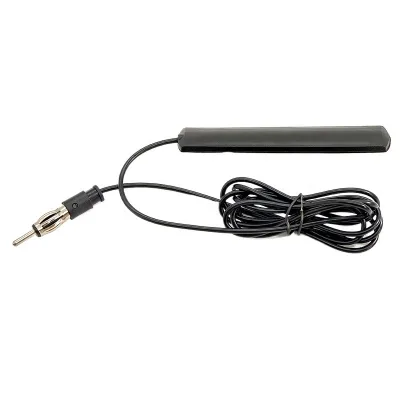
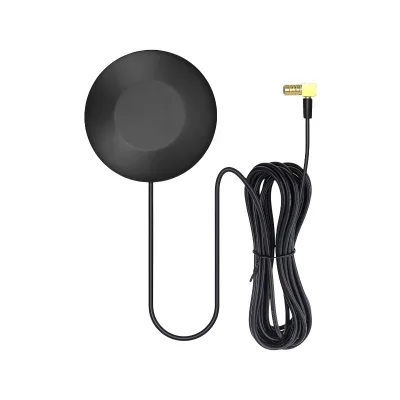
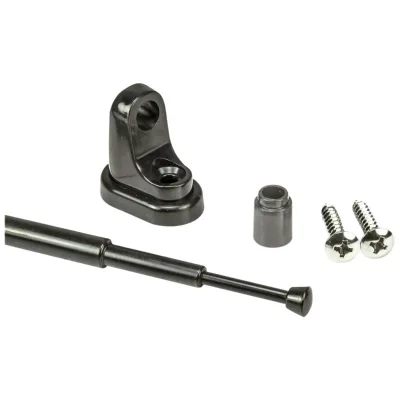
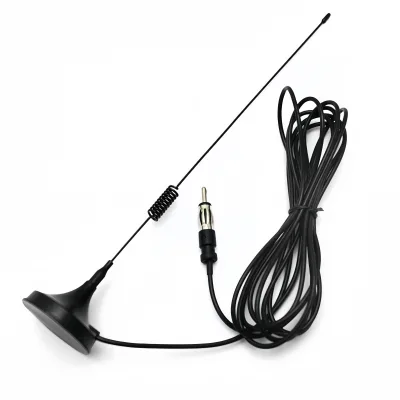
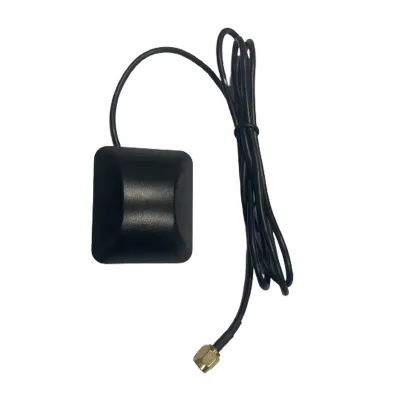


Fpv Transmission Antenna High-Power High Quality Transmission Car Antenna
$30.00 - $42.00
MOQ: 2 Pieces


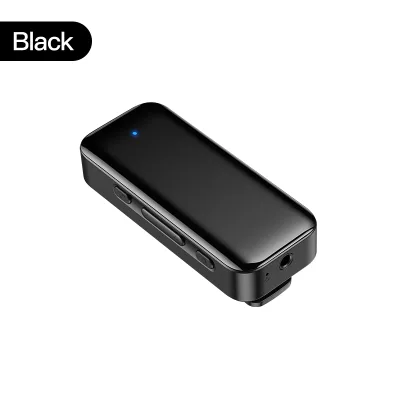
Portable Bluetooth MP3 Player Multi-Function Wireless Car FM Transmitter
$6.50 - $8.50
MOQ: 500 Pieces




Comprehensive Sourcing Guide
Car Home FM Transmitter with Antenna Sourcing Guide
Sourcing car and home FM transmitter systems with integrated antennas requires a nuanced understanding of signal propagation, impedance matching, and regulatory compliance. Unlike simple audio adapters, these devices function as active radio frequency (RF) components that must interface reliably with both vehicle electrical systems and external broadcast infrastructure. Buyers must distinguish between passive antenna elements and active transmission modules, as the latter introduces additional complexity regarding power consumption, heat dissipation, and electromagnetic interference (EMI). The procurement strategy should prioritize devices that offer clear separation between the transmission unit and the receiving antenna, particularly for applications requiring extended range or high-fidelity audio delivery in environments with significant RF noise.
The market for these products spans from basic consumer-grade accessories to specialized industrial or OEM solutions. Procurement teams often encounter listings that conflate simple FM transmitters with dedicated broadcast antennas, leading to specification mismatches. A robust sourcing guide must clarify that while the core keyword suggests a combined unit, high-performance applications frequently benefit from modular designs where the transmitter and antenna are optimized independently. This guide focuses on verifying the technical integrity of these components, ensuring that the impedance, gain, and frequency ranges align with the intended deployment environment, whether it be a personal vehicle, a fleet of commercial transport, or a stationary home installation.
Product Scope and Observed Listing Signals
The observed product landscape reveals a diverse array of FM and AM broadcast signal antennas, ranging from portable magnetic mounts to fixed-installation high-gain units. Listings frequently highlight specific model numbers such as BGLD-S75, BGLD-S74, and BGLD18, indicating a standardized product line often associated with brands like Bogelanda or generic OEM suppliers. These products are typically constructed from durable materials such as ABS plastic or general-purpose plastics, designed to withstand the thermal and mechanical stresses of automotive environments. The presence of keywords like "High-gain Car Radio Antenna" and "FM/AM Broadcast Signals" suggests that buyers are often looking for enhanced reception capabilities rather than just transmission functionality, highlighting a potential confusion in product categorization that must be resolved during the RFQ process.
Observed listing signals indicate a strong emphasis on versatility and universal fitment. Many products are marketed with a "Universal" car fitment attribute, implying compatibility with a wide range of vehicle types without requiring custom fabrication. The inclusion of specific cable lengths, such as 1.2 meters or 3 meters, provides critical information for installation planning, allowing buyers to assess whether the existing wiring harness in their target vehicles or installations is sufficient. Furthermore, the observation of "Indoor/Outdoor" positioning attributes suggests that these antennas are engineered for dual-purpose use, capable of maintaining signal integrity in both the shielded environment of a car interior and the exposed conditions of outdoor or home installations. Buyers should verify if the specific model supports the dual-band FM/AM spectrum or if it is tuned for a narrower frequency range, such as the 88-108 MHz band commonly used for FM broadcasting.
Technical Specifications to Verify
Impedance matching is the most critical technical parameter for ensuring efficient signal transfer between the transmitter, antenna, and receiver. The supplied data indicates a standard impedance of 50Ω or 50 Ohms for several listed models, which is the industry standard for most RF coaxial systems. Deviations from this standard can result in significant signal reflection and power loss, degrading audio quality or reducing transmission range. Buyers must explicitly verify that the antenna’s impedance matches the transmitter’s output impedance and the coaxial cable’s characteristic impedance. Additionally, the Voltage Standing Wave Ratio (VSWR) is a key performance indicator; observed values such as ≤1.5 or 2 suggest varying levels of efficiency, with lower VSWR values indicating better impedance matching and less reflected power. Procurement teams should request VSWR curves across the operating frequency range to ensure consistent performance.
Frequency range and antenna gain are equally vital for determining the effective range and clarity of the FM transmission. While some products specify a frequency range of 88-108 MHz, which aligns with standard FM broadcast bands, others may support AM frequencies as well, requiring verification of the specific band coverage. The observed "Antenna gain" of 5DBI for certain models indicates a directional or semi-directional performance characteristic that can enhance signal strength in a specific orientation. For omnidirectional applications, such as general car radio reception, a lower gain with uniform coverage might be preferable. Buyers should also consider the operating temperature range, with observed specifications citing -40°C to +85°C, ensuring the device can withstand extreme heat under a car dashboard or cold in winter driving conditions without component failure or signal drift.
Compliance and Safety Documentation
Regulatory compliance is non-negotiable for FM transmitters, as they operate in a heavily regulated spectrum. In many jurisdictions, low-power FM transmitters are permitted only under strict power limits to prevent interference with licensed broadcast stations and aviation communications. Buyers must ensure that the sourced devices comply with local radio frequency regulations, such as those enforced by the FCC in the United States or CE in Europe. Although CE certification is mentioned in the background data, it is a low-confidence attribute that requires independent verification. Procurement teams should request valid test reports from accredited laboratories to confirm that the device’s output power, frequency stability, and spurious emissions fall within legal limits. Relying solely on supplier claims without documented proof can lead to customs seizures or legal liabilities.
Safety documentation extends beyond RF compliance to include electrical safety and material hazards. Since these devices are often installed in vehicles, they must meet automotive electrical standards to prevent short circuits, overheating, or fire hazards. Buyers should verify that the power input specifications match the vehicle’s electrical system, typically 12V DC for cars, and that the device includes appropriate fusing or protection circuits. Additionally, the materials used in the antenna construction, such as ABS plastic, should be evaluated for flammability and durability. For home installations, ensuring that the device meets general consumer electronics safety standards is essential. Procurement teams should ask for declarations of conformity and material safety data sheets (MSDS) to ensure that all components are safe for long-term use in enclosed spaces.
Cost Drivers and Commercial Terms
The cost of FM transmitters with antennas is influenced by several factors, including the complexity of the RF circuitry, the quality of the antenna elements, and the level of customization required. Products with higher gain antennas, wider frequency ranges, or specialized interfaces (such as USB for GPS integration) typically command higher prices. The observed price range of $0.9 to $4000 USD reflects this disparity, with basic passive antennas at the lower end and complex active systems or bulk OEM orders at the higher end. Buyers should analyze the cost structure to understand whether the price includes the transmitter unit, the antenna, and any necessary cabling or connectors. It is also important to consider the total cost of ownership, including potential maintenance or replacement costs for components that may degrade over time due to environmental exposure.
Commercial terms, particularly Minimum Order Quantity (MOQ) and lead times, play a significant role in the procurement strategy. Observed MOQs range from 1 piece for sample orders to 500 pieces for bulk production, with common thresholds at 10, 20, or 100 pieces. These variations allow buyers to scale their orders based on demand forecasts and budget constraints. Lead times, observed to be between 7 and 15 days, suggest a relatively agile supply chain, but buyers should confirm whether this timeframe applies to stock items or custom orders. Payment terms, warranty periods (often 1 year), and return policies should be clearly defined in the contract. Buyers should also inquire about packaging options, such as carton packing, to ensure that the products are protected during shipping and storage, minimizing the risk of damage before installation.
Supplier Qualification and Quality Control
Supplier qualification is essential to mitigate the risks associated with low-quality RF components. Buyers should prioritize suppliers with a proven track record in manufacturing automotive or consumer electronics accessories. Verification of the supplier’s production capabilities, including their quality management systems and testing facilities, is crucial. The observed "Place of Origin: Guangdong, China" indicates a major manufacturing hub for these products, but buyers should not assume quality based on location alone. Instead, they should request evidence of the supplier’s ability to maintain consistent impedance, VSWR, and frequency performance across production batches. Audits, either virtual or on-site, can provide valuable insights into the supplier’s manufacturing processes and quality control protocols.
Quality control measures should be explicitly defined in the procurement agreement. Buyers should insist on pre-shipment inspections that include functional testing of the FM/AM reception and transmission capabilities. Key tests should verify the antenna’s gain, impedance matching, and durability under thermal cycling. For products claiming specific performance metrics, such as a 5DBI gain or a VSWR of ≤1.5, buyers should require test reports from independent third-party laboratories. Additionally, buyers should establish clear acceptance criteria for cosmetic defects, packaging integrity, and labeling accuracy. Implementing a sampling plan for incoming quality control (IQC) can help detect defects early in the supply chain, reducing the risk of deploying faulty units to end-users.
Long-Term Procurement Checks
Long-term procurement success depends on the ability to monitor supplier performance and adapt to changing market conditions. Buyers should establish key performance indicators (KPIs) to track supplier reliability, including on-time delivery rates, defect rates, and responsiveness to technical queries. Regular reviews of these metrics can help identify potential issues before they escalate into major supply chain disruptions. Furthermore, buyers should maintain open communication with suppliers to stay informed about product updates, new models, or changes in regulatory requirements. This proactive approach ensures that the sourced products remain compliant and competitive in the market.
Technology evolution in the FM and RF sector also necessitates ongoing evaluation of product relevance. As digital audio and streaming services become more prevalent, the demand for traditional FM transmitters may shift. Buyers should assess whether the current product lineup aligns with future market trends, such as the integration of Bluetooth or USB connectivity. Additionally, buyers should monitor the availability of spare parts and components to ensure long-term support for installed units. By maintaining a flexible and informed procurement strategy, buyers can mitigate risks and ensure that their sourcing decisions continue to meet the evolving needs of their customers or internal operations.
FAQs
What is the warranty period for these car antennas?
The warranty period is 1 year for the listed models. This coverage applies to the Bogelanda brand antennas and other OEM variants found in the product catalog.
Can I find antennas with a 50 Ohm impedance?
Yes, several models feature a 50 Ohm impedance specification. This standard value ensures compatibility with most car radio systems and FM/AM broadcast receivers.
Which model numbers are available for FM antennas?
Available model numbers include BGLD-S75, BGLD-S74, BGLD18, and BGLD-S57. These models cover various lengths and gain specifications for different vehicle types.
How long is the delivery time for these products?
The delivery time ranges from 7 to 15 days. This lead time applies to orders placed with suppliers located in Guangdong, China.
What is the minimum order quantity for these items?
Minimum order quantities vary between 10 and 100 pieces depending on the specific model. Some items require 10 pieces while others like the BGLD-S74 require 100 pieces.
Are these antennas suitable for indoor and outdoor use?
Yes, the products are designed for both indoor and outdoor positions. This versatility allows them to be used in various environments for car or home radio applications.
What material are the car antennas made from?
The antennas are constructed from ABS plastic or general plastic materials. This durable material ensures longevity and resistance to environmental factors during operation.