Source Card Feeder and Labeling Machine for Food, Cosmetics, Chemical
Find and compare 30 Card Feeder and Labeling Machine options from verified Chinese manufacturers. These automatic electric units support applications in food, cosmetics, and chemical sectors with customizable features and CE certification.
Key considerations
Products List


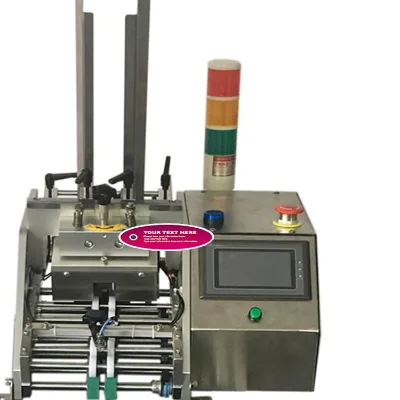
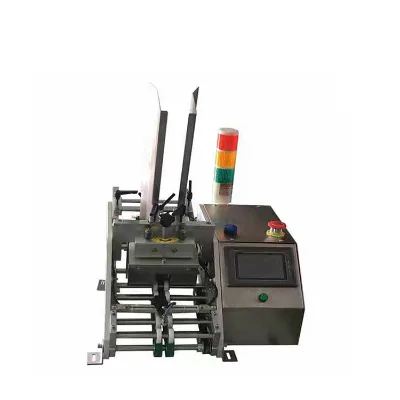


Corrugated Cardboard Paper For Printing Machine Automatic Feeder machine
$2100.00 - $3500.00
MOQ: 1 Sets
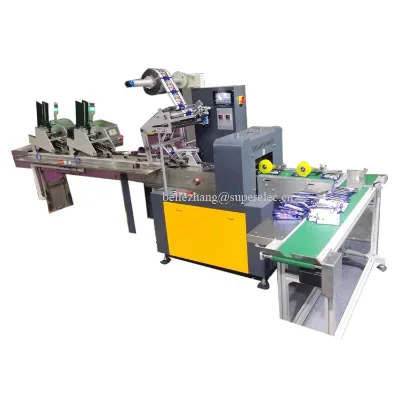
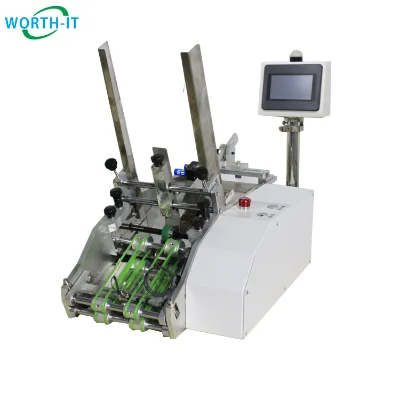
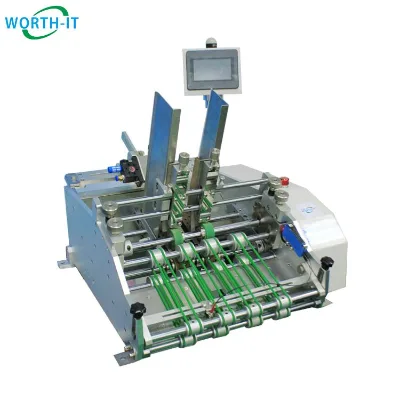
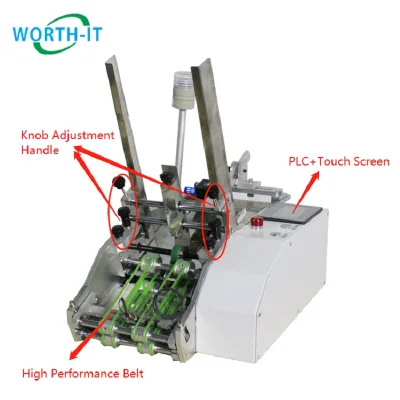
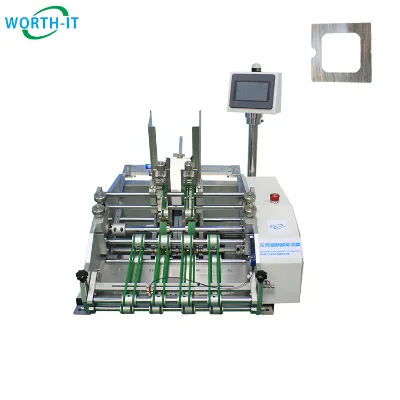
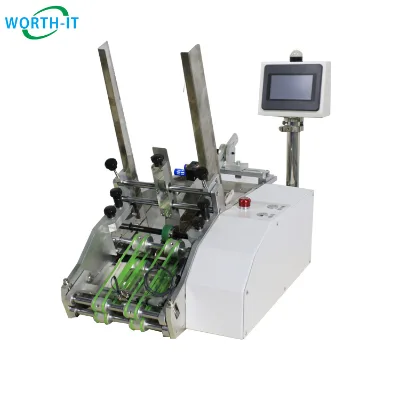

Automatic Feeder Label Applicator Sticker Flat Bag Pouch Card Top Labeling Machine
$5500.00 - $6000.00
MOQ: 1 Pieces

Flat Surface Labeling Machine for Card Paper Bag Packaging Box Feeder Labeler Machinery
$3300.00 - $3900.00
MOQ: 1 Pieces
Comprehensive Sourcing Guide
Strategic Sourcing Guide for Card Feeder and Labeling Machines
Understanding the Core Equipment Landscape
The procurement of card feeder and labeling machinery requires a clear distinction between specific automation types and their broader operational capabilities. In the current industrial marketplace, the term "card feeder" often intersects with friction feeding and rewinding systems, while "labeling machine" encompasses a wide array of automatic classification units designed for diverse packaging needs. The observed market data indicates a significant presence of Automatic Labeling Machines, specifically categorized under upper and lower sticker labeling configurations. These units are engineered to handle high-volume production environments where precision and speed are paramount.
The equipment landscape is further defined by the "Friction Feeding and Rewinding Machine," a critical component for managing materials such as paper, film, and nonwoven products. These machines are essential for preparing substrates before the labeling process begins. Buyers must recognize that the "Card Feeder" functionality is frequently integrated into systems that support paper printers, label printers, and card printers. The operational scope extends to various driven types, with electric drives being the predominant standard in modern automated lines. This electric drive mechanism ensures consistent power delivery, which is crucial for maintaining the high speeds observed in the market, ranging from 30 to 500 pieces per minute.
When evaluating the product catalog, it is evident that these machines are not monolithic. They exist in various configurations, such as the PTB90, PTB90J, and PTB90/160 models, which suggest different capacities or functional adaptations. Similarly, the KFY-80 and YYQG-III series represent distinct product lines, potentially catering to different industry verticals or specific forming functions. The "Forming Function" attribute highlights that some units do more than just apply labels; they may participate in the structural preparation of the packaging. Understanding these nuances is the first step in aligning procurement needs with the correct technical specifications.
Technical Specifications and Operational Parameters
Selecting the right machine hinges on a rigorous analysis of technical specifications. The physical dimensions of the equipment are a primary constraint in facility planning. Observed data points to significant variance in working widths, with ranges extending from 1550mm up to 3200mm. Specific models, such as the YYSL-III, support a standard set of widths including 1550mm, 1850mm, 2000mm, 2300mm, 2500mm, 3000mm, and 3200mm. This modularity allows buyers to select a machine that fits their specific production line footprint without requiring extensive facility modifications.
The material composition of the machinery is another critical technical factor. The supply chain data indicates the use of Stainless Steel and Painted Carbon Steel. Stainless steel is typically preferred for applications involving food, medical, or chemical industries due to its resistance to corrosion and ease of cleaning. Painted carbon steel may be utilized for structural components or in environments where chemical exposure is minimal. The "High Automatic" attribute suggests that these machines are designed for minimal human intervention, relying on advanced control systems.
Performance metrics are equally vital. The speed of operation is a key differentiator, with observed capabilities ranging from 30 to 500 pieces per minute. This wide range implies that buyers must match the machine's throughput to their actual production volume. A facility producing low-volume, high-value items may not require the 500 PPM capability, whereas a high-volume beverage or food packaging line would necessitate the higher end of the spectrum. Additionally, the "Consumption" attribute notes "Low Consumption," suggesting that modern designs prioritize energy efficiency. However, buyers should verify the specific power requirements for their voltage standards, as the provided data does not explicitly list voltage or wattage figures.
The system compatibility is also a technical consideration. Some units support Windows XP, which is a legacy operating system. This indicates that while the hardware may be robust, the software interface could be outdated. Buyers must assess whether this legacy support is compatible with their current IT infrastructure or if an upgrade path is available. The "High Security" and "Multi-Function" features further enhance the operational value, ensuring that the machine can handle complex tasks while maintaining safety protocols for operators.
Compliance, Certification, and Safety Standards
Navigating the regulatory landscape is a non-negotiable aspect of sourcing industrial machinery. The presence of CE certification is a recurring theme in the available data, appearing alongside ISO9001: Condition:New. The CE mark indicates conformity with health, safety, and environmental protection standards for products sold within the European Economic Area. For buyers operating in Europe or exporting to European markets, this certification is a baseline requirement. However, the data also lists "ISO" and "ISO9001" separately, suggesting that while some units carry the specific ISO9001 quality management certification, others may only hold a general ISO reference. Buyers must verify the specific certification status of the unit they intend to purchase, as the presence of a general ISO mention does not guarantee ISO9001 compliance for that specific batch.
Safety standards are implicitly addressed through the "High Security" attribute and the "CE" standard. These indicate that the machines are designed with safety guards, emergency stops, and risk assessment protocols in mind. However, buyers should not assume that all listed products meet the same safety threshold. The "Standard Export Wooden Package" and "Wooden Case" packaging suggest that the machines are prepared for long-distance shipping, which often involves specific handling and safety protocols during transit.
The "prod_standard" field in the data contains both certification codes and dimensional data (e.g., "40009501600mm"). This ambiguity requires careful scrutiny. Buyers must distinguish between the physical dimensions of the machine and the actual safety or quality standards it adheres to. Relying on dimensional data as a standard is a procurement error. Instead, the focus should remain on the explicit "CE" and "ISO9001" certifications. Furthermore, the "After-Sales Service Provided" attribute, which mentions "Engineers Available to Service Machinery Overseas," is a crucial compliance and support factor. It ensures that if a machine fails to meet operational standards or requires calibration, technical expertise is accessible globally, which is vital for maintaining regulatory compliance over the machine's lifecycle.
Cost Drivers and Pricing Dynamics
The pricing of card feeder and labeling machines is influenced by a complex array of factors, including automation level, material quality, and customization options. The observed price range in the market is extensive, spanning from 100 to 500,000 USD. This vast disparity reflects the difference between basic manual or semi-automatic units and fully integrated, high-speed automatic lines. The "Automatic Grade" is listed as "Automatic," which typically commands a higher price point than semi-automatic alternatives. However, the specific price for any given unit depends heavily on the "Customization" availability.
Customization is a significant cost driver. The data confirms that "Customization" and "OEM Custom" are available. Buyers seeking tailored solutions, such as specific widths, unique feeding mechanisms, or proprietary software interfaces, should anticipate a premium over standard models. The "Brand" attribute, specifically "Yingyang," suggests that branded units may carry a price premium due to perceived quality and reliability, though this is not explicitly quantified in the data.
Material costs also play a role. Machines constructed primarily from Stainless Steel will generally be more expensive than those using Painted Carbon Steel, particularly for applications in the food, medical, or chemical sectors where hygiene is critical. The "Packaging Material" (Paper, Film) and the machine's ability to handle these materials efficiently can also impact the final cost. A machine capable of handling both paper and film with high precision may be priced higher than a single-material unit.
Lead times are another hidden cost factor. The data indicates a lead time of 4-5 months for certain models. Extended lead times can impact project timelines and inventory costs, effectively increasing the total cost of ownership. Buyers must factor in the potential for production delays when budgeting for these machines. Additionally, the "Capacity" of 300-1500kgh suggests that high-capacity machines, which are likely more complex and expensive, are available for large-scale operations.
Typical Applications and Industry Versatility
The versatility of card feeder and labeling machines is evident in their wide range of applications. The data lists a comprehensive list of industries, including Food, Medical, Apparel, and Chemical sectors. Within the food industry, specific applications include Seasoning, Rice, Flour, Snack, Fish, Meat, Vegetable, Fruit, Tea, Drinks, and Dairy Products. This breadth indicates that the machines are adaptable to various product shapes, sizes, and packaging materials.
The "Packaging Material" attribute highlights "Paper" and "Film," which are standard materials for these applications. The ability to label products made of paper or film suggests that the machines can handle a variety of packaging formats, from cardboard boxes to flexible pouches. The "Application" field also extends to non-food sectors, including Hair Care Products, Skin Care Products, Cosmetics, Oil, Cleaning, and Detergent. This versatility makes the equipment suitable for a broad spectrum of manufacturing needs.
In the medical and chemical sectors, the "High Security" and "Stainless Steel" construction are particularly relevant. These industries require strict adherence to hygiene and safety standards, and the machines' design supports these requirements. The "Field" attribute mentions "Nonwoven Production Line," indicating that these machines are also integral to the production of nonwoven fabrics, which are used in medical supplies, hygiene products, and filtration systems.
The "Forming Function" suggests that some machines can also assist in the structural preparation of the packaging, adding value beyond simple labeling. This multi-functionality is a key selling point for buyers looking to consolidate their equipment and streamline their production lines. The "High Effificiency" and "Stable" features further support the claim that these machines are reliable for continuous operation across diverse industries.
Supplier Evaluation and Quality Assurance
Evaluating suppliers for card feeder and labeling machines requires a focus on technical capability, support infrastructure, and quality assurance processes. The "After-Sales Service Provided" attribute, specifically "Engineers Available to Service Machinery Overseas," is a strong indicator of a supplier's commitment to long-term support. Buyers should verify the availability of these engineers, the response time for service calls, and the geographic coverage of their support teams.
Quality assurance is another critical area. The "Certification" data points to CE and ISO9001, which are standard indicators of quality management. However, buyers must confirm that the specific unit they are purchasing carries these certifications and that the manufacturing process adheres to the stated standards. The "Condition: New" attribute confirms that the machines are not refurbished, which is a significant quality differentiator.
The "Brand" attribute, "Yingyang," provides a reference point for brand reputation, though buyers should conduct independent due diligence on the brand's track record. The "Product Name" and "Keywords" such as "Rewinding Machine" and "Friction Feeding" help in identifying the specific capabilities of the supplier's product line. Buyers should request detailed technical datasheets that confirm the "Working Width," "Speed," and "Material" specifications to ensure they match their operational requirements.
Supplier evaluation should also include an assessment of the "Standard Export Wooden Package" and "Wooden Case" quality. Proper packaging is essential for preventing damage during international shipping, which is a common risk for buyers sourcing from China. The "prod_origin" and "prod_origin: Changshu Jiangsu China" data points to the manufacturing location, which can influence logistics costs and lead times. Buyers should consider the proximity of the supplier to major shipping ports and the reliability of the local logistics infrastructure.
Long-Term Procurement and Operational Considerations
Long-term procurement success depends on more than just the initial purchase price; it requires a holistic view of the machine's lifecycle. The "Lead Time" of 4-5 months is a significant factor that buyers must plan for. This duration can impact production schedules and inventory management, so buyers should initiate the procurement process well in advance of their production needs.
The "Customized" and "OEM Custom" options offer flexibility but also introduce complexity. Customized machines may require longer lead times and higher maintenance costs. Buyers should weigh the benefits of customization against the potential for increased operational complexity. The "System Supported: Windowsxp" is a notable limitation for long-term use. As software support for Windows XP becomes increasingly scarce, buyers should consider the long-term viability of the control system and the potential need for upgrades or replacements.
Maintenance and spare parts availability are critical for long-term operations. The "Engineers Available to Service Machinery Overseas" attribute suggests that technical support is available, but buyers should also inquire about the availability of spare parts and the cost of maintenance contracts. The "High Security" and "Stable" features indicate a design that prioritizes longevity, but regular maintenance is still required to ensure continued performance.
Finally, the "Consumption: Low Consumption" attribute suggests that these machines are designed for energy efficiency, which can lead to cost savings over time. However, buyers should verify the specific energy consumption figures and compare them with industry benchmarks. The "Capacity" of 300-1500kgh also suggests that the machines are scalable, allowing buyers to increase production volumes without necessarily replacing the entire unit. By considering these long-term factors, buyers can make informed decisions that align with their strategic goals and operational requirements.
FAQs
What certifications do card feeder and labeling machines have?
These machines typically hold CE and ISO9001 certifications. Buyers should verify specific batch compliance as general ISO mentions do not guarantee ISO9001 status for every unit purchased.
Can I customize the specifications of the labeling machine?
Yes, customization and OEM options are available for these units. Buyers seeking tailored widths or unique feeding mechanisms should anticipate a premium over standard models.
What is the typical lead time for these machines?
The lead time for certain models ranges from 4 to 5 months. Extended lead times can impact project timelines and inventory costs, so buyers must factor this into their budgeting.
Which materials are used to construct these machines?
Machines are constructed from Stainless Steel or Painted Carbon Steel. Stainless steel is preferred for food and medical sectors due to corrosion resistance and ease of cleaning.
How fast can the automatic labeling machine operate?
The speed ranges from 30 to 500 pieces per minute. Buyers must match the machine's throughput to their actual production volume to ensure efficiency.
Where are these machines manufactured and shipped from?
The products originate from China, specifically Changshu Jiangsu. They are packed in standard export wooden packages or wooden cases for long-distance shipping safety.
What after-sales service is provided for these machines?
Engineers are available to service machinery overseas. This ensures that if a machine requires calibration or repair, technical expertise is accessible globally.