Source Carrier Refrigeration Compressor Main Board for Freezers, Coolers, Chillers
Find 30 verified options for the Carrier Refrigeration Compressor Main Board suitable for commercial freezers, industrial coolers, and cold storage chillers. Buyers can compare specifications, pricing, and customization features to select the right component for their refrigeration needs; compare the available evidence and request quotations based on your requirements.
Key considerations
Products List


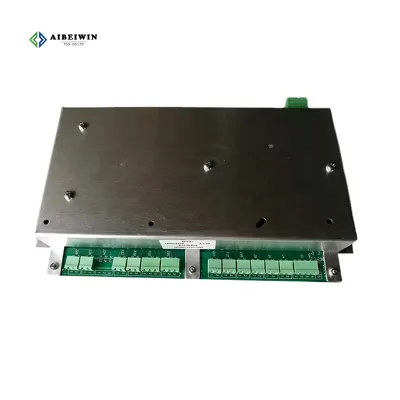
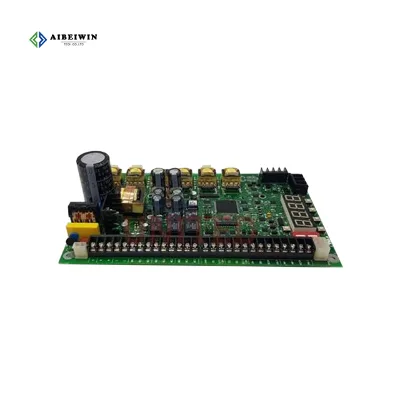
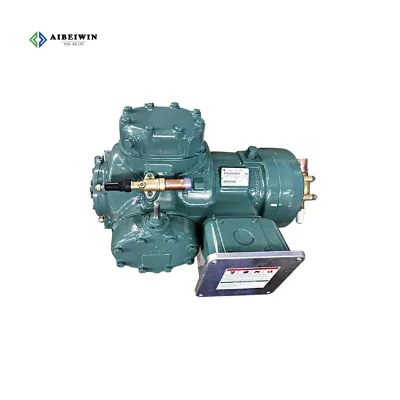
Carrier Compressor 06EA275600 06EA275610 Carlyle Compressor for Chiller
$3569.51 - $4079.44
MOQ: 1 pieces


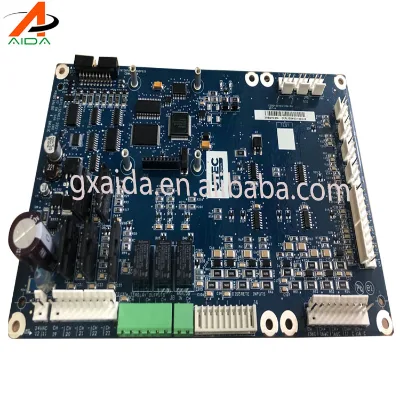
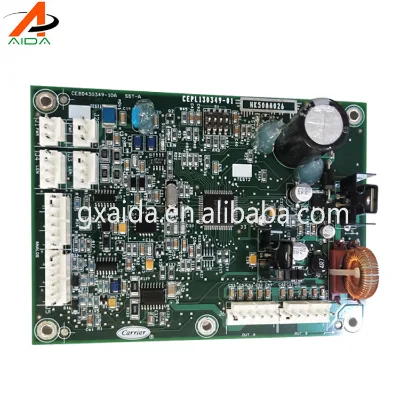
Central Air Conditioning Module Board Mcc-1535-04 PCBA Inverter Control Mainboard
$220.00 - $260.00
MOQ: 1 pieces




Comprehensive Sourcing Guide
Carrier Refrigeration Compressor Main Board Sourcing Guide
Procuring replacement electronics for Carrier semi-hermetic refrigeration compressors requires precise alignment with original equipment manufacturer specifications to ensure system stability. The core keyword highlights a critical component where electrical integrity directly impacts cooling performance and compressor longevity. Buyers must recognize that these main boards serve as the central nervous system for compressor control, managing start-up sequences, load regulation, and safety cutoffs. Sourcing decisions should prioritize components that match the specific compressor model, such as the Carrier 06E or 5H40 series, to avoid compatibility failures.
The market for these specialized parts often involves a mix of original equipment manufacturer (OEM) replacements and high-quality aftermarket alternatives. While some listings may reference generic terms, successful procurement depends on verifying the exact part number and electrical configuration against the existing unit. Buyers should be aware that the supply chain for these components can be fragmented, with various suppliers offering different levels of customization and support. Understanding the specific application, whether for home refrigeration or industrial semi-hermetic systems, is essential for selecting the correct board.
Product Scope and Observed Listing Signals
Market observations indicate a diverse range of components associated with Carrier refrigeration systems, including piston assemblies, valve plates, and suction screens. While the core search term focuses on the main board, the broader ecosystem includes mechanical parts like aluminum alloy connecting rods and carbon steel valve plates for models such as the Carrier 5H40. Buyers should note that some listings may bundle electrical controls with mechanical replacements, requiring careful separation of product categories to ensure accurate procurement. The presence of items like the Carrier 06E terminal plate suggests a comprehensive inventory of both electrical and mechanical spare parts.
Observed listing signals reveal variations in packaging and origin, with many components sourced from Ningbo, China. Packaging formats range from neutral boxes to carton packages, reflecting different supplier logistics strategies. Some products are marketed with specific standards such as ROHS and SGS, indicating a focus on material safety and quality assurance. However, buyers must distinguish between general compressor parts and the specific main board required for their system. The availability of customized options and various minimum order quantities (MOQs) suggests flexibility in supply, but also necessitates rigorous verification of product authenticity and specification matching.
Technical Specifications to Verify
Verifying technical specifications is paramount when sourcing main boards for Carrier compressors, particularly for models like the 06E and 5H40. Buyers must confirm the electrical ratings, including voltage, frequency, and current capacity, to ensure compatibility with the existing compressor motor. The board must support the specific control logic required for semi-hermetic compressors, which often operate under varying load conditions. Additionally, the physical dimensions and connector pinouts must match the original board to facilitate easy installation without modification. Misalignment in these technical details can lead to immediate system failure or long-term operational inefficiencies.
Beyond electrical parameters, buyers should verify the board’s compatibility with the compressor’s cooling and lubrication systems. For air-cooled, semi-closed type compressors, the main board may need to interface with specific sensors for temperature and pressure monitoring. The presence of features like oil-free lubrication styles or single-stage compression levels can influence the control strategy managed by the board. It is also crucial to check if the board supports the specific refrigerant type, such as Freon, used in the system. Ensuring that all technical specifications align with the original equipment design prevents costly downtime and ensures optimal performance.
Compliance and Safety Documentation
Compliance with international safety and environmental standards is a critical requirement for sourcing refrigeration compressor main boards. Buyers should request documentation confirming adherence to standards such as ROHS, which restricts the use of hazardous substances in electronic components. This is particularly important for components used in applications involving food storage or residential environments. Additionally, certifications like SGS may indicate that the product has undergone rigorous testing for quality and safety. Verifying these certifications helps mitigate risks associated with electrical fires, component failure, and environmental non-compliance.
Beyond product-specific certifications, buyers must ensure that the supplier provides adequate technical documentation and support. This includes detailed wiring diagrams, installation manuals, and troubleshooting guides specific to the Carrier compressor model. Clear documentation is essential for proper installation and maintenance, reducing the likelihood of errors that could void warranties or cause safety hazards. Buyers should also inquire about the supplier’s quality management systems and whether they adhere to industry best practices for electronic manufacturing. Ensuring that all compliance and safety documentation is readily available and verifiable is a key step in responsible procurement.
Cost Drivers and Commercial Terms
Several factors influence the cost of Carrier refrigeration compressor main boards, including the complexity of the circuitry, the quality of components used, and the level of customization required. High-quality boards with advanced features and robust construction typically command higher prices but offer better reliability and longevity. Buyers should also consider the minimum order quantity (MOQ) set by suppliers, which can range from small batches for immediate repairs to large volumes for inventory stocking. Understanding these commercial terms helps in budgeting and negotiating favorable pricing structures.
Lead times and shipping costs are additional commercial considerations that impact the total cost of ownership. Suppliers may offer different shipping options, affecting delivery speed and reliability. Buyers should clarify whether prices include taxes, duties, and other fees to avoid unexpected costs. Additionally, the availability of after-sales support and warranty terms can influence the overall value proposition. Suppliers offering comprehensive warranties and technical support may charge a premium but provide greater peace of mind. Evaluating these commercial terms holistically ensures that the procurement decision aligns with both budgetary constraints and operational needs.
Supplier Qualification and Quality Control
Supplier qualification is a critical step in ensuring the reliability of sourced Carrier refrigeration compressor main boards. Buyers should assess the supplier’s reputation, experience, and track record in the refrigeration parts industry. Suppliers with a history of providing high-quality components and positive customer feedback are generally more reliable. It is also important to verify the supplier’s ability to provide consistent quality across multiple orders. This can be achieved by reviewing their quality control processes, including incoming material inspection, in-process testing, and final product verification.
Quality control measures should include rigorous testing of the main boards to ensure they meet specified electrical and performance standards. Buyers should inquire about the types of tests conducted, such as functional testing, environmental stress screening, and reliability testing. Suppliers that invest in comprehensive quality control processes are more likely to deliver products that perform as expected. Additionally, buyers should consider the supplier’s ability to provide samples for evaluation before placing large orders. This allows for a thorough assessment of product quality and compatibility, reducing the risk of receiving defective or incompatible components.
Long-Term Procurement Checks
Long-term procurement success depends on establishing a robust supply chain relationship with qualified suppliers. Buyers should regularly review supplier performance metrics, including on-time delivery rates, product quality, and responsiveness to issues. Maintaining open communication with suppliers helps in addressing any emerging problems promptly and ensures a steady supply of critical components. It is also advisable to diversify the supplier base to mitigate risks associated with single-source dependencies. Having multiple qualified suppliers provides flexibility and reduces the impact of potential supply disruptions.
Continuous monitoring of market trends and technological advancements in refrigeration compressor electronics is essential for staying competitive. Buyers should stay informed about new product developments, such as more energy-efficient boards or advanced control features, that could enhance system performance. Regularly updating procurement strategies to incorporate these advancements ensures that the organization remains at the forefront of refrigeration technology. Additionally, conducting periodic audits of supplier quality systems and compliance documentation helps maintain high standards and ensures ongoing alignment with industry best practices.
FAQs
What materials are used for carrier compressor parts?
Carrier compressor parts are constructed from aluminum alloy, plastic, and carbon steel depending on the specific component. For instance, connecting rods utilize aluminum alloy while valve plates may use carbon steel. These materials ensure durability and performance in semi-hermetic refrigeration compressor applications.
Can I find customized carrier compressor components?
Customization is available for certain carrier compressor components, though some items like specific valve plates are non-customized standard parts. Buyers should verify the customization status for each item, as options vary between standard components and those requiring specific modifications for unique refrigeration needs.
Which specifications apply to carrier 06E models?
The carrier 06E model features a semi-closed structure with air cooling and angular cylinder arrangement. It often includes specific connecting rod models made of aluminum alloy. These specifications define its suitability for home refrigerator and freezer parts within the semi-hermetic refrigeration compressor category.
What is the minimum order quantity for these parts?
Minimum order quantities vary significantly across different carrier compressor parts, ranging from 300 to 1008 pieces. Some items may have an MOQ of 500 or 1000 pieces. Buyers must check the specific product page to confirm the exact MOQ required for their desired component type.
Where are these carrier compressor parts manufactured?
These carrier compressor parts originate from Ningbo, China. The manufacturing location is consistent across various product listings including specific models like the Carrier 06E and 5H40. This origin point is a key factor for logistics and sourcing decisions for international buyers.
How are these parts packaged for shipment?
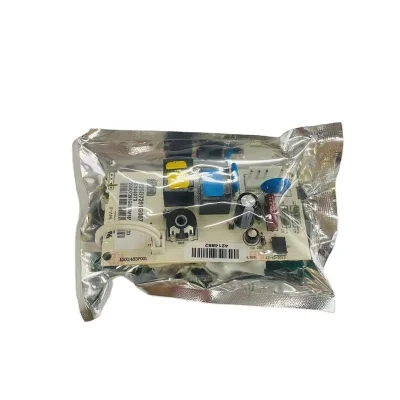
Packaging options include neutral packing, carton packages, boxes, and small boxes depending on the specific part. For example, some items use carton packages while others are shipped in small boxes. The packaging type is selected to ensure safe transport of components like suction screens and terminal plates.
Are there certifications for these compressor components?
Certain carrier compressor components meet ROHS and SGS standards. These certifications indicate compliance with specific safety and quality requirements. Buyers should verify the standard component status for each item to ensure it meets the necessary regulatory frameworks for their intended refrigeration applications.