Source Carved Schoenstatt Wooden Crucifix for Home Hotel Restaurant
Compare 30 listings for the Carved Schoenstatt Wooden Crucifix from suppliers in China. Buyers can review materials like beech wood and marble, customization options, and pricing details for home, hotel, and restaurant use.
Key considerations
Products List
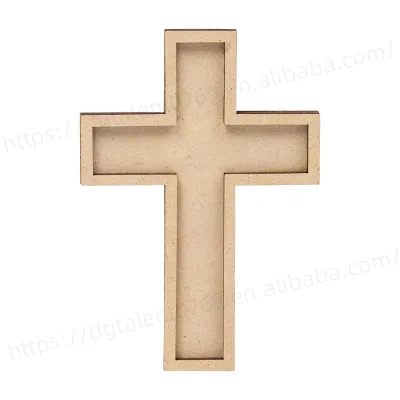


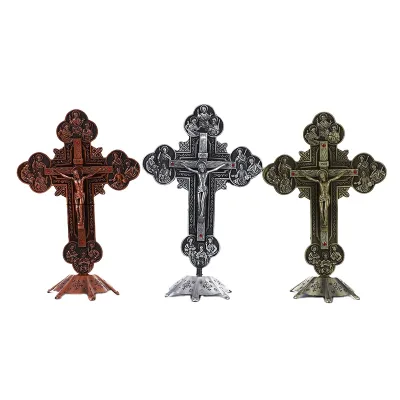
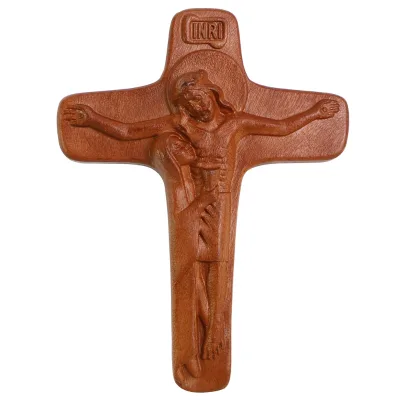
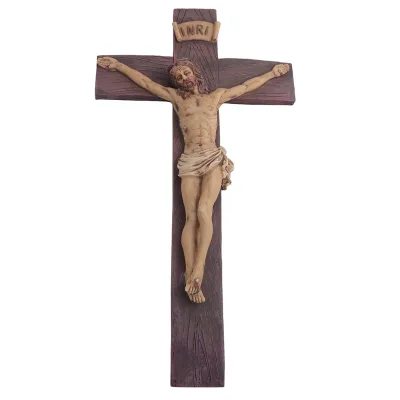


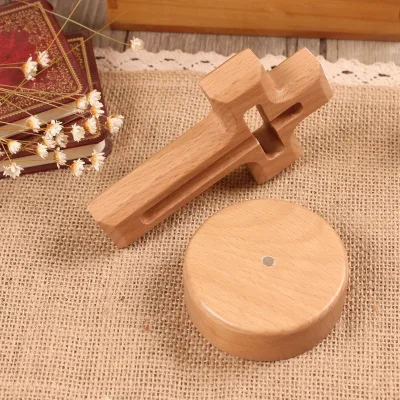
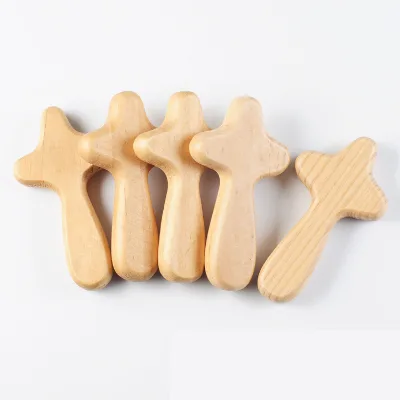
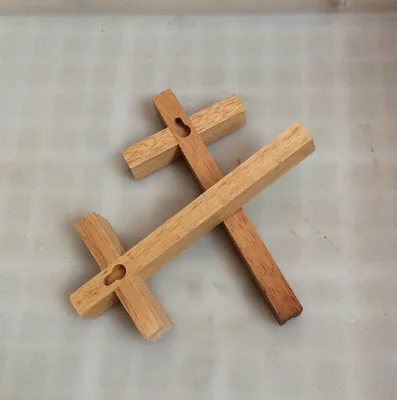
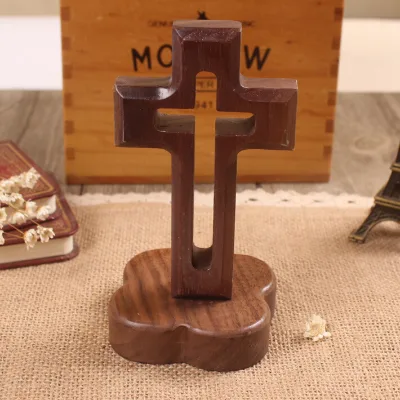
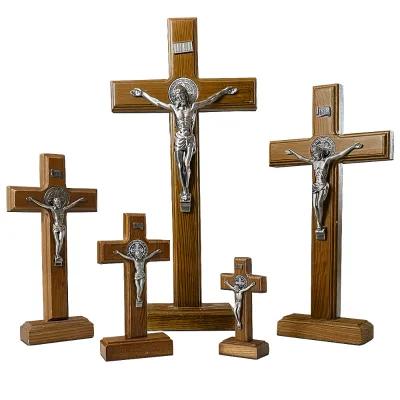
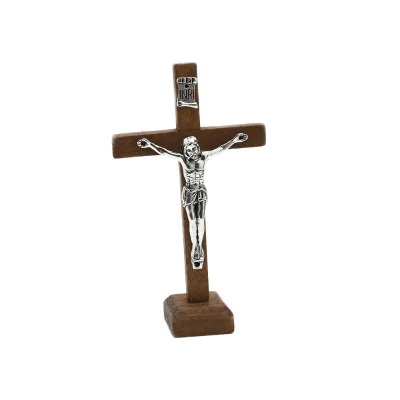
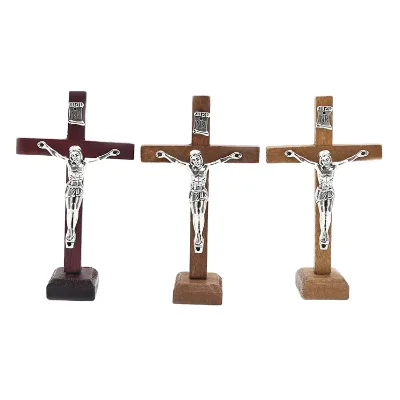


Comprehensive Sourcing Guide
Strategic Sourcing Guide for Carved Schoenstatt Wooden Crucifixes
The global market for religious artifacts, specifically the Carved Schoenstatt Wooden Crucifix, presents a unique procurement challenge that blends spiritual significance with rigorous manufacturing standards. Buyers seeking this specific item must navigate a landscape where material authenticity, carving precision, and religious symbolism converge. The core keyword "Carved Schoenstatt Wooden Crucifix" implies a product that is not merely a generic cross but one adhering to specific aesthetic and theological traditions associated with the Schoenstatt movement. This guide provides a disciplined framework for sourcing, evaluating, and acquiring these items, relying strictly on observable product attributes and established industry practices for religious woodwork.
Understanding Product Specifications and Material Integrity
The foundation of sourcing a high-quality crucifix lies in verifying the material composition and dimensional specifications. In the observed market data, wood is the primary material category, with specific mentions of "Beech Wood" and general "Wood" classifications. Beech wood is a preferred choice for detailed carving due to its fine grain and durability, which is essential for the intricate work required by the Schoenstatt style. However, buyers must be vigilant as product listings sometimes conflate materials; for instance, some entries list "Marble" or "Copper" alongside wooden attributes, indicating a need for strict filtering to ensure the core product is indeed wood.
Dimensional consistency is another critical specification. The observed data indicates that "Customized Size" is a common attribute, with specific single-package dimensions noted as 20x20x10 cm for certain models. This suggests that while standard small sizes exist, the market heavily supports bespoke orders. The "Single gross weight" of 1.000 kg provides a baseline for shipping calculations, though this will vary significantly with size customization. Buyers should verify the "Single-piece Package" requirement against the "Opp Bag" or "Plastic Inside and Wooden Crate Outside" packing methods found in different listings. The choice of packaging directly impacts the protection of the carved details during transit. Furthermore, the "Model Number" (e.g., TL-V41E or MSD-6330) serves as a unique identifier, but buyers must ensure that the model number corresponds to the specific "Design Style" and "Shape" required, such as the "Cross" shape or "Figure" type.
Technical Attributes of Carving and Design Styles
The technical execution of the crucifix is defined by the "Carving Technique" and "Process." The observed data highlights "Engraved," "Hand-Made," and "Polishing" as key processes. For a Schoenstatt crucifix, the "Hand-Made" aspect is particularly significant, as it often correlates with higher artistic value and the ability to capture the nuances of the "Realism" style mentioned in some listings. The "Polishing" surface treatment ensures a smooth finish, which is crucial for both aesthetic appeal and the longevity of the wood.
Design style plays a pivotal role in identification. While some listings suggest "Mid Century Modern" or "Antique" styles, the Schoenstatt tradition typically leans towards a specific religious realism. Buyers must cross-reference the "Pattern" (e.g., "Vertical") and "Theme" (e.g., "Art") with the intended religious context. The "Color" is another variable; while "Natural Wooden Color 1" is observed, other listings mention "White." For a traditional wooden crucifix, the natural finish is often preferred to highlight the grain, but customization for specific liturgical colors is available. The "Function" listed as "Multi-Functional, Wall Vase" in some data points indicates a potential confusion in product categorization, as a crucifix is primarily a devotional object. Buyers must explicitly confirm that the "Usage" aligns with "Home," "Hotel," "Restaurant," or "Church" settings and that the item is strictly a "Figure" or "Cross" and not a decorative vase mislabeled in the catalog.
Compliance, Certification, and Religious Standards
While the provided data does not list specific third-party certifications like ISO or CE for religious items, the "Feature: Eco-Friendly" attribute is a notable compliance indicator. This suggests that the sourcing of wood and the finishing processes may adhere to environmental standards, which is increasingly important for international buyers. The "Warranty" of "5year" observed in some listings implies a manufacturer's confidence in the structural integrity of the product, though this should be verified against the specific material (e.g., Beech vs. other woods).
Religious compliance is less about formal certification and more about adherence to liturgical norms. The "Religion: Christianity" and "Occasion: Baptism" attributes confirm the product's intended use. However, buyers must verify that the "Logo" customization options allow for the inclusion of specific Schoenstatt symbols or inscriptions without compromising the religious sanctity of the piece. The "OEM/ODM: Accept" status indicates that suppliers are willing to adapt the design, but the buyer must provide clear technical drawings to ensure the "Realism" and "Style" remain true to the Schoenstatt tradition. Additionally, the "Place of Origin" (Guangdong, China or Hebei) can influence the cultural interpretation of the carving, and buyers should request samples to ensure the artistic style matches the expected European or traditional Catholic aesthetic.
Cost Drivers and Pricing Structures
The pricing for carved wooden crucifixes is influenced by several variables, including material quality, labor intensity, and customization levels. The observed price range is extremely wide, spanning from $0.18 to $5,985. This disparity likely reflects the difference between mass-produced, machine-carved items and high-end, hand-sculpted masterpieces. The "MOQ" (Minimum Order Quantity) range of 1 to 1000 pieces further complicates cost analysis. For a buyer seeking a single, high-quality Schoenstatt crucifix, the unit cost will be significantly higher than for a bulk order of 1000 units.
The "Payment" method, specifically "Ali Trade Assurance," offers a layer of financial security but does not dictate the price. Buyers should understand that the "Customized Size" and "Customized logo" options will incur additional costs beyond the base unit price. The "Maintenance Requirement: Medium" also impacts the total cost of ownership, as it may necessitate periodic care products or professional restoration services. When evaluating the cost drivers, buyers must distinguish between the "Selling Units" (Single item) and bulk pricing tiers. A price of $0.18 likely refers to a small, non-carved component or a mass-produced item, whereas a price near $5,985 suggests a life-size, museum-quality piece. The "Standard: life size" attribute confirms that large-scale custom orders are possible, which would naturally command a premium price.
Supplier Evaluation and Geographic Considerations
Evaluating suppliers for religious artifacts requires a focus on craftsmanship history and logistical reliability. The observed "Place of Origin" includes Guangdong and Hebei, both of which are major manufacturing hubs in China. Guangdong is known for its diverse export capabilities, while Hebei has a strong tradition in stone and metalwork, which might explain the presence of "Marble" and "Copper" attributes in the data. Buyers should prioritize suppliers who explicitly state "Hand-Made" processes, as this is a strong indicator of the quality required for a Schoenstatt crucifix.
The "After-Sales Service: Yes" and "Warranty: 5year" are critical metrics for supplier reliability. These terms suggest that the supplier is willing to stand behind their product, which is essential for high-value religious items. However, buyers must verify the scope of the warranty to ensure it covers defects in carving or material failure. The "Customization: Available" attribute indicates flexibility, but the "Maintenance Requirement: Medium" suggests that the supplier should provide guidance on care. When selecting a supplier, buyers should request a portfolio of previous "Carving Technique" examples to ensure the "Polishing" and "Engraved" details meet the desired standard. The "Single package size" of 20x20x10 cm is a useful benchmark for logistics planning, but for larger orders, the "Plastic Inside and Wooden Crate Outside" packing method is essential to prevent damage.
Quality Control and Long-Term Procurement Strategy
Implementing a robust quality control (QC) strategy is vital for sourcing carved wooden crucifixes. Given the "Hand-Made" nature of the product, inconsistencies in grain, carving depth, and finish are potential risks. Buyers should establish a clear acceptance criteria based on the "Design Style" and "Color" specifications. For example, if the order requires "Natural Wooden Color," the QC process must verify that no artificial dyes or stains have been applied that alter the natural grain. The "Surface Treatment: Polished" should be inspected for smoothness and the absence of tool marks.
Long-term procurement considerations involve building a relationship with a supplier who can maintain consistency over time. The "OEM/ODM: Accept" status allows for ongoing collaboration, but the "Model Number" changes (e.g., TL-V41E vs. MSD-6330) highlight the need for strict version control. Buyers should maintain a master file of approved samples to compare against future production runs. The "Usage" in "Home," "Hotel," and "Restaurant" settings implies that the product must be durable enough for high-traffic environments, reinforcing the need for a "Medium" maintenance rating that is manageable for the end-user. Finally, the "Eco-Friendly" feature should be verified through documentation to ensure that the wood sourcing and finishing processes align with the buyer's sustainability goals. By adhering to these disciplined sourcing practices, buyers can secure high-quality carved Schoenstatt wooden crucifixes that meet both spiritual and commercial expectations.
FAQs
What material is used for the Carved Schoenstatt Wooden Crucifix?
The product is primarily made from Beech Wood, though some listings mention Marble or Copper. Buyers must verify the material specification to ensure the item matches the required wooden composition for the Schoenstatt style.
How can I customize the size and logo of the crucifix?
Customized size and customized logo options are available for this product. The single package size is typically 20x20x10 cm, but bespoke dimensions can be arranged through OEM or ODM services offered by the supplier.
Which manufacturing techniques are applied to the wooden cross?
The crucifix features hand-made processes with engraved and polished surface treatments. These techniques ensure a realistic style and smooth finish, which are essential for maintaining the artistic integrity of the religious artifact.
Can I order a single item or must I meet a minimum quantity?
You can order a single item, but the standard MOQ is 200 pieces for many listings. Some suppliers may accept orders starting from 1 unit, so checking the specific selling units and MOQ for each model is necessary.
What is the warranty and after-sales service provided?
A 5-year warranty and yes after-sales service are offered for certain models. This coverage indicates manufacturer confidence in the product's structural integrity, though buyers should verify the specific terms for their chosen item.
Where are these crucifixes manufactured and shipped from?
The products originate from Guangdong or Hebei in China. These locations are major manufacturing hubs, and the shipping packaging varies from Opp bags to wooden crates depending on the specific order requirements.
How is the product packaged for international shipping?
Packaging options include single-piece packages in Opp bags or plastic inside with wooden crates outside. The single gross weight is 1.000 kg, which helps in calculating shipping costs for the customized sizes.