Source Cast Steel Jaw Crusher Flywheel for Mining Quarry
Compare 30 Cast Steel Jaw Crusher Flywheel options from verified manufacturers. These components are designed for coarse crushing in mining and quarry applications, featuring high wear resistance and customizable specifications to meet diverse operational needs; compare the available evidence and request quotations based on your requirements.
Key considerations
Products List


Jaw Crusher Flywheel Export High Performance Cast Flywheels for Mining
$682.00 - $2358.00
MOQ: 1 Pieces


Jaw Crusher Pulley Flywheel Cast Steel Heavy Duty Crusher Spare Parts
$2300.00 - $3300.00
MOQ: 1 Pieces


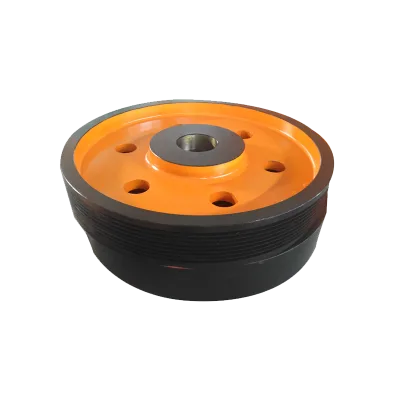


Mining Machinery Steel Casting Movable Jaw Swing Jaw for Jaw Crusher Part
$800.00 - $1200.00
MOQ: 1 Pieces


Jaw Crusher Spare Parts Factories Customizable Casting Steel Movable Jaw
$100.00 - $2000.00
MOQ: 1 Pieces


Rock Crushing Machine C130 C140 Jaw Crusher Spares Ht-mm1002113 Flywheel
$5000.00 - $8000.00
MOQ: 1 Pieces

Crushing Machine Replacement Parts Flywheel Suit C110 C120 Lt120 Lt110 Mobile Jaw Crusher
$10000.00 - $15000.00
MOQ: 1 Pieces
Comprehensive Sourcing Guide
Cast Steel Jaw Crusher Flywheel Sourcing Guide
Buyers evaluating cast steel jaw crusher flywheels must first align their procurement strategy with the specific operational demands of mining and quarry environments. The observed product listings indicate that these components are primarily designed for coarse crushing applications where high impact resistance is critical. Sourcing decisions should prioritize suppliers who explicitly state their capability to manufacture parts for jaw crushers, as this specialization ensures the flywheel geometry matches the extruding crushing style required for efficient material reduction.
The market data reveals a significant variance in pricing and minimum order quantities, ranging from single units to bulk orders of 3,000 pieces. This variability suggests that buyers should carefully assess their inventory needs before engaging with suppliers, as small batch orders may incur higher per-unit costs compared to volume purchases. Understanding the delivery terms, which often specify sea freight, is essential for calculating the total landed cost and ensuring the component arrives within the project timeline without disrupting production schedules.
Product Scope and Observed Listing Signals
When reviewing product listings, buyers should look for specific material indicators such as cast steel or high manganese compositions, which are critical for withstanding the abrasive conditions of mining operations. The observed data highlights that some suppliers offer parts made from high-chrome materials or carbon steel, each offering different wear resistance profiles. It is vital to verify which material grade is specified for the flywheel, as the choice directly impacts the component's lifespan and the frequency of replacement required in a high-stress crushing circuit.
Surface treatment and finishing processes are another key signal of product quality, with listings showing options ranging from spray painting and sand blasting to polishing. These treatments are not merely cosmetic but serve to protect the cast steel from corrosion and reduce friction during operation. Buyers should confirm that the selected surface roughness, such as Ra6.3, meets the operational requirements of their specific machinery, ensuring that the flywheel integrates seamlessly with the drive system without causing premature wear on adjacent components.
Technical Specifications to Verify
Technical verification begins with confirming the model number and dimensional compatibility, as listings indicate that specifications are often determined by the machine code or specific crusher models like the PE400X600. Since the standard model numbers can vary, buyers must cross-reference the flywheel dimensions against their existing jaw crusher to ensure a precise fit. Relying on generic descriptions without matching the exact machine code can lead to installation failures, making it imperative to request detailed engineering drawings or CAD files before finalizing any purchase.
Machining tolerances and casting methods are equally critical technical parameters that define the functional integrity of the flywheel. The observed data points to a machining tolerance of +/-0.02mm, a precision level that ensures the flywheel rotates smoothly and maintains balance under high loads. Additionally, understanding the casting method, whether it involves sand casting or special permanent forms, helps buyers assess the internal grain structure and potential for defects. Verifying these details ensures the component can handle the dynamic forces generated during the coarse crushing process.
Compliance and Safety Documentation
Compliance documentation is a non-negotiable aspect of sourcing industrial machinery parts, with ISO 9001 and CE certifications frequently appearing in supplier profiles. These certifications indicate that the manufacturer adheres to established quality management systems and safety standards, which is particularly important for components subjected to extreme mechanical stress. Buyers should request valid certificates for each batch of flywheels to ensure that the production process has been consistently monitored and that the final product meets the required safety and performance benchmarks.
In addition to general certifications, specific standards such as ASTM, GB, and AISI provide a framework for material quality and manufacturing consistency. The presence of these standards in product listings suggests that the supplier follows recognized industry protocols for cast steel production. However, buyers must verify that the specific standard cited matches the requirements of their local regulations and operational safety guidelines. Relying solely on the presence of a standard name without confirming its applicability to the specific flywheel application can expose the buyer to compliance risks.
Cost Drivers and Commercial Terms
The commercial landscape for cast steel flywheels is influenced by several cost drivers, including the complexity of the casting process and the specific material composition used. Listings show a wide price range, reflecting differences in material quality, such as the use of high manganese versus standard cast steel, and the extent of surface treatments applied. Buyers should analyze the total cost of ownership rather than just the unit price, considering that higher-quality materials and more rigorous surface treatments often result in longer service life and reduced downtime.
Delivery terms and lead times are significant factors in the overall procurement cost, with sea freight being the standard mode of transport and lead times potentially extending to 35 days. These logistical elements must be factored into the budget and production planning, as delays can halt entire crushing operations. Furthermore, the minimum order quantity (MOQ) can range from one unit to 3,000, meaning that smaller buyers may face higher per-unit costs or need to consolidate orders with other facilities to achieve more favorable commercial terms.
Supplier Qualification and Quality Control
Supplier qualification should extend beyond basic certifications to include an assessment of their manufacturing capacity and experience in the casting industry. The observed data mentions a production capacity of 8,000 tons per year and over 30 years of experience, which are strong indicators of a supplier's ability to handle large-scale orders and maintain consistent quality. Buyers should verify these claims by requesting references or conducting site visits, as the ability to deliver on time and meet volume requirements is crucial for maintaining uninterrupted mining operations.
Quality control processes, including surface treatments and machining tolerances, are essential for ensuring the reliability of the flywheel. Suppliers offering specialized casting methods and precise machining tolerances of +/-0.02mm demonstrate a commitment to high-quality output. Buyers should inquire about the specific quality control checks performed during the manufacturing process, such as non-destructive testing or dimensional inspections, to ensure that every flywheel meets the rigorous demands of jaw crusher applications before it leaves the factory.
Long-Term Procurement Checks
Establishing a long-term procurement relationship requires regular performance reviews and quality audits to ensure continued compliance with specifications. Buyers should implement a system for tracking the wear rates and failure modes of the flywheels in service, using this data to negotiate better terms or request design improvements from the supplier. This proactive approach helps in identifying potential issues early and ensures that the supply chain remains robust against the unpredictable demands of the mining and quarry sectors.
Future-proofing the procurement strategy involves staying informed about changes in material standards and manufacturing technologies that could impact the performance of cast steel flywheels. As the industry evolves, suppliers may introduce new alloys or surface treatments that offer superior wear resistance. Buyers should maintain open communication with their suppliers to stay updated on these advancements, ensuring that their equipment remains competitive and efficient in the long run while minimizing the risk of obsolescence.
FAQs
What material is used for the jaw crusher flywheel?
The flywheel is typically manufactured from cast steel or high manganese steel to ensure durability. These materials provide the necessary strength and wear resistance required for heavy-duty mining and quarry applications. The specific material choice depends on the machine code and operational demands of the jaw crusher.
Can the flywheel be customized for specific machines?
Yes, customization is available to match specific machine codes and operational requirements. Manufacturers offer tailored solutions to ensure compatibility with existing jaw crusher setups. This flexibility allows buyers to obtain parts that fit precisely, ensuring optimal performance and integration within their mining or quarrying equipment systems.
What certifications do the flywheel manufacturers hold?
Manufacturers typically hold ISO 9001 and CE certifications to ensure quality and safety standards. These credentials verify that the production processes meet international requirements for reliability. Buyers can rely on these certifications as indicators of consistent manufacturing quality and adherence to established industrial standards for heavy machinery components.
How is the flywheel surface treated for durability?
Surface treatments include spray painting, polishing, and sand blasting to enhance corrosion resistance and finish. These processes protect the cast steel or iron from harsh environmental conditions in mining sites. The treatment ensures a smooth, durable exterior that maintains structural integrity and aesthetic quality during extended use in demanding industrial applications.
What is the typical delivery time for orders?
The standard delivery time is approximately 35 days, with shipping arranged by sea. This timeline accounts for manufacturing, quality control, and logistics coordination. Buyers should plan their procurement schedules accordingly to ensure timely arrival of parts, especially for urgent maintenance needs in continuous mining or quarry operations.
Where are these flywheels manufactured?
Production facilities are located in major industrial hubs such as Shanghai and Ningbo in China. These regions offer robust manufacturing capabilities and established supply chains for heavy machinery parts. Sourcing from these locations provides access to experienced producers with extensive industry knowledge and capacity to meet large-scale industrial demands efficiently.