Find Compare Source mercedes-benz crankshaft position sensor for Chrysler Opel GM
Source 30 verified listings for the mercedes-benz crankshaft position sensor suitable for Chrysler, Opel, and GM vehicles. Buyers can compare specifications, OE numbers, and pricing from manufacturers in China.
Key considerations
Products List


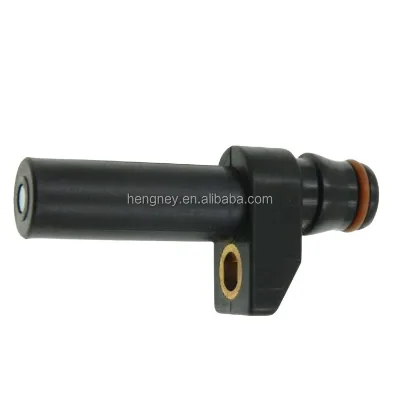
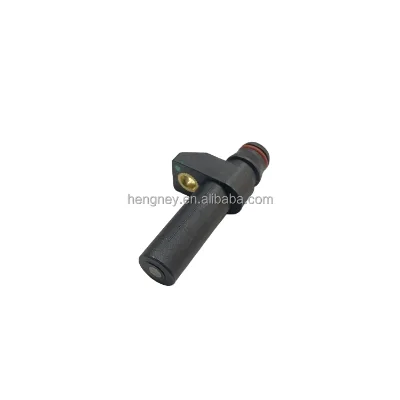
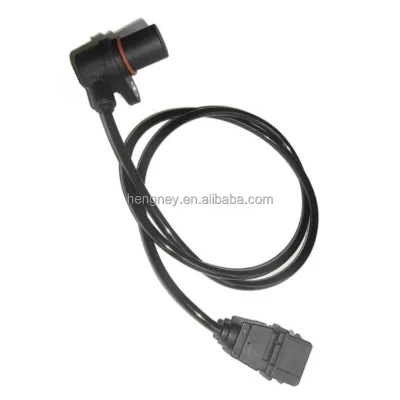
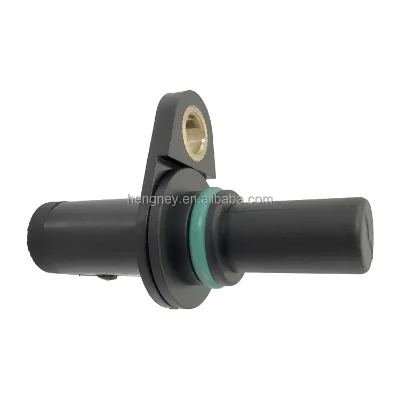
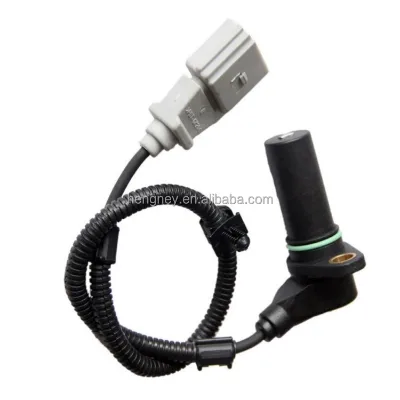
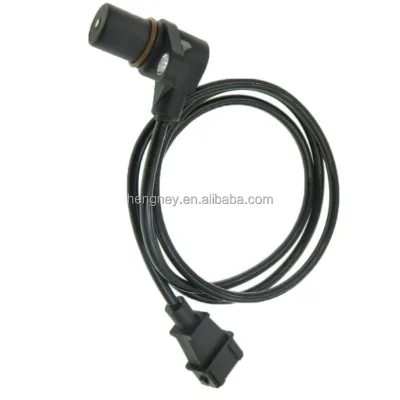
Credit Parts Auto Engine Crankshaft Position Sensor 9012039, 93171450 for Opel
$5.00 - $20.00
MOQ: 1 Pieces


Crankshaft Position Sensor Fits 96418382/10456515/6238118/4808137/8-10456-515-0
$1.00 - $99.00
MOQ: 100 Pieces


Comprehensive Sourcing Guide
Strategic Sourcing Guide for Mercedes-Benz Crankshaft Position Sensors
Navigating the global market for automotive components requires a disciplined approach, particularly when sourcing critical engine management parts like the crankshaft position sensor for Mercedes-Benz vehicles. This component is vital for engine timing, ignition, and fuel injection synchronization. A failure in this sensor often results in engine stalling, rough idling, or a complete inability to start. For procurement professionals, the challenge lies not only in identifying the correct part but in verifying the technical integrity, compliance status, and supply chain reliability of potential vendors. This guide synthesizes available market data and industry standards to provide a framework for evaluating suppliers and products in this specific category.
Technical Specifications and Compatibility Verification
The primary technical challenge in sourcing a crankshaft position sensor for a Mercedes-Benz vehicle is ensuring precise compatibility with the specific engine architecture. Unlike generic sensors, these components must interface correctly with the Engine Control Unit (ECU) to provide accurate timing data. The market data indicates that specific models, such as CCPS80410, CCPS-09009, and CCPS-12039, represent distinct variations in the sensor landscape. While the core keyword focuses on Mercedes-Benz, the observed product attributes reveal a broader ecosystem where sensors are often designed to fit multiple manufacturers, including Chrysler, Opel, GM, Renault, Daewoo, and Isuzu.
When evaluating a potential sensor, buyers must scrutinize the wiring type and signal output. The observed data highlights a "Two-Wire" wiring configuration and a "Digital Type" output signal for several models. This is a critical specification; a sensor with an analog output or a different wire count will be incompatible with the digital logic of modern Mercedes-Benz ECUs. Furthermore, the physical dimensions must align with the engine bay constraints. The specifications list "Standard Size" and "Standard" dimensions, yet the physical fitment can vary significantly between engine generations. Buyers should verify that the "Thread Type" matches the mounting hole specifications of the target vehicle, as the data notes a "ZG" thread type for certain industrial or heavy-duty variants, which may not apply to passenger car applications.
The following table outlines key technical attributes observed in the current market that should be cross-referenced with specific Mercedes-Benz engine requirements:
| Attribute Category | Observed Market Data | Verification Requirement for Mercedes-Benz |
|---|---|---|
| Wiring Configuration | Two-Wire | Confirm pinout and wire gauge match ECU interface. |
| Signal Output | Digital Type | Ensure compatibility with ECU digital processing. |
| Physical Dimensions | Standard Size | Measure against original equipment mounting points. |
| Thread Type | ZG (Observed) | Verify thread pitch and diameter for engine block. |
| Material Construction | Plastic (IP Rating) | Assess durability against heat and vibration. |
| OE Reference Numbers | 0281002662, 93179850, etc. | Cross-reference with vehicle-specific service manuals. |
Compliance and Certification Standards
In the automotive aftermarket, compliance is not merely a formality but a prerequisite for liability protection and operational safety. The supplied data explicitly mentions certifications such as ISO 9001:2000 and ISO/TS 16949. These standards represent a baseline for quality management systems within the automotive supply chain. ISO 9001:2000 focuses on general quality management, while ISO/TS 16949 is specifically tailored for automotive production and relevant service parts. A supplier claiming these certifications should be able to provide valid, current documentation.
However, buyers must exercise caution regarding the interpretation of these standards. The data lists "Stardard" as a product standard in one instance and "OEM" in another, indicating variability in how manufacturers label their compliance. It is crucial to distinguish between a supplier's internal quality policy and an independent third-party certification. The presence of ISO 9001 and TS 16949 suggests a commitment to consistent manufacturing processes, but it does not guarantee that every individual batch of sensors will meet the rigorous performance demands of a Mercedes-Benz engine. Buyers should verify that the certification covers the specific manufacturing site and the specific product line being sourced. Additionally, the "IP Rating" observed in the data is listed as "IPMaterial:Plastic," which is an ambiguous descriptor. Buyers should request a specific IP code (e.g., IP67) to ensure the sensor is protected against dust and water ingress, which is essential for engine bay environments.
Cost Drivers and Pricing Dynamics
Understanding the cost structure of crankshaft position sensors is essential for budgeting and negotiation. The observed market data indicates a price range of 1 to 99 USD. This wide variance suggests a spectrum of products ranging from basic aftermarket replacements to high-quality OEM-equivalent components. Several factors drive these price differences. The complexity of the internal electronics, such as the "Normal Wirewound" production process mentioned in the data, influences the unit cost. Sensors with more advanced signal processing or higher-grade materials will naturally command a higher price point.
The Minimum Order Quantity (MOQ) is another significant cost driver. The data shows an MOQ range of 1 to 200 units, with a specific high-confidence fact noting an MOQ of 100 for certain items. For small fleet operators or repair shops, an MOQ of 100 may be prohibitive, forcing them to pay a premium for smaller quantities or to consolidate orders. Conversely, large-scale distributors may negotiate lower unit prices by meeting higher volume thresholds. The "Sample" availability is also a factor; the data confirms that samples can be provided for testing. While samples are often free or low-cost, the logistics of obtaining and testing them must be factored into the total cost of ownership. Buyers should calculate the total landed cost, including shipping and potential customs duties, rather than focusing solely on the unit price listed in the catalog.
Typical Applications and Vehicle Compatibility
While the core search term is Mercedes-Benz, the market data reveals a complex web of cross-compatibility. The observed product attributes list "Car Make" entries for Chrysler, Opel, GM, Renault, Daewoo, and Isuzu. This indicates that many crankshaft position sensors are designed with universal mounting points or are part of a multi-vehicle platform strategy. For a Mercedes-Benz buyer, this presents both an opportunity and a risk. An opportunity exists if the sensor is a high-quality aftermarket part that meets or exceeds OEM specifications for a lower price. However, the risk lies in assuming compatibility without rigorous verification.
The OE (Original Equipment) numbers provided in the data, such as 0281002662, 93179850, 6238050, 0281002315, and 9118368, serve as critical reference points. These numbers are not exclusive to Mercedes-Benz; they are often shared across General Motors and other manufacturers. A buyer must use these numbers to confirm the specific application. For instance, a sensor with OE number 0281002662 might be listed for a GM vehicle in one catalog but be the correct replacement for a specific Mercedes-Benz engine in another. The "Fuel Type" is listed as "Gasoline," which is standard for most passenger cars, but buyers must ensure the sensor is rated for the specific operating temperature and pressure of the target Mercedes-Benz engine. The "Aftermarket" attribute is described as "High Quality," but this is a qualitative claim that requires independent validation through testing.
Supplier Evaluation and Production Capabilities
Selecting the right supplier involves more than just checking a certification list. The production process and origin of the goods are vital indicators of reliability. The data indicates origins in Wenzhou, Zhejiang, and Guangdong, China. These regions are known for their manufacturing capabilities, but they also host a wide range of suppliers with varying levels of quality control. The "Production Process" is noted as "Normal Wirewound," which is a standard manufacturing technique. However, buyers should inquire about the specific quality control measures implemented during this process.
The "Delivery Time" is listed as "in 20 Days" in the data. This lead time is a critical factor for supply chain planning. For critical engine parts, a 20-day lead time might be too long for immediate repairs, necessitating a local inventory strategy. Buyers should evaluate the supplier's ability to meet this timeline consistently. The "Warranty" period of "1 Year" is a standard offering, but the terms of the warranty—such as whether it covers labor costs or only replacement parts—must be clearly defined. Furthermore, the "Item Condition" is listed as "Brand New," which is a basic requirement, but buyers should verify that the packaging prevents damage during transit. The "prod_packing" details, such as "One Throttle Position Sensor in One Neutral Box" or "Sensor Neutral Packing, 50 Boxes One Carton," suggest that packaging standards vary. Proper packaging is essential to prevent static discharge or physical damage to the sensitive electronic components.
Quality Control and Long-Term Procurement
Ensuring long-term success in sourcing requires a robust quality control strategy. The "Sample" availability is a key tool in this process. The data confirms that samples can be provided for test. Buyers should utilize this option to perform rigorous testing before committing to a large order. Testing should include electrical resistance checks, signal output verification under load, and environmental stress testing to simulate engine bay conditions. The "IP Rating" ambiguity mentioned earlier highlights the need for specific testing protocols. Buyers should not rely on the "High Quality" attribute alone but should demand test reports or third-party validation.
Long-term procurement considerations also involve the stability of the supply chain. The "Standard" attribute is listed as "OEM" for some items, suggesting a level of adherence to original specifications. However, the "prod_standard" is also listed as "Stardard" in other instances, indicating potential inconsistencies in supplier documentation. Buyers should prioritize suppliers who maintain consistent documentation and can demonstrate a track record of supplying parts that meet the rigorous demands of the automotive industry. The "Warranty" of 1 year provides a safety net, but the supplier's financial stability and reputation for honoring warranties are equally important.
In conclusion, sourcing a Mercedes-Benz crankshaft position sensor requires a meticulous approach that balances technical specifications, compliance verification, and supply chain reliability. The observed market data provides a foundation for understanding the landscape, but it also underscores the need for due diligence. Buyers must verify compatibility through OE numbers, validate certifications through documentation, and test samples to ensure performance. By adhering to these disciplined procurement practices, buyers can mitigate risks and secure high-quality components that ensure the optimal performance of their Mercedes-Benz vehicles. The interplay between cost, quality, and availability demands a strategic mindset, where every decision is backed by evidence and aligned with the specific needs of the application.
FAQs
Can samples be provided for testing before bulk order?
Yes, samples can be provided for test to verify product quality. This allows buyers to check specifications like wiring type and signal output before committing to larger quantities.
What certifications do the manufacturers hold for quality assurance?
Manufacturers hold ISO 9001 and TS 16949 certifications for quality management. These standards ensure consistent manufacturing processes suitable for automotive production and service parts.
Which lead time should I expect for delivery after ordering?
The standard delivery time is in 20 days from order confirmation. Buyers should plan their inventory accordingly as this lead time applies to the supply chain from origin.
How is the product packed for safe international shipping?
Products are packed with one sensor in a neutral box inside a carton. Some variants use specific packing like 50 boxes per carton to ensure safety during transit.
What is the minimum order quantity required for purchase?
The minimum order quantity is 100 units for certain items. Some suppliers may offer lower MOQs, but the standard requirement often starts at this volume threshold.
Which car makes are compatible with these crankshaft sensors?
These sensors are compatible with Chrysler, Opel, GM, Renault, Daewoo, and Isuzu vehicles. Buyers must cross-reference OE numbers to confirm fitment for specific Mercedes-Benz engines.
What warranty period is included with the purchased sensor?
A 1-year warranty is included with the brand new item. This coverage protects against defects, though specific terms regarding labor costs should be verified with the supplier.