Source Casual Pillow Crossbody Bag for Travel, Daily, and Work
Explore 30 options for the Casual Pillow Crossbody Bag, featuring varied materials like leather and nylon, styles from European to simple, and colors including brown and mixed. Compare specifications such as waterproofing, hardness, and dimensions to find the ideal accessory for your needs.
Key considerations
Products List




Comprehensive Sourcing Guide
Casual Pillow Crossbody Bag Sourcing Guide
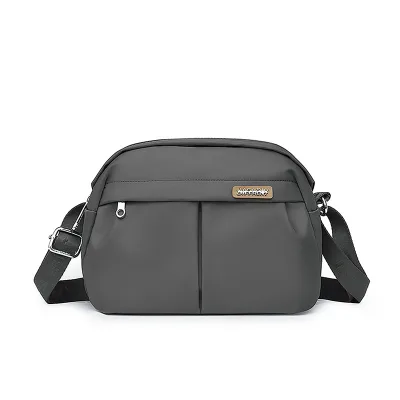
Buyers evaluating casual pillow crossbody bags must first distinguish between the soft, cushioned aesthetic and the structural integrity required for daily use. The observed product data reveals a diverse range of materials, including leather, PU, suede, and nylon, each offering distinct tactile experiences and durability profiles. While some listings highlight a "Medium Soft" hardness and "Soft" softness index, others specify "Nylon" with "Waterproof" attributes, indicating that the "pillow" descriptor often refers to the silhouette rather than a uniform material composition. Procurement teams should verify if the specific model meets the intended use case, as a "Non-Waterproof" PU bag may fail in rainy conditions despite its appealing shape.
The market signals indicate a strong preference for European and simple styles, with popular variations including one-shoulder crossbody designs and bucket bags. Color options range from solid brown and single colors to mixed and candy color palettes, allowing for targeted seasonal collections. However, the presence of conflicting attributes, such as "Suede" and "PU" cortex materials listed for similar models, necessitates rigorous sample verification before bulk ordering. Buyers should prioritize suppliers who can clearly define the specific material composition for each SKU, ensuring that the "casual" classification aligns with the actual fabric weight and finish observed in the physical product.
Product Scope and Observed Listing Signals
The product scope for casual pillow crossbody bags encompasses a wide array of functional and aesthetic variations, ranging from lightweight designs to those featuring magnetic snap closures. Observed listings show models like B99900088 and CAS-01, which demonstrate that the category includes both traditional leather constructions and modern synthetic alternatives like polyester-cotton linings. The "Fashion Element" data points to specific design trends such as stitching bags and horizontal square shapes, which buyers must match against current retail demand. Understanding these signals helps in filtering the 30 available products to find those that truly fit the "pillow" aesthetic without compromising on the required storage capacity or strap comfort.
Commercial signals also highlight significant variability in packaging and customization capabilities, which directly impacts logistics and branding strategies. Some products arrive in simple PE bags, while others utilize PVC bags, boxes, or fully customizable packaging solutions. This variation suggests that suppliers are flexible but require clear instructions to avoid fulfillment errors. Buyers should note that while "Customization" is available, the specific parameters for altering the "Style Name" or "Color" must be defined early in the negotiation. The presence of "Mixed Color" and "8 Color" options further indicates that suppliers can support diverse inventory needs, provided the buyer can manage the complexity of multi-SKU orders.
Technical Specifications to Verify
Technical verification must begin with precise dimensional analysis, as the observed standard sizes vary significantly from 238.512.5 cm to 291320 cm. These measurements dictate the internal volume and external profile, directly influencing whether a bag can be classified as a "pillow" style or a standard crossbody. Buyers should request detailed dimension sheets for every model to ensure the "Horizontal Square" or "Bucket Bag" shapes meet the intended spatial requirements. Relying on generic descriptions is risky; the physical dimensions must be confirmed against the specific "prod_model" to avoid receiving items that are too small for daily essentials or too bulky for the desired casual look.
Material composition and functional attributes require equally strict scrutiny to ensure the product matches the "casual" and "soft" expectations. The data shows a mix of "Leather," "PU," "Suede," and "Nylon" materials, alongside varying lining options like "Polyester," "Fabric," and "Cotton." Crucially, the "Waterproof" attribute is not universal; while some nylon models are waterproof, others are explicitly non-waterproof. Buyers must verify the "Shoulder Strap Material," which ranges from PU to "Cowboy" fabric, to ensure comfort and durability. Additionally, the "Can It Be Washed with Water: No" constraint for certain models means that care instructions must be clearly communicated to end-users to prevent damage.
Compliance and Safety Documentation
Compliance documentation for casual pillow crossbody bags often centers on material safety and general product testing, as indicated by the presence of "Test Report" certifications in the observed data. While specific chemical standards are not listed, the existence of a test report suggests that suppliers are capable of providing evidence of material safety, which is essential for entering regulated markets. Buyers should explicitly request these reports to verify that the "PU," "Leather," or "Nylon" materials do not contain prohibited substances. Without this documentation, there is a risk of non-compliance with international safety regulations, particularly regarding leather tanning chemicals or synthetic material emissions.
Beyond material safety, buyers must verify that the product construction meets general quality and safety expectations for consumer goods. The "Casual" and "Unisex" classifications imply broad usage, necessitating robust stitching and hardware that can withstand daily wear. Although specific safety standards are not detailed in the provided facts, the "Test Report" serves as a baseline indicator of quality control. Procurement teams should ensure that the supplier can provide updated test reports for each production batch, especially when dealing with mixed materials like "Polyester-Cotton" linings. This proactive approach mitigates the risk of product recalls and ensures that the final goods meet the safety expectations of the target demographic.
Cost Drivers and Commercial Terms
Cost drivers in this category are heavily influenced by material selection and the complexity of the "Style Name" and design elements. Products featuring "Leather" or "Suede" cortex materials typically command higher prices than those using "PU" or "Nylon," reflecting the raw material costs and processing requirements. Additionally, the "Fashion Element" of stitching or specific shapes like "Bucket Bag" may increase labor costs due to the precision required in assembly. Buyers should analyze the price range of 1.12 to 169 USD to understand the correlation between material quality and final cost, ensuring that the selected model fits within the target margin structure.
Commercial terms, particularly Minimum Order Quantity (MOQ) and lead times, vary significantly across the observed product range. The MOQ spans from 1 to 1000 units, offering flexibility for small startups while accommodating large-scale retailers. However, the "prod_packing" requirements, such as "PE Bag + Carton" or "PVC Bag or Box," can impact shipping costs and volume efficiency. Buyers must negotiate these terms carefully, as custom packaging options may increase the unit cost or extend the lead time. Understanding the relationship between the "prod_model" and its specific MOQ is crucial for optimizing inventory levels and cash flow without overcommitting to slow-moving SKUs.
Supplier Qualification and Quality Control
Supplier qualification should focus on the ability to consistently deliver the specific material and finish attributes observed in the product listings. Given the mix of "Leather," "PU," and "Nylon" options, a qualified supplier must demonstrate expertise in handling diverse material types without compromising the "Soft" or "Medium Soft" texture. Buyers should audit the supplier's production capabilities to ensure they can maintain the "European Style" and "Simple" aesthetic across different batches. The presence of "Customization" capabilities further indicates that the supplier has the flexibility to adapt designs, but this requires a robust quality control process to prevent deviations from the approved samples.
Quality control protocols must address the specific functional attributes like "Waterproof" status and "Closing Method" reliability. Since some models are "Non-Waterproof" while others are "Waterproof," the supplier's testing procedures must be rigorous to prevent mislabeling or performance failures. The "Magnetic Snap" closure and "Stitching Bag" elements require close inspection to ensure they function correctly and do not degrade over time. Buyers should implement a pre-shipment inspection plan that specifically checks the "Inside Material" and "Shoulder Strap Material" for consistency. This ensures that the final product matches the "prod_standard" and delivers the expected durability for casual, everyday use.
Long-Term Procurement Checks
Long-term procurement success depends on maintaining consistent quality and supply chain stability as the product line evolves. Buyers should establish a schedule for periodic re-verification of the "prod_model" specifications, particularly for materials like "Suede" and "PU" which can vary in quality over time. The "Season: Spring" attribute suggests that these products may have seasonal demand peaks, requiring suppliers to scale production efficiently without sacrificing quality. Regular audits of the supplier's inventory and production capacity will help ensure that the "Customization" options remain available and that the "Color" options stay consistent with market trends.
Continuous monitoring of market feedback and product performance is essential for refining the procurement strategy. Buyers should track customer returns and complaints related to the "Waterproof" claims or "Softness Index" to identify potential quality issues early. If a specific model like B99900088 shows recurring defects, the supplier must be held accountable for corrective actions. Additionally, maintaining a relationship with the supplier for future design iterations will allow for the integration of new "Fashion Elements" or "Style" updates. This proactive approach ensures that the Casual Pillow Crossbody Bag line remains competitive and aligned with evolving consumer preferences.
FAQs
What materials are used for the Casual Pillow Crossbody Bag?
The bag is constructed from leather, PU, suede, or nylon with polyester or cotton linings. Some models feature fabric interiors and cowboy-style straps. These materials ensure durability while maintaining a soft feel for daily use.
Can the Casual Pillow Crossbody Bag be washed with water?
No, the bag cannot be washed with water as it is not waterproof in most styles. While some nylon versions offer water resistance, the leather and suede options require dry cleaning to prevent damage to the material and structure.
Which styles are available for the Casual Pillow Crossbody Bag?
Available styles include European, simple, and shoulder bag designs. Specific models feature one-shoulder crossbody, bucket, or horizontal square shapes. Options range from candy colors to mixed colors and single color variations for different fashion preferences.
How is the Casual Pillow Crossbody Bag packed for shipping?
The bag is typically packed in a PE bag inside a carton. Some models use PVC bags, boxes, or custom packaging solutions. This ensures protection during transit while allowing flexibility for bulk orders and specific client requirements.
What is the customization availability for the Casual Pillow Crossbody Bag?
Customization is available for this product line. Buyers can request specific modifications to meet unique design needs. This flexibility allows for tailored solutions while maintaining the core quality and style standards of the original product models.
What certifications does the Casual Pillow Crossbody Bag have?
The product includes a test report as a standard certification. This document verifies quality and safety standards for the materials used. Buyers can rely on this report to ensure the bag meets necessary industry requirements for export and retail.
What are the dimensions of the Casual Pillow Crossbody Bag?
Standard dimensions vary by model, with sizes like 23 by 8.5 by 12.5 cm or 29 by 13 by 20 cm. Other models measure 22 by 34 by 9 cm. These specifications ensure the bag fits daily essentials comfortably.