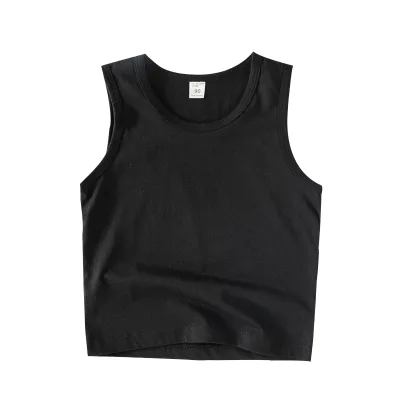
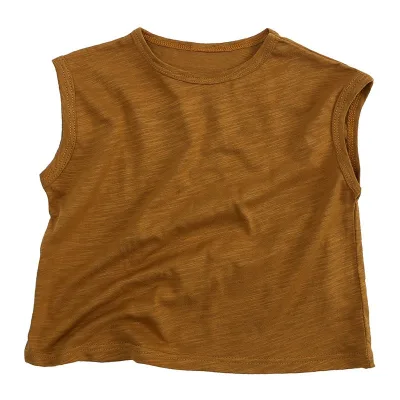
Source Casual Knitted Boys Tank Top for Gym, Play, and School
Find 30 options for a Casual Knitted Boys Tank Top suitable for active wear. Compare features like breathable polyester-cotton blends, solid and polka dot patterns, and customizable OEM services from verified manufacturers in China; compare the available evidence and request quotations based on your requirements.
Key considerations
Products List
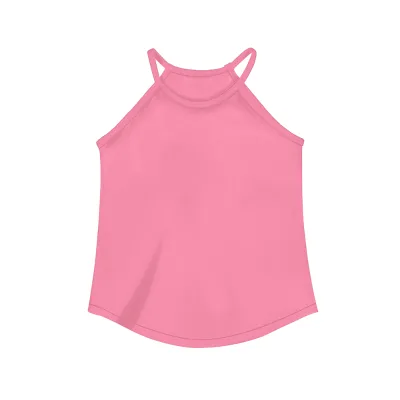
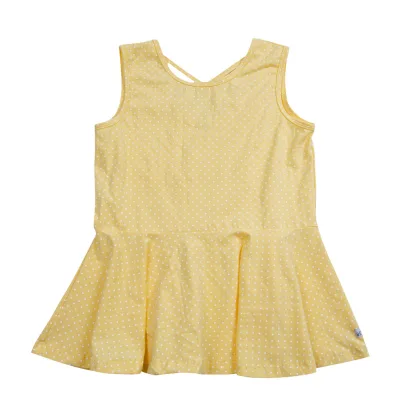


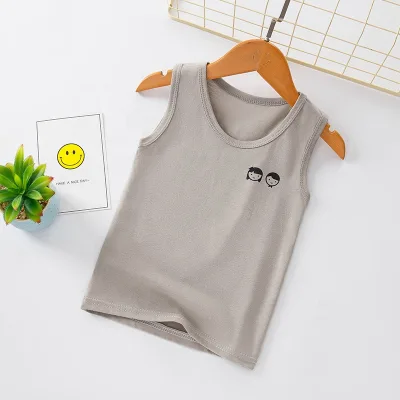
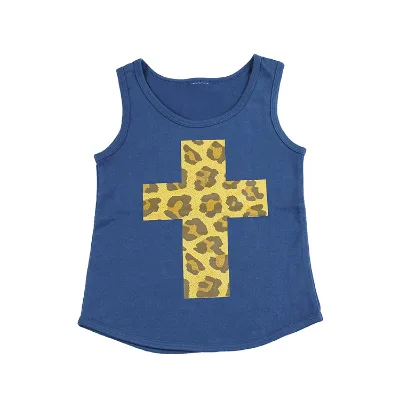

Summer Girls Cotton Tank Top with Lace and Bow for Kids Casual Halter Tops
$2.57 - $3.89
MOQ: 100 Pieces

Kid's Solid Color Vest Plus Size Street Style Hooded Sleeveless Tank Top
$1.20 - $6.64
MOQ: 100 Pieces


Customer Logo Kids Casual Tank Top Wear Solid Color Knitted Sleeveless Vest
$3.51 - $6.22
MOQ: 50 Pieces





Comprehensive Sourcing Guide
Casual Knitted Boys Tank Top Sourcing Guide
Sourcing casual knitted tank tops for boys requires a careful balance of comfort, durability, and aesthetic appeal, particularly when targeting the summer and spring seasons. Buyers should prioritize suppliers who offer OEM services, as this allows for greater customization in fit and branding, which is critical for building a distinct product identity in a competitive market. The observed product landscape indicates a strong preference for breathable fabrics, ensuring that young wearers remain cool and comfortable during active play. This focus on breathability is often paired with eco-friendly material claims, reflecting a growing market demand for sustainable apparel options that do not compromise on quality or style.
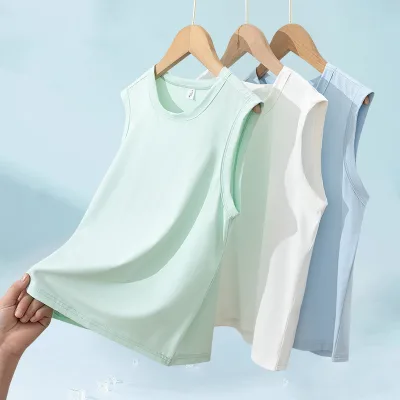
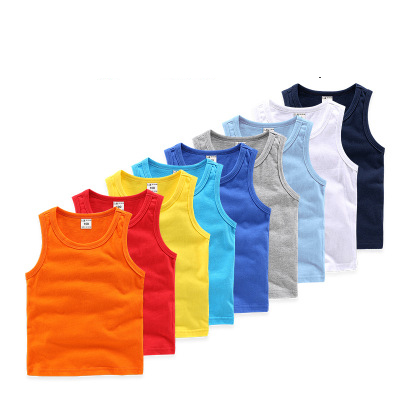
The visual and structural attributes of these garments vary, with options ranging from solid colors to playful polka dot patterns, catering to diverse parental preferences. Key design elements include O-neck and V-neck styles, which provide a classic and versatile look suitable for daily wear. Additionally, the sleeveless design is essential for heat management, making these tops ideal for warm weather. Buyers must verify that the chosen supplier can consistently deliver on these stylistic requirements while maintaining the structural integrity of the knit, ensuring that the garment retains its shape and comfort after multiple washes.
Product Scope and Observed Listing Signals
The current market for casual knitted boys' tank tops presents a wide array of material compositions, primarily focusing on polyester/cotton and spandex/cotton blends, with some options offering 100% cotton or 100% polyester variants. These material choices directly influence the garment's drape, stretch, and moisture-wicking capabilities, which are crucial for active children. The observed fabric weights typically hover around 220 grams, providing a substantial feel that suggests durability without being overly heavy. Buyers should note that fabric weight is often customizable, allowing for seasonal adjustments or specific brand positioning strategies that require lighter or heavier knits.
In terms of production capabilities, many suppliers support plain dyed technics and various printing methods, enabling the creation of solid-colored or patterned designs. The availability of customization services, including design, label, logo, and packaging, highlights the flexibility of modern manufacturing processes. This is particularly important for brands looking to establish a unique market presence. Furthermore, the suitability of these garments extends beyond just boys, with some listings indicating unisex or women's options, suggesting that the underlying patterns and cuts may be adaptable across different demographics, offering buyers a broader potential customer base.
Technical Specifications to Verify
When evaluating technical specifications, the neckline style is a primary consideration, with options including V-neck, round neck, square neck, and low neck designs. Each style offers a different aesthetic and functional benefit, influencing how the garment sits on the child's body and interacts with outer layers. Buyers must ensure that the chosen neckline construction is robust, as this area is prone to stretching and deformation over time. The sleeveless style is standard, but the armhole cut must be precise to prevent chafing and allow for full range of motion, which is essential for active wear.
Fabric weight is another critical technical parameter, with some listings specifying 220 grams while others offer customizable weights. This variability allows buyers to tailor the product to specific climate conditions or brand quality standards. Additionally, the pattern type, whether solid or polka dot, must be applied using techniques that ensure colorfastness and durability. Buyers should verify that the printing methods used do not compromise the breathability of the knit, as this can affect the overall comfort of the garment. The clothing length, often described as medium, should also be measured against standard sizing charts to ensure consistency across batches.
Compliance and Safety Documentation
Compliance with safety standards is non-negotiable when sourcing apparel for children, as regulatory bodies enforce strict guidelines to protect young consumers from harmful substances and physical hazards. Buyers should request documentation that verifies the fabric meets relevant safety standards, such as those related to flammability, chemical content, and physical safety. While some listings mention SGS certification, it is crucial to confirm that this certification applies specifically to the materials and finished goods being supplied, rather than just the company's general quality management system. This ensures that every batch of tank tops meets the required safety thresholds.
Eco-friendly claims are increasingly common, but they must be substantiated with credible certifications to avoid greenwashing. Buyers should inquire about the specific eco-friendly attributes of the fabric, such as the use of organic cotton or recycled polyester, and request corresponding documentation. Additionally, features like anti-pilling and anti-shrink properties should be backed by test results that demonstrate the garment's ability to maintain its appearance and fit after repeated washing. This documentation not only ensures compliance but also builds trust with consumers who are increasingly conscious of the environmental and quality aspects of the products they purchase.
Cost Drivers and Commercial Terms
The cost of casual knitted boys' tank tops is influenced by several factors, including material composition, fabric weight, and the complexity of the design. Suppliers with OEM capabilities may offer competitive pricing for bulk orders, but buyers should be aware that customization services, such as custom logos and packaging, can add to the overall cost. The observed MOQ ranges from 1 to 500 pieces, with some suppliers requiring a minimum of 100 pieces, which can impact inventory planning and cash flow for smaller buyers. Understanding these commercial terms is essential for accurate budgeting and cost control.
Lead times are another critical commercial consideration, with sample orders typically taking 3 to 5 days and bulk orders requiring 2 to 3 weeks. Buyers should factor in these timelines when planning their product launches and inventory replenishment cycles. The availability of free samples, which are often negotiable, allows buyers to assess quality before committing to a large order, reducing the risk of costly mistakes. Additionally, the packaging method, such as polybag or standard transport packaging, can affect shipping costs and product protection, so buyers should discuss these details with their suppliers to optimize logistics.
Supplier Qualification and Quality Control
Supplier qualification is a vital step in the sourcing process, requiring buyers to assess the manufacturer's production capacity, quality control systems, and business reputation. Suppliers that list themselves as manufacturers with a focus on main products like T-shirts, tracksuits, and uniforms may have specialized expertise in knitwear, which can translate to better quality and consistency. Buyers should verify the supplier's ability to handle custom orders, including design, labeling, and packaging, to ensure they can meet specific brand requirements. This due diligence helps mitigate the risk of supply chain disruptions and quality issues.
Quality control measures should be clearly defined and agreed upon before production begins. Buyers should request information on the supplier's inspection processes, including in-line and final inspections, to ensure that the finished goods meet the specified standards. Features like breathability, eco-friendliness, and durability should be tested and verified through third-party labs if necessary. Additionally, buyers should establish clear communication channels with the supplier to address any issues that may arise during production, ensuring that any deviations from the agreed specifications are corrected promptly.
Long-Term Procurement Checks
Long-term procurement success depends on establishing a sustainable and reliable supply chain that can adapt to changing market demands and consumer preferences. Buyers should regularly review supplier performance metrics, including on-time delivery, quality consistency, and responsiveness to issues, to identify potential areas for improvement. Building a strong relationship with suppliers can lead to better pricing, priority production, and access to new innovations, which are valuable assets in a competitive market. Continuous evaluation of the supply chain helps ensure that the brand remains agile and responsive to customer needs.
As trends evolve, buyers should stay informed about emerging materials, designs, and sustainability practices in the knitwear industry. This proactive approach allows for timely adjustments to product offerings, keeping the brand relevant and appealing to consumers. Additionally, buyers should monitor regulatory changes and industry standards to ensure ongoing compliance, protecting the brand from potential legal and reputational risks. By maintaining a focus on quality, compliance, and supplier relationships, buyers can build a resilient procurement strategy that supports long-term growth and success in the casual apparel market.
FAQs
What fabric types are available for casual knitted boys tank tops?
Available fabric types include Polyester/Cotton, Spandex/Cotton, and 100% Cotton blends. These materials ensure breathability and comfort for young boys. Some options also feature Eco-Friendly properties and Anti-Shrink capabilities to maintain quality after washing.
Can I order samples before placing a bulk order for these items?
Yes, sample orders are supported with a lead time of 3 to 5 days. Free samples are acceptable and negotiable depending on the supplier. This allows buyers to verify quality before committing to larger quantities for their specific needs.
Which customization services are offered for these tank tops?
Customization is available for design, labels, logos, and packaging. Buyers can request specific styles like Solid or Polka Dot patterns. OEM and ODM services are welcome to tailor products to unique brand requirements and market preferences.
What is the typical MOQ for ordering casual knitted boys tank tops?
The minimum order quantity is typically 100 pieces per design. However, observed ranges across suppliers vary from 1 to 500 units. Buyers should confirm specific MOQs with manufacturers to align with their inventory planning and budget constraints.
How long does it take to receive bulk orders from China?
Bulk order lead times generally range from 2 to 3 weeks after sample approval. Production originates from locations like Sichuan and Nanchang. This timeline ensures efficient manufacturing while maintaining the quality standards required for casual wear.
Are these tank tops suitable for summer wear?
Yes, these items are designed for Spring and Summer seasons. They feature breathable fabrics and quick-dry properties ideal for warm weather. The sleeveless style and knitted construction provide comfort for active boys during hot months.
What packaging methods are used for shipping these products?
Products are packed in standard transport packaging, often using polybags. Custom packaging services are available upon request to meet specific branding needs. This ensures items arrive safely while allowing flexibility for different distribution channels.