Source Casual Jeans Dress Belt for Retail, Wholesale, and Custom Orders
Compare 30 Casual Jeans Dress Belt options from verified suppliers. Buyers can evaluate alloy and cowhide materials, pin and auto buckle types, and customization availability for retail or wholesale needs; compare the available evidence and request quotations based on your requirements.
Key considerations
Products List


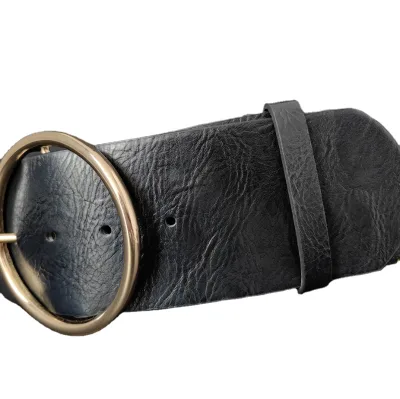
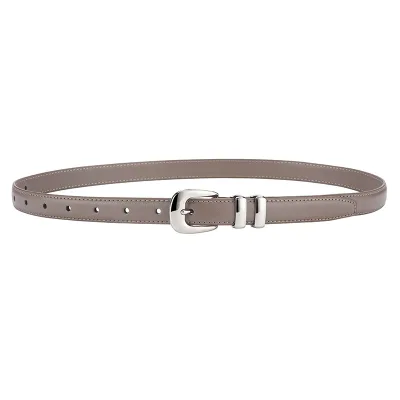
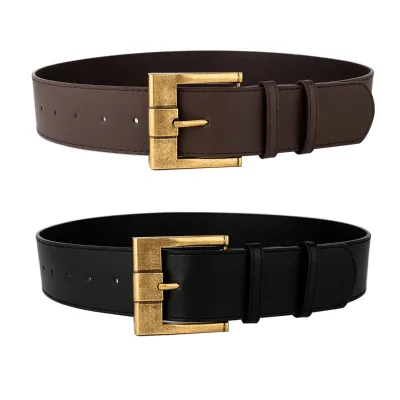
Classic Fashion Trend Women's Belt Design Belt Personality Jeans Dress Belt Women
$0.75 - $11.50
MOQ: 50 Pieces




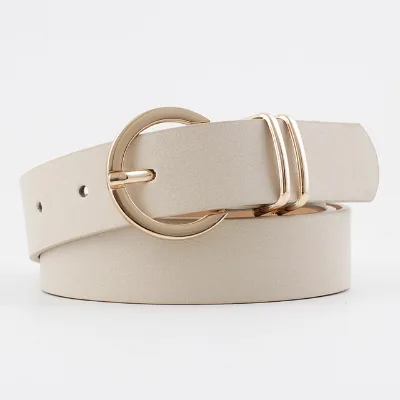
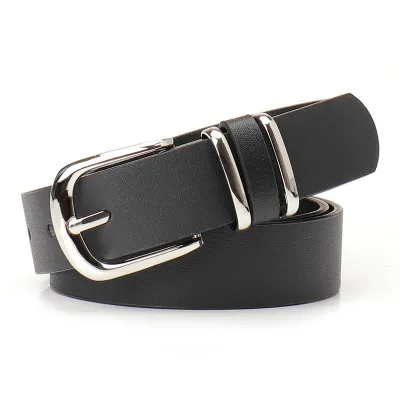
Belt-Casual Dress Single Prong Buckle Jeans Khakis Men's Casual Leather Belt
$2.80 - $3.00
MOQ: 1000 Pieces





Comprehensive Sourcing Guide
Casual Jeans Dress Belt Sourcing Guide
Sourcing casual jeans dress belts requires a nuanced understanding of material durability, hardware functionality, and aesthetic versatility. These accessories serve as critical finishing touches for denim apparel, bridging the gap between rugged utility and refined style. Buyers must recognize that the term "casual" encompasses a wide spectrum of designs, from minimalist leather straps to robust webbing with auto-buckles. The procurement strategy should prioritize suppliers who demonstrate consistency in stitching quality and buckle attachment strength, as these are the primary failure points in daily wear.
The market offers diverse options ranging from split cowhide to top grain leather, each presenting distinct cost and performance profiles. Observations indicate that models vary significantly in width, with common specifications including 2.8 cm and 3-4 cm widths. Buyers should evaluate whether the belt’s aesthetic aligns with the target demographic’s preferences for polished, embossed, or natural finishes. Understanding these material distinctions is essential for selecting the right product mix that balances cost-efficiency with perceived value, ensuring the final accessory complements the denim garment without compromising on comfort or longevity.
Product Scope and Observed Listing Signals
Current market listings reveal a broad range of product models, such as 30-15079 (1)-M, 40-14537, and WPUB-001, indicating a fragmented supply landscape with numerous SKUs. These identifiers often correspond to specific design iterations, allowing buyers to track variations in buckle type, leather grade, or packaging. The presence of models like G204, G304, and G511 suggests a tiered approach to product quality, where higher alphanumeric codes may denote premium materials or advanced manufacturing techniques. Procurement teams should use these model numbers to request precise samples and compare physical attributes across different supplier batches.
Listing signals also highlight significant variability in packaging and origin details, with products originating from Guangdong and Guangzhou, China. Packaging methods range from simple polybags to carton packing, with some listings specifying 1 piece per polybag and 3-500 pieces per carton. This variation impacts logistics planning and retail presentation, as bulkier packaging increases shipping volume and cost. Buyers must verify the actual packing configuration for each order to ensure it meets their warehouse handling capabilities and retail display requirements, avoiding unexpected surcharges or storage issues upon arrival.
Technical Specifications to Verify
Belt dimensions are a critical technical parameter, with observed lengths ranging from 110 cm to 130 cm and widths typically between 2.8 cm and 4 cm. Standard sizes such as 32"-44" and specific dimensions like 683528 cm for packaging or 13.5X5X5 cm for smaller items must be cross-referenced with the final product size. Buyers should confirm that the belt length accommodates the intended waist sizes, noting that some models offer customized sizing options. Verifying the exact width is equally important, as it affects the belt’s visual proportion with jeans and its ability to fit through belt loops securely.
Hardware specifications, particularly buckle material and type, define the belt’s functional integrity and aesthetic appeal. Alloy buckles are common, with pin buckles and auto buckles representing the two primary mechanisms. The choice between these types influences user convenience and durability, with auto buckles offering quick adjustment and pin buckles providing a classic, secure fit. Additionally, patterns such as polished or embossed finishes on the leather or buckle surface must be verified against design samples. Ensuring that the buckle material matches the specified alloy grade prevents premature tarnishing or breakage, maintaining the product’s quality over time.
Compliance and Safety Documentation
While specific certification statuses are not universally listed, buyers must ensure that all leather materials comply with relevant environmental and safety regulations. Split cowhide and top grain cowhide, commonly used in these products, should be sourced from tanneries that adhere to strict chemical management standards, such as restricted substance lists (RSLs). Buyers should request documentation confirming that the leather processing does not involve prohibited heavy metals or harmful dyes, particularly for products marketed to sensitive demographics. This due diligence protects the brand from regulatory risks and aligns with growing consumer demand for sustainable and safe fashion accessories.
Packaging materials also require compliance verification, especially if the product is destined for markets with strict plastic waste regulations. The use of polybags and cartons must be evaluated for recyclability and labeling accuracy. Buyers should confirm that packaging includes necessary information, such as material composition, country of origin, and care instructions, in the required languages. Ensuring that the packaging meets local labeling laws prevents customs delays and potential fines. Additionally, verifying that the carton packing is robust enough to protect the belts during transit reduces the risk of damage and subsequent returns.
Cost Drivers and Commercial Terms
The minimum order quantity (MOQ) is a significant commercial term, with observed values ranging from 50 to 600 pieces. Lower MOQs, such as 50 pieces, offer flexibility for testing new designs or small batch production, while higher MOQs like 600 pieces may provide better unit pricing. Buyers must balance their inventory needs with cash flow constraints, considering that larger orders reduce per-unit costs but increase holding costs. Understanding the supplier’s MOQ structure is essential for negotiating favorable terms and planning production schedules that align with seasonal demand fluctuations.
Lead times and sample availability are other critical cost drivers that impact overall procurement efficiency. Sample times typically range from 7 to 15 days, while production times can extend to approximately 35 days. These timelines influence the buyer’s ability to respond to market trends and manage stock levels. Buyers should factor in these lead times when placing orders, ensuring sufficient buffer for potential delays. Additionally, customization options, which are available for many models, may incur additional costs or extend lead times. Evaluating the trade-off between customization benefits and increased costs is vital for optimizing the product’s market fit.
Supplier Qualification and Quality Control
Supplier qualification begins with verifying the manufacturer’s location and production capabilities. Many suppliers are based in Guangdong and Guangzhou, China, regions known for their robust leather goods manufacturing infrastructure. Buyers should assess the supplier’s factory conditions, equipment, and workforce expertise to ensure consistent quality. Requesting references or visiting the facility, if possible, provides insight into the supplier’s operational reliability. A qualified supplier should demonstrate a clear quality control process, from raw material inspection to final product packaging, ensuring that each belt meets the specified standards.
Quality control protocols must include rigorous testing of buckle attachment strength, leather durability, and stitching integrity. Buyers should define clear acceptance criteria for defects, such as uneven stitching, loose buckles, or surface imperfections. Implementing a pre-shipment inspection process helps identify and rectify issues before goods leave the factory. Additionally, verifying that the supplier offers customization services allows for tailored solutions that meet specific brand requirements. Establishing a strong relationship with a qualified supplier ensures long-term stability and consistent product quality, reducing the risk of supply chain disruptions.
Long-Term Procurement Checks
Long-term procurement success depends on continuous monitoring of supplier performance and product quality. Buyers should establish key performance indicators (KPIs) such as on-time delivery rate, defect rate, and responsiveness to issues. Regular audits and feedback loops help maintain high standards and identify areas for improvement. By tracking these metrics, buyers can make data-driven decisions about supplier relationships, rewarding high performers and addressing underperformance promptly. This proactive approach ensures that the supply chain remains resilient and adaptable to changing market conditions.
Market trends and consumer preferences evolve, requiring buyers to stay informed about emerging styles and materials. Regularly reviewing product listings and competitor offerings helps identify new opportunities for innovation and differentiation. Buyers should also monitor regulatory changes and sustainability trends, adjusting their sourcing strategies accordingly. By maintaining a flexible and informed procurement approach, buyers can ensure that their casual jeans dress belts remain relevant and competitive. Continuous engagement with suppliers and market analysis fosters a dynamic sourcing environment that supports long-term business growth.
FAQs
What belt materials are available for casual jeans dress belts?
Split cowhide and top grain cowhide leather are listed belt materials, with PU belts also offered as a style option. Buckles are typically alloy, and one listing specifies zinc alloy hardware. Availability varies by model, so confirm the exact material combination for each style before ordering, since split leather, full top grain leather, and PU differ in durability, finish, and price.
Can I order custom sizes or customized casual jeans dress belts?
Yes, customization is available, and one listing explicitly accepts customized sizes. Standard belt lengths commonly run from 110cm to 130cm and above, with widths around 2.8cm to 4cm. When requesting customization, confirm the buckle style, leather grade, embossed or polished pattern, and packaging, and note that sample development typically takes about seven to fifteen days.
What is the typical MOQ for casual jeans dress belts?
Minimum order quantities vary by listing: some belts require 600 pieces, while others list an MOQ of 50. Smaller MOQs often suit trial orders or buyers testing a new style, whereas larger MOQs may come with better pricing. Confirm the exact MOQ for the specific model you want, since each listing sets its own requirement independently.
How long do production and sampling take?
Sample development takes about seven to fifteen days, and bulk production time is roughly thirty-five days after samples are approved. These timelines can shift with order size, customization level, and season. Plan your schedule accordingly and confirm current lead times with the supplier before placing an order, especially if you need delivery by a fixed retail date.
How are casual jeans dress belts packed for shipping?
Packing typically places one piece per polybag, then packs three to five hundred pieces per carton, with carton dimensions around 68 by 35 by 28cm or smaller sizes near 13.5 by 5 by 5cm per piece. Some listings simply state carton packing. Confirm carton quantity, piece protection, and labeling requirements with the supplier before shipment.
What buckle types can I choose from?
Pin buckles and automatic buckles are the main buckle types offered for casual jeans dress belts. Alloy is the common buckle material, with zinc alloy specified in some models, and finishes include polished and embossed patterns. Buckle choice affects both appearance and cost, so specify the type, material, and finish you prefer when requesting quotes or samples from suppliers.
Which belt sizes fit most adult buyers?
Most adult unisex belts come in lengths from 110cm to 130cm or longer, and some listings state sizing for waists from size 32 to 44 inches. Belt widths generally range from 2.8cm to 4cm, which suits both jeans loops and dress trousers. Measure your waist over the clothing you will wear, then select the matching length range.
Where are these casual jeans dress belts produced?
Listings show origins in China, with Guangdong and Guangzhou specifically noted for several models. These regions are established leather goods manufacturing areas with access to materials and hardware. Origin alone does not guarantee quality, so review each supplier's specifications, samples, and production terms directly. Shipping costs and transit times from these regions should also be confirmed.