Source Casual Tote Crossbody Bag for Travel, Work, and Daily Use
Explore 26 options for the Casual Tote Crossbody Bag, featuring materials like canvas, PU, and genuine leather. Compare styles including European and leisure designs, check specifications such as dimensions and waterproofing, and evaluate customization availability for your sourcing needs; compare the available evidence and request quotations based on your requirements.
Key considerations
Products List


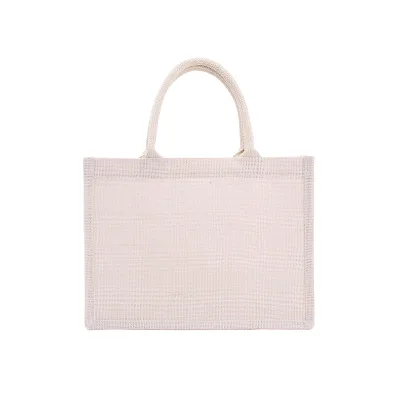
Large Capacity Canvas Shoulder Bag Fashion Casual Crossbody Shopping Bag
$0.59 - $1.29
MOQ: 100 Pieces




Comprehensive Sourcing Guide
Casual Tote Crossbody Bag Sourcing Guide
The Casual Tote Crossbody Bag market offers diverse options ranging from canvas totes to synthetic leather designs, catering to female consumers seeking European or leisure styles. Buyers must distinguish between non-waterproof canvas models and waterproof variants featuring PU straps or synthetic leather exteriors. The observed product range includes specific models like B999000170 and B999000335, which utilize distinct materials such as polyester linings or genuine leather. Understanding these material differences is critical for selecting the right bag for specific daily use cases, whether for light shopping or more structured outings.
Procurement decisions should also account for the wide variation in customization capabilities and packaging standards found across listings. Some suppliers offer mixed color options with stitching line details, while others provide white or various color choices with custom logo services. Packaging varies significantly from simple PE bags to robust cartons or express boxes, directly impacting shipping costs and product protection. Buyers need to verify if the supplier can accommodate specific packing requests, such as custom cartons, to ensure the final product arrives in optimal condition for retail display.
Product Scope and Observed Listing Signals
Buyers should analyze the observed price range of 0.2 to 68.68 USD to understand the spectrum of quality and material costs available in the current market. This wide variance often reflects differences between basic canvas constructions and premium genuine leather or synthetic leather options with added features like USB charging ports. The minimum order quantity (MOQ) ranges from a single piece to 3000 units, indicating that suppliers cater to both small trial orders and large-scale bulk procurement needs. Understanding these financial signals helps buyers align their budget with the expected quality tier and volume requirements.
The product attributes reveal a strong focus on trendy elements like stitching lines and specific popular styles such as tote bags and handbags. Many listings highlight features like padded straps, anti-theft designs, and luggage straps, which are essential for modern travel and urban commuting scenarios. However, not all products share the same waterproof capabilities; some are explicitly non-waterproof while others are fully waterproof. Buyers must carefully cross-reference these attribute signals with their specific customer requirements to avoid purchasing items that lack necessary durability or weather resistance for their target demographic.
Technical Specifications to Verify
Verification of physical dimensions is paramount, as observed standards vary from compact 202011 cm sizes to larger 3540 cm or 4550 cm formats. Buyers must confirm the exact external and internal dimensions to ensure the bag meets the intended capacity for daily essentials or travel gear. Specific model numbers like B999000193 and SU-SHB-197 often correspond to distinct size profiles, so referencing these identifiers during the ordering process prevents mismatches between the ordered specification and the delivered product. Accurate dimension verification ensures the bag fits the intended use case without being too bulky or too small.
Material composition and hardware specifications require rigorous checking to ensure longevity and aesthetic consistency. The supply chain offers options with canvas textures, PU straps, and polyester-cotton linings, alongside genuine leather and synthetic leather exteriors. Buyers should verify if the shoulder strap material matches the bag's overall durability expectations, as PU straps may differ significantly from leather alternatives in terms of wear resistance. Additionally, confirming whether the product can be washed with water is essential, as many listed items are explicitly marked as non-washable, which affects long-term maintenance and care instructions for the end consumer.
Compliance and Safety Documentation
While specific certification names are not universally listed in the provided data, buyers must request proof of compliance for materials used, particularly regarding leather and synthetic alternatives. The presence of features like USB charging ports implies the inclusion of electronic components, which necessitates verification of electrical safety standards to prevent overheating or short-circuit risks. Suppliers should provide documentation confirming that the electronic integration meets relevant safety regulations for the destination market, ensuring the product is safe for consumer use without posing fire or shock hazards.
Documentation regarding the origin and manufacturing standards is equally critical for establishing supply chain transparency. Most observed products originate from China, and buyers should request detailed production records that verify the quality of the canvas, polyester, and PU materials used. For items claiming high quality or specific standards like 28X13X20CM, suppliers must provide evidence that these specifications are consistently met across production batches. Ensuring that the manufacturing process adheres to agreed-upon quality benchmarks helps mitigate the risk of receiving substandard goods that fail to meet the buyer's expectations.
Cost Drivers and Commercial Terms
The final cost of a Casual Tote Crossbody Bag is heavily influenced by material selection, with genuine leather and synthetic leather typically commanding higher prices than canvas or polyester options. Additional features such as waterproofing, USB charging ports, and anti-theft designs add complexity to the manufacturing process, thereby increasing the unit cost. Buyers should analyze how these specific attributes impact the price range observed between 0.2 and 68.68 USD to determine the most cost-effective configuration that still meets their quality and functionality requirements.
Commercial terms regarding packaging and shipping logistics play a significant role in the total landed cost. Suppliers offer various packing methods, from standard cartons to custom express boxes, each carrying different cost implications for freight and handling. The choice of express shipping services like FedEx or UPS can significantly alter the delivery timeline and expense, especially for small MOQ orders. Buyers need to negotiate clear terms on who bears the cost of specialized packaging and expedited shipping to ensure the final price remains competitive while maintaining product integrity during transit.
Supplier Qualification and Quality Control
Assessing a supplier's ability to handle customization is a key qualification metric, as many listings indicate that logos and specific packing requests are available. Buyers should verify the supplier's capacity to produce custom designs without compromising the structural integrity of the bag or the quality of the stitching lines. The availability of customization options suggests a flexible manufacturing process, but it is essential to confirm that the supplier has the necessary equipment and expertise to execute these changes consistently across large production runs.
Quality control protocols must be established to ensure that the "High Quality" claims made by suppliers are substantiated by actual product performance. Buyers should implement pre-shipment inspections to verify that the hardness, texture, and waterproofing attributes match the agreed specifications. Given the variation in materials from canvas to genuine leather, a robust QC plan should include checks for stitching durability, strap attachment strength, and lining consistency. This proactive approach helps identify defects early and ensures that the final delivered goods meet the rigorous standards expected by the end consumer.
Long-Term Procurement Checks
Sustaining a successful procurement relationship requires regular audits of the supplier's ability to maintain consistent product standards over time. Buyers should monitor whether the observed specifications, such as the 202011 cm standard or the specific model numbers, remain stable across different production batches. Consistency in material quality, particularly for items like polyester linings and PU straps, is vital for maintaining brand reputation and customer satisfaction in the long term. Regular performance reviews help identify any drift in quality that could negatively impact the product line.
Future-proofing the supply chain involves staying informed about evolving trends in casual tote and crossbody bag designs, such as new trendy elements or functional additions. Buyers should maintain open communication with suppliers to anticipate changes in popular styles, like the shift toward European or leisure aesthetics, and to ensure the product range remains relevant. Additionally, monitoring the supplier's response to customization requests and their ability to adapt to new packaging or shipping requirements will ensure the partnership remains agile and responsive to market demands.
FAQs
What materials are used for casual tote crossbody bags?
Casual tote crossbody bags are commonly crafted from canvas, synthetic leather, or genuine leather. Some models feature PU shoulder straps and polyester or polyester-cotton linings. These materials offer a balance of durability and style, suitable for everyday European or leisure fashion trends.
Can casual tote crossbody bags be customized?
Yes, customization is available for many casual tote crossbody bags. Buyers can often request customized logos, specific colors like white or mixed candy colors, and tailored packaging options. This flexibility allows brands to align the product with their unique identity and market requirements effectively.
What are the standard specifications for these bags?
Standard specifications vary by model, with common dimensions including 20x20x11 cm, 28x13x20 cm, and 35x40 cm. Some larger tote styles measure 45x50 cm. These sizes accommodate daily essentials, ensuring the bag remains practical for both casual outings and professional environments while maintaining a stylish profile.
Are casual tote crossbody bags waterproof?
Waterproof capabilities depend on the specific model. Some casual tote crossbody bags are designed with waterproof features and additional functions like USB charging ports or anti-theft designs. Others are non-waterproof, made from standard canvas or leather. Buyers should check individual product attributes to confirm water resistance levels.
What is the typical MOQ for these bags?
The minimum order quantity for casual tote crossbody bags typically ranges from 1 piece to 3000 pieces. Many suppliers offer low MOQs starting at just one piece, making it accessible for small businesses or sample testing. Higher volumes may unlock better pricing or customization options for larger orders.
How are casual tote crossbody bags packaged?
Packaging methods include PE bags, cartons, express boxes, or custom requests. Most bags are packed in PE bags and then placed in cartons for bulk shipping. Some premium or sample orders may use express boxes. Buyers can often request specific packaging arrangements to meet their logistical or branding needs.