Source Casual Sneakers for Running, Hiking, and Daily Wear
Explore 30 options for Casual Sneakers designed for various activities. Compare features like breathable mesh linings, rubber insoles, and waterproof or non-waterproof constructions. Find suitable footwear for summer leisure, sports, and daily life with customizable designs and OEM support; compare the available evidence and request quotations based on your requirements.
Key considerations
Products List


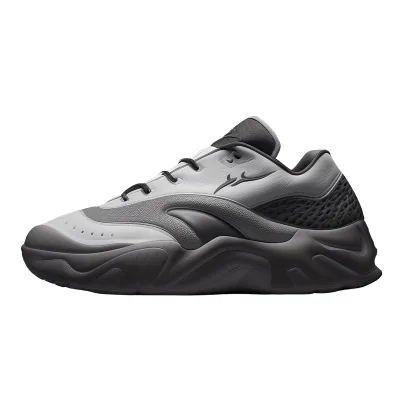
Luxury Sneakers Men Brand Shoes Professional Sneaker Sport Shoe Designer Sneakers
$28.00 - $58.00
MOQ: 1 Pieces

Replica Sneaker Men Shoes Leather Shoes Sneaker Sport Shoe Designer Sneakers
$28.00 - $58.00
MOQ: 1 Pieces


Luxury Designer Sneakers. Replica Sneaker Sneaker Shoes New Popular Sport Shoe
$28.00 - $58.00
MOQ: 1 Pieces

Style Men and Women Shoe Replicas Sneaker Designer Sneakers Luxury Brands
$28.00 - $58.00
MOQ: 1 Pieces


Comprehensive Sourcing Guide
Casual Sneakers Sourcing Guide
Buyers evaluating Casual Sneakers must first distinguish between general fashion models and specialized athletic variants, as the observed catalog includes distinct categories like running shoes and hiking boots. The product data indicates a wide range of upper materials, from canvas and fabric to genuine leather, which directly influences the intended use case and durability expectations for the final consumer.
Procurement teams should verify that the specific model selected aligns with the target market's seasonal needs, as the available inventory explicitly lists summer-specific designs alongside all-season options. Understanding whether a supplier offers customized designs or standard fruit patterns is critical, as this affects the branding strategy and the ability to differentiate the product in a crowded retail environment.
Product Scope and Observed Listing Signals
The observed market signals reveal a diverse product scope where Casual Sneakers range from basic fabric runners to high-end leather hiking boots, each with unique construction requirements. Buyers must carefully cross-reference the listed product models, such as Shoes-040D or Fashion Sneakers-091K, against their specific quality benchmarks, as the material composition varies significantly between mesh-lined summer shoes and leather-lined winter variants.
A critical signal in the current listings is the variation in gender targeting, with some models explicitly designated for females while others remain unisex. This distinction impacts packaging and sizing strategies, requiring buyers to confirm that the supplier's production lines can accommodate specific gender-based sizing charts without compromising the structural integrity of the shoe's upper or insole materials.
Technical Specifications to Verify
Technical verification must begin with the insole and lining materials, as the data shows a split between rubber and EVA insoles, and mesh, cotton fabric, or genuine leather linings. Buyers should request physical samples to confirm that the chosen insole material provides the necessary shock absorption for the intended activity, whether it is daily leisure or high-impact sports, ensuring the product meets the resilience and breathability claims listed in the specifications.
The closure system and toe style are equally vital technical parameters that define the fit and safety profile of the footwear. While lace-up patterns are standard, the specific toe shape, such as the round head observed in certain models, must be validated to ensure it meets the ergonomic requirements of the target demographic, preventing issues related to foot compression or improper fit during extended wear.
Compliance and Safety Documentation
Safety documentation for footwear often centers on chemical safety and material handling, particularly regarding sterilization processes used during manufacturing. The provided facts note that some products are produced without ethylene oxide sterilization, a detail that buyers must verify against the regulatory requirements of their destination market to ensure the final goods do not contain prohibited chemical residues that could trigger customs holds or consumer safety alerts.
While specific certification status like CE is noted as low-confidence background data, buyers should not assume compliance without direct verification from the supplier. It is essential to request current test reports for the specific batch of shoes, focusing on the durability of the stitching and the safety of the adhesives used, as these are common failure points that can lead to product recalls if not rigorously tested before shipment.
Cost Drivers and Commercial Terms
Cost drivers in this category are heavily influenced by the complexity of the customization and the material selection, with genuine leather and hand-made construction typically commanding higher price points than standard fabric or canvas options. The observed MOQ range of 1 to 1000 units suggests flexibility, but buyers must negotiate based on the specific model, as high-volume orders for customized designs may require different pricing structures than standard unisex inventory.
Commercial terms must explicitly address the packaging requirements, as the data indicates variations from individual polybag packing to bulk pair packaging. Buyers should clarify who bears the cost of custom branding elements, such as logos or specific design patterns, and ensure that the agreed-upon packing standard aligns with the logistics capabilities of the shipping carrier to prevent damage during transit.
Supplier Qualification and Quality Control
Supplier qualification should prioritize manufacturers who demonstrate a clear capability for customization, as the product data highlights "Customized" design and "Costomized" logo options as key features. Buyers must assess the supplier's ability to manage the transition from standard production to bespoke orders, ensuring that their quality control protocols remain consistent regardless of the design complexity or the specific material mix used in the upper and lining.
Quality control checks must extend beyond visual inspection to include functional testing of the shoe's structural components. Given the observation of hand-made processes for certain models, buyers should implement a sampling plan that verifies the consistency of the stitching and the bonding of the sole to the upper, ensuring that the hand-crafted nature of the product does not result in unacceptable variance between individual pairs.
Long-Term Procurement Checks
Long-term procurement success relies on establishing a robust feedback loop regarding product performance in the field, particularly for items marketed with features like breathability and anti-microbial properties. Buyers should track return rates and customer complaints related to the insole material and lining comfort, using this data to refine future specifications and ensure that the supplier maintains the quality standards promised in the initial product listing.
Sustainability and supply chain transparency are becoming critical factors for long-term partnerships, especially given the diverse material origins and the "China" origin noted in the data. Buyers should periodically audit the supplier's material sourcing practices to ensure that the fabric, leather, and rubber components are sourced responsibly, mitigating risks associated with supply chain disruptions or reputational damage from non-compliant material practices.
FAQs
Can I customize the logo and design on Casual Sneakers?
Yes, customization is available for Casual Sneakers, including logo and design adjustments. Buyers can request customized designs such as fruit patterns or specific styles. The products support OEM services, allowing for tailored branding. This flexibility ensures that the final footwear matches your brand identity and specific market requirements effectively.
What materials are used in the Casual Sneakers lining?
The Casual Sneakers feature various lining materials depending on the specific model. Options include mesh, cotton fabric, and genuine leather. These materials are selected to enhance comfort and breathability. The choice of lining material contributes to the overall quality and suitability of the shoes for different seasonal conditions and user preferences.
What is the minimum order quantity for Casual Sneakers?
The minimum order quantity varies by product model. Some items have an MOQ of 100 pairs, while others may require up to 10,000 pairs. Buyers should check the specific model details for exact requirements. This range allows for flexibility, accommodating both small trial orders and large-scale bulk purchases for different business needs.
Are the Casual Sneakers waterproof or breathable?
Features vary by model, with some Casual Sneakers being waterproof and others not. Many models emphasize breathability and resilience. For instance, certain running shoes are designed to be breathable and anti-microbial. Buyers should review the specific product attributes to determine if the footwear meets their environmental and performance requirements.
Where are the Casual Sneakers manufactured?
The Casual Sneakers are manufactured in China. This origin is consistent across the supplied product listings. Buyers sourcing from this region can leverage established manufacturing capabilities. The production location supports the availability of various styles, including fashion sneakers and hiking shoes, catering to diverse global market demands.
How are the Casual Sneakers packed for shipment?
Packaging methods vary by product model. Some Casual Sneakers are packed individually in polybags, while others are packed as one pair per unit. This variation allows for different logistical needs. Buyers should verify the packing specification for their chosen model to ensure it aligns with their storage and distribution requirements.