Source Cat Self Groomer for Cats, Dogs, and Home Clean-up
Explore 30 verified listings for Cat Self Groomer tools designed for feline and canine care. Buyers can compare specifications, prices, and MOQs for plastic and silicone models suitable for home grooming and clean-up tasks.
Key considerations
Products List
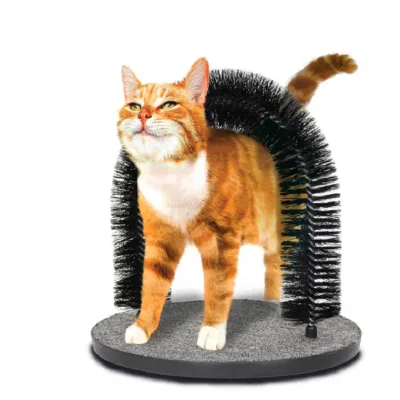
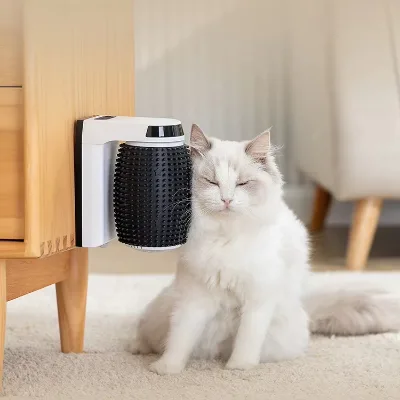
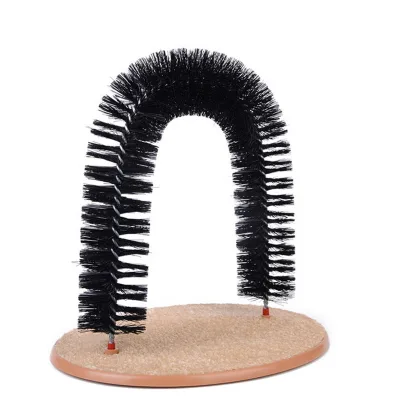
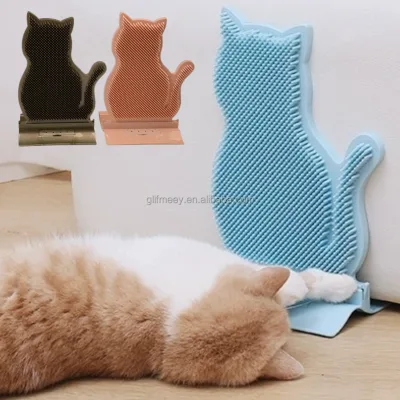
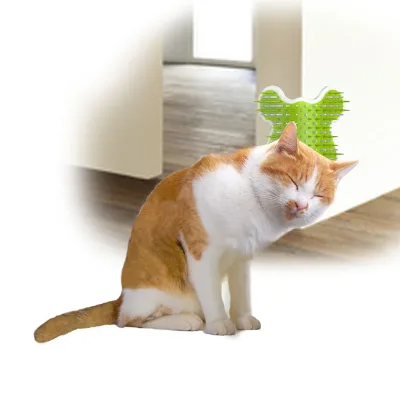
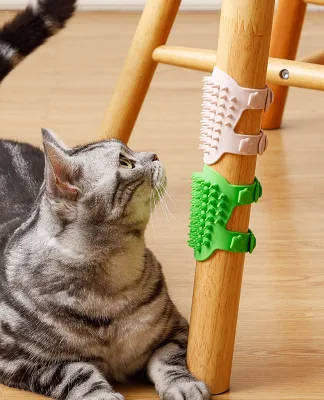

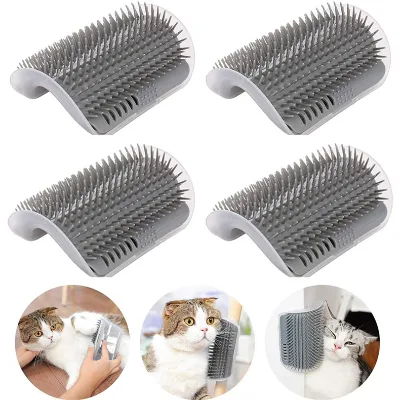
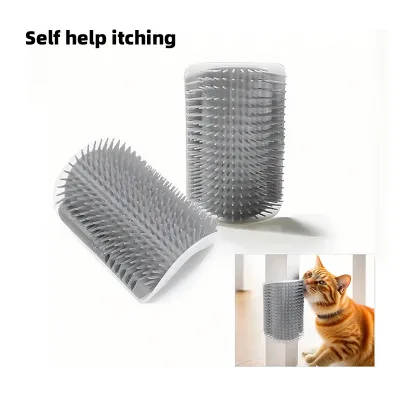
Cat Scratcher Self Grooming Self Massage Brush Arch Cat Grooming for Cat
$3.25 - $3.81
MOQ: 1000 Pieces

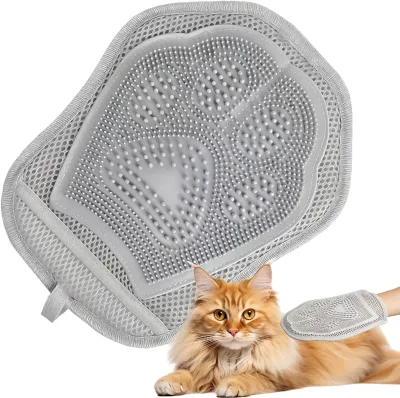
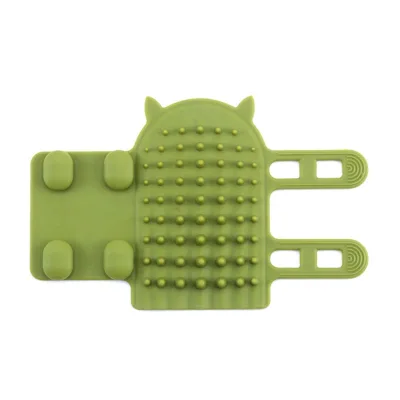

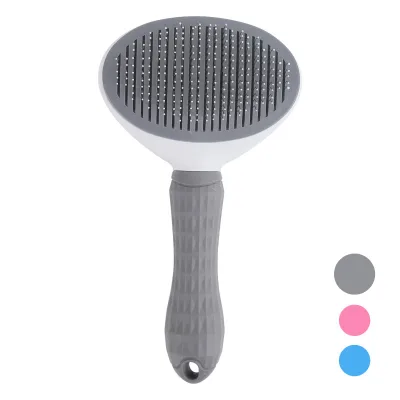
Pet Groomer Grooming Hair Removal Self Cleaning Slicker Brush for Dogs and Cats
$2.08 - $2.20
MOQ: 100 Pieces







Comprehensive Sourcing Guide
Strategic Sourcing Guide for Cat Self Groomers
The global market for pet care equipment has expanded significantly, with a specific surge in demand for automated and semi-automated grooming solutions designed to maintain feline hygiene. Among these, the cat self-groomer represents a distinct category of products intended to reduce the manual labor required for pet owners while providing enrichment for the animal. For B2B procurement professionals, sourcing these items requires a disciplined approach that distinguishes between various product architectures, such as static arches, rotating brushes, and electronic hair removers. This guide outlines the critical factors for evaluating suppliers and products in this sector, relying strictly on observed market data and established procurement principles.
Product Architecture and Technical Specifications
Understanding the technical diversity within the cat self-groomer category is the first step in effective sourcing. The market does not offer a monolithic product; rather, it presents distinct variations based on power sources, materials, and mechanical design. Procurement teams must analyze whether the target product is a passive structure or an active electronic device.
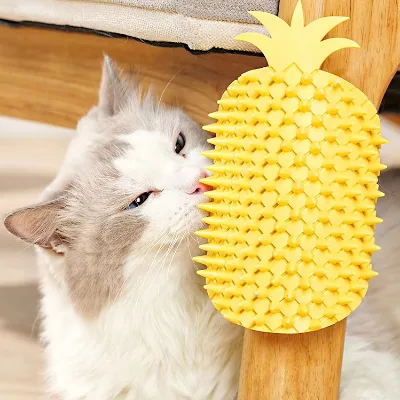
Passive self-groomers typically take the form of arches or balls. These units are often constructed from durable materials such as high-density board, plastic, or ABS. A common specification for these static units involves dimensions around 35x28x35 cm, designed to fit standard doorways or play areas. The material composition is critical for safety and durability; for instance, some units utilize high-end flooring materials combined with plastic to ensure the structure withstands repeated contact from cats. In contrast, active grooming tools, such as pet hair removers, often incorporate electronic components. These devices may feature a battery capacity of 1800mAh, requiring a charging time of approximately 1.5 to 2 hours, with a usage time of 5 to 6 hours per charge. The material for these active units often combines silicone and ABS to ensure gentle contact with the pet's coat while maintaining structural integrity.
The distinction between these types is vital for inventory planning. A buyer stocking passive arches must consider the single package size, which can range from 31x36x10 cm to 36x36x19 cm depending on the specific model. Conversely, electronic groomers have different logistical requirements, with single package sizes often around 20x16x12 cm and a single gross weight of roughly 0.750 kg. The voltage for passive units is often listed as "Not Applicable," whereas active units rely on chargeable power sources. Procurement specifications must explicitly define whether the order requires a battery-operated unit or a static grooming station, as this dictates the supply chain requirements for batteries and charging accessories.
Material Composition and Safety Standards
The material composition of cat self-groomers directly impacts product safety, durability, and regulatory compliance. The primary materials observed in this sector include ABS plastic, silicone, high-density board, and polypropylene (PP). ABS is frequently cited for its impact resistance and ease of molding, making it suitable for the structural components of both arches and electronic housings. Silicone is increasingly preferred for the contact surfaces of active grooming tools due to its softness and hypoallergenic properties, ensuring that the device does not irritate the pet's skin during use.
When evaluating suppliers, buyers must verify that the materials used are non-toxic and free from harmful chemicals. While specific certification numbers are not universally standardized across all listings, the presence of "Eco-Friendly" as a product feature suggests a commitment to safer material formulations. However, procurement teams should not assume this status without verification. The "High-end flooring" and "High Density Board" materials mentioned in some product descriptions indicate a focus on structural robustness, which is essential for preventing breakage under the weight and activity of cats.
Furthermore, the color specifications, such as "Black and Sink Color" or "As pic," are aesthetic choices that do not affect functionality but may influence market appeal. Buyers should ensure that the pigments used in these plastics meet safety standards for pet products, as pets may chew on or ingest small particles if the material degrades. The "Type" classification often lists "Brushes" or "Ball," indicating the mechanical action of the device. Understanding these material and functional classifications is essential for matching the product to the specific needs of the target market, whether it is for high-traffic commercial environments or residential retail.
Cost Drivers and Pricing Dynamics
The pricing structure for cat self-groomers is influenced by several key variables, including material costs, manufacturing complexity, and order volume. The observed price range in the market is extensive, spanning from $0.30 to $19,888. This wide disparity reflects the difference between simple, mass-produced plastic arches and complex, battery-operated electronic units with advanced features. The lower end of the spectrum typically corresponds to basic static units made from standard plastics, while the higher end includes sophisticated devices with motorized components, battery packs, and custom branding.
Minimum Order Quantity (MOQ) is another significant cost driver. Market data indicates an MOQ range from 1 to 1000 units, with specific listings showing MOQs of 3 pieces or 12 pieces. Lower MOQs allow for smaller inventory risks and faster market entry but may result in a higher unit cost. Conversely, higher volume orders often unlock better pricing tiers but require significant capital commitment. Buyers must balance the initial investment against the potential for economies of scale.
Additional cost factors include packaging and logistics. The "Color Box" packaging is standard, but the dimensions of the carton, such as 58cm32cm40cm containing 20 pieces, affect shipping efficiency. The single gross weight of products, ranging from 0.750 kg to 2.300 kg, also impacts freight costs. For electronic units, the inclusion of batteries and chargers adds to the weight and volume, potentially increasing shipping expenses. Buyers should calculate the total landed cost, including freight, duties, and packaging, rather than focusing solely on the unit price.
Supplier Evaluation and Operational Capabilities
Selecting the right supplier requires a thorough evaluation of their operational capabilities, particularly regarding customization and production capacity. Many suppliers in this sector offer OEM (Original Equipment Manufacturer) and ODM (Original Design Manufacturer) services, allowing buyers to customize logos, colors, and even product features. The availability of "Customized Logo" and "OEM/ODM: Available" indicates a flexible supply chain capable of meeting brand-specific requirements.
However, buyers must verify the supplier's ability to maintain consistent quality across large orders. The "Feature: Stocked" attribute suggests that some suppliers hold inventory for immediate delivery, which can be advantageous for urgent orders. In contrast, others may operate on a make-to-order basis with a delivery time of 10-15 days. Lead times are critical for supply chain planning, and buyers should confirm these timelines during the negotiation phase.
Payment terms are another essential aspect of supplier evaluation. The "Trade Assurance" option provides a layer of security for international transactions, protecting the buyer's funds until the goods are delivered as agreed. Buyers should prioritize suppliers who offer this protection to mitigate financial risks. Additionally, the "Sample: Available" attribute allows buyers to physically inspect product quality before committing to a large order. This step is crucial for verifying material quality, functionality, and safety before scaling up production.
Quality Control and Compliance Verification
Implementing a robust quality control (QC) strategy is essential for ensuring that cat self-groomers meet safety and performance standards. Given the direct interaction between these products and pets, any failure in material integrity or mechanical function could lead to injury or product recalls. Buyers should establish clear QC checkpoints at the production stage, focusing on material strength, finish quality, and electrical safety for active units.
For electronic units, verifying the battery capacity and charging time is critical. Specifications such as 1800mAh capacity and 1.5-2 hour charging times must be validated through testing to ensure they match the supplier's claims. Similarly, for static units, the structural integrity of the high-density board and plastic components must be tested to withstand the weight and movement of cats. The "Single gross weight" and "Product weight" specifications should be monitored to ensure consistency across batches.
Compliance verification extends beyond physical testing to include regulatory adherence. While specific certification numbers are not provided in the general market data, buyers should request documentation confirming that the products meet relevant safety standards for pet care items in their target markets. This includes checks for chemical safety, electrical safety, and mechanical stability. The "Eco-Friendly" feature should be substantiated with appropriate documentation to avoid greenwashing claims.
Long-Term Procurement Considerations
Sourcing cat self-groomers is not merely a transactional activity but a strategic decision that impacts long-term brand reputation and customer satisfaction. Buyers should consider the scalability of the supply chain and the potential for product iteration. The "Applicable Pet" attribute often lists "Cats" and "Dogs," indicating a versatile product line that can appeal to a broader market. However, buyers must ensure that the product design is optimized for the intended species, as the grooming needs of cats and dogs can differ significantly.
Long-term considerations also include the availability of after-sales support and spare parts. For electronic units, the availability of replacement batteries or charging cables is crucial for maintaining customer satisfaction. Suppliers who offer "OEM: Yes!" and "Accept Customized Logo" provide opportunities for brand differentiation, which can be a key competitive advantage in a crowded market.
Finally, buyers should monitor market trends and consumer feedback to adapt their product offerings. The "Usage: Clean-up" and "Function: Cleaning" attributes highlight the primary value proposition of these products. As consumer expectations evolve, suppliers may need to innovate with new features or materials to remain competitive. By maintaining a close relationship with suppliers and staying informed about industry developments, buyers can ensure a steady supply of high-quality cat self-groomers that meet the needs of their customers.
Comparative Analysis of Product Types
To facilitate decision-making, the following table summarizes the key differences between passive and active cat self-groomers based on observed market data.
| Feature | Passive Self-Groomer (Arches/Balls) | Active Self-Groomer (Electronic) |
|---|---|---|
| Primary Material | Plastic, High Density Board, ABS | Silicone + ABS |
| Power Source | Not Applicable | Charge (Battery) |
| Battery Capacity | N/A | 1800mAh |
| Charging Time | N/A | 1.5-2 hours |
| Usage Time | N/A | 5-6 hours |
| Single Package Size | 31x36x10 cm to 36x36x19 cm | 20x16x12 cm |
| Single Gross Weight | 2.0 kg to 2.300 kg | 0.750 KG |
| MOQ Range | 3 Pcs to 1000 | 12 to 1000 |
| Key Function | Self-grooming via friction | Hair removal via rotation |
| Typical Model Number | 352835 CM | MS-8 |
This comparison highlights the distinct logistical and technical requirements for each product type. Buyers must align their procurement strategy with the specific needs of their target market, whether they prioritize the simplicity and durability of passive units or the advanced functionality of active electronic devices. By carefully evaluating these factors, procurement professionals can build a resilient and efficient supply chain for cat self-groomers.
FAQs
What materials are used for cat self groomers?
Common materials include ABS plastic, silicone, high-density board, and polypropylene. These components ensure durability and safety, with silicone often used for gentle contact surfaces on active units.
Which power sources do these grooming tools use?
Passive arches do not require power, while active units rely on rechargeable batteries. Electronic models typically feature a battery capacity of 1800mAh with a charging time of 1.5 to 2 hours.
Can I order custom logos on these products?
Yes, many suppliers accept customized logos and offer OEM services. This allows buyers to brand the products with their own identity for retail or wholesale distribution purposes.
What is the typical minimum order quantity?
Minimum order quantities vary from 3 pieces to 12 pieces depending on the supplier. Some listings show an MOQ of 3 pcs, while others require 12 pcs for specific models.
How long does delivery usually take?
Standard delivery times range from 10 to 15 days for production and shipping. Buyers should confirm specific lead times with the supplier before placing a large order.
Where are these products typically manufactured?
Most products originate from China, specifically from the Guangdong region. This location is a major hub for pet care equipment manufacturing and export.