Source Eco-Friendly Cat Scratching Board for Cats
Find 30 Eco-Friendly Cat Scratching Board options for cats. Compare corrugated paper and sisal materials, vertical designs, and custom logo printing. Source from verified manufacturers in Zhejiang, China; compare the available evidence and request quotations based on your requirements.
Key considerations
Products List

Durable Cat Scratching Board for Indoor Cats with Eco -Friendly Material
$4.00 - $6.00
MOQ: 100 Pieces

Multi - Functional Cat Scratching Board for Home with Catnip - Friendly Feature
$4.00 - $6.00
MOQ: 100 Pieces

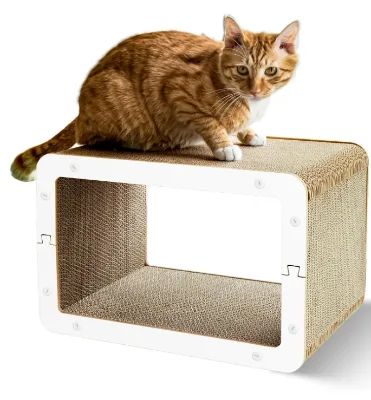
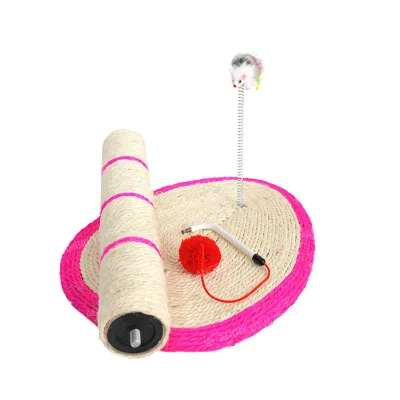
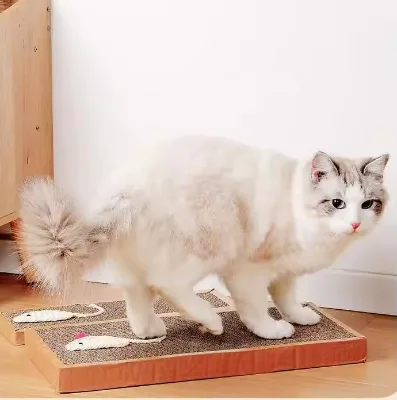


Large Cat Scratch Board Corrugated Paper Cat Scratch Pad Cute Round Cat Scratcher
$0.89 - $1.12
MOQ: 100 Pieces




Comprehensive Sourcing Guide
Eco-Friendly Cat Scratching Board Sourcing Guide
Procuring eco-friendly cat scratching boards requires a strategic balance between sustainable material sourcing and functional durability for feline users. Buyers must prioritize products that utilize recycled or renewable substrates, such as corrugated paper, which offer a biodegradable alternative to synthetic fibers. The market currently features a diverse range of designs, from flat rectangular boards to vertical structures, catering to different scratching behaviors and indoor space constraints. Understanding these variations is essential for selecting inventory that meets specific customer demographics and retail requirements.
The procurement process also demands careful attention to manufacturing origins and customization capabilities. Many suppliers operate in regions like Zhejiang, China, offering extensive options for logo printing and bespoke packaging solutions. This flexibility allows brands to differentiate their offerings in a crowded marketplace. However, buyers must verify that "eco-friendly" claims are substantiated by actual material composition rather than mere marketing terminology, ensuring that the final product aligns with environmental standards and consumer expectations for genuine sustainability.
Product Scope and Observed Listing Signals
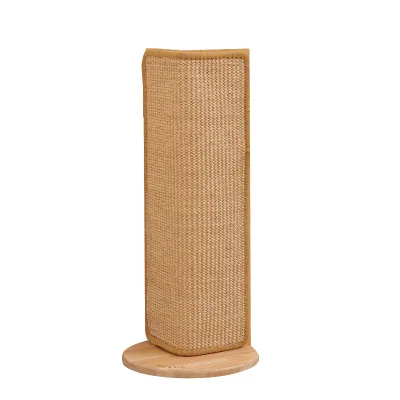
The current market landscape for cat scratchers includes a wide variety of forms, primarily categorized by their structural orientation and material composition. Listings frequently highlight corrugated paper as the primary material, often reinforced with sisal or wood components for vertical posts. These products are designed for indoor use, serving multiple functions such as scratching, sleeping, and playing. The observed product range includes flat boards with specific dimensions, such as 44x24.6x29 cm, and vertical units with heights between 55-65 cm, providing buyers with options to address different spatial and behavioral needs of cats.
Visual and attribute signals indicate a strong emphasis on customization and branding opportunities. Suppliers commonly offer logo printing services and various color options, including beige, pink, and dark khaki, to suit diverse aesthetic preferences. The products are typically packaged in boxes or cartons, with single gross weights ranging from 0.3 to 3 kg, facilitating efficient logistics. Buyers should note that while many items are described as eco-friendly, the specific material breakdown, such as the layer count of corrugated paper, varies, requiring close inspection of individual product specifications to ensure alignment with sustainability goals.
Technical Specifications to Verify
When evaluating technical specifications, buyers must scrutinize the dimensional accuracy and structural integrity of the scratching boards. Key metrics include flat length, width, and thickness, with some products requiring a minimum of three layers of corrugated paper for durability. Dimensions such as 30x20x45 cm or 36.5x12x2 cm are common, but these can vary significantly between suppliers. It is crucial to verify that the stated dimensions match the physical product, as discrepancies can impact shipping costs and retail shelf placement. Additionally, the shape, typically rectangular, should be consistent with the intended use case, whether for horizontal scratching or vertical climbing.
Material composition is another critical technical factor that directly influences the product's lifespan and environmental impact. While corrugated paper is a prevalent material, some listings also mention wood and sisal, which may affect the overall weight and stability of the unit. Buyers should confirm the single package size and gross weight to ensure accurate freight calculations. Furthermore, the condition of the product, usually new, and the style, often modern, should be verified against the brand’s design standards. Ensuring that the material thickness and density are sufficient to withstand repeated scratching is essential for maintaining customer satisfaction and reducing return rates.
Compliance and Safety Documentation
Compliance with international safety and environmental standards is paramount when sourcing cat scratchers for global markets. Certifications such as CE and RoHS are frequently cited, indicating adherence to European health, safety, and environmental protection standards. Buyers should request valid certification documents to verify that the products do not contain hazardous substances that could harm pets or humans. Although some background information suggests FSC or BSCI certifications, these should not be assumed without explicit confirmation from the supplier, as they are not consistently listed across all product offerings.
In addition to product-specific certifications, buyers must ensure that the manufacturing process complies with relevant labor and environmental regulations. This includes verifying that the corrugated paper and any associated adhesives or inks used for logo printing are non-toxic and safe for animal contact. The "eco-friendly" label should be supported by tangible evidence, such as the use of recycled materials or sustainable sourcing practices. Buyers should also check for any specific regional requirements, such as REACH compliance for the European Union, to avoid customs delays or legal issues upon importation.
Cost Drivers and Commercial Terms
Several factors influence the pricing structure of eco-friendly cat scratching boards, with material quality and customization levels being primary drivers. The observed price range of 0.61 to 11.24 USD reflects significant variation based on product complexity, size, and the inclusion of additional features like sisal wrapping or wooden bases. Buyers should analyze the cost per unit in relation to the gross weight and package dimensions to determine the most cost-effective shipping options. Higher-priced items may offer superior durability or more intricate designs, which can justify the premium for certain market segments.
Commercial terms, including minimum order quantities (MOQ) and payment structures, also play a crucial role in procurement planning. MOQs can range from 50 to 1000 pieces, depending on the supplier and the level of customization required. Payment terms often involve a deposit, such as 30%, with the balance paid before shipment, which is standard practice in international trade. Buyers should negotiate these terms carefully to manage cash flow and inventory risk. Additionally, understanding the lead times and production capacity of suppliers is essential for maintaining a steady supply chain and meeting customer demand without delays.
Supplier Qualification and Quality Control
Selecting a reliable supplier involves rigorous qualification processes to ensure consistent product quality and ethical manufacturing practices. Buyers should assess the supplier’s production capabilities, including their ability to handle customization requests such as logo printing and specific packaging requirements. Verifying the supplier’s location, often in Zhejiang, China, can provide insights into their logistical efficiency and access to raw materials. It is also important to review the supplier’s track record for delivering products that meet the specified technical standards, such as the required layer count for corrugated paper.
Quality control measures must be implemented throughout the production process to minimize defects and ensure product consistency. Buyers should request samples to evaluate the physical attributes of the scratching boards, including their sturdiness, material density, and finish quality. Establishing clear quality acceptance criteria, such as maximum allowable weight variance or dimensional tolerance, helps in maintaining high standards. Regular audits and inspections, particularly for large orders, can further mitigate risks associated with production errors or non-compliance with agreed-upon specifications, ensuring that the final products meet both functional and aesthetic expectations.
Long-Term Procurement Checks
Sustaining a successful procurement strategy for eco-friendly cat scratchers requires ongoing monitoring of market trends and supplier performance. Buyers should regularly review customer feedback to identify any recurring issues related to product durability or material quality. This feedback loop can inform future purchasing decisions, such as adjusting specifications or switching suppliers if necessary. Additionally, staying informed about emerging sustainability standards and material innovations can help buyers stay ahead of competitors and meet evolving consumer demands for genuinely eco-friendly products.
Building long-term relationships with suppliers based on transparency and mutual benefit is crucial for securing favorable terms and priority production slots. Buyers should maintain open communication channels to address any operational challenges promptly and collaboratively. Periodic re-evaluation of commercial terms, including pricing and MOQs, ensures that the procurement strategy remains competitive and aligned with business objectives. By continuously assessing supplier reliability and product quality, buyers can mitigate risks and ensure a steady supply of high-quality, eco-friendly cat scratchers that resonate with their target market.
FAQs
What material is used for the Eco-Friendly Cat Scratching Board?
The product is primarily made from corrugated paper or paper, ensuring an eco-friendly composition. Some variations also incorporate wood and sisal materials for enhanced durability. This combination supports natural scratching behaviors while maintaining sustainability standards for pet owners seeking safe play options.
Can I request custom logo printing on the cat scratcher?
Yes, customization is available including logo printing on the product surface. Buyers can specify their branding needs to create unique packaging or product designs. This service allows businesses to enhance brand visibility while sourcing functional cat toys that meet specific marketing requirements for retail distribution.
What are the standard dimensions for the cat scratching board?
Standard sizes vary, with common dimensions including 44x24.6x29 cm or 30x20x45 cm. Some models feature a height between 55 and 65 cm with a width of 10 to 15 cm. These specifications ensure the board fits various indoor spaces while providing adequate surface area for cats to scratch and play comfortably.
Which certifications does the cat scratching board hold?
The product holds CE and RoHS certifications, confirming compliance with safety and environmental standards. These certifications indicate the materials are free from harmful substances suitable for pets. Buyers can rely on these verified attributes when sourcing products for markets requiring strict regulatory adherence for animal toys.
What is the minimum order quantity for this cat toy?
The minimum order quantity varies by supplier, ranging from 50 pieces to 1000 pieces. Some listings specify an MOQ of 1000 pieces, while others accept orders as low as 50 units. Buyers should verify specific requirements with manufacturers to align with their inventory planning and budget constraints effectively.
Where is the cat scratching board manufactured?
The product originates from Zhejiang, China, a major manufacturing hub for pet supplies. This location ensures access to established supply chains and production capabilities. Buyers sourcing from this region can expect competitive pricing and efficient logistics for international distribution of these eco-friendly cat products.
How is the cat scratching board packaged for shipping?
The product is typically packed in boxes or cartons to ensure safe transport. Single package sizes often measure around 44x24.6x29 cm with a gross weight of approximately 1.2 kg. This packaging protects the corrugated paper structure during transit while maintaining the integrity of the product for retail display.