Source Portable Foldable Pet Water Bottle for Dogs Cats Small Animals
Compare 30 Portable Foldable Pet Water Bottle options from verified Chinese manufacturers. Buyers can evaluate capacities ranging from 250ml to 750ml, materials like PP, and certifications including FDA and ISO for dogs, cats, and small animals; compare the available evidence and request quotations based on your requirements.
Key considerations
Products List


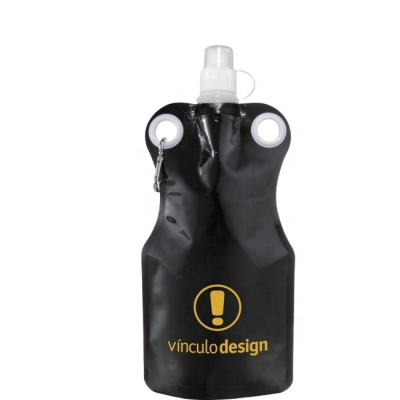
Outdoor Travel Walking Portable Collapsible Folding Pet Dog Water Bottle
$2.98 - $3.58
MOQ: 500 Pieces




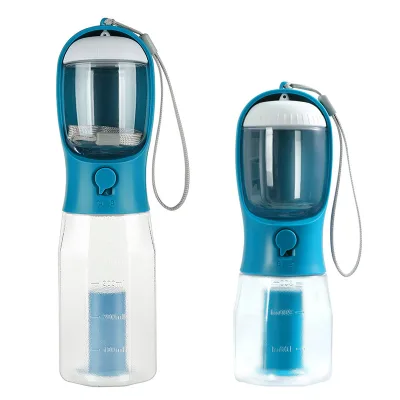
Multi-Functional Portable Travel Pet Dog Water Bottle Outdoor Cup Drink
$2.99 - $3.99
MOQ: 1000 Pieces
Comprehensive Sourcing Guide
Portable Foldable Pet Water Bottle Sourcing Guide
Sourcing portable foldable pet water bottles requires a clear understanding of the diverse product landscape available from manufacturers, particularly those originating from China. The market offers a wide array of options, ranging from simple plastic cups to complex, multi-functional feeding systems. Buyers must navigate through various models, such as the pb-0318-1 and pb-820-2, each with distinct capacities and design features. The observed product count indicates a robust supply chain with thirty distinct listings, suggesting ample choice for procurement teams seeking specific volume capacities or aesthetic preferences.
Understanding the functional scope is critical before initiating supplier outreach. These products are primarily designed for feeding, water delivery, and storage for dogs, cats, and small animals. The core utility lies in their ability to provide hydration on the go, often featuring foldable designs for portability. Buyers should recognize that while many items share the "foldable" descriptor, the actual mechanical implementation varies significantly. Some units are rigid cups, while others are flexible bottles, necessitating a careful review of the product type and application to ensure alignment with the end-user's needs.
Product Scope and Observed Listing Signals
The observed market signals reveal a significant variation in product attributes, including color, size, and material composition. Listings display colors such as green, yellow, red, blue, purple, orange, and gray, allowing for brand customization or personal preference matching. Sizes range from small to large, with specific dimensions like 196.55.8 cm noted for certain models. This diversity indicates that buyers are not limited to a single standard but can select products that fit specific ergonomic or capacity requirements. The presence of both customized and non-customized options further expands the sourcing possibilities for different business models.
Capacity standards observed in the listings provide a baseline for volume expectations, with options including 250ml, 300ml, 320ml, 500ml, and larger configurations. Some products combine water and food storage, such as the 320ml+180ml or 500ml+180ml variants, catering to multi-purpose feeding needs. The material is predominantly PP (polypropylene), a common choice for its durability and safety. Buyers should verify the exact capacity and material grade for each model, as the "foldable" nature may impact the internal volume or structural integrity compared to rigid containers.
Technical Specifications to Verify
Technical verification must begin with the physical dimensions and capacity accuracy. Buyers should request detailed drawings or samples to confirm that the folded and expanded states meet the stated specifications, such as the 573149cm export carton size for bulk orders. The model numbers, including ULZ-0318594 and R-PWB1120, serve as unique identifiers for quality control and reordering. It is essential to confirm whether the product includes fixed-time feeding mechanisms or remains a simple manual dispenser, as this affects user convenience and product positioning.
The packaging and unit configuration are also critical technical details. Products may come in OPP bags with stickers or cartons, with specific PCS/CTN ratios like 120 pieces per carton. Buyers need to verify the net and gross weights to calculate accurate shipping costs and warehouse space requirements. Additionally, the presence of features like recyclability should be confirmed through material data sheets. Ensuring that the foldable mechanism is robust and does not leak when expanded is a key technical check that requires physical sample testing before mass production approval.
Compliance and Safety Documentation
Compliance with food contact standards is non-negotiable for pet water bottles, as they directly hold consumables. The observed listings mention certifications such as FDA, ISO, and BRC, which are critical indicators of manufacturing quality and safety. Buyers must request valid certificates for each specific model, as certification coverage can vary between product lines. The FDA certification, in particular, is a strong signal for products intended for the North American market, ensuring that the materials used are safe for repeated contact with water and pet food.
ISO and BRC certifications further demonstrate a supplier's commitment to quality management systems and food safety standards. However, buyers should verify that these certifications are current and applicable to the specific manufacturing facility producing the order. It is also important to check for any additional regional compliance requirements, such as REACH for European markets. Documentation should include material safety data sheets (MSDS) and migration test results to ensure that no harmful substances leach into the water or food, protecting both the pet and the brand's reputation.
Cost Drivers and Commercial Terms
Cost structures for portable pet water bottles are influenced by material costs, customization levels, and order volume. The observed price range of 0.15 to 8 USD highlights the disparity between basic, unbranded items and premium, customized products. Buyers should analyze the cost breakdown to understand the impact of color, packaging, and additional features like dual-chamber designs. Customization options, such as logo printing or unique mold designs, typically incur additional tooling fees and higher per-unit costs, which must be factored into the total landed cost calculation.
Minimum Order Quantities (MOQs) vary significantly, ranging from 20 to 3000 pieces, with some suppliers offering samples for evaluation. Lower MOQs are suitable for testing market response or small-scale retail, while higher volumes secure better unit prices. Buyers should negotiate clear commercial terms, including payment methods, lead times, and shipping responsibilities. Understanding the PCS/CTN ratio and carton dimensions is essential for optimizing logistics costs. Transparent communication about these terms helps avoid hidden fees and ensures accurate budgeting for the procurement cycle.
Supplier Qualification and Quality Control
Supplier qualification requires a thorough assessment of their manufacturing capabilities and quality control processes. Buyers should verify the supplier's production capacity, especially when dealing with high MOQs or tight deadlines. The presence of multiple product models, such as pb-530-2 and MAO240627, suggests a versatile manufacturing facility, but buyers must ensure that quality consistency is maintained across all lines. Requesting factory audits or third-party inspections can provide insights into the supplier's operational standards and ethical practices.
Quality control measures should include pre-production sample approvals and in-line inspections during manufacturing. Buyers should define clear acceptance criteria for defects, such as leaks, poor folding mechanisms, or color inconsistencies. The availability of samples, as noted in some listings, is a crucial step for validating product quality before committing to large orders. Establishing a robust QC protocol, including random sampling and stress testing of the foldable components, helps mitigate the risk of receiving substandard goods and ensures customer satisfaction.
Long-Term Procurement Checks
Long-term procurement success depends on continuous monitoring of supplier performance and product evolution. Buyers should track key performance indicators such as on-time delivery rates, defect rates, and responsiveness to issues. Regular communication with the supplier is essential to address any emerging quality concerns or supply chain disruptions. Additionally, staying informed about changes in material regulations or market trends can help buyers adapt their sourcing strategies proactively. Building a strong relationship with the supplier can lead to better pricing, priority production, and access to new product innovations.
Periodic re-evaluation of the product portfolio is also necessary to ensure alignment with market demands. As consumer preferences shift towards more sustainable or feature-rich products, buyers should assess whether their current suppliers can meet these evolving needs. The observed trend towards customizable and multi-functional designs suggests that flexibility is a key competitive advantage. By maintaining a diversified supplier base and regularly reviewing product specifications, buyers can ensure a resilient and competitive supply chain for portable pet water bottles.
FAQs
What materials are used for portable foldable pet water bottles?
These bottles are typically constructed from PP material to ensure safety and durability for pets. The product specifications confirm the use of PP, which is suitable for feeding and water storage applications. This material choice supports the recyclable feature observed in the product attributes while maintaining structural integrity for outdoor use.
Which certifications do Portable Foldable Pet Water Bottle manufacturers hold?
Manufacturers often provide FDA, ISO, and BRC certifications for these products to ensure compliance with safety standards. The observed product facts list FDA, ISO, and BRC as available certifications for specific models. These credentials verify that the materials and production processes meet international requirements for pet feeding and storage equipment.
Can I customize the capacity of portable foldable pet water bottles?
Yes, customization is available for capacity and other features on these portable foldable pet water bottles. The product data indicates standard capacities ranging from 250ml to 750ml, with some models offering custom specifications. Buyers can select from various sizes like 300ml, 500ml, or 320ml depending on their specific needs for dogs, cats, or small animals.
What is the minimum order quantity for portable foldable pet water bottles?
The minimum order quantity varies by supplier but typically ranges from 100 to 3000 pieces for these items. Specific product listings show an MOQ of 100 pieces for certain customized models, while others may require higher volumes. Buyers should verify the exact MOQ with the supplier based on the selected model and customization requirements.
How are portable foldable pet water bottles packaged for export?
These bottles are commonly packed in cartons or OPP bags with stickers for protection during shipping. The product facts mention packing options including cartons, cartons with specific counts like 120 pieces per carton, and OPP bags. Export carton dimensions are also defined to ensure safe transport of the products from the origin in China to international destinations.
Which colors are available for portable foldable pet water bottles?
Available colors include green, yellow, red, blue, purple, orange, and gray depending on the specific model. The product attributes list a wide range of color options to suit different preferences and branding needs. Buyers can choose from these vibrant colors for their portable foldable pet water bottles used for feeding and water storage.