Source Detachable Rain Protection Pet Shelter for Dogs, Cats, and Small Animals
Find 30 Detachable Rain Protection Pet Shelter options suitable for dogs, cats, and small animals. Compare models made of plastic, wood, and waterproof oxford cloth with varying sizes and customization features for indoor or outdoor use; compare the available evidence and request quotations based on your requirements.
Key considerations
Products List


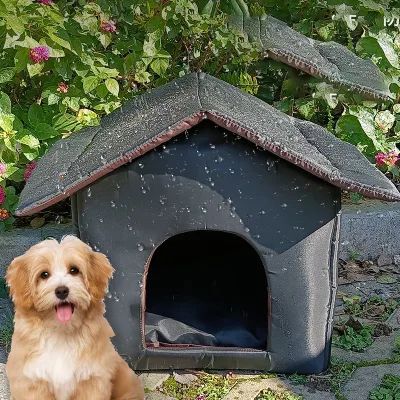


Insulated Container Dog House - Waterproof & Ventilated for Outdoor Pet Shelter
$1099.00 - $1199.00
MOQ: 1 Pieces


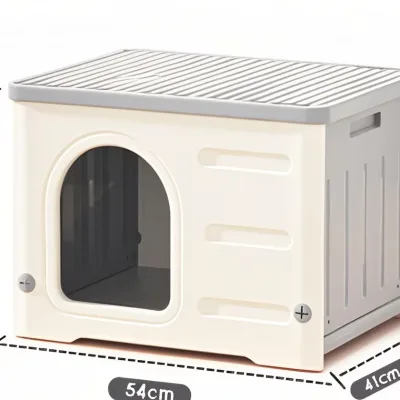


Y-Type Structural Rain Shelter
$10.00 - $15.00
MOQ: 300 Square Meters
Cangzhou Zhuotai Greenhouse Equipment Manufacturing Co., Ltd.


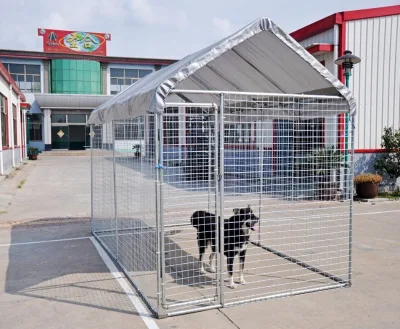


Storage Facility Storage Rain Shelter Refuge Structure Stylish Storage Protective Canopy
$25.00 - $39.00
MOQ: 25 Square Meters


Comprehensive Sourcing Guide
Detachable Rain Protection Pet Shelter Sourcing Guide
Procuring detachable rain protection pet shelters requires a strategic balance between weather resilience, structural integrity, and logistical efficiency. Buyers must prioritize products that offer modular designs, allowing for easy assembly, disassembly, and transport without compromising the shelter’s ability to withstand environmental stressors. The core value proposition lies in the versatility of these units, which often serve dual purposes as both indoor comfort zones and outdoor protective enclosures. Understanding the specific material compositions and construction methods is essential for ensuring long-term durability and user satisfaction.
This guide focuses on the critical evaluation criteria for sourcing these specialized pet habitats. It addresses the technical specifications, compliance requirements, and commercial terms that define a successful procurement cycle. By examining the observed market signals and supplier capabilities, buyers can make informed decisions that align with their brand’s quality standards and budget constraints. The following sections provide a structured approach to navigating the complexities of this niche market, ensuring that every sourced unit meets the rigorous demands of both pets and their owners.
Product Scope and Observed Listing Signals
The current market for pet shelters exhibits a diverse range of styles, including house-shaped structures, tent-like designs, and modern round configurations. Observed listings indicate a strong preference for materials such as plastic, wood, and waterproof oxford cloth with sponge fillings, catering to various aesthetic and functional needs. These products are frequently marketed as suitable for dogs, cats, and small animals, with some units specifically designed for stray cat populations. The presence of customization options and OEM/ODM services suggests a flexible supply chain capable of adapting to specific brand requirements or regional preferences.
Price points vary significantly, ranging from affordable basic models to premium heavy-duty options, reflecting differences in material quality and feature sets. Minimum order quantities (MOQs) are generally low, often starting at just two pieces, which facilitates trial orders and reduces initial inventory risk for buyers. The observed product models and standards highlight a mix of standardized and bespoke offerings, with dimensions ranging from compact indoor units to larger outdoor shelters. Buyers should carefully review these signals to identify suppliers who can deliver the specific combination of style, size, and functionality required for their target market segments.
Technical Specifications to Verify
Verifying technical specifications is paramount to ensuring the shelter meets functional expectations. Key attributes to confirm include the frame material, such as plastic or wood, and the filling composition, which often involves waterproof oxford cloth and sponge for added comfort and insulation. Dimensions are critical, with observed standards ranging from small, compact units to larger structures measuring up to 1058730cm. Buyers must ensure that the specified dimensions align with the intended pet breeds, which can range from tiny and small to medium and large sizes, to guarantee adequate space and comfort.
Additional technical details include the product’s weight, with some units weighing around 2 Kg, and the packing method, which can vary from cartons to boxes or OPP bags. The presence of fixed brackets or mounting options for outdoor installations should be clearly defined to ensure proper setup and stability. Buyers should also verify the wash instructions, such as hand wash requirements, to understand the maintenance burden. Confirming these specifications with the supplier before placing orders helps prevent discrepancies between the ordered product and the delivered item, ensuring consistency in quality and performance.
Compliance and Safety Documentation
While specific certification statuses are not explicitly detailed in the observed listings, buyers must proactively request relevant safety and compliance documentation from suppliers. This includes verifying that materials used, such as plastics and woods, are non-toxic and safe for pets, especially those that may chew or interact closely with the shelter. For products intended for outdoor use, buyers should inquire about weather resistance standards and the durability of the waterproofing treatments applied to fabrics and coatings. Ensuring that the product meets local safety regulations is crucial for avoiding legal liabilities and maintaining brand reputation.
Buyers should also assess the supplier’s commitment to quality control processes, including any internal testing protocols for structural integrity and material safety. Requesting test reports or compliance certificates from recognized third-party laboratories can provide additional assurance of product safety. It is advisable to establish clear communication channels with suppliers to address any compliance concerns promptly. By prioritizing safety and compliance, buyers can mitigate risks associated with product recalls or customer complaints, fostering trust and loyalty among their customer base.
Cost Drivers and Commercial Terms
Several factors influence the cost of detachable rain protection pet shelters, including material selection, manufacturing complexity, and customization requirements. Premium materials like solid wood or high-grade waterproof fabrics typically command higher prices compared to basic plastic or standard fabric options. Customization services, such as OEM/ODM offerings, may incur additional costs due to the specialized production processes and design adjustments involved. Buyers should carefully evaluate these cost drivers to determine the most cost-effective solutions that still meet their quality and branding standards.
Commercial terms, including MOQs and payment conditions, play a significant role in the overall procurement strategy. Low MOQs, such as two pieces, offer flexibility for initial orders but may result in higher per-unit costs. Buyers should negotiate favorable terms based on order volume and long-term partnership potential. Additionally, understanding the packing methods and shipping requirements is essential for calculating total landed costs. By analyzing these commercial aspects, buyers can optimize their procurement strategy to achieve the best balance between cost efficiency and product quality.
Supplier Qualification and Quality Control
Evaluating supplier qualifications is a critical step in ensuring the reliability and consistency of the sourced pet shelters. Buyers should assess the supplier’s production capabilities, including their experience with similar products and their ability to handle customization requests. Verifying the supplier’s location, such as Qingdao or other manufacturing hubs in China, can provide insights into their logistical advantages and supply chain efficiency. It is also important to review the supplier’s track record for delivering products that meet specified standards and quality expectations.
Quality control measures should be clearly defined and agreed upon before production begins. This includes establishing inspection criteria for materials, construction, and finishing, as well as defining acceptable defect rates. Buyers may consider implementing pre-shipment inspections or third-party quality audits to ensure compliance with their standards. Open communication with suppliers regarding quality expectations and feedback mechanisms is essential for maintaining high product standards. By prioritizing supplier qualification and rigorous quality control, buyers can minimize risks and ensure consistent product quality.
Long-Term Procurement Checks
Sustaining a successful procurement relationship requires ongoing monitoring and evaluation of supplier performance. Buyers should regularly review key performance indicators, such as on-time delivery rates, product quality consistency, and responsiveness to issues. Establishing a feedback loop with suppliers allows for continuous improvement and adaptation to changing market demands or product requirements. Regular audits of the supplier’s quality control processes and production facilities can help identify potential areas for improvement and ensure ongoing compliance with agreed-upon standards.
Additionally, buyers should stay informed about industry trends and technological advancements in pet shelter design and materials. This knowledge can inform future procurement decisions and help identify opportunities for innovation or cost savings. Building a diversified supplier base can also mitigate risks associated with single-source dependencies. By implementing robust long-term procurement checks, buyers can maintain a resilient and efficient supply chain, ensuring that their pet shelter offerings remain competitive and meet the evolving needs of their customers.
FAQs
Can detachable rain protection pet shelters be customized for specific breeds?
Yes, customization is available for these shelters to accommodate various pet sizes and preferences. Manufacturers offer options for different styles, such as house or tent designs, and materials like plastic or wood. Buyers can request specific dimensions, colors, or branding to match their target audience needs effectively.
What materials are commonly used for detachable rain protection pet shelters?
Common materials include durable plastic, solid wood, and waterproof oxford cloth with sponge filling. Plastic options provide lightweight and weather-resistant properties, while wood offers a sturdy and eco-friendly alternative. Some models combine these materials to enhance structural integrity and comfort for dogs, cats, and small animals in outdoor settings.
How do I determine the correct size for a Detachable Rain Protection Pet Shelter?
Select a size based on the pet's breed and weight, ranging from small to large. Standard dimensions vary, such as 66.8x52x59.8 cm for plastic models or 70x50x68 cm for wooden houses. Ensure the interior allows the pet to stand and turn comfortably, considering the specific product specifications provided by the supplier.
Are detachable rain protection pet shelters suitable for indoor and outdoor use?
Yes, many models are designed for both indoor and outdoor usage. Features like waterproof materials and durable frames ensure protection from rain and wind outdoors. Indoor use benefits from stylish designs that blend with home decor. Always verify the specific usage scenarios and weather resistance claims for the selected product model.
What is the typical minimum order quantity for these pet shelters?
The minimum order quantity typically ranges from 1 to 500 pieces, depending on the supplier and product type. Some vendors may accept low MOQs like 2 pieces for sampling, while bulk orders often require higher quantities. Buyers should check the specific MOQ requirements for each product model to plan their procurement strategy accurately.
How are detachable rain protection pet shelters packaged for shipping?
Shelters are commonly packaged in cartons, boxes, or OPP bags to ensure safe transit. The packaging is designed to protect the product from damage during handling and storage. Buyers should confirm the packing details with the supplier, as methods may vary based on the product size, material, and specific shipping requirements for international orders.