Source Acne Removal Hyaluronic Acid for Lips, Nose, Face
Find 30 verified products featuring Acne Removal Hyaluronic Acid for lips, nose, and face applications. Buyers can compare specifications, certifications, and pricing from suppliers in China and South Korea to select the right filler or serum for aesthetic treatments; compare the available evidence and request quotations based on your requirements.
Key considerations
Products List




Comprehensive Sourcing Guide
Acne Removal Hyaluronic Acid Sourcing Guide
Procuring hyaluronic acid-based solutions for acne management requires a clear distinction between injectable fillers and topical serums, as the supply chain and regulatory pathways differ significantly. Buyers must first determine whether the objective is structural correction using cross-linked gels or surface treatment using liquid formulations. The observed market data indicates a wide variance in product types, ranging from aesthetic filling agents to revitalizing serums containing additional active ingredients like salicylic acid or niacinamide. Understanding this fundamental categorization is critical for aligning procurement with clinical or cosmetic goals.
The sourcing landscape includes products originating from diverse regions, with notable supply from China and South Korea. Listings reveal a broad spectrum of specifications, including gel-based injectables and liquid serums packaged in single units or multi-vial sets. Buyers should note that while some products are marketed for general aesthetics, others specifically target skin texture improvement and pore shrinking. This diversity necessitates a rigorous vetting process to ensure the selected product matches the intended application, whether for professional clinical use or home-based skincare routines, without conflating distinct product categories.
Product Scope and Observed Listing Signals
The current market listings for acne-related hyaluronic acid products display a wide price range, observed between $1.19 and $122 USD, reflecting significant variation in formulation complexity and packaging. Minimum order quantities (MOQ) also vary substantially, ranging from single units to 500 sets, with some specific listings indicating an MOQ of 200 sets for certain branded items. This disparity suggests that buyers can access both trial-sized samples and bulk commercial supplies, but must carefully evaluate the cost-per-unit against the required volume to optimize procurement efficiency.
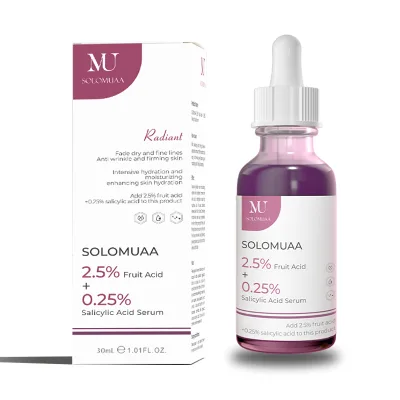
Product attributes observed include transparent liquids, purple-hued serums, and gel-based injectables, with packaging ranging from standard boxes to strong protective packaging for multi-vial sets. Key ingredients frequently cited include hyaluronic acid, salicylic acid, vitamin C, and various herbal extracts, indicating a trend toward multi-functional formulations that address acne alongside anti-aging and brightening concerns. Buyers should verify the exact concentration of active ingredients and the presence of preservatives, as these factors directly influence product stability and efficacy for acne-prone skin types.
Technical Specifications to Verify
Technical verification must begin with the physical state and delivery method of the product, as listings indicate both injectable and topical applications. For injectable products, specifications such as model numbers (e.g., Ultra3, Volift) and volume options (1ml, 2ml) are critical, while topical serums require attention to form, such as liquid consistency, and single package dimensions. Buyers must confirm whether the product is designed for professional administration by licensed practitioners or for home use, as this distinction dictates the required safety protocols and storage conditions.
Storage requirements vary by product type, with some hyaluronic acid fillers requiring temperatures between 2-30 degrees Celsius and protection from sunlight and heat, while others specify a narrower range of 2-25 degrees Celsius. Shelf life is typically listed as two years, but buyers should verify the expiration date upon receipt and ensure that the cold chain is maintained during transit if required. Additionally, the presence of specific features like anti-puffiness or dark circle reduction should be cross-referenced with the ingredient list to ensure the product meets the specific clinical or cosmetic needs of the target demographic.
Compliance and Safety Documentation
Regulatory compliance is paramount when sourcing hyaluronic acid products, with certifications such as ISO and FDA mentioned in several listings, indicating adherence to quality management and safety standards. Buyers must request valid certification documents to verify that the manufacturer operates under recognized frameworks, particularly for injectable products which carry higher regulatory scrutiny. The presence of CE marking is also observed, suggesting compliance with European health, safety, and environmental protection standards, which is essential for importing into or selling within the European market.
Safety documentation should also include detailed ingredient lists and allergen warnings, as products may contain components like parabens, although some listings claim to be paraben-free and vegan. Buyers should verify that the product is cruelty-free and organic if these attributes are part of the brand positioning, as these claims require substantiation through third-party audits. Furthermore, understanding the intended injection areas or application zones, such as lips, nose, or face, helps in assessing whether the product is approved for those specific uses under local medical device or cosmetic regulations.
Cost Drivers and Commercial Terms
The final cost of acquisition is influenced by several commercial terms, including delivery lead times and packaging requirements. Listings indicate a delivery date of within seven days, which suggests a relatively agile supply chain, but buyers should confirm whether this timeline applies to stock items or requires production lead time for customized orders. The availability of customization options allows for branding or specific formulation adjustments, which may incur additional costs or affect the minimum order quantity, impacting the overall unit price.
Packaging plays a significant role in cost and logistics, with products shipped in boxes or strong packaging boxes to protect vials and serums during transit. The single gross weight of items, such as 0.1 kg for certain serums, helps in calculating freight costs, especially for bulk orders. Buyers should negotiate clear terms regarding who bears the risk of loss during transit and ensure that the packaging is suitable for the specific storage conditions required by the product, such as protection from heat and sunlight, to prevent degradation before use.
Supplier Qualification and Quality Control
Supplier qualification requires a thorough review of the manufacturer’s production capabilities and quality control processes, particularly for products originating from key manufacturing hubs like Guangdong, China, or South Korea. Buyers should verify the supplier’s ability to maintain consistent batch quality, especially for products with complex ingredient profiles that include multiple active compounds like peptides, collagen, and various vitamins. Requesting samples for independent laboratory testing is a critical step to validate the claimed efficacy and safety of the hyaluronic acid formulation.
Quality control measures should include checks for contamination, stability testing, and verification of the product’s physical properties, such as viscosity for serums or gel consistency for injectables. Buyers must ensure that the supplier provides a certificate of analysis (COA) for each batch, confirming that the product meets the specified standards and ingredient concentrations. Additionally, assessing the supplier’s track record and customer feedback can provide insights into their reliability and the consistency of their product quality over time.
Long-Term Procurement Checks
Long-term procurement success depends on establishing a robust monitoring system for product performance and regulatory changes. Buyers should regularly review the shelf life and storage requirements of their inventory to prevent waste due to expiration or improper storage conditions. Tracking the durability of the product’s effects, such as the long-lasting results of 9-12 months for certain fillers, helps in assessing customer satisfaction and repeat purchase rates, which are key indicators of product viability in the market.
As regulations evolve, buyers must stay informed about any changes in certification requirements or ingredient restrictions that may affect the sourcing of hyaluronic acid products. Maintaining open communication with suppliers to discuss new formulations or improvements, such as enhanced anti-aging or acne-fighting properties, can provide a competitive advantage. Regular audits of the supply chain and periodic re-evaluation of supplier qualifications ensure that the procurement strategy remains aligned with quality standards and market demands.
FAQs
How long does the hyaluronic acid filler last?
The duration is long lasting for 9 to 12 months. This product is designed for aesthetics filling in areas like lips, nose, and face. It maintains results effectively within this timeframe before requiring a touch-up treatment.
What certifications do the hyaluronic acid products have?
The products hold ISO and FDA certifications. They also carry CE certification for compliance. These standards ensure the safety and quality of the hyaluronic acid fillers used for medical aesthetics procedures.
Can I customize the hyaluronic acid filler specifications?
Customization is available for these products. Buyers can select from models like Ultra3, Ultra4, Volift, or Voluma. Options also include specific volumes such as 1ml, 2ml, 10ml, or 20ml for different treatment needs.
Where are the hyaluronic acid fillers manufactured?
The products originate from China and South Korea. Specific origins include Guangdong, China. This information helps buyers identify the source location for their specific order requirements and logistics planning.
What is the minimum order quantity for these products?
The minimum order quantity ranges from 1 to 500 units. Some specific items may require 200 sets as a baseline. Buyers should check the specific product listing to confirm the exact MOQ for their purchase.
How should the hyaluronic acid products be stored?
Storage requires temperatures between 2 to 30 degrees Celsius. Products must be protected from sunlight and heat. Some variants specify a range of 2 to 25 degrees Celsius for optimal preservation and shelf life.
What is the delivery time for these fillers?
The delivery date is within 7 days. This fast lead time ensures quick availability for urgent orders. Buyers can expect prompt shipment once the order is confirmed and processed by the supplier.
Which injection areas are suitable for this hyaluronic acid?
Injection areas include the lips, jawline, nose, cheek, chin, and nasolabial folds. The product is also suitable for the eyes and general face treatment. It is designed for both female and male aesthetic procedures.