Source CE Certified Medical Ultrasound Gel for Hospitals, Clinics, and Home Care
Find and compare CE Certified Medical Ultrasound Gel from 30 verified suppliers. Evaluate options based on sterilization methods, packaging sizes, and customization features to meet your procurement needs.
Key considerations
Products List




Comprehensive Sourcing Guide
CE Certified Medical Ultrasound Gel Sourcing Guide
Sourcing medical ultrasound gel requires a disciplined approach to balancing clinical efficacy with regulatory compliance. Buyers must navigate a market where products are often labeled with multiple certifications, including CE, ISO, and FDA, which can create confusion regarding the specific jurisdictional validity of each claim. The core keyword "CE Certified Medical Ultrasound Gel" points to a segment of the market where European conformity is a primary entry requirement, yet many suppliers also list ISO 13485 and FDA registration to appeal to a global buyer base. Understanding the distinction between these certifications is the first step in ensuring that the procurement strategy aligns with the intended market of sale.
This guide provides evidence-based procurement advice for buyers seeking ultrasound gel that meets rigorous medical standards. It focuses on interpreting observed listing signals, verifying technical specifications, and assessing supplier qualifications without relying on unverified marketing claims. By adhering to the facts provided and trusted category knowledge, buyers can construct a robust sourcing strategy that minimizes risk and ensures product consistency. The following sections detail the critical factors that influence the selection of ultrasound gel suppliers, from material composition to commercial terms.
Product Scope and Observed Listing Signals
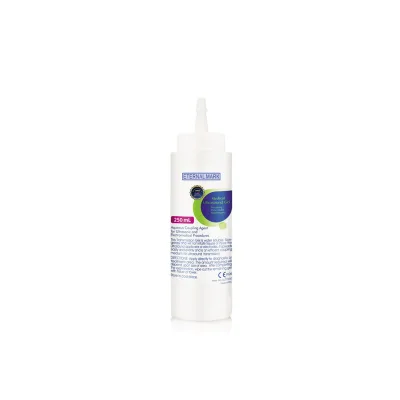
The observed product landscape for ultrasound gel reveals a diverse range of specifications that buyers must carefully evaluate. Listings indicate that products are available in various volumes, including 250ml, 2L, 5L, and customized sizes, catering to both single-use clinical settings and bulk institutional requirements. The color options typically include blue and clear variants, with some products explicitly marked as eco-friendly or made from recycled materials. These physical attributes are not merely aesthetic choices but can impact user experience and environmental compliance, particularly in regions with strict waste management regulations.
Commercial signals from the market show a wide variation in minimum order quantities (MOQs), ranging from 50 units to 20,000 units, which suggests a flexible supply chain capable of supporting both small clinics and large hospital networks. Pricing observations fall within a broad range, reflecting differences in material quality, certification depth, and packaging complexity. Buyers should note that while some suppliers offer free samples, the lead time for these samples can vary, with some indicating availability within three days. This variability in sample availability and MOQs requires buyers to align their procurement volume with supplier capabilities to avoid delays or excessive inventory costs.
Technical Specifications to Verify
Technical verification of ultrasound gel begins with understanding the physical properties that affect diagnostic imaging quality. Key attributes to verify include the gel’s flexibility, which is often described as soft, ensuring it does not dry out quickly or cause discomfort during prolonged procedures. The presence or absence of ethylene oxide sterilization is a critical differentiator; some products are sterilized, while others are not, which impacts their suitability for invasive or specific diagnostic applications. Buyers must confirm whether the gel is designed for hospital medical use or general diagnostic purposes, as this distinction influences the required sterility and viscosity standards.
Packaging and labeling specifications also play a significant role in the technical assessment. Products are observed in various packaging formats, including individual bottles, bags, cartons, and boxes, with some offering OEM logo printing and others remaining unbranded. The model numbers and product names, such as WH06081302 or UG101, serve as unique identifiers that buyers should cross-reference with supplier documentation to ensure consistency. Additionally, the origin of the product, whether from Zhejiang, Hebei, or Hong Kong S.A.R., can provide insights into the manufacturing standards and logistical considerations, such as port of dispatch from Shanghai.
Compliance and Safety Documentation
Compliance documentation is the cornerstone of sourcing medical ultrasound gel, particularly when targeting markets with stringent regulatory frameworks. The CE mark is a common certification observed in listings, indicating conformity with health, safety, and environmental protection standards for products sold within the European Economic Area. However, buyers must verify that the CE certification is valid and issued by a notified body if the product is classified as a medical device. The presence of ISO 13485 certification further suggests that the manufacturer adheres to a quality management system specific to medical devices, which is a strong indicator of process reliability.
In addition to CE and ISO certifications, some suppliers list FDA registration, which is crucial for accessing the United States market. Buyers should also look for MSDS (Material Safety Data Sheet) availability, which provides essential information on the chemical composition and handling safety of the gel. The quality guarantee period, often cited as two years, offers a baseline expectation for product stability and shelf life. It is imperative for buyers to request and review these documents directly from the supplier to ensure that the certifications are current and applicable to the specific product batch being procured.
Cost Drivers and Commercial Terms
Cost drivers for medical ultrasound gel are influenced by several factors, including the volume of purchase, packaging complexity, and customization requirements. The observed price range of $0.25 to $7 per unit reflects these variables, with lower prices typically associated with higher MOQs and standard packaging. Customization options, such as OEM logo printing or specific volume requirements, can increase the unit cost due to the additional setup and production time involved. Buyers should consider the total cost of ownership, including shipping and handling, when evaluating quotes, as the port of dispatch and origin can significantly impact logistics expenses.
Commercial terms also include sample policies and payment conditions. While free samples are offered by some suppliers, the lead time for delivery can affect project timelines. Buyers should negotiate clear terms regarding sample costs and shipping fees, especially for large orders. The MOQ flexibility, ranging from 50 to 20,000 units, allows buyers to start with smaller orders to test product quality before committing to larger volumes. Understanding these commercial dynamics helps buyers optimize their procurement strategy, balancing cost efficiency with supply chain flexibility.
Supplier Qualification and Quality Control
Supplier qualification is a critical step in ensuring the reliability of the ultrasound gel supply chain. Buyers should verify the manufacturer’s identity, with some suppliers explicitly naming themselves, such as Sanji, while others remain anonymous. The presence of a quality guarantee period, typically two years, indicates a level of confidence in product durability and performance. However, buyers must go beyond these claims and conduct thorough due diligence, including reviewing the supplier’s production facilities and quality control processes.
Quality control measures should include regular audits of the manufacturing process to ensure consistency in gel viscosity, sterility, and packaging integrity. Buyers should request batch-specific test results and certificates of analysis to verify that each shipment meets the specified standards. The ability to provide customized solutions, such as specific model numbers or packaging formats, also reflects the supplier’s technical capability and flexibility. By prioritizing suppliers with robust quality control systems and transparent documentation, buyers can mitigate the risk of product failures and regulatory non-compliance.
Long-Term Procurement Checks
Long-term procurement success depends on establishing ongoing checks and balances with suppliers. Regular performance reviews should assess the supplier’s ability to meet delivery schedules, maintain product quality, and respond to changes in regulatory requirements. Buyers should monitor any updates to certification statuses, such as CE or ISO, to ensure continued compliance. The flexibility of the supplier to accommodate customized orders and varying MOQs is also a key factor in maintaining a resilient supply chain.
Additionally, buyers should stay informed about market trends and technological advancements in ultrasound gel formulations. This includes monitoring the availability of eco-friendly or recycled material options, which may become increasingly important for sustainability goals. By maintaining open communication with suppliers and conducting periodic audits, buyers can ensure that their procurement strategy remains aligned with clinical needs and regulatory standards. This proactive approach helps in building a sustainable and reliable supply chain for medical ultrasound gel.
FAQs
What certifications do CE Certified Medical Ultrasound Gel products hold?
These products typically hold CE, ISO13485, and FDA certifications. Some listings also include ISOEEC and MSDS documentation. These credentials verify compliance with medical device standards and safety regulations for hospital use.
Can I request custom logo printing on the ultrasound gel bottles?
Yes, customization is available for branding purposes. Suppliers offer options with or without logo printing using techniques like offset printing. You can specify your design requirements to match your brand identity on the packaging.
What are the standard volume specifications for this medical gel?
Standard specifications include 250ml, 2L, and 5L sizes. Customized volumes are also accepted based on your specific requirements. These sizes cater to various clinical needs, from single-patient use to bulk hospital supply.
Is the ultrasound gel sterilized using Ethylene Oxide?
Sterilization methods vary by supplier. Some products are Ethylene Oxide Sterilized, while others are without Ethylene Oxide Sterilization. You must verify the specific sterilization status with the manufacturer to ensure it meets your clinical protocol.
What is the typical MOQ for ordering this medical gel?
The minimum order quantity ranges from 50 to 20,000 units depending on the supplier. Some vendors set an MOQ of 100 or 1000 bottles. You should check individual supplier listings for their specific order thresholds.
Are free samples available for quality testing before bulk purchase?
Free samples are often available for evaluation. Suppliers may provide samples within three days to allow for quality assessment. This helps verify the gel's flexibility, color, and application suitability before committing to a larger order.