Source CE Certified Metal Zip Ties for Industrial, Marine, and Construction Uses
Find CE Certified Metal Zip Ties for industrial, marine, and construction applications. Compare 30 available options featuring stainless steel and nylon materials, various sizes, and certifications like UL and ISO to meet your specific bundling and securing needs.
Key considerations
Products List


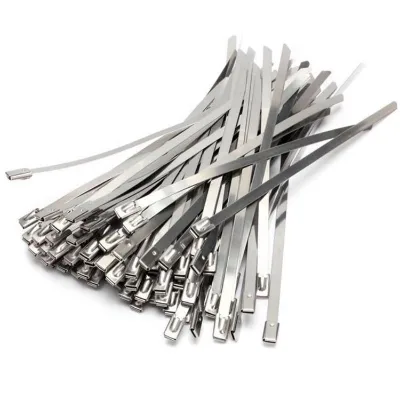


High Quality Adjustable Durable Stainless Steel Cable Tie Metal Zip Ties
$0.70 - $1.00
MOQ: 100 Pieces

High Quality Adjustable Durable Stainless Steel Cable Tie Metal Zip Ties
$0.80 - $1.00
MOQ: 100 Pieces


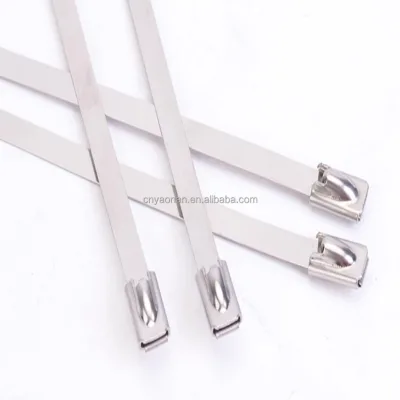


7.9mm X 200mm Stainless Steel Zip Cable Tie Self Locking Metal Zip Ties
$0.05 - $0.06
MOQ: 10000 Pieces

Comprehensive Sourcing Guide
CE Certified Metal Zip Ties Sourcing Guide
Sourcing CE Certified Metal Zip Ties requires a nuanced understanding of the intersection between industrial-grade fastening solutions and regulatory compliance frameworks. Unlike standard nylon cable ties, metal variants—typically constructed from stainless steel or coated steel—offer superior resistance to extreme temperatures, UV degradation, and mechanical stress. Buyers must navigate a market where "CE certification" often refers to the manufacturing process or specific product lines rather than the fastener itself, as cable ties are generally considered passive components. Therefore, the procurement strategy must focus on verifying that the supplier’s quality management systems and material traceability meet European standards, ensuring that the final product integrates safely into larger CE-marked assemblies.
The decision to source metal zip ties is often driven by applications in harsh environments, such as outdoor infrastructure, marine settings, or heavy machinery, where plastic ties fail prematurely. The observed market data indicates a wide range of specifications, from 4mm to 16mm widths and lengths extending up to 1000mm, catering to diverse bundling needs. Procurement teams must distinguish between self-locking stainless steel designs, which offer high tensile strength and corrosion resistance, and coated variants that may provide additional aesthetic or environmental protection. Understanding these material distinctions is critical for selecting the right product that balances cost, durability, and regulatory alignment.
Product Scope and Observed Listing Signals
The current market landscape for metal zip ties reveals a significant diversity in product attributes, with listings highlighting features such as flame retardancy, heat resistance, and customizable packaging. Observed data shows that while many products are marketed with CE certification, there is also a strong presence of other certifications like ISO, RoHS, CCC, UL, DNV, ABS, and UKCA. This variety suggests that buyers should not assume a single certification covers all product lines; instead, they must verify which specific models or batches carry the desired compliance marks. The presence of multiple certification types indicates that suppliers often cater to different regional markets, requiring careful alignment between the product’s certified status and the destination country’s regulatory requirements.
Material composition is another critical signal, with listings explicitly mentioning stainless steel (including 304 grade) and nylon variants, alongside coated options. The observed length range spans from 80mm to 1000mm, with standard widths including 4.6mm, 7.9mm, 12mm, and 16mm, allowing for precise selection based on bundle diameter and load requirements. Additionally, features such as self-locking mechanisms and fire ratings (e.g., 94V) are prominently displayed, indicating that performance under stress and fire safety are key differentiators. Buyers should pay close attention to these specific attributes, as they directly impact the suitability of the tie for critical infrastructure or safety-sensitive applications.
Technical Specifications to Verify
When evaluating technical specifications, buyers must prioritize the material grade and mechanical properties of the metal zip ties. Stainless steel ties, particularly those made from 304 grade, offer excellent corrosion resistance and are suitable for outdoor and marine environments. However, for applications requiring higher strength or specific magnetic properties, other grades or coated steel options may be more appropriate. It is essential to verify the exact material composition, as some listings may mix stainless steel with nylon components, which can affect performance in high-temperature or chemically aggressive environments. Confirming the raw material specifications ensures that the product will withstand the intended operational conditions without premature failure.
Dimensional accuracy and locking mechanism integrity are also critical technical factors. The observed standard sizes, such as 7.9mm x 680mm or 9.0mm x 650mm, provide a baseline, but buyers should request detailed technical drawings or samples to verify that the actual product dimensions match the specified tolerances. The self-locking feature must be tested for ease of installation and resistance to accidental release, especially in vibrating environments. Additionally, the working temperature range, typically cited as -35°C to 85°C for nylon components, should be cross-referenced with the metal’s performance limits to ensure the entire assembly remains functional under extreme thermal conditions.
Compliance and Safety Documentation
Navigating the compliance landscape for metal zip ties requires a clear understanding of what CE certification entails in this context. While CE marking is mandatory for many products sold in the European Economic Area, cable ties themselves are not typically self-certified under specific EU directives unless they are part of a larger safety-critical assembly. Therefore, buyers should focus on verifying that the supplier holds valid CE certification for their manufacturing processes and that the materials used comply with relevant directives, such as RoHS for hazardous substance restrictions. The presence of additional certifications like ISO, SGS, and CCC further indicates a robust quality management system, which is crucial for maintaining consistent product quality and regulatory adherence.
Safety documentation, including fire ratings and material safety data sheets (MSDS), is essential for applications in sensitive environments. Listings often mention fire ratings such as 94V, which indicates the material’s flammability characteristics, but buyers should request official test reports to confirm these claims. For stainless steel ties, verifying the absence of harmful coatings or treatments is also important, especially in food processing or medical applications. Ensuring that all compliance documents are up-to-date and issued by recognized testing bodies helps mitigate legal and safety risks, providing a solid foundation for integrating these fasteners into larger projects.
Cost Drivers and Commercial Terms
The cost of metal zip ties is influenced by several factors, including material type, dimensions, and certification requirements. Stainless steel ties, particularly those made from 304 grade, are generally more expensive than coated steel or nylon alternatives due to the higher raw material costs and more complex manufacturing processes. Buyers should also consider the impact of customization options, such as specific lengths, colors, or packaging requirements, which can add to the overall cost. The observed MOQ range of 1 to 10,000 units suggests that suppliers are flexible, but larger orders may offer better economies of scale, reducing the per-unit cost significantly.
Commercial terms, including payment methods, shipping options, and lead times, play a crucial role in the total cost of ownership. While specific prices and lead times are not provided in the observed data, buyers should negotiate clear terms that account for potential fluctuations in raw material costs and shipping fees. Packaging options, such as colorful printing poly bags or export cartons, can also affect logistics costs and storage requirements. It is advisable to request detailed quotations that break down costs by material, certification, and packaging, allowing for a transparent comparison between different suppliers and ensuring that the final price aligns with the project budget.
Supplier Qualification and Quality Control
Selecting a reliable supplier for metal zip ties involves rigorous qualification and quality control processes. Buyers should verify the supplier’s manufacturing capabilities, including their production capacity, quality assurance protocols, and experience in exporting to target markets. The presence of multiple certifications, such as ISO, CE, and UL, indicates a commitment to quality, but buyers should also conduct on-site audits or request third-party inspection reports to ensure that these standards are consistently maintained. Additionally, verifying the supplier’s ability to provide customization and OEM services is important for meeting specific project requirements.
Quality control measures should include incoming material inspections, in-process checks, and final product testing. Buyers should request samples to evaluate the physical properties of the ties, such as tensile strength, locking mechanism reliability, and surface finish. For stainless steel ties, verifying the corrosion resistance through salt spray testing is essential, especially for outdoor or marine applications. Establishing a clear quality agreement with the supplier, including defined acceptance criteria and procedures for handling non-conforming products, helps ensure that the delivered goods meet the required standards and performance expectations.
Long-Term Procurement Checks
Long-term procurement success depends on establishing a sustainable supply chain that can adapt to changing market conditions and regulatory requirements. Buyers should regularly review supplier performance metrics, including delivery times, product quality, and responsiveness to issues. Building a relationship with a trusted supplier can facilitate better pricing, priority production, and access to new product developments. Additionally, staying informed about changes in certification requirements and industry standards is crucial for maintaining compliance and avoiding disruptions in supply.
Continuous improvement initiatives, such as regular audits and feedback loops, help ensure that the supplier remains aligned with the buyer’s quality and compliance expectations. Buyers should also consider diversifying their supplier base to mitigate risks associated with single-source dependencies. By maintaining a proactive approach to supplier management and quality control, buyers can secure a reliable supply of high-quality metal zip ties that meet their technical, regulatory, and commercial needs over the long term.
FAQs
What certifications do the metal zip ties hold?
The products hold CE, ISO, RoHS, CCC, UL, DNV, ABS, Ccsc, and SGS certifications. These documents verify compliance with international safety and quality standards for industrial applications.
Which materials are used for these cable ties?
Available materials include Stainless Steel and PA66 Nylon. The stainless steel variants offer high strength, while the nylon options provide flame retardant and heat-resistant properties for diverse environments.
Can I request custom packaging for these items?
Yes, customization is available including specific packing methods. Options range from colorful printing poly bags with export cartons to various packing methods tailored to customer requests.
What is the working temperature range for these ties?
The working temperature range spans from -35 to 85 degrees Celsius. Installation requires temperatures above 0 degrees Celsius to ensure proper functionality and material integrity during application.
Where are these products manufactured and shipped from?
Products originate from Wenzhou, Zhejiang, China. This location serves as the primary production hub for both standard and customized stainless steel and nylon cable tie solutions.
What fire rating standards apply to these cable ties?
The items meet the 94V fire rating standard. This classification applies to both the nylon and stainless steel variants, ensuring they resist ignition and flame spread in critical installations.