Source Chrome-Plated Steel Cable Stranding Pulley for Laying, Tensioning, Routing
Compare 30 Chrome-Plated Steel Cable Stranding Pulley options from verified manufacturers. Buyers can evaluate specifications like bearing types, wheel materials, and customization features to select the right equipment for cable laying, tensioning, and routing applications; compare the available evidence and request quotations based on your requirements.
Key considerations
Products List


High Quality Alloy Roller Stringing Line Cable Roller Hanging Cable Pulleys
$20.00 - $26.00
MOQ: 50 Pieces


Single Sheave Cable Pulling Pulley with Hook for Stringing Cable Conductor
$5.00 - $15.00
MOQ: 1000 Pieces

Stainless Steel Nylon Hoisting Pulley Block Single Nylon Ring Type Cable Roller
$5.00 - $15.00
MOQ: 1000 Pieces


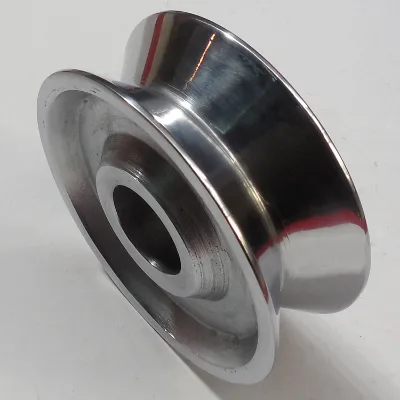


Stringing Cable Pulley Block Nylon Cable Roller Wire Rope Guide Roller Pulley
$30.00 - $200.00
MOQ: 1 Pieces

Customized OEM Support Industrial Grade Aluminium Steel Wire Cable Pulley Roller
$10.00 - $25.00
MOQ: 10 Pieces


Heavy Duty Straight Line Steel Cable Pulling Roller Electric Cable Pulley
$22.00 - $25.00
MOQ: 5 Pieces

Comprehensive Sourcing Guide
Chrome-Plated Steel Cable Stranding Pulley Sourcing Guide
Procuring chrome-plated steel cable stranding pulleys requires a nuanced understanding of material durability and mechanical precision. These components are critical in cable manufacturing and stringing operations, where low friction and high wear resistance are non-negotiable. The chrome plating serves as a protective barrier against corrosion and abrasion, extending the service life of the pulley in harsh industrial environments. Buyers must recognize that while the base material is steel, the quality of the plating process directly impacts performance. Inconsistent plating thickness or poor adhesion can lead to premature failure, causing cable damage and operational downtime. Therefore, sourcing decisions should prioritize suppliers who demonstrate rigorous control over their electroplating procedures.
Beyond the surface finish, the internal mechanical structure of the pulley dictates its efficiency. High-quality stranding pulleys typically incorporate roller bearings to minimize rotational resistance. This design choice reduces the force required to pull or strand cables, thereby lowering energy consumption and reducing stress on the cable itself. Buyers should verify that the bearing type matches the specific load and speed requirements of their application. Single-row roller bearings are common for axial loads, but complex stranding setups may require more sophisticated arrangements. Understanding these mechanical distinctions ensures that the selected pulley aligns with the technical demands of the production line, preventing unnecessary wear on both the equipment and the cable being processed.
Product Scope and Observed Listing Signals
Market listings for cable pulleys often reveal a diverse range of configurations, from simple single-wheel units to complex multi-wheel assemblies. Observed product attributes indicate that materials frequently combine steel frames with aluminum or nylon wheels to balance strength and weight. For instance, some listings specify aluminum and nylon wheels paired with galvanized steel frames, highlighting a trend toward lightweight yet durable designs. The color coding, such as yellow, orange, or green, is often used for visibility and safety compliance on factory floors. Buyers should note that while chrome plating is the core keyword, many suppliers offer alternative surface treatments like electrophoresis or standard galvanization, which may be more cost-effective for less demanding applications.
The scope of available products also extends to customization options, with many manufacturers offering OEM services to meet specific dimensional or functional requirements. Standard models often come in fixed sizes, such as 160x165mm or 310x230x150mm, but customized dimensions are widely available. Packaging details vary, with cartons being the standard for smaller units and wooden crates for larger, heavier assemblies. Shipping methods include air, sea, and rail, reflecting the global nature of the supply chain. Buyers should carefully review the listed specifications, as terms like "rotating wheel" or "flat belt" may indicate specific mechanical interfaces that must match existing machinery. Misalignment between the pulley type and the application can lead to significant operational inefficiencies.
Technical Specifications to Verify
When evaluating technical specifications, the diameter and outer dimensions of the pulley are primary considerations. Listings show a range of diameters, including 3mm, 4mm, 4.5mm, and 5.2mm, which correspond to different cable sizes. Buyers must ensure that the pulley groove geometry matches the cable diameter to prevent slippage or excessive wear. The outer dimension, often categorized as large (200-430mm), affects the overall footprint and mounting requirements. Additionally, the weight of the unit, ranging from 4.8kg to 20kg, influences the structural support needed. Heavier pulleys may offer greater stability but require more robust mounting hardware. Verifying these physical parameters against the machine’s design specifications is essential to ensure compatibility and safe operation.
The bearing configuration is another critical technical aspect that demands close scrutiny. Specifications often mention roller bearings, single-row arrangements, and axial load directions. Buyers should confirm whether the bearings are sealed or open, as this affects maintenance intervals and resistance to contaminants. The spherical or non-aligning nature of the bearings also plays a role in handling misalignment during operation. Furthermore, the temperature range, such as 800°C for certain high-heat applications, indicates the thermal limits of the materials. While chrome-plated steel pulleys are generally used in standard environments, understanding the thermal and load capacities ensures that the component will not fail under extreme conditions. Detailed technical datasheets should be requested to validate these specifications.
Compliance and Safety Documentation
Compliance with international standards is a fundamental requirement for industrial components. Many suppliers list certifications such as RoHS and ISO, which indicate adherence to environmental and quality management standards. RoHS compliance ensures that the chrome plating and other materials do not contain hazardous substances, which is crucial for environmental safety and regulatory compliance in many markets. ISO certification, particularly ISO 9001, signals that the manufacturer follows consistent quality management processes. Buyers should request copies of these certificates to verify their validity and scope. While these certifications provide a baseline of trust, they do not guarantee that every individual batch meets specific performance criteria. Therefore, additional verification steps are necessary to ensure product reliability.
Safety documentation should also include material safety data sheets (MSDS) and operational guidelines. These documents provide critical information on handling, installation, and maintenance procedures. For chrome-plated components, understanding the chemical properties of the plating is important for worker safety during installation or repair. Additionally, buyers should inquire about any specific safety features, such as guards or locking mechanisms, that may be integrated into the pulley design. These features can prevent accidental contact with moving parts, reducing the risk of injury. Ensuring that all safety documentation is up-to-date and accessible helps maintain a safe working environment and complies with local occupational health and safety regulations.
Cost Drivers and Commercial Terms
The cost of chrome-plated steel cable stranding pulleys is influenced by several factors, including material costs, manufacturing complexity, and surface treatment quality. The price range observed in the market varies significantly, from as low as $0.05 to $1000, reflecting the diversity in size, material, and customization options. Larger, heavy-duty pulleys with specialized bearings and custom dimensions will naturally command higher prices. The thickness and quality of the chrome plating also impact cost, as thicker plating requires more material and processing time. Buyers should request detailed quotes that break down these costs to understand the value proposition. Comparing prices across multiple suppliers can help identify market trends and negotiate better terms.
Minimum order quantities (MOQ) and payment terms are also key commercial considerations. MOQs typically range from 1 to 1000 units, allowing for flexibility in purchasing. Smaller MOQs are suitable for trial orders or maintenance replacements, while larger orders benefit from economies of scale. Payment terms, such as T/T or L/C, should be negotiated based on the order size and supplier relationship. Lead times can vary depending on the complexity of the order and the supplier’s production capacity. Buyers should clarify these terms upfront to avoid delays and ensure smooth transaction processes. Additionally, shipping costs and packaging requirements should be included in the total cost analysis to get a complete picture of the procurement expense.
Supplier Qualification and Quality Control
Supplier qualification is a critical step in ensuring the reliability of the procurement process. Buyers should assess the supplier’s manufacturing capabilities, including their equipment, workforce, and quality control systems. Suppliers with in-house plating facilities often have better control over the quality of the chrome finish. It is also important to verify the supplier’s experience in producing cable stranding pulleys, as specialized knowledge can lead to better product performance. Requesting references or case studies from previous clients can provide insights into the supplier’s reliability and customer service. A thorough due diligence process helps mitigate the risk of sourcing from unreliable or inexperienced manufacturers.
Quality control measures should be clearly defined and agreed upon before placing an order. This includes inspection protocols for material composition, plating thickness, and bearing performance. Buyers may request third-party inspection reports or conduct their own quality checks upon receipt. Sampling is a common practice, with some suppliers offering free samples for evaluation. These samples allow buyers to test the pulley in real-world conditions before committing to a large order. Establishing a clear quality assurance framework ensures that the purchased components meet the required standards. Regular audits and performance reviews can further strengthen the supplier relationship and ensure consistent quality over time.
Long-Term Procurement Checks
Long-term procurement success depends on continuous monitoring of supplier performance and product quality. Buyers should establish key performance indicators (KPIs) to track metrics such as delivery times, defect rates, and customer satisfaction. Regular feedback loops with the supplier can help identify and address issues promptly. Additionally, staying informed about industry trends and technological advancements can help buyers make informed decisions about future purchases. For example, new materials or plating techniques may offer improved performance or cost savings. Being proactive in exploring these innovations can provide a competitive advantage. Building a strong, collaborative relationship with the supplier is essential for long-term success.
Sustainability and environmental considerations are increasingly important in procurement decisions. Buyers should evaluate the supplier’s environmental practices, such as waste management and energy efficiency. Choosing suppliers who prioritize sustainability can enhance the buyer’s corporate social responsibility profile. Additionally, considering the lifecycle of the product, including recyclability and disposal, can reduce environmental impact. Regularly reviewing and updating procurement policies to reflect these values ensures that the supply chain remains aligned with broader organizational goals. By focusing on long-term value rather than just short-term cost, buyers can build a resilient and sustainable supply chain.
FAQs
What materials are used for the cable pulley wheels?
The wheels are constructed from aluminum and nylon materials. This combination provides a lightweight yet durable surface for cable guidance. The frame is typically made of steel, often galvanized for corrosion resistance. This material selection ensures smooth rotation and protects the cable from friction during installation and maintenance tasks.
Can these cable rollers be customized for specific projects?
Yes, customization is available for these cable pulleys. Buyers can request specific dimensions, colors, or structural modifications to meet unique project requirements. The supplier supports OEM services, allowing for tailored solutions. This flexibility ensures that the equipment fits precisely into various cable stringing or hanging applications across different industries.
What certifications do these cable pulleys hold?
These cable pulleys hold RoHS and ISO certifications. These standards verify compliance with environmental regulations and quality management systems. The certifications ensure that the manufacturing process meets international benchmarks for safety and reliability. Buyers can trust the product quality for critical infrastructure projects requiring certified components.
How are the cable rollers packaged for shipping?
The cable rollers are usually packed in cartons or wooden crates. This packaging protects the units during transit by air, sea, or train. The supplier offers flexible shipping options including DHL for faster delivery. Proper packaging ensures the product arrives in new condition, ready for immediate installation without damage.
What is the typical weight range for these pulleys?
The weight of these cable pulleys typically ranges from 4 to 20 kilograms. Specific models may have weights around 4.8 kilograms. The weight varies based on the frame size and bearing configuration. This range allows for manageable handling during installation while providing the necessary stability for heavy cable loads.
What type of bearings are used in these pulleys?
These pulleys use roller bearings for smooth rotation. The bearings are often single-row and axial type, designed to handle specific load directions. Some models feature non-aligning spherical bearings for stability. This bearing type reduces friction, ensuring efficient cable movement and extending the service life of the equipment during rigorous stringing operations.