Source Hot Galvanized Cable Ladder for Industrial Projects
Compare 26 Hot Galvanized Cable Ladder options from verified Chinese suppliers. Buyers can evaluate specifications like material, dimensions, and certifications to find the right solution for industrial cable laying applications; compare the available evidence and request quotations based on your requirements.
Key considerations
Products List


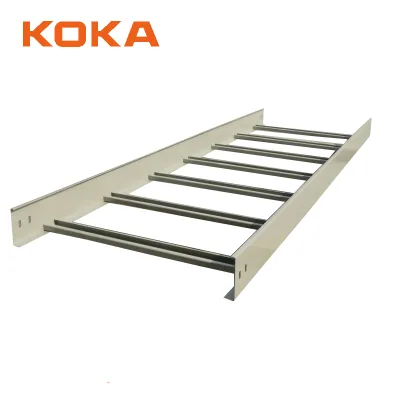


China China Galvanized Cable Ladder, Ladder Cable Tray, Ladder Type Cable Tray
$4.00 - $15.00
MOQ: 100 Meters


Comprehensive Sourcing Guide
Hot Galvanized Cable Ladder Sourcing Guide
Buyers evaluating hot galvanized cable ladders must first distinguish between the specific product types listed in current market offerings, such as ladder bridges, slotted trays, and channel cable trays. The observed product data indicates that while the core keyword focuses on hot galvanizing, suppliers also list carbon steel and stainless steel variants with different surface treatments and structural profiles. This variation requires a precise definition of the required material and finish before initiating any procurement inquiry to ensure the selected component matches the intended environmental exposure and load-bearing needs.
The sourcing landscape reveals a wide range of customization options, including perforated bridges and slotted designs, which directly impact the final application suitability. While some listings specify a "Ladder" type with hot galvanizing, others describe "Slotted" or "Channel" configurations that may utilize different manufacturing processes or materials like stainless steel 304/316. Procurement teams must carefully cross-reference the specific product model and surface treatment claims against the project requirements, as the term "hot galvanized" may not apply uniformly to every item listed under the broader category of cable management systems.
Product Scope and Observed Listing Signals
When reviewing product listings, buyers should note that the observed range of specifications includes widths from 50mm to 1200mm and lengths extending up to 12 meters, often available in custom configurations. The data shows that while some products are standardized with specific model numbers like Hdz or defined cross-sections such as 5050 or 15075, others offer fully customizable dimensions to fit unique installation geometries. This flexibility allows for tailored solutions but necessitates clear communication of exact dimensional requirements to avoid mismatches between the ordered product and the physical installation space.
The material composition observed in the market varies significantly, with listings citing Aluminum Alloy, Carbon Steel, and Stainless Steel 304/316 as primary options. Although the core keyword emphasizes hot galvanizing, which is typically applied to carbon steel, the presence of stainless steel and aluminum options suggests that buyers must verify the specific material grade for each item. The feature set often includes corrosion resistance, dustproofing, and light weight, but these attributes depend heavily on the underlying material and the specific surface treatment process applied by the manufacturer.
Technical Specifications to Verify
Verification of the surface treatment process is critical, as the term "hot galvanizing" implies a specific zinc coating method that offers superior corrosion resistance compared to other finishes. Buyers must confirm that the listed "Hot Galvanizing" process is applied to the carbon steel components, as stainless steel and aluminum alloys typically rely on different protective mechanisms or surface treatments. Ensuring the correct application of this process is essential for projects located in harsh environments where long-term durability against rust and chemical exposure is a primary concern.
Structural integrity and load capacity are equally important, with observed specifications indicating side rail heights ranging from 40mm to 50mm and thicknesses around 2.75mm to 3.0mm. The maximum working load for some units is listed at 500kg, but this figure must be validated against the specific model and material thickness selected for the project. Buyers should request detailed engineering drawings or load tables to confirm that the chosen ladder bridge or slotted tray can safely support the intended cable weight and any additional dynamic loads during installation and operation.
Compliance and Safety Documentation
Certification verification is a mandatory step, as the observed product data lists CE, ISO, RoHS, and CCC marks as common compliance indicators for these cable management systems. While the presence of these certifications suggests adherence to international safety and environmental standards, buyers must ensure that the specific batch or model ordered carries valid, up-to-date documentation. The inclusion of CCC certification is particularly relevant for products destined for the Chinese market, whereas CE marks are essential for European compliance, requiring careful alignment with the destination country's regulatory framework.
Safety features such as antimagnetic properties and dustproof designs are listed as key attributes for certain models, which can be critical for sensitive electronic installations. Buyers should request test reports or technical data sheets that explicitly confirm these performance claims, as the presence of an "Antimagnetic" feature may not be universal across all listed cable trays. Additionally, the standard export packing or waterproof bundle options mentioned in the listings should be verified to ensure that the products arrive at the site without damage, preserving their protective coatings and structural integrity.
Cost Drivers and Commercial Terms
Pricing in this sector is influenced by the raw material costs of steel or aluminum, the complexity of the hot galvanizing process, and the degree of customization required for the order. The observed price range spans from 0.41 to 400 USD, reflecting the vast difference between small, standard components and large, custom-engineered ladder bridges. Buyers must understand that lower unit costs often correlate with standard sizes and minimal customization, while bespoke dimensions, specific thicknesses, or special surface treatments will inevitably increase the final unit price.
Commercial terms such as Minimum Order Quantity (MOQ) and lead times vary significantly among suppliers, with observed MOQs ranging from 1 to 1000 pieces and delivery times between 3 and 20 days. Some listings specify an MOQ of 50 or 100 pieces, while others may offer samples freely to facilitate the decision-making process. Procurement teams should negotiate these terms based on their project volume, balancing the need for immediate delivery against the potential cost savings of larger batch orders, while also clarifying who bears the risk for shipping and packaging.
Supplier Qualification and Quality Control
Supplier location and origin are key factors in the sourcing decision, with observed data pointing to manufacturers in Shandong and Yangzhong, China. These regions are known for their industrial manufacturing capabilities, but buyers should verify the specific factory's production capacity and quality control systems to ensure consistent output. The ability to provide samples freely is a positive indicator of supplier confidence, yet it should be complemented by a review of their track record in delivering large-scale projects with similar technical specifications.
Quality control processes must be rigorously assessed, particularly regarding the uniformity of the hot galvanizing coating and the precision of the slotted or perforated designs. Buyers should inquire about the supplier's internal testing protocols for corrosion resistance and load-bearing capacity, as these are critical for the long-term performance of the cable ladder system. Establishing a clear communication channel for quality assurance and defining acceptance criteria before production begins will help mitigate the risk of receiving non-compliant or substandard products.
Long-Term Procurement Checks
Long-term procurement success depends on verifying the supplier's ability to maintain consistent quality over time, especially when reordering for expansion projects or maintenance replacements. Buyers should establish a relationship that includes regular quality audits and the ability to trace materials back to their source, ensuring that the carbon steel or stainless steel grades remain consistent with the original specifications. This continuity is vital for maintaining the structural integrity and corrosion resistance of the entire cable management infrastructure over its operational lifespan.
Finally, buyers must monitor the supplier's responsiveness to after-sales support and their capacity to handle custom requests for future modifications. The observed flexibility in product dimensions and colors suggests that suppliers can adapt to changing project needs, but this requires a proactive approach to documentation and communication. Establishing a clear protocol for handling warranty claims, technical queries, and future customization requests will ensure that the procurement relationship remains productive and that the cable ladder systems continue to meet the evolving demands of the facility.
FAQs
What certifications do hot galvanized cable ladders have?
Hot galvanized cable ladders typically carry CE, ISO, RoHS, and CCC certifications. These standards ensure safety and quality compliance for international markets. Buyers should verify specific documentation from the supplier to confirm that the product meets local regulatory requirements before placing an order.
Can I customize the color and dimensions of the ladder?
Yes, customization is available for color, width, length, and thickness. Products often come in standard sizes like 50mm to 1200mm width, but custom dimensions are acceptable. Buyers can request specific colors and thicknesses to match their installation needs while maintaining the hot galvanized finish.
What is the typical delivery time for these cable ladders?
The delivery time usually ranges from 3 to 15 days depending on the order size and customization. Some suppliers offer a standard window of 7 to 15 days for production and shipping. Buyers should confirm the exact lead time with the manufacturer before finalizing the purchase agreement.
Which materials are used for manufacturing hot galvanized cable ladders?
Manufacturers primarily use aluminum alloy, carbon steel, and stainless steel grades like 304 or 316. The hot galvanizing process provides corrosion resistance and durability. The choice of material depends on the specific application environment and the required load-bearing capacity for the cable laying system.
What is the minimum order quantity for purchasing these ladders?
The minimum order quantity varies by supplier but often starts at 50 pieces or 100 pieces. Some vendors may accept orders as low as one piece for samples. Buyers should check the specific MOQ requirements with the manufacturer to ensure the order meets their threshold for production.
How are hot galvanized cable ladders packaged for shipping?
Products are commonly packed in cartons, boxes, or waterproof bundles to ensure safety during transit. Packaging can be customized according to customer requirements to prevent damage. Standard export packing is also available to protect the hot galvanized surface from scratches and corrosion during long-distance shipping.
Where are these cable ladders manufactured and shipped from?
Manufacturing typically takes place in regions like Shandong or Yangzhong in China. These locations serve as the primary origin for exporting hot galvanized cable ladders globally. Buyers can expect shipments to originate from these Chinese production hubs when sourcing from the listed suppliers.