Source CE Certified Nail UV Lamp for Salons, Home Use, and Training
Compare 30 CE Certified Nail UV Lamp options with varying wattages, timer settings, and power supplies. Buyers can evaluate models like the BTnaillamp and EN-055 for professional salon, home beauty, and training applications.
Key considerations
Products List


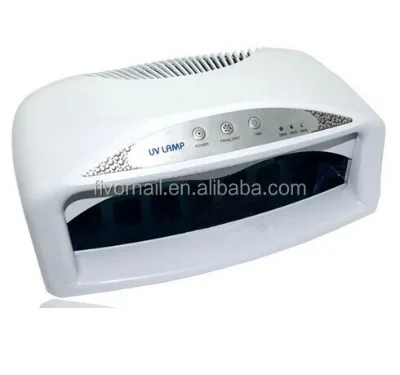


Factory Wholesale UV LED Gel Polish Nail Curing Lamp Sun Mini LED Nail Lamp
$0.50 - $0.60
MOQ: 100 Pieces


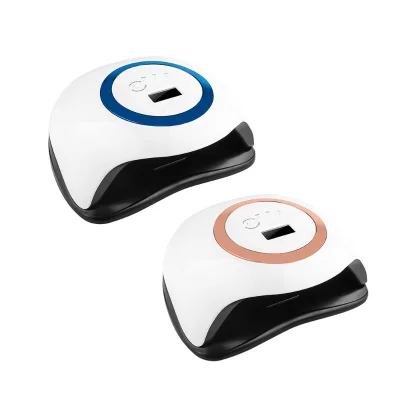
Wholesale 54W Gel Curing UV Lamp Manicure Custom Logo Portable UV LED Nail Lamp
$0.90 - $1.50
MOQ: 200 Pieces



Comprehensive Sourcing Guide
Strategic Sourcing Guide for CE Certified Nail UV Lamps
Understanding the Technical Landscape of Nail UV Lamps
The procurement of nail UV lamps requires a precise understanding of the technical specifications that define product performance and safety. In the current market, these devices are primarily categorized by their power source, lamp configuration, and curing capabilities. The observed product data indicates a diverse range of models, including specific designations such as the BTnaillamp, BTlamp, and the EN-055 series. These models vary significantly in their internal architecture, which directly impacts their suitability for different salon environments or professional applications.
A critical technical differentiator is the power supply mechanism. While many units operate on standard electric power with voltage ranges spanning 110v to 240v to ensure global compatibility, others are designed with USB power supply capabilities, offering portability for mobile nail technicians or home users. The power output, measured in watts, is another vital specification. Data points reveal models ranging from 16w to 96W, with specific instances of 54W units. Higher wattage generally correlates with faster curing times for gel polishes, but it must be balanced against heat generation to prevent damage to the natural nail plate.
The lamp configuration is equally important for uniform curing. The supply chain data highlights units equipped with 6, 30, or 42 individual UV lamps. The distribution of these lamps within the housing affects the light intensity and the evenness of the cure across the nail surface. Furthermore, the inclusion of timer functions is a standard feature in modern units, with observed settings including 10s, 30s, 60s, 99s, and extended intervals of 2min, 3min, and 5min. Some advanced models integrate fan cooling and LED displays to manage heat and provide clear operational feedback. The physical dimensions also vary, with standard sizes observed around 230 x 200 x 105mm, while others may be more compact, such as 2020.510cm, or larger, reaching single package sizes of 52X25X57 cm.
Compliance and Certification Verification Protocols
For buyers sourcing CE certified nail UV lamps, verifying compliance is not merely a formality but a critical risk mitigation strategy. The European Union's CE marking indicates that a product meets safety, health, and environmental protection requirements. In the context of the observed product data, certifications such as CE, RoHS, CB, and MSDS are frequently cited. However, the presence of these marks on a product listing does not guarantee that every unit in a bulk order possesses valid certification. Buyers must treat these attributes as observations that require independent verification rather than absolute guarantees.
The RoHS (Restriction of Hazardous Substances) directive is particularly relevant for electrical and electronic equipment, ensuring that the plastic components and electronic circuits do not contain excessive levels of lead, mercury, or other hazardous materials. Similarly, the CB scheme certification implies that the product has been tested to international standards, which can facilitate acceptance in other markets. The MSDS (Material Safety Data Sheet) is essential for understanding the chemical safety of the device, particularly regarding the UV lamps and any internal cooling fluids or adhesives used in construction.
When evaluating a potential supplier, buyers should request the specific test reports associated with the CE mark. It is crucial to distinguish between a self-declaration of conformity and a certificate issued by a recognized Notified Body. The data indicates that some products originate from regions like Zhejiang, China, which is a major manufacturing hub. While the origin location is a factual observation, it does not inherently dictate quality. Instead, the buyer must verify that the specific batch of goods being purchased has undergone the necessary testing procedures to legally bear the CE mark in the target market. Relying solely on the "CE" label without supporting documentation can lead to customs seizures or liability issues if the product fails to meet safety standards during use.
Cost Drivers and Pricing Structure Analysis
The pricing of nail UV lamps is influenced by a complex interplay of technical specifications, material costs, and supply chain logistics. The observed price range in the market spans from $0.5 to $36.6 USD, a wide disparity that reflects the significant variation in product quality and feature sets. At the lower end of the spectrum, products are likely to be basic models with fewer lamps, lower wattage, and simpler plastic housings. Conversely, the higher-priced units typically feature advanced timers, fan cooling systems, higher wattage outputs, and more robust build quality.
Material composition is a primary cost driver. The standard material for these devices is plastic, but the grade and thickness of the plastic can vary. Higher-quality, fire-retardant plastics that can withstand the heat generated by high-wattage UV lamps will increase the manufacturing cost. Additionally, the number of UV lamps installed directly impacts the price. A unit with 42 lamps will inherently cost more to produce than one with only 6 lamps due to the sheer volume of components and the complexity of the circuitry required to power them evenly.
Packaging also plays a role in the final cost. The data shows variations from simple "Box" or "Paper Box" packaging to more elaborate "Colour Box" or "Carton" options. Premium packaging not only protects the product during transit but also enhances the perceived value for the end consumer, which can justify a higher price point. Furthermore, the weight of the product, ranging from 31.7g to 5.0 kg, affects shipping costs. Heavier units with larger single package sizes will incur higher freight charges, which are often passed on to the buyer in the form of a higher unit price.
Buyers should also consider the Minimum Order Quantity (MOQ) as a factor in cost efficiency. The observed MOQ range is between 2 and 1000 units. While a low MOQ of 2 or 12 pieces allows for smaller initial investments, the per-unit cost is often higher. Larger orders typically benefit from economies of scale, reducing the cost per unit. However, buyers must balance this with their storage capacity and cash flow constraints. Customization options, such as branding or specific color choices like white or pink, may also incur additional setup fees or higher unit costs, depending on the supplier's production capabilities.
Typical Applications and Market Segmentation
Nail UV lamps serve a variety of applications across different market segments, from professional beauty salons to home use and mobile services. The data indicates that these products are designed for "Nail Art Beauty" applications and are suitable for "All Ages." This broad applicability suggests that the product design must cater to diverse user needs, ranging from the high-volume, fast-paced environment of a commercial salon to the occasional, careful use of a home enthusiast.
In professional settings, the demand is for high-performance units capable of curing gel polishes quickly and effectively. Models with higher wattage (e.g., 96W) and multiple lamp configurations (e.g., 42 PCS) are preferred in these environments to minimize waiting time for clients. The inclusion of timer settings like 10s, 30s, and 60s allows technicians to optimize the curing process for different types of gel products. Additionally, the presence of fan cooling is a critical feature for professional use, as it prevents the device from overheating during continuous operation throughout the day.
For the home market, portability and ease of use are paramount. USB-powered models and compact designs with dimensions around 2020.510cm are ideal for this segment. These units often feature simpler timer settings and fewer lamps, as the curing requirements for home users are generally less demanding. The "Pink" and "White" color options observed in the data suggest that aesthetic appeal is a significant factor for consumers purchasing for personal use.
The global sell area for these products includes North America, South America, Europe, and Africa, indicating a widespread demand. This global reach necessitates that the products meet various regional standards and voltage requirements. For instance, the 110v-240v voltage range ensures compatibility with different electrical grids, making the product versatile for international distribution. Understanding these application nuances helps buyers select the right product mix to meet the specific needs of their target customers, whether they are supplying wholesale distributors, retail chains, or direct-to-consumer e-commerce platforms.
Supplier Evaluation and Quality Control Measures
Evaluating suppliers for CE certified nail UV lamps requires a rigorous approach that goes beyond surface-level marketing claims. Buyers should prioritize suppliers who demonstrate transparency in their manufacturing processes and provide verifiable documentation for their certifications. The observation that some products originate from Zhejiang, China, highlights the importance of verifying the specific factory location and its reputation for quality control. While the region is known for manufacturing, the quality can vary significantly between different facilities.
Quality control should be a central part of the procurement strategy. Buyers must ensure that the supplier has a robust QC process in place, including pre-production sampling, in-line inspections, and final random inspections before shipment. Key quality indicators include the consistency of the lamp output, the durability of the plastic housing, and the accuracy of the timer functions. The data mentions specific models like the EN-055 and EN-056, which suggests that standardized production lines exist. However, buyers should verify that the specific units they order match the specifications of the samples they reviewed.
When assessing a supplier, look for evidence of their commitment to continuous improvement and compliance. Suppliers who proactively provide test reports for CE, RoHS, and CB certifications demonstrate a higher level of professionalism. Additionally, the availability of customization services, such as branding or specific color options, indicates a flexible and capable manufacturing partner. However, buyers should be cautious of suppliers who claim "Customization" without clear guidelines on lead times or minimum order requirements for custom runs.
It is also essential to evaluate the supplier's after-sales support and warranty policies. Given the electronic nature of UV lamps, there is a risk of component failure over time. A reliable supplier should offer a clear warranty period and a process for handling defective units. The observed data includes various packaging types, from "Carton" to "Colour Box," which can also serve as an indicator of the supplier's attention to detail. High-quality packaging reduces the risk of damage during transit, which is a critical consideration for maintaining product integrity.
Long-Term Procurement Considerations and Sustainability
Sourcing nail UV lamps is not just about fulfilling an immediate order; it involves building a sustainable supply chain that can adapt to future market changes. One of the key long-term considerations is the scalability of the supplier's production capabilities. As demand grows, the supplier must be able to increase output without compromising quality or lead times. The observed MOQ range of 2 to 1000 units suggests that suppliers vary in their flexibility, and buyers should choose partners who can accommodate both small and large order volumes as their business evolves.
Sustainability is becoming an increasingly important factor in B2B procurement. Buyers should inquire about the environmental impact of the materials used, particularly the plastic components and the electronic waste associated with the UV lamps. The RoHS certification is a positive indicator, but buyers can go further by asking about the supplier's recycling programs or their use of recycled materials in packaging. The "Colour Box" and "Paper Box" packaging options mentioned in the data offer opportunities for more eco-friendly choices, such as using recycled paper or reducing plastic usage in the packaging design.
Another long-term consideration is the technological evolution of the product. As the nail art industry advances, there may be a shift towards LED technology, which offers longer lifespans and lower energy consumption compared to traditional UV lamps. Buyers should assess whether their suppliers are investing in R&D to stay ahead of these trends. The presence of models with advanced features like fan LED displays and multiple timer settings indicates that the market is moving towards more sophisticated products. Maintaining a relationship with a supplier who is committed to innovation will ensure that the buyer can offer the latest and most efficient products to their customers.
Finally, supply chain resilience is crucial. The global nature of the market, with sell areas spanning North America, South America, Europe, and Africa, means that supply chain disruptions can have far-reaching consequences. Buyers should diversify their supplier base to mitigate risks associated with geopolitical tensions, natural disasters, or logistical bottlenecks. By establishing strong, transparent relationships with multiple suppliers, buyers can ensure a steady flow of high-quality, CE certified nail UV lamps, regardless of external challenges. This strategic approach not only protects the business but also enhances its reputation as a reliable and responsible partner in the beauty industry.
FAQs
What certifications do CE certified nail uv lamps typically have?
These lamps often carry CE, RoHS, CB, and MSDS certifications. Buyers must verify specific test reports for each batch rather than relying solely on listing claims to ensure safety compliance.
How many UV lamps are included in these devices?
Observed models contain varying counts such as 6, 30, or 42 individual lamps. The distribution affects curing uniformity, with higher counts generally supporting faster gel polish curing times.
Which power supply options are available for these lamps?
Units operate on electric power ranging from 110v to 240v or via USB connections. Electric models suit salons while USB options offer portability for mobile technicians or home use scenarios.
Can buyers customize the brand or color of these lamps?
Customization is available for branding and colors like white or pink. Suppliers may charge setup fees for custom runs, so buyers should confirm minimum order quantities before requesting changes.
What is the typical minimum order quantity for these products?
The observed minimum order quantity ranges from 2 to 1000 units depending on the supplier. Lower MOQs allow smaller initial investments but often result in higher per-unit costs.
Where are these nail uv lamps typically manufactured?
Products originate from manufacturing hubs such as Zhejiang, China. Buyers should verify the specific factory location and quality control processes rather than assuming quality based solely on the region.
What timer settings are standard on these UV lamps?
Standard timers include settings like 10s, 30s, 60s, 99s, and extended intervals up to 5 minutes. Advanced models may also feature fan cooling and LED displays for better heat management.