Source Nail Art Brushes for Detailing, Cleaning, and Painting
Find 30 Nail Art Brushes with varied handle materials like metal, resin, and wood. Compare soft, medium, and hard bristle options for detailing, cleaning, and painting tasks. View specifications and request quotes from verified suppliers; compare the available evidence and request quotations based on your requirements.
Key considerations
Products List


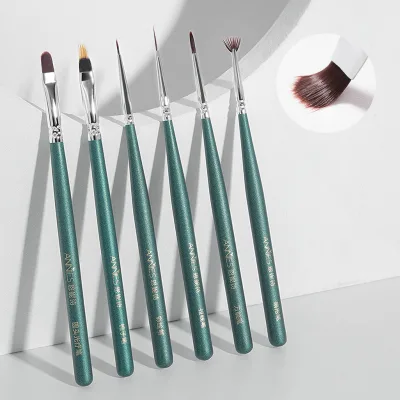
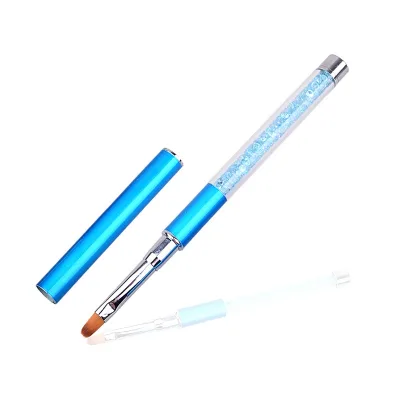
Comprehensive Sourcing Guide
Nail Art Brushes Sourcing Guide
Nail Art Brushes are specialized tools designed for precision application, ranging from fine liner work to broader gel and ombre techniques. The observed market data indicates a diverse product range with specific models like GYNB-20210507WANG and BP-NDB-2, catering to various artistic needs. Buyers must recognize that these tools are not generic; they are engineered for specific tasks such as nail cleaning, color painting, and detailed nail art application. Understanding the distinct functional categories is the first step in aligning procurement with actual studio or salon requirements.
Procurement decisions should be grounded in the specific attributes observed in current listings, such as brush hardness and handle material composition. The market offers options with soft, medium, and hard brush bristles, paired with handles made from metal, resin, wood, or plastic. This variety allows buyers to select tools that match the viscosity of their nail products and the dexterity required for their specific designs. A strategic approach involves mapping these physical attributes to the intended usage scenarios to ensure the purchased inventory delivers consistent performance.
Product Scope and Observed Listing Signals
The product scope for Nail Art Brushes encompasses a wide array of configurations, including liner, gel, and ombre brush types. Listings frequently highlight customization options for logos, colors, and sizes, with specific model numbers like LJ-200 and BP-NB-GB7 indicating distinct product lines. Buyers should note that while some products are packaged in PVC tubes or OPP bags, others utilize cartons for bulk protection. This variation in packaging and model designation suggests a highly segmented market where specific design features must be verified against the supplier's actual inventory capabilities.
Listing signals reveal significant variability in material composition and physical dimensions, which directly impacts product selection. Observed handle materials range from durable metal and wood to cost-effective plastic and resin, while bristle materials include nylon and synthetic hair. The size specifications vary from #2 to #22, and standard dimensions like 15cm5cm4cm or 6.7*3.5cm are common. Buyers must carefully cross-reference these observed signals with their quality standards, as the presence of multiple handle and bristle types implies that not every listed product will satisfy a single uniform specification.
Technical Specifications to Verify
Verification of brush hardness is critical for ensuring the tool performs correctly with different nail product viscosities. The market data explicitly lists soft, medium, and hard brush options, meaning a buyer cannot assume a single hardness level applies to all inventory. Procurement teams must request physical samples to confirm the actual bristle stiffness matches the intended application, whether for delicate liner work or robust gel application. Relying solely on listing descriptions without sample verification risks receiving tools that are either too stiff for fine detail or too soft for effective product manipulation.
Handle material and construction quality require rigorous inspection to ensure durability and user comfort during extended use. Observed listings feature handles made from metal, resin, wood, and plastic, each offering different tactile experiences and longevity profiles. Buyers should verify that the handle material is securely bonded to the ferrule to prevent bristle shedding during use. Additionally, the standard dimensions provided, such as 204.5cm or 15cm5cm*4cm, must be confirmed to ensure the tools fit the ergonomic requirements of the end-user and the storage constraints of the workspace.
Compliance and Safety Documentation
While specific certification documents are not explicitly detailed in the provided listing facts, buyers must demand evidence of material safety for all components. The use of synthetic hair, nylon, and various handle materials necessitates verification that these substances are non-toxic and safe for direct contact with skin and nails. Procurement protocols should include requests for material safety data sheets (MSDS) or equivalent documentation to confirm that no harmful chemicals are present in the bristles or handle coatings. This due diligence is essential to protect both the end-user and the brand reputation from potential health liabilities.
Packaging standards and origin information serve as indirect indicators of supply chain transparency and regulatory adherence. Products originating from Jiangxi, China, and other regions listed in the data should be accompanied by clear labeling regarding their manufacturing origin. Buyers should verify that the packaging, whether PVC tubes, OPP bags, or cartons, meets international shipping standards to prevent damage during transit. Ensuring that the packaging clearly states the product origin and model number helps in maintaining traceability and facilitates smoother customs clearance processes for international shipments.
Cost Drivers and Commercial Terms
The observed price range of 0.21 to 17.59 USD highlights significant cost variability driven by material quality and customization levels. Factors such as the choice of handle material, the type of bristles, and the inclusion of custom logos or colors directly influence the final unit cost. Buyers must analyze the trade-off between lower-priced standard items and higher-cost customized solutions to determine the optimal price point for their specific market segment. Understanding these cost drivers allows for more accurate budgeting and prevents unexpected expenses when scaling orders.
Minimum Order Quantities (MOQ) and small order acceptance policies are pivotal commercial terms that affect inventory management and cash flow. The data indicates an MOQ range from 1 to 50,000 units, with some suppliers explicitly accepting small orders. This flexibility allows buyers to test new product lines with minimal financial risk before committing to large-scale production runs. However, buyers should negotiate terms that balance the supplier's production efficiency with their own need for inventory agility, ensuring that the agreed-upon MOQ does not lead to excessive stock holding costs.
Supplier Qualification and Quality Control
Supplier qualification should prioritize those who demonstrate clear customization capabilities and consistent model identification. The presence of specific model numbers like GYNB-20210506WANG and BP-NBS-31 suggests a structured production system, but buyers must verify that the supplier can consistently reproduce these specifications across large batches. Quality control measures should include random sampling of finished goods to check for defects in bristle alignment, handle stability, and packaging integrity. Establishing a robust quality assurance protocol is essential to maintain product consistency and minimize returns.
The ability to accept OEM and ODM requests is a key indicator of a supplier's flexibility and technical competence. Suppliers offering customization for logos, colors, and sizes demonstrate a capacity to adapt to specific brand requirements. Buyers should assess the supplier's responsiveness to these customization requests and their ability to maintain quality standards while incorporating unique design elements. A qualified supplier will provide clear timelines and communication channels to ensure that custom orders are executed precisely according to the buyer's specifications without compromising the overall product quality.
Long-Term Procurement Checks
Sustaining a successful procurement relationship requires regular audits of product consistency and supply chain reliability. Buyers should implement periodic quality checks to ensure that the brush hardness, handle material, and bristle quality remain consistent over time. Variations in these attributes can occur due to changes in raw material suppliers or production processes, making ongoing monitoring essential. Establishing a schedule for re-evaluating product samples helps in detecting any drift in quality before it impacts the end-user experience or brand reputation.
Market trends and evolving customer preferences necessitate a proactive approach to product portfolio management. The diverse range of observed products, from nail dust brushes to multi-function gel brushes, indicates a dynamic market where new applications and designs emerge frequently. Buyers should maintain open communication with suppliers to stay informed about new model releases and material innovations. By staying ahead of these trends, procurement teams can ensure their inventory remains relevant and competitive, adapting quickly to changes in consumer demand and industry standards.
FAQs
What handle materials are available for Nail Art Brushes?
Nail Art Brushes are available with handles made from metal, resin, wood, or plastic. These materials offer different weights and balances to suit various artist preferences. The choice of handle material can influence the durability and feel of the brush during detailed nail art applications.
Can I customize the logo and color of these brushes?
Yes, customization is available for logo, color, and size. Buyers can request specific branding elements to match their business identity. This OEM and ODM service allows for tailored products that meet unique marketing needs while maintaining the functional quality of the nail art tools.
What brush hardness options exist for different nail art techniques?
Brush hardness ranges from soft to medium and hard. Soft brushes are ideal for delicate gel applications, while hard brushes provide precision for liner work. Medium hardness offers versatility for ombre or general painting tasks. Selecting the right hardness ensures optimal control and finish for specific nail art styles.
What are the standard packaging options for these nail brushes?
Packaging options include PVC tubes, OPP bags, and cartons. Individual brushes may come in single OPP bags for retail readiness. Bulk shipments are typically packed in cartons for efficient logistics. These packaging methods protect the brushes during transit and allow for flexible distribution strategies for wholesale buyers.
Which models support small order quantities for testing?
Small orders are accepted for models like BP-NBS-31 and others. This flexibility allows buyers to test product quality before committing to larger volumes. The MOQ range spans from 1 to 50,000 units, accommodating both sample requests and large-scale production needs for diverse business sizes.
What are the primary applications for these Nail Art Brushes?
These brushes are primarily used for nail art, cleaning, and painting. They serve functions such as dust removal, gel application, and color painting. The multi-functional design supports various stages of nail care and decoration, making them essential tools for professional nail technicians and DIY enthusiasts alike.