Source Glitter Nail Gel Polish for DIY, Salon, and Retail
Source Glitter Nail Gel Polish from 13 verified suppliers offering OEM, ODM, and private label services. Compare specifications including 10ml to 15ml volumes, MSDS and CE certifications, and bulk packaging options for salon and retail use; compare the available evidence and request quotations based on your requirements.
Key considerations
Products List




Comprehensive Sourcing Guide
Glitter Nail Gel Polish Sourcing Guide
Sourcing Glitter Nail Gel Polish requires a nuanced understanding of both cosmetic formulation and B2B supply chain dynamics. Buyers must distinguish between standard solid-color gels and specialized glitter variants, which often involve different suspension technologies and viscosity profiles. The market offers a wide array of options, from single-step systems to complex multi-layer designs, each with distinct application requirements. Understanding these technical distinctions is crucial for selecting products that align with specific salon or retail needs.
Procurement decisions are heavily influenced by customization capabilities and minimum order quantities. Many suppliers offer OEM and ODM services, allowing brands to create unique color palettes and packaging designs. However, these customizations often come with higher MOQs and longer lead times. Buyers need to balance the desire for brand differentiation with the operational efficiency of standard stock items, ensuring that their volume commitments match their sales forecasts and storage capabilities.
Product Scope and Observed Listing Signals
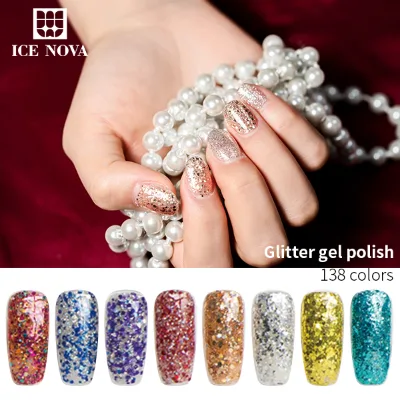
The observed product landscape includes various gel polish types, such as sugar gel polish and solid color variants, with volumes ranging from 10ml to 15ml. Listings indicate a diverse color availability, with some suppliers offering up to 100 colors or customized palettes. The presence of glitter-specific formulations suggests a focus on aesthetic appeal and texture, catering to consumers seeking decorative nail art solutions. Buyers should verify if the glitter particles are uniformly suspended and if the gel maintains stability over time.
Shipping and packaging details reveal significant logistical considerations. Products are often packed in cartons with specific dimensions, such as 270 pieces per carton measuring 45x38.5x31.5 cm. Some listings highlight retail box packaging, indicating a readiness for direct-to-consumer sales. Understanding these packaging standards is essential for calculating freight costs and warehouse space requirements. Buyers must also consider the weight of the shipments, as gel polish is dense and can significantly impact shipping expenses.
Technical Specifications to Verify
Key technical attributes include the bottle shape, typically round, and the model numbers associated with specific formulations. Buyers should verify the single package size, which can vary, and the gross weight per unit, often around 1.5 kg for bulk packages. The material type is frequently described as non-toxic, which is a critical safety feature. However, buyers must confirm the specific chemical composition and ensure that the glitter components do not compromise the gel’s durability or adhesion properties.
Application methods and curing requirements are also vital technical specifications. Some products are labeled as UV polish, indicating the need for UV lamps for curing. Others may be peel-off types, offering a temporary solution for consumers. Buyers should assess the compatibility of these products with existing salon equipment and ensure that the curing times align with their operational workflows. Additionally, the availability of sample kits allows buyers to test the product’s performance before committing to large orders.
Compliance and Safety Documentation
Regulatory compliance is paramount in the cosmetics industry, and suppliers often provide certifications such as MSDS, GMPC, CE, and CPNP. These documents indicate adherence to safety and quality standards, but buyers must verify their validity and relevance to their target markets. For instance, CPNP registration is mandatory for products sold in the European Union, while other regions may have different requirements. Buyers should request up-to-date certification documents and ensure they cover all ingredients used in the glitter gel polish.
Safety data sheets (MSDS) provide critical information on handling, storage, and emergency measures. Buyers must review these documents to understand the potential hazards associated with the product, such as flammability or skin irritation risks. Additionally, certifications like CPSR (Cosmetic Product Safety Report) offer further assurance of product safety. It is essential to ensure that the supplier’s compliance documentation is comprehensive and covers all aspects of the product’s lifecycle, from manufacturing to disposal.
Cost Drivers and Commercial Terms
Pricing for Glitter Nail Gel Polish varies based on factors such as volume, customization, and certification levels. Observed price ranges can be broad, reflecting the diversity of products and suppliers. Buyers should consider the total cost of ownership, including shipping, tariffs, and potential returns. Customization services, such as private logo printing via silkscreen, may incur additional costs. Understanding these cost drivers helps buyers negotiate better terms and manage their budgets effectively.
Payment terms and minimum order quantities (MOQs) are significant commercial considerations. Suppliers may offer flexible payment options, including T/T, PayPal, and Western Union, but MOQs can range from 50 to 300 pieces. Higher MOQs often result in lower unit prices, but they also increase inventory risk. Buyers should align their order quantities with their sales projections and storage capacity. Additionally, warranty periods, such as a two-year warranty, can provide some protection against product defects, but the terms and conditions must be clearly understood.
Supplier Qualification and Quality Control
Evaluating supplier qualifications involves assessing their production capabilities, quality control processes, and customer service offerings. Suppliers that provide sample, OEM, ODM, and after-sale services demonstrate a commitment to customer satisfaction. Buyers should request samples to evaluate the product’s quality, including the glitter’s sparkle, gel consistency, and curing performance. Additionally, verifying the supplier’s production origin, such as Guangzhou or Guangdong, can provide insights into their manufacturing standards and logistical advantages.
Quality control measures should be rigorously assessed to ensure product consistency and safety. Buyers should inquire about the supplier’s testing protocols, including stability tests and microbial checks. Suppliers with robust quality control systems are more likely to deliver products that meet regulatory standards and customer expectations. Establishing clear communication channels and regular quality audits can help maintain product integrity and build a reliable supply chain. Buyers should also consider the supplier’s reputation and track record in the industry.
Long-Term Procurement Checks
Long-term procurement success depends on continuous monitoring of supplier performance and market trends. Buyers should regularly review supplier certifications and compliance documents to ensure ongoing adherence to regulatory requirements. Additionally, staying informed about changes in cosmetic regulations and consumer preferences can help buyers adapt their product offerings. Building strong relationships with suppliers can lead to better pricing, priority service, and access to new product innovations.
Inventory management and demand forecasting are critical for minimizing costs and maximizing profitability. Buyers should analyze sales data to identify trends and adjust their order quantities accordingly. Implementing a just-in-time inventory system can reduce storage costs and minimize the risk of product expiration. Furthermore, diversifying the supplier base can mitigate risks associated with supply chain disruptions. Regularly evaluating supplier performance and exploring new sourcing opportunities can help buyers maintain a competitive edge in the market.
FAQs
What certifications are available for Glitter Nail Gel Polish?
Certifications such as MSDS, GMPC, CPNP, CE, and CPSR are available for Glitter Nail Gel Polish. These documents ensure the product meets international safety and quality standards for cosmetic use. Buyers can request specific certification packages depending on their target market regulations and compliance requirements.
Can I customize the logo on Glitter Nail Gel Polish bottles?
Yes, private logo customization is available for Glitter Nail Gel Polish. Suppliers offer silkscreen printing services to apply your brand identity directly onto the packaging. This OEM service allows businesses to create unique retail-ready products that stand out in the competitive nail art beauty market.
What is the typical MOQ for ordering Glitter Nail Gel Polish?
The typical MOQ for Glitter Nail Gel Polish ranges from 50 to 300 pieces. Some suppliers accept orders as low as 50 pieces for samples or small batches, while others require 300 pieces for standard production runs. Buyers should confirm the specific MOQ with their chosen manufacturer before placing an order.
What volume options are available for Glitter Nail Gel Polish?
Volume options for Glitter Nail Gel Polish include 10ml, 12ml, 15ml, and other capacities like 5ml or 8ml. These sizes cater to different usage scenarios, from professional salon treatments to DIY personal use. Buyers can select the most suitable volume based on their customer preferences and product positioning.
How is Glitter Nail Gel Polish shipped internationally?
Glitter Nail Gel Polish is shipped via DHL, TNT, FedEx, UPS, and EMS by air or sea. These reliable logistics partners ensure timely delivery to global destinations. Buyers can choose the shipping method that best fits their budget and urgency, with options for both express air freight and cost-effective sea transport.
What packaging formats are used for Glitter Nail Gel Polish?
Packaging formats for Glitter Nail Gel Polish include retail boxes and bulk cartons. Bulk shipments are packed in cartons containing 270 or 360 pieces, with specific dimensions and weights provided for logistics planning. This flexible packaging ensures product protection during transit and convenient storage for distributors and retailers.