Source Professional Manicure Arm Rest for Salon Tables
Find a Professional Manicure Arm Rest for your beauty business. Compare 30 options featuring PU leather and ABS materials. Select from various sizes and colors to enhance client comfort during nail services; compare the available evidence and request quotations based on your requirements.
Key considerations
Products List
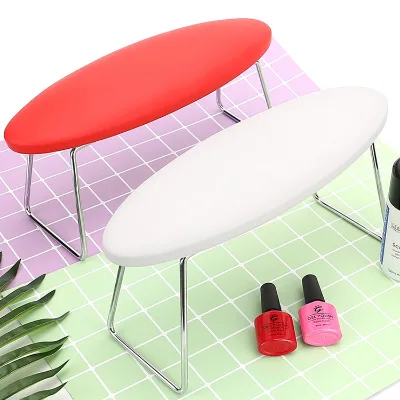
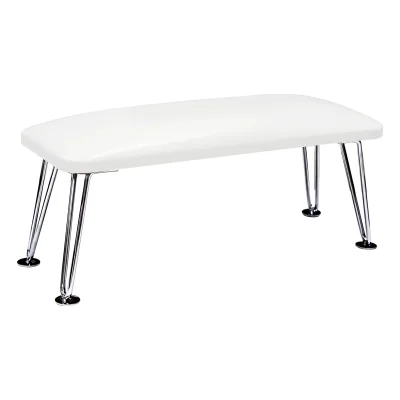
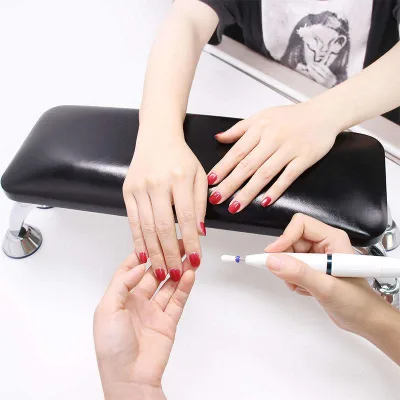
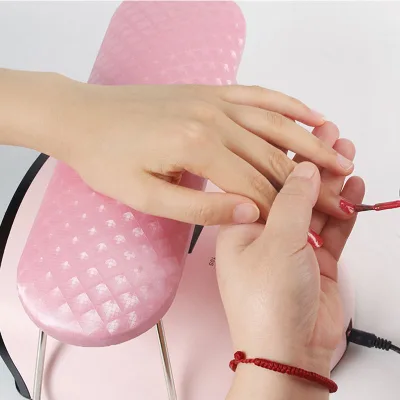
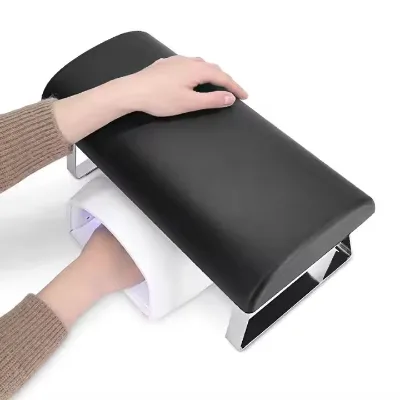
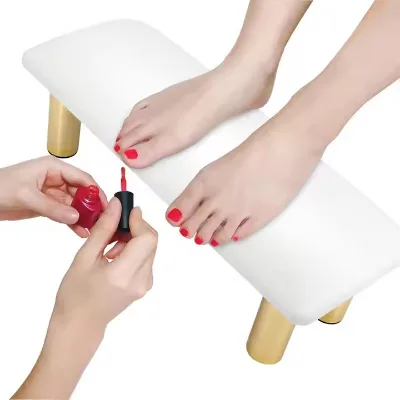
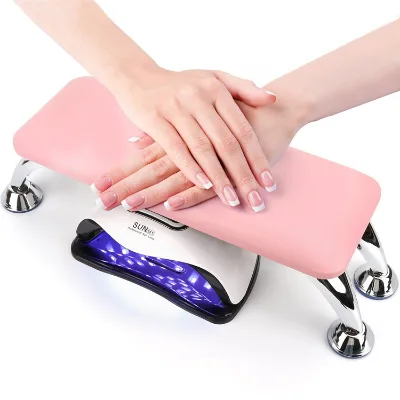
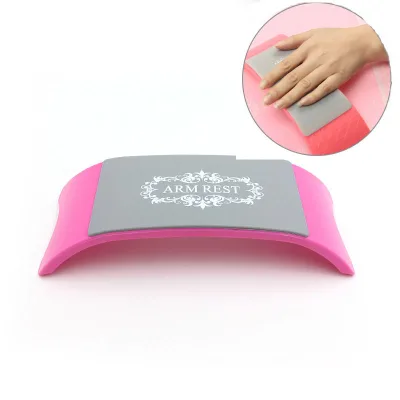


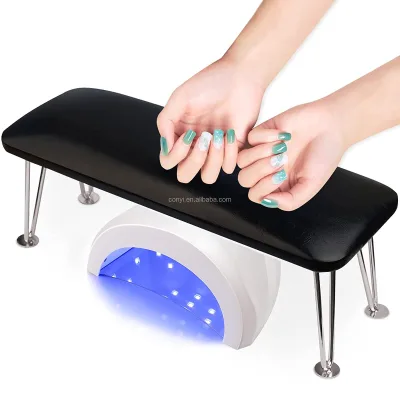
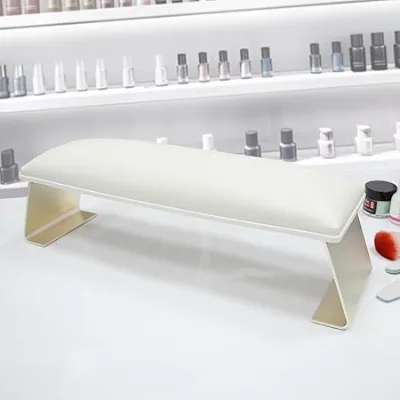
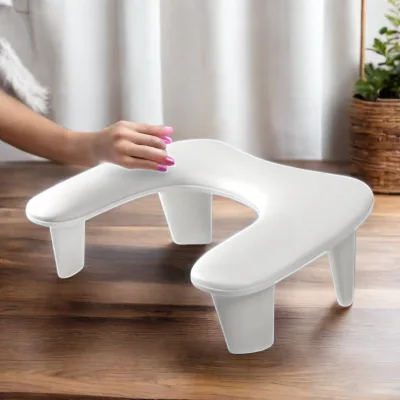
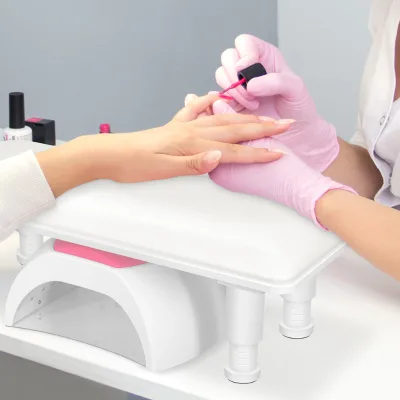
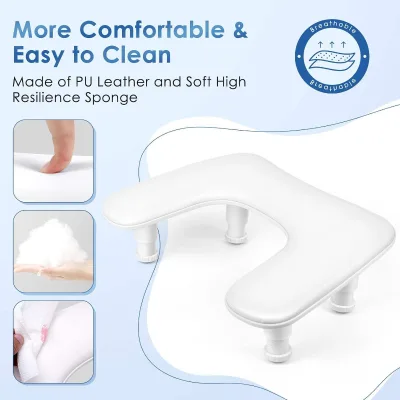
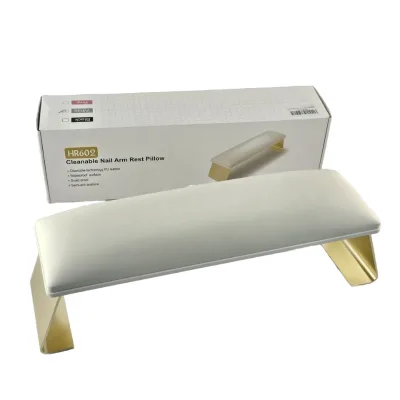
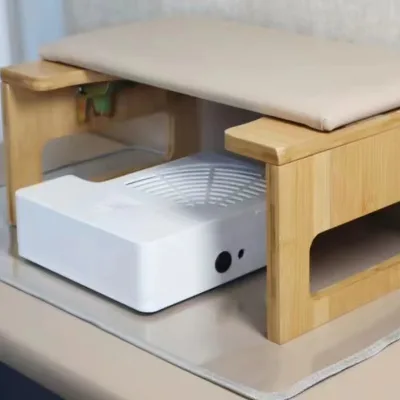
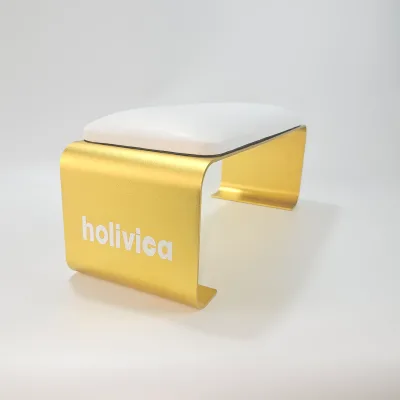
Comprehensive Sourcing Guide
Professional Manicure Arm Rest Sourcing Guide
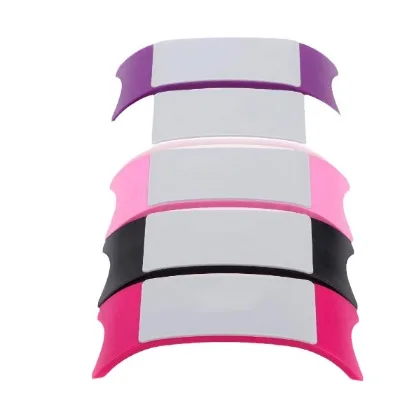
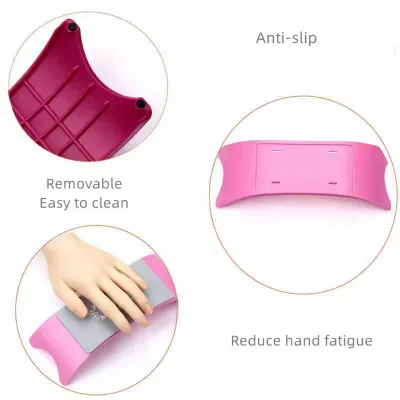
Sourcing professional manicure arm rests requires a clear understanding of the distinct product categories available in the current market. Buyers typically encounter two primary variations: standalone cushioned pillows designed to attach to existing tables, and integrated furniture units that serve as the primary manicure table surface. The standalone options, often labeled as nail hand pillows or arm rest cushions, are constructed from materials like PU leather or ABS combined with PU leather. These items are generally lighter, with single gross weights ranging from 1.000 kg to 2.500 kg, and are packaged in compact boxes measuring approximately 32x15x5 cm to 45x17x12 cm. This format allows for easy replacement or upgrade without replacing the entire workstation.
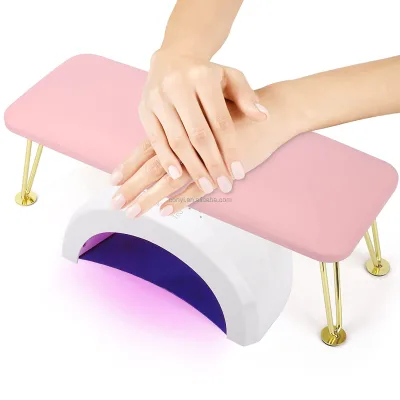
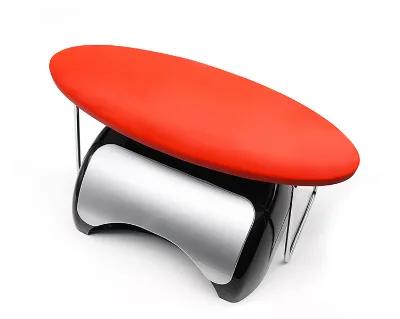
In contrast, integrated furniture solutions offer a more permanent installation and often feature a modern luxury design style. These units may carry model numbers such as 1121A or AR-C series identifiers and are built for commercial furniture applications in beauty salons and nail spas. The material composition for these heavier units often includes ABS plastic for structural integrity paired with durable PU leather for the resting surface. Buyers must distinguish between these two types early in the sourcing process, as the logistics, installation requirements, and total cost of ownership differ significantly between a simple cushion accessory and a substantial piece of salon furniture.
Product Scope and Observed Listing Signals
The observed market signals indicate a wide variance in product specifications, which directly impacts procurement strategy. Listings reveal specific model numbers such as AR-C001, AR-C003, and AR-C004, each with distinct dimensions and weight profiles. For instance, the AR-C001 model is noted to have a size of 30x15 cm and a weight of 2 kg, while the AR-C003 measures 40x14.5 cm and weighs 1 kg. These dimensional differences are critical for ensuring compatibility with existing salon tables or for designing new ergonomic workstations. Buyers should verify that the selected model meets the specific spatial constraints of their salon layout, as the single package sizes vary from 43x21x10 cm to 44x21x9 cm, affecting shipping volume and storage requirements.
Color and customization options are also prominent features in the current listings, with common offerings including black, white, pink, gray, and beige variants. Some suppliers offer customized logos and specific design styles, catering to brands that require cohesive aesthetic integration within their salon environment. The material choice, primarily PU leather, suggests a focus on durability and ease of cleaning, which is essential for high-traffic beauty salon environments. However, buyers must confirm whether the PU material is treated for stain resistance and whether the underlying foam provides adequate support for long-duration manicure sessions. The presence of OEM branding indicates that many manufacturers are open to private labeling, allowing businesses to enhance their brand identity through customized product packaging and labeling.
Technical Specifications to Verify
Verifying technical specifications is paramount to ensuring the longevity and functionality of the purchased arm rests. Buyers must closely examine the material composition, particularly the distinction between pure PU leather and ABS+PU leather composites. The inclusion of ABS plastic in models like the AR-C series suggests a rigid structural component that may offer better stability than foam-only cushions. It is essential to confirm the density and quality of the internal filling, as this determines the comfort level for clients and the durability of the product under repeated use. Specifications such as the single gross weight provide a proxy for material density, with heavier items potentially offering more robust construction, though this must be balanced against the need for easy mobility and cleaning.
Dimensional accuracy is another critical technical factor that requires strict verification. The listed sizes, such as 32.3x15.7 cm for the AR-C004 or 40x14.5 cm for the AR-C003, must be cross-referenced with the physical dimensions of the salon tables they will accompany. Incompatibility in size can lead to ergonomic issues for technicians and discomfort for clients. Additionally, buyers should inquire about the edge finishing and stitching quality, as these details affect both the aesthetic appeal and the resistance to wear and tear. The box size specifications, such as 425x200x85 mm, are useful for calculating logistics costs, but buyers should also verify if the packaging is designed to protect the product from damage during transit, especially for items with delicate leather surfaces or rigid plastic components.
Compliance and Safety Documentation
While specific certification statuses are not explicitly detailed in the provided listings, buyers must proactively request relevant safety and compliance documentation from suppliers. For products intended for commercial use in beauty salons, it is crucial to verify that the materials used, particularly the PU leather and any adhesives, comply with local health and safety regulations regarding chemical emissions and skin contact. Buyers should ask for Material Safety Data Sheets (MSDS) or equivalent documentation to ensure that the products do not contain harmful substances that could pose risks to salon staff or clients. This is especially important for items that come into direct and prolonged contact with human skin during manicure procedures.
Furthermore, buyers should inquire about fire safety standards, particularly if the arm rests are classified as commercial furniture. Although the listings do not specify fire ratings, many jurisdictions require commercial upholstery and furniture to meet specific flammability standards. Requesting test reports or certificates from recognized testing laboratories can provide assurance that the products meet these regulatory requirements. Additionally, buyers should verify the structural integrity of any ABS components to ensure they can support the expected weight and usage patterns without breaking or deforming. Ensuring compliance with these standards not only mitigates legal risks but also enhances the professional reputation of the salon by demonstrating a commitment to safety and quality.
Cost Drivers and Commercial Terms
The cost structure for professional manicure arm rests is influenced by several key factors, including material quality, customization options, and order volume. The observed minimum order quantities (MOQs) range from 1 piece to 100 pieces, offering flexibility for both small boutique salons and large chains. Lower MOQs may come with higher per-unit costs, while bulk orders can leverage economies of scale to reduce prices. Buyers should carefully evaluate the total cost of ownership, which includes not only the unit price but also shipping costs, which are affected by the single package size and weight. For instance, items with larger box sizes or higher weights, such as the 2.500 kg AR-C001, may incur higher freight charges compared to lighter alternatives.
Customization is another significant cost driver, with options for customized logos and specific design styles potentially increasing the unit price. Buyers should assess whether the branding benefits justify the additional cost, especially for smaller orders where the setup fees for customization might be proportionally higher. Payment terms and lead times are also critical commercial considerations that should be negotiated upfront. Suppliers may offer different payment structures based on the order size and the buyer's credit history. Understanding these commercial terms helps in budgeting accurately and avoiding unexpected expenses, ensuring that the procurement process aligns with the salon's financial planning and operational timelines.
Supplier Qualification and Quality Control
Qualifying suppliers for professional manicure arm rests involves assessing their manufacturing capabilities and quality control processes. Buyers should prioritize suppliers who demonstrate a clear understanding of the specific requirements for salon furniture, such as durability, ease of cleaning, and ergonomic design. Requesting samples is a crucial step in this process, allowing buyers to physically inspect the material quality, stitching, and overall construction. Suppliers with a history of producing OEM products may have more robust quality control systems in place, but buyers should still verify these systems through audits or third-party inspections. The place of origin, such as Zhejiang or Guangdong, can provide insights into the local supply chain and manufacturing expertise, but it should not be the sole determinant of supplier selection.
Quality control checks should include visual inspections for defects, such as uneven stitching, discoloration, or surface imperfections, as well as functional tests to ensure the arm rest provides adequate support and stability. Buyers should also verify the packaging quality to ensure that products are protected during shipping, as damage during transit can lead to returns and additional costs. Establishing clear quality standards and communication channels with suppliers is essential for maintaining consistency across orders. Regular feedback loops and performance reviews can help identify areas for improvement and ensure that the supplier continues to meet the buyer's expectations. Building a strong relationship with a reliable supplier can lead to better pricing, priority service, and access to new product innovations.
Long-Term Procurement Checks
Long-term procurement success depends on establishing mechanisms for continuous evaluation and improvement of the supply chain. Buyers should implement a system for tracking product performance over time, including customer feedback on comfort and durability, as well as internal assessments of maintenance needs. This data can inform future purchasing decisions and help identify potential issues with specific models or suppliers before they become widespread problems. Regularly reviewing supplier performance against key metrics, such as on-time delivery, product quality, and responsiveness to issues, is essential for maintaining a high standard of supply. Suppliers who consistently meet or exceed these metrics should be considered for long-term partnerships, while those who fall short may need to be replaced or given opportunities for improvement.
Additionally, buyers should stay informed about industry trends and technological advancements in salon furniture and accessories. This includes monitoring changes in material science, such as the development of more durable or eco-friendly PU leather alternatives, and new ergonomic designs that enhance technician comfort. Engaging with suppliers who are innovative and responsive to market changes can provide a competitive advantage by offering unique and high-quality products to clients. Finally, maintaining a diverse supplier base can mitigate risks associated with supply chain disruptions, ensuring that the salon can continue to operate smoothly even if one supplier faces challenges. Regularly updating procurement strategies and supplier relationships is key to long-term success in the beauty industry.
FAQs
What materials are used for Professional Manicure Arm Rest?
Professional manicure arm rests are typically constructed from PU leather or a combination of ABS plastic and PU leather. These materials provide durability and comfort for clients during nail treatments. The specific material choice depends on the model number and supplier specifications available for purchase.
Which sizes are available for Professional Manicure Arm Rest?
Available sizes vary by model, including dimensions like 30x15cm, 40x14.5cm, and 32.3x15.7cm. Customized sizes are also acceptable for many suppliers. Buyers should check specific model numbers such as AR-C001 or AR-C004 to confirm exact dimensions before ordering.
Can I customize the logo on Professional Manicure Arm Rest?
Yes, customized logos are available for professional manicure arm rests from many suppliers. This feature allows salons to brand their equipment effectively. Buyers should verify customization options and minimum order quantities when contacting manufacturers directly for their specific needs.
How much is the minimum order quantity for Professional Manicure Arm Rest?
Minimum order quantities range from one piece to ten pieces depending on the supplier and model. Some listings accept orders as low as one unit, while others require a minimum of three or ten pieces. Buyers must check the specific MOQ for each product listing.
Where are Professional Manicure Arm Rest products manufactured?
These products are primarily manufactured in Zhejiang and Guangdong provinces in China. The place of origin is a key specification for buyers sourcing these items. Knowing the location helps in estimating shipping times and understanding regional manufacturing capabilities for bulk orders.
What colors are available for Professional Manicure Arm Rest?
Common color options include black, white, pink, gray, and beige. Specific models may offer different color combinations like AR-C004 in beige. Buyers should review the color list for each model number to ensure the selected shade matches their salon decor requirements.