Source CE Dental Vacuum Forming Machine for Orthodontics, Labs, and Clinics
Compare 30 CE dental vacuum forming machines from verified suppliers. These units support orthodontic, laboratory, and clinical applications with customizable features and online technical support. Buyers can review specifications, pricing, and warranty details to select the right equipment for their specific needs in dental practices.
Key considerations
Products List


Dental Vacuum Former for Molding Dental Equipment Vacuum Forming Machine
$68.00 - $75.00
MOQ: 1 Pieces


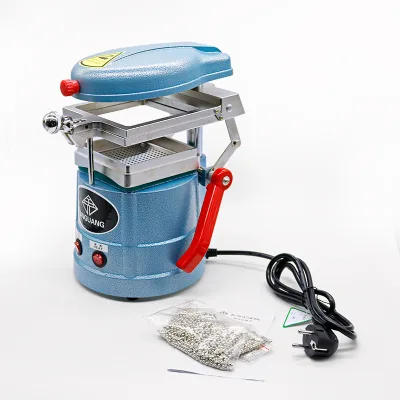


Comprehensive Sourcing Guide
CE Dental Vacuum Forming Machine Sourcing Guide
Procuring a CE Dental Vacuum Forming Machine requires careful evaluation of both technical performance and regulatory compliance. These devices are essential for creating accurate dental models, orthodontic appliances, and surgical guides by heating plastic sheets and drawing them over molds using vacuum pressure. Buyers must prioritize machines that offer stable temperature control and consistent vacuum strength to ensure reproducible results in daily clinical or laboratory workflows. The presence of CE marking indicates adherence to European health, safety, and environmental protection standards, which is critical for importing equipment into regulated markets.
Beyond basic functionality, sourcing decisions should consider the machine’s versatility and integration into existing laboratory setups. Many modern units support multiple voltage inputs and offer customization options to meet specific regional electrical standards. Buyers should verify that the equipment includes necessary safety features, such as thermal protection and emergency stop mechanisms, to protect operators from burns or electrical hazards. Understanding the machine’s footprint and power requirements ensures it fits within the designated workspace without overloading existing circuits.
Product Scope and Observed Listing Signals
The current market for dental vacuum formers displays a wide range of specifications and pricing structures. Observed listings indicate a price range from approximately $2.80 to $1,100 USD, reflecting variations in build quality, brand reputation, and included accessories. The minimum order quantity (MOQ) typically ranges from one to ten units, suggesting that most suppliers cater to individual clinics, small laboratories, or bulk institutional purchases. This variability allows buyers to select equipment that aligns with their budget constraints and operational scale, whether for a single practitioner or a large-scale manufacturing facility.
Product attributes observed in listings include metal construction, with some units weighing around 6 to 12 kg, indicating a balance between portability and durability. Many suppliers offer customization services and OEM options, allowing for branding or specific feature adjustments. Warranty periods are commonly listed as one year, providing a baseline for post-purchase support. Buyers should note that while some listings mention specific models like LB18 or UL-LP561, these identifiers may vary by supplier, so verifying the exact model against technical requirements is essential before finalizing any purchase agreement.
Technical Specifications to Verify
Voltage compatibility is a primary technical consideration, as listed specifications often cite dual voltage options such as 220V/110V with corresponding frequency ranges of 50/60Hz. Buyers must confirm that the machine’s power rating, often around 1000W, matches their facility’s electrical capacity to prevent tripping breakers or damaging the unit. The instrument classification is typically listed as Class I, indicating basic insulation and the need for a protective earth connection. Verifying these electrical parameters ensures safe operation and prevents compatibility issues with local power infrastructure.
Physical dimensions and packaging details are also critical for logistics planning. Single package sizes may vary, with some units measuring approximately 52x32x50 cm, while gross weights per carton can reach up to 24.1 kg. Buyers should calculate the total shipping volume and weight to estimate freight costs accurately. Additionally, confirming whether the machine is designed for continuous use or intermittent cycles helps in assessing its longevity. Ensuring that the vacuum pump and heating elements are accessible for maintenance can significantly reduce downtime and extend the equipment’s operational life.
Compliance and Safety Documentation
CE certification is a mandatory requirement for selling and operating dental equipment in the European Economic Area. Buyers should request the full Declaration of Conformity and verify that the certification covers the specific model and voltage configuration being purchased. Some listings also mention ISO certification, which may refer to quality management systems rather than product-specific standards. It is crucial to distinguish between manufacturer certifications and product certifications to ensure the equipment meets the necessary regulatory thresholds for medical device manufacturing.
RoHS compliance is another important factor, particularly for electronic components within the vacuum former. This directive restricts the use of hazardous substances in electrical and electronic equipment, ensuring environmental safety and worker health. Buyers should ask for test reports or certificates confirming RoHS adherence. Additionally, verifying that the machine meets local electrical safety standards, such as IEC 61010 for measurement and control equipment, provides an extra layer of assurance. Proper documentation not only facilitates customs clearance but also protects the buyer from liability in case of regulatory audits.
Cost Drivers and Commercial Terms
The final cost of a dental vacuum forming machine is influenced by several factors, including material quality, component origin, and included accessories. Units constructed with higher-grade metals and branded vacuum pumps may command a premium price but offer greater durability and performance consistency. Buyers should also consider the cost of consumables, such as specific plastic sheets or molds, which may be proprietary to certain machine brands. Understanding the total cost of ownership, including maintenance and replacement parts, is essential for accurate budgeting.
Commercial terms such as warranty coverage and after-sales support significantly impact the value proposition. A standard one-year warranty is common, but buyers should clarify what components are covered and whether labor costs are included. Online technical support is frequently offered, but the availability of local service centers or spare parts inventory can reduce downtime. Negotiating extended warranty options or bulk purchase discounts can further optimize costs. Clear communication regarding return policies and defect resolution procedures is vital to mitigate financial risk.
Supplier Qualification and Quality Control
Evaluating supplier reliability is crucial for ensuring long-term satisfaction with dental equipment purchases. Buyers should verify the supplier’s business license and manufacturing capabilities, especially if the product is labeled as OEM. Checking for third-party audit reports or factory inspection results can provide insight into production quality control processes. Suppliers with a history of exporting to regulated markets are often more familiar with compliance requirements and quality standards, reducing the risk of receiving non-conforming products.
Quality control measures should include pre-shipment inspections and functional testing of each unit. Buyers can request video demonstrations of the machine in operation to verify vacuum strength and heating uniformity. Establishing clear acceptance criteria in the purchase agreement, such as tolerance levels for temperature variance or vacuum pressure, allows for objective evaluation upon delivery. Building a relationship with a supplier who offers responsive technical support and readily available spare parts ensures that any operational issues can be resolved quickly, minimizing disruption to clinical or laboratory workflows.
Long-Term Procurement Checks
Regular maintenance and periodic performance checks are essential for extending the lifespan of a dental vacuum forming machine. Buyers should establish a routine schedule for cleaning heating elements, inspecting vacuum seals, and calibrating temperature controls. Keeping a log of maintenance activities and any observed performance deviations helps in identifying potential issues before they lead to costly repairs. Training staff on proper operating procedures and safety protocols reduces the risk of accidental damage and ensures consistent product quality.
As technology evolves, staying informed about updates in regulatory standards and machine capabilities is important for future procurement decisions. Buyers should periodically review their equipment against current best practices and emerging technologies in dental laboratory workflows. Maintaining open communication with suppliers for firmware updates or accessory upgrades can enhance machine functionality over time. By proactively managing equipment lifecycle and staying compliant with evolving standards, buyers can maximize the return on investment and maintain high standards of patient care and laboratory efficiency.
FAQs
What certifications do these machines have?
These dental vacuum forming machines carry CE and ISO certifications. Some models also include RoHS compliance. These certifications ensure the equipment meets international safety and quality standards for medical and dental laboratory use.
Can I customize the machine specifications?
Yes, customization is available for these dental vacuum forming machines. Buyers can request specific adjustments to meet their laboratory needs. This flexibility allows clinics to tailor the equipment to their unique workflow requirements.
What is the warranty period for the product?
The standard warranty period for this equipment is one year. This coverage applies to the main unit and ensures protection against manufacturing defects. Buyers should verify specific terms with the supplier before purchase.
How much does the machine weigh?
The net weight of the machine is approximately 6 kilograms. Some listings indicate a weight of 6.5 kilograms. The single gross weight is recorded as 12 kilograms, while the carton weight is 24.1 kilograms.
What voltage does the machine support?
The machine supports dual voltage options of 220V and 110V. It operates at 50Hz or 60Hz frequencies with current ratings of 3.5A or 7A. This versatility allows use in various international electrical environments.
What after-sale service is provided?
Online technical support is provided for after-sale service. Buyers can access assistance from technicians remotely to resolve operational issues. This service ensures continuous functionality of the dental vacuum forming machine in the clinic.
Is the machine suitable for orthodontic departments?
Yes, the machine is applicable for orthodontic departments. It is classified as a Class I instrument and designed for specialized dental laboratory tasks. The equipment supports non-disposable usage in professional clinical settings.