Source CE Diesel Pump Testing Machine for Common Rail and PT Systems
Find and compare CE Diesel Pump Testing Machine options for testing common rail injectors, normal injectors, and PT pump systems. This sourcing guide covers 30 available models from suppliers in China, featuring brands like Nantai and Beacon with ISO and CE certifications.
Updated
Key considerations
Products List


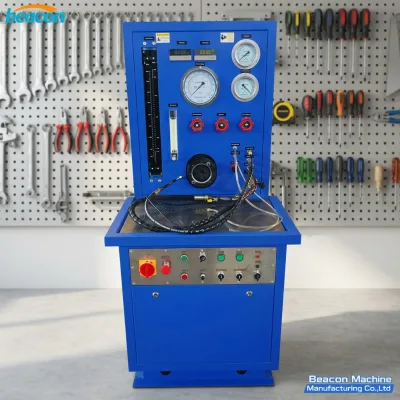
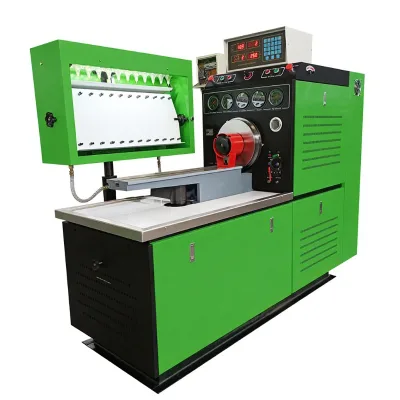
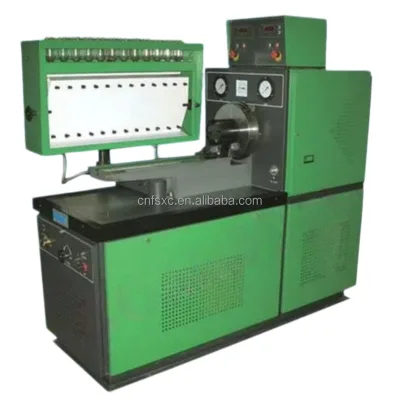
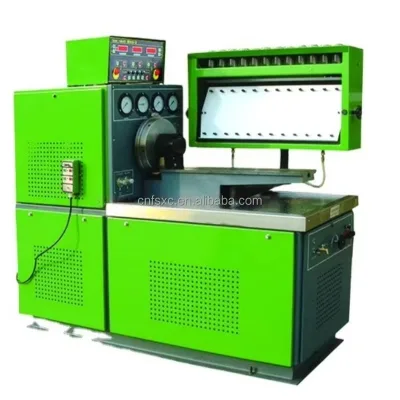

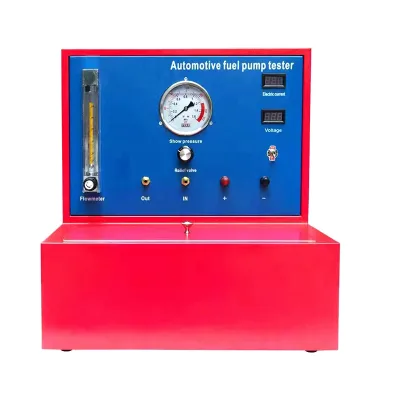
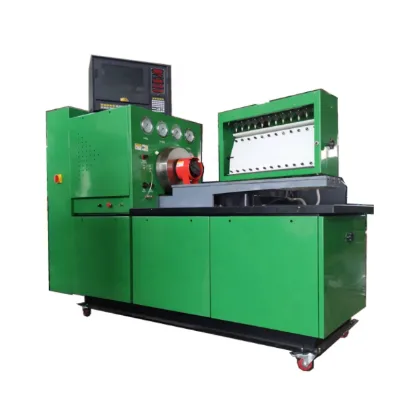
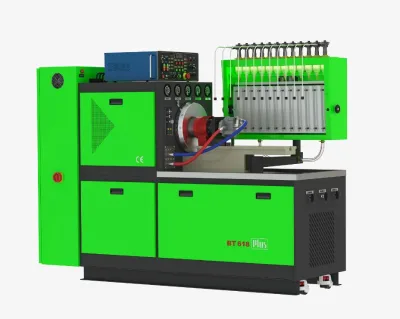

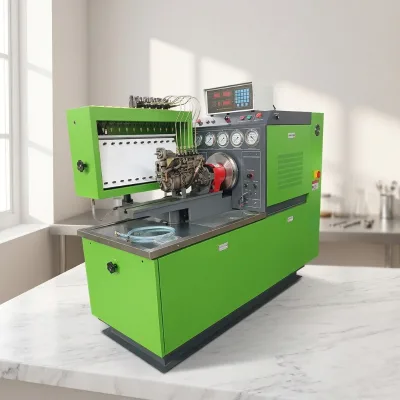
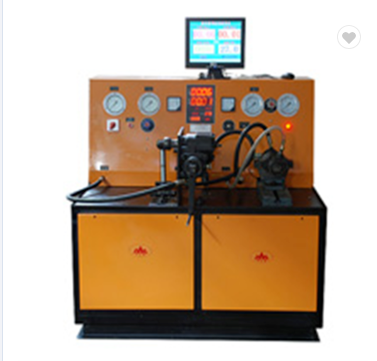
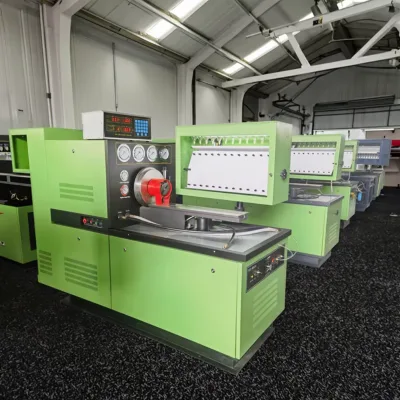
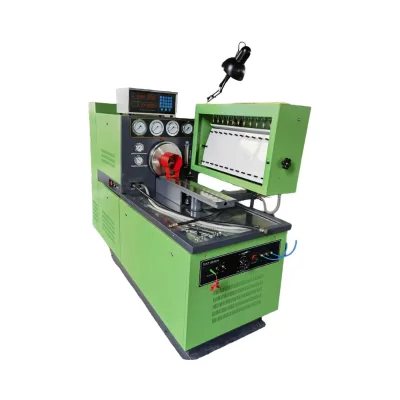
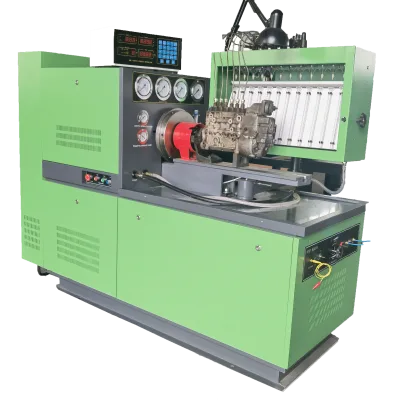
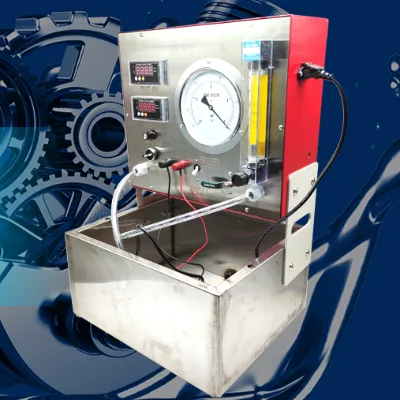
Auto Repair BC-B Power Steering diesel Fuel Pump test Machine Equipment
$508.0803 - $5237.9282
MOQ: 1 Minimum
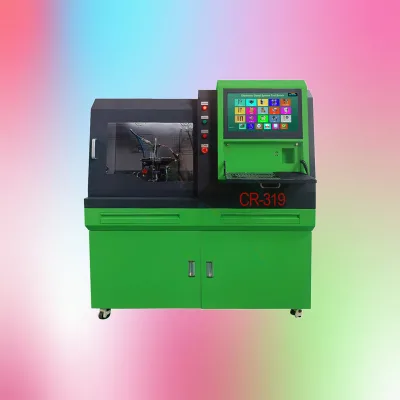
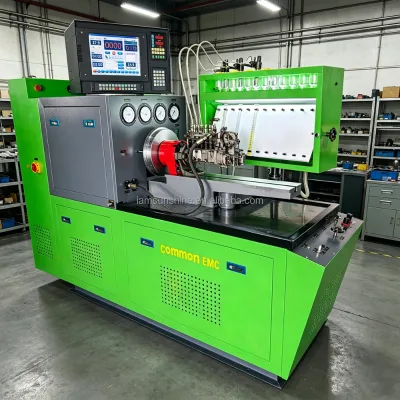
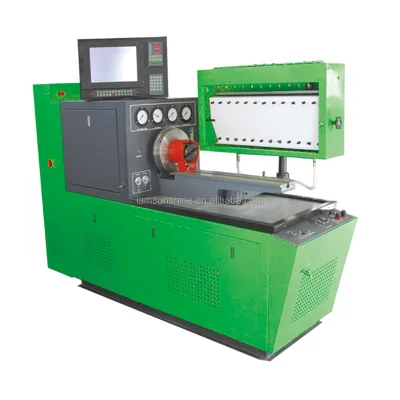



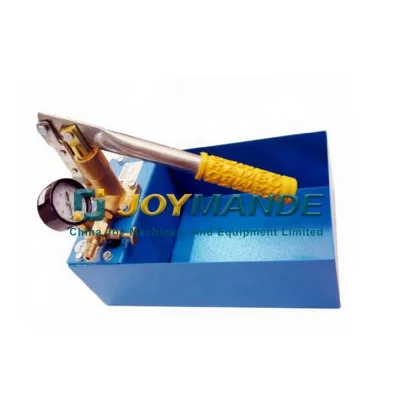
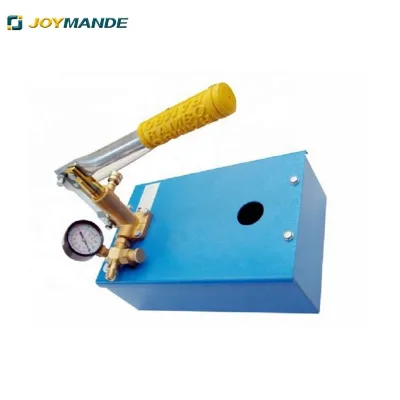
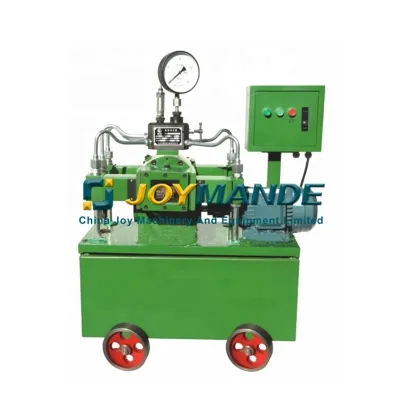
Comprehensive Sourcing Guide
CE Diesel Pump Testing Machine Sourcing Guide
Procuring a CE Diesel Pump Testing Machine requires careful alignment of technical capabilities with regulatory compliance standards. Buyers must prioritize equipment that explicitly supports the specific fuel system architecture, such as Common Rail or PT Pump systems, to ensure accurate diagnostic results. The observed market signals indicate a strong presence of machines designed for testing common rail injectors and normal injectors, with some units also capable of testing common rail pumps. This diversity necessitates a clear definition of the primary test items before engaging with suppliers, as the machine’s function directly impacts its utility in your maintenance or manufacturing workflow.
Verification of the machine’s physical and electrical specifications is critical for integration into existing workshop environments. Data suggests that power supply options vary, with some units supporting AC 380V three-phase or 220V three-phase configurations, while others may list AC 380V specifically. Weight and dimensions also fluctuate significantly, ranging from lighter units around 220 kg to heavier industrial models exceeding 800 kg. Buyers should confirm the exact power requirements and spatial footprint to ensure compatibility with their facility’s infrastructure, avoiding costly retrofitting or logistical challenges during installation and commissioning phases.
Product Scope and Observed Listing Signals
The current market landscape for diesel pump testing equipment reveals a diverse range of models tailored to different fuel injection technologies. Listings frequently highlight machines capable of testing common rail injectors, with maximum rail pressure specifications reaching up to 2700 Bar. Other models are specialized for PT Pump systems, indicating a segmented market where buyers must select equipment based on the specific engine types they service. The presence of brands such as Nantai and Beacon suggests a competitive field, with product names like "Diesel Test Machine" and "Engine Diagnostic Analyzer" reflecting the multifunctional nature of these devices.
Packaging and shipping details provide insight into the robustness and logistical considerations of these industrial machines. Most suppliers utilize standard wood box packages or plywood cases to protect the equipment during transit, with single package sizes varying from compact dimensions to larger industrial footprints. The observed shipping methods include air and sea freight, which may influence lead times and total landed costs. Buyers should note that customization is available for many units, allowing for tailored solutions that meet specific operational needs, although this may impact the standardization of the procurement process.
Technical Specifications to Verify
When evaluating technical specifications, the adjustable frequency range and pulse width are critical parameters for ensuring precise control during testing. Some models offer an adjustable frequency range of 1Hz to 50Hz and an adjustable pulse width of 3 ms, which are essential for simulating real-world engine conditions. Buyers must verify these ranges against their specific testing requirements, as insufficient adjustability can lead to inaccurate diagnostics or missed faults in the fuel system. Additionally, the working temperature specification, noted as 40 degrees in some listings, should be confirmed to ensure the machine operates reliably in your local environmental conditions.
Material composition and structural integrity are also key factors in determining the longevity and performance of the testing machine. Steel is a commonly cited material, providing the necessary durability for high-pressure testing environments. The standard size and model numbers, such as BD850 or BCS619B, serve as identifiers for comparing different units, but buyers should not assume that all models share identical capabilities. It is essential to request detailed technical datasheets that confirm the machine’s ability to handle the specific pressure and flow rates required for your diesel pump testing applications, ensuring that the equipment meets your operational demands.
Compliance and Safety Documentation
Certification is a non-negotiable aspect of sourcing industrial testing equipment, particularly when dealing with high-pressure systems. The CE mark is a prominent certification observed in the market, indicating compliance with European health, safety, and environmental protection standards. Buyers should insist on valid CE certificates and ISO certifications, such as ISO 9001, to ensure that the manufacturer adheres to recognized quality management practices. These documents provide assurance that the machine has undergone rigorous testing and meets the necessary regulatory requirements for operation in your region, reducing legal and operational risks.
Safety documentation should also include detailed user manuals and maintenance guides that outline proper operating procedures and emergency protocols. Given the high pressures involved in diesel pump testing, it is crucial that the machine is equipped with appropriate safety features, such as pressure relief valves and emergency stop buttons. Buyers should verify that the supplier provides comprehensive training materials or on-site training options to ensure that operators are fully competent in using the equipment safely. This proactive approach to safety compliance helps prevent accidents and extends the lifespan of the testing machine.
Cost Drivers and Commercial Terms
The cost of a diesel pump testing machine is influenced by several factors, including the complexity of the testing functions, the materials used, and the level of customization required. Observed price ranges vary significantly, reflecting the diversity of models available in the market. Buyers should consider the total cost of ownership, which includes not only the purchase price but also shipping, installation, and maintenance costs. The minimum order quantity (MOQ) is typically set at one set, allowing for flexible procurement, but buyers should negotiate for volume discounts if multiple units are required.
Commercial terms such as payment methods, warranty periods, and after-sales support are critical components of the procurement agreement. Buyers should clarify the warranty coverage, including what components are covered and the duration of the warranty period. Additionally, it is important to establish clear terms for technical support and spare parts availability, as downtime can significantly impact operations. Suppliers that offer comprehensive after-sales service and readily available spare parts can provide greater value, even if the initial purchase price is slightly higher.
Supplier Qualification and Quality Control
Supplier qualification is a vital step in ensuring the reliability and quality of the diesel pump testing machine. Buyers should conduct thorough due diligence on potential suppliers, verifying their business licenses, manufacturing capabilities, and quality control processes. The place of origin, often listed as Shandong, China, can provide insights into the supplier’s industrial ecosystem, but buyers should not rely solely on location for quality assessment. Requesting references from previous clients and conducting site visits, if possible, can provide valuable insights into the supplier’s operational standards and product quality.
Quality control measures should be explicitly defined in the procurement contract, including pre-shipment inspections and testing protocols. Buyers should insist on witnessing the final testing of the machine before shipment to ensure that it meets all specified performance criteria. Additionally, establishing clear acceptance criteria and rejection procedures can help mitigate the risk of receiving defective equipment. By implementing robust quality control measures, buyers can ensure that the diesel pump testing machine performs reliably and meets their operational requirements from the outset.
Long-Term Procurement Checks
Long-term procurement success depends on establishing a strong relationship with the supplier and ensuring ongoing support for the testing machine. Buyers should monitor the supplier’s performance over time, tracking metrics such as delivery times, product quality, and responsiveness to issues. Regular communication with the supplier can help identify potential problems early and foster a collaborative partnership that benefits both parties. Additionally, staying informed about updates in technology and regulations can help buyers make informed decisions about future upgrades or replacements.
Maintenance and calibration are essential for maintaining the accuracy and reliability of the diesel pump testing machine over its lifespan. Buyers should establish a regular maintenance schedule and ensure that calibration services are readily available. Keeping detailed records of maintenance activities and calibration results can help track the machine’s performance over time and identify any trends that may indicate the need for repair or replacement. By prioritizing long-term maintenance and support, buyers can maximize the value of their investment and ensure consistent, accurate testing results.
FAQs
What certifications do these diesel pump testing machines have?
These machines hold ISO and CE certifications as documented in the product specifications. The listed items explicitly state CE and ISO compliance, ensuring they meet international safety and quality standards for industrial testing equipment used in diesel fuel systems.
How can I customize the diesel pump testing machine specifications?
Customization is available for these diesel pump testing machines to meet specific buyer requirements. The product attributes confirm that customized support and OEM services are offered, allowing buyers to tailor features like color or specific functional parameters for their testing needs.
What is the minimum order quantity for this testing equipment?
The minimum order quantity is one set for the listed diesel pump testing machines. Product facts indicate an MOQ of 1 Set, making it accessible for buyers who need to purchase a single unit for initial testing or small-scale operations without bulk commitments.
Which power supply options are supported by the testing machine?
The machines support 380V 3-phase or 220V 3-phase power supply configurations. This flexibility allows the equipment to operate in various industrial settings, ensuring compatibility with different electrical infrastructure standards found in factories or workshops across different regions.
Can the machine test common rail injectors and pumps?
Yes, the equipment is designed to test common rail pumps and normal injectors. The functional attributes explicitly list capabilities for testing common rail injectors and normal injectors, confirming its utility for comprehensive diesel fuel system diagnostics and pressure testing applications.
What is the origin location of these diesel testing machines?
The machines originate from Taian, Shandong, China, as stated in the product details. This location information is consistent across the provided facts, indicating the manufacturing base for the equipment and helping buyers understand the supply chain and logistics involved in sourcing.