Source CE Dental Porcelain Oven for Firing, Zirconia, and Ceramics
Find and compare 30 CE Dental Porcelain Oven models from China. Evaluate specifications like max temperature, power, and vacuum settings to select the right equipment for firing ceramic materials, zirconia processing, and general denture production.
Key considerations
Products List


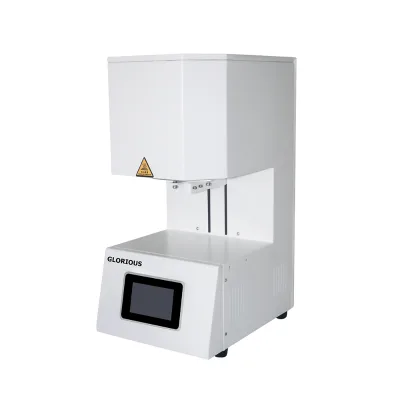


Dental Lab Ceramic Oven Porcelain Furnace High Temperature Dental Equipment
$2599.00 - $2899.00
MOQ: 1 Pieces


Newest Automatic Dental Porcelain Oven Equipment Dental Porcelain Furnace
$1600.00 - $1890.00
MOQ: 1 Pieces

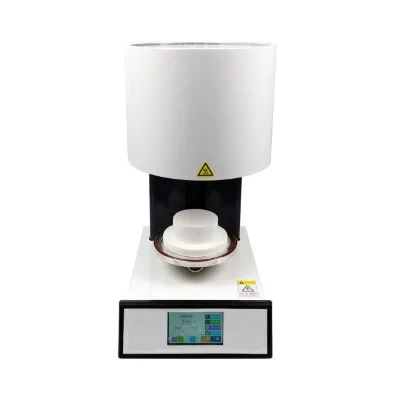
Hot Sale Dental Dental Porcelain Furnace Dental Porcelain Furnace Price
$1800.00 - $2100.00
MOQ: 1 sets


High Temperature Ceramic Porcelain Furnace for Dental Teeth Use CE Certified
$1300.00 - $1400.00
MOQ: 1 sets


Comprehensive Sourcing Guide
CE Dental Porcelain Oven Sourcing Guide
Procuring a CE Dental Porcelain Oven requires a disciplined approach to aligning technical capabilities with regulatory compliance, particularly for facilities processing zirconia and ceramic materials. The observed market data indicates a specific product category where the primary function is the firing of ceramic materials for teeth, often labeled variously as a dental porcelain furnace, zirconia porcelain furnace, or dental ceramic oven. Buyers must recognize that while the core keyword implies a standardized device, the actual listings reveal significant variation in model numbers, such as "Glorious 5s" or generic "Dental Porcelain Furnace" designations, necessitating a careful review of individual product attributes before finalizing a purchase.
The commercial landscape for these instruments shows a distinct price range between 1026.91 and 3800 USD, with a minimum order quantity (MOQ) consistently observed at a single unit. This low entry barrier suggests that the market is accessible for individual dental laboratories or small clinics, yet the wide price variance signals differences in build quality, brand reputation, and included features like vacuum settings or heating rates. Sourcing decisions should therefore prioritize the specific technical requirements of the laboratory over the lowest price point, ensuring that the selected unit can handle the specific thermal profiles required for high-quality dental restorations.
Product Scope and Observed Listing Signals
The product scope for CE dental porcelain ovens centers on specialized equipment designed for the dental department, specifically for denture processing and the firing of ceramic materials. Listings frequently describe the nature of the equipment as shared instrument equipment that is non-disposable, with a usage life extending well beyond a single procedure. The functional scope is clearly defined by the ability to reach maximum temperatures of 1200°C, with some models capable of holding this temperature for approximately 2 hours and 46 minutes, which is critical for the sintering of zirconia and porcelain crowns.
Observations of the product listings reveal a diverse array of naming conventions and material descriptions that buyers must navigate. While the primary material of the furnace structure is often cited as steel or metal, the internal components and the hearth heating platform, which measures 90mm in diameter, are designed to accommodate ceramic loads. The packaging is consistently described as a wooden crate or wooden case, indicating a need for robust shipping protection, and the single gross weight is typically around 5.000 kg, suggesting a portable yet sturdy design suitable for laboratory benches.
Technical Specifications to Verify
Buyers must rigorously verify the heating capabilities and thermal stability of the unit, as the maximum power consumption is listed as 1500W, though some entries contain ambiguous data such as "May150nw" which requires clarification. The heating rate is a critical performance metric, with some models boasting a maximum rate of 200°C per minute, allowing for rapid thermal cycling. However, the vacuum setting standard is another vital specification, with observed ranges listed as 1-101%, a figure that warrants immediate technical validation to ensure the vacuum pump can achieve the necessary pressure levels for proper material densification.
The physical dimensions and operational parameters of the oven must also be cross-referenced against the laboratory's spatial and workflow constraints. The single package size is noted as 10x10x15 cm in some records, which seems inconsistent with the 5kg weight and wooden crate packaging, suggesting that the listed dimensions may refer to a specific component or a data entry error that needs confirmation. Additionally, the model number varies significantly across listings, ranging from generic descriptions to specific identifiers like "Glorious 5s," meaning the buyer must ensure the specific model number corresponds to the exact technical specifications required for their specific dental applications.
Compliance and Safety Documentation
Regulatory compliance is a non-negotiable aspect of sourcing dental equipment, and the presence of CE certification is a primary indicator of adherence to European safety standards. The supplied facts explicitly list CE as a certification, and some entries further mention ISO CE certificates, which adds a layer of quality assurance regarding the manufacturing process. Buyers should request the full certificate documentation to verify that the specific model being purchased is covered under the certification, as the "Instrument classification" is listed as Class II, indicating a moderate risk level that requires specific regulatory oversight.
Safety documentation must also address the electrical and operational risks associated with high-temperature equipment. The power source is universally listed as electric, and the maximum temperature of 1200°C presents significant thermal hazards that require proper insulation and safety interlocks. While the listings mention "High-quality" as a general attribute, this is not a substitute for verified safety testing. Procurement teams should ensure that the supplier provides a user manual detailing emergency shutdown procedures, thermal safety limits, and electrical grounding requirements to protect both the operator and the facility.
Cost Drivers and Commercial Terms
The cost of a CE Dental Porcelain Oven is influenced by several factors, including the brand name, such as Honchonsmile or Glorious, and the level of customization available. The listings indicate that customization is available, with support for OEM and ODM services, which can significantly impact the final price. Buyers should understand that a lower price point may reflect a standard, off-the-shelf model, while a higher price within the observed range could include custom branding, specialized vacuum settings, or enhanced heating platforms tailored to specific laboratory needs.
Commercial terms regarding shipping and after-sales support are equally critical in determining the total cost of ownership. The observed shipping methods include major carriers like DHL, UPS, FedEx, EMS, and TNT Air Cargo, which implies that international logistics are a standard part of the transaction. Furthermore, the warranty period is typically listed as 1 year, and after-sales service is provided through online technical support. Buyers should clarify whether the warranty covers the entire unit or specific components like the heating element and whether the online support includes remote diagnostics or on-site service options.
Supplier Qualification and Quality Control
Supplier qualification should focus on the ability to provide consistent quality and reliable after-sales service, as the listings mention "After-sales Service Provided" and "Online Technical Support" as key attributes. The brand names observed, such as Honchonsmile and Glorious, suggest that there are established manufacturers in the market, but buyers must verify the supplier's track record in delivering Class II medical instruments. The "Nature" of the equipment is described as shared instrument equipment, implying that the supplier must have experience in serving multiple dental departments or laboratories with varying usage demands.
Quality control processes must be verified through the supplier's adherence to the stated standards and certifications. While the listings mention "High-quality" and "ISO CE," these are general claims that require validation through third-party testing reports or factory audits. The "Customized Support" section lists "Oemodmobm" and "OEM,Odmobm," which indicates a capacity for manufacturing variations, but buyers must ensure that these customizations do not compromise the structural integrity or safety of the furnace. A robust quality control protocol should include pre-shipment inspections and a clear process for handling defects or performance issues during the warranty period.
Long-Term Procurement Checks
Long-term procurement success depends on the durability and maintenance requirements of the dental porcelain oven, particularly given the "Non-Disposable" nature of the equipment. The "Shelf Life" is listed as 1 year, which likely refers to the warranty period or the recommended service interval rather than the physical lifespan of the machine, which should be significantly longer. Buyers should establish a maintenance schedule that includes regular checks of the heating elements, vacuum pumps, and temperature sensors to ensure the unit continues to meet the 1200°C maximum temperature requirement over time.
Future-proofing the procurement decision involves assessing the supplier's ability to provide spare parts and technical updates. The "Customized Support" and "OEM" capabilities suggest that the supplier may offer upgrades or replacements for specific components, but buyers must confirm the availability of these parts for the long term. Additionally, the "Applicable Departments" are listed as the Dental Department, but as technology evolves, the equipment may need to adapt to new ceramic materials or firing protocols. Establishing a relationship with a supplier who can provide ongoing technical support and updates is essential for maintaining the efficiency and compliance of the dental laboratory.
FAQs
What is the maximum temperature of a CE Dental Porcelain Oven?
The maximum temperature is 1200C. This capacity allows for firing ceramic materials of teeth and zirconia. The heating rate can reach 200C per minute. This ensures efficient processing for dental laboratories. The device holds the max temperature for up to 2 hours and 46 minutes. It is suitable for denture processing applications.
Can I customize a CE Dental Porcelain Oven for my lab?
Customization is available for these units. You can request OEM, ODM, or OBM support. The brand Honchonsmile offers this flexibility. The product is listed as a single item. This allows you to tailor specifications to your specific workflow. It is designed for the dental department. The nature of the equipment is shared instrument.
What certifications does a CE Dental Porcelain Oven have?
The device holds CE certification. Some models also display ISO CE certificates. This indicates compliance with relevant safety standards. The instrument classification is Class II. This ensures safe operation in professional settings. The warranty period is typically one year. This provides assurance for your investment in dental equipment.
How much does a CE Dental Porcelain Oven weigh?
The single gross weight is 5.000 kg. The material construction includes steel and metal components. The single package size is 10x10x15 cm. It is packed in a wooden crate. This lightweight design facilitates easy handling. The power consumption is max 1500W. It is non-disposable and built for durability.
What is the vacuum setting standard for these ovens?
The vacuum setting standard ranges from 1 to 101%. This precise control is vital for firing ceramics. The hearth heating platform is Od90mm. This ensures even heat distribution. The power source is electric. It is designed for high-quality dental lab porcelain furnace operations. The model number may vary by brand.
Which brands offer ce dental porcelain ovens?
Brands include Honchonsmile and Glorious. The Glorious model is identified as Glorious 5s. Both offer online technical support. The shelf life is one year. The quality is described as high-quality. These brands serve the dental department. They provide after-sales service for maintenance. The product name is often Zirconia Porcelain Furnace.