Find CE ISO Dental Polishing Machine for Clinics Labs and Hospitals
Source 30 verified CE ISO dental polishing machines from Chinese manufacturers. Buyers can compare models like the Um-Lz-Pgi and YE-B35 for clinics, labs, and hospitals with features including variable speed and semi-automatic operation.
Key considerations
Products List


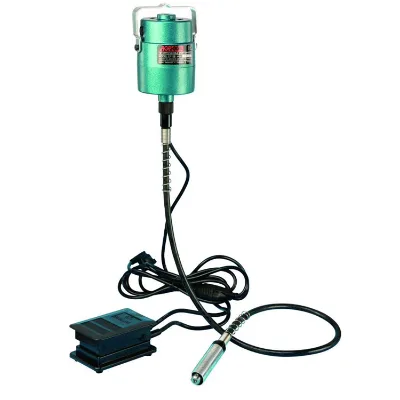
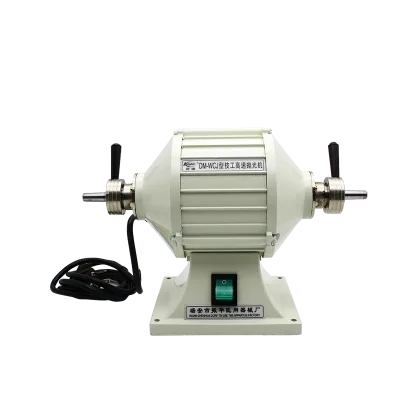
Pg-1 Dental Laboratory Cutting and Polishing Lathe Dental Polishing Machine
$142.00 - $146.00
MOQ: 1 Pieces








Comprehensive Sourcing Guide
Strategic Sourcing Guide for CE and ISO Dental Polishing Machines
The global market for dental laboratory equipment has seen a significant shift toward high-precision finishing tools that balance operational efficiency with rigorous safety standards. For procurement professionals and dental laboratory managers, the core keyword "CE ISO Dental Polishing Machine" represents a specific subset of equipment that must meet both European conformity and international quality management benchmarks. This guide provides a comprehensive, evidence-based framework for sourcing these machines, focusing on technical specifications, compliance verification, cost structures, and supplier evaluation strategies derived from current market observations.
Technical Specifications and Functional Diversity
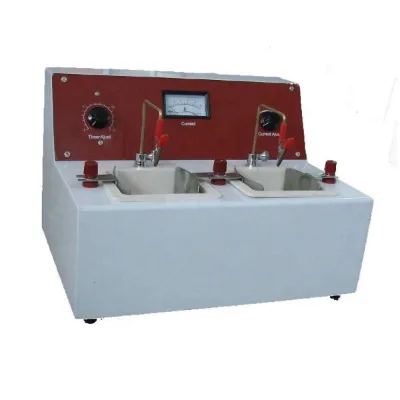
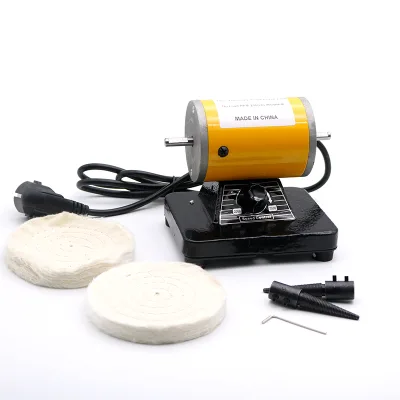
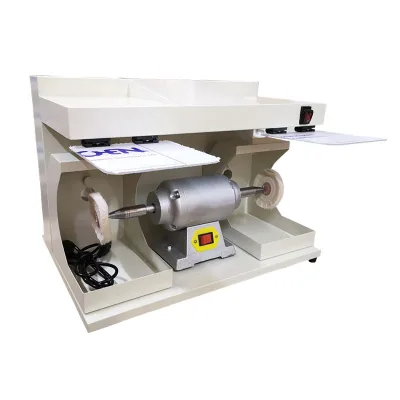
When evaluating dental polishing machines, buyers must first distinguish between the various functional types available in the supply chain. The market offers a diverse range of equipment, from traditional dental polishing lathes to advanced electrolytic polishers and variable speed machines. Each type serves a distinct purpose within the dental laboratory workflow. For instance, the "Dental Polishing Lathe" is a fundamental tool often characterized by its mechanical rotation capabilities, while the "Dental Electrolytic Polisher" utilizes electrochemical processes to achieve superior surface finishes on metal alloys.
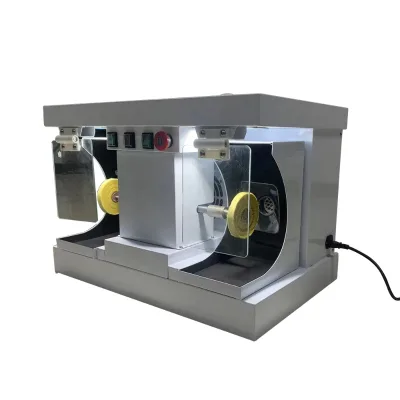
Material composition is a critical technical differentiator. Observations from current listings indicate that these machines are predominantly constructed from high-grade metals, with specific models utilizing steel for durability and structural integrity. The choice of material directly impacts the machine's longevity and its ability to withstand the vibration and torque generated during high-speed polishing operations. Furthermore, the structural design varies significantly; some units are designed as desktop models, optimizing space in smaller laboratories, while others may be larger, floor-standing units intended for high-volume production environments.
Control mechanisms also play a pivotal role in operational efficiency. Modern sourcing trends show a mix of semi-automatic and manually controlled systems. While some advanced units offer variable speed controls to accommodate different polishing media and alloy types, others rely on artificial control methods where the operator manages the speed and pressure. Precision is a non-negotiable attribute for these devices, as the final aesthetic and functional quality of dental prosthetics depend on the machine's ability to maintain consistent rotational stability and minimal vibration. Buyers should verify the specific model numbers, such as the "Um-Lz-Pgi" or "Um-Ax-D2," to understand the exact capabilities of the equipment they are considering.
Compliance and Certification Verification
The inclusion of "CE" and "ISO" in the search query highlights the paramount importance of regulatory compliance in the dental equipment sector. The CE marking signifies that a product meets the safety, health, and environmental protection requirements for products sold within the European Economic Area. In the context of dental polishing machines, this certification is often linked to specific directives regarding medical devices. Evidence from product listings confirms that many machines carry the CE mark, and some explicitly list "CE, ISO" or "ISO, CE, FDA" as part of their standard compliance package.
However, the presence of a certification mark on a listing does not automatically guarantee that every unit sold under that brand meets the standard. Procurement teams must verify the specific certification documents provided by the supplier. The ISO standards relevant to this sector often include ISO 13485 for quality management systems in medical devices, ensuring that the manufacturer maintains a robust quality control framework. While background knowledge suggests standards like ISO 12100:2010 for machinery safety, buyers must request explicit documentation to confirm that the specific machine model adheres to these standards.
It is crucial to distinguish between the certification of the product and the certification of the manufacturing facility. A machine may be CE marked, but the factory producing it might not hold ISO 13485 certification. Buyers should request copies of the valid certificates and verify their expiration dates and scope. Additionally, the classification of the instrument, such as "Class II" for medical devices, is a vital detail that affects regulatory clearance and liability. Without verified documentation, the risk of importing non-compliant equipment that could lead to legal complications or safety hazards remains high.
Cost Drivers and Pricing Structures
Understanding the cost drivers for dental polishing machines requires an analysis of the observed market data. The price range for these machines is broad, with observed listings spanning from approximately $4.90 to $527.00 USD. This wide variance is not indicative of a single product category but rather reflects differences in technology, brand reputation, material quality, and included features. Lower-priced units may be basic mechanical lathes with limited speed control and standard packaging, while higher-priced models likely incorporate advanced features such as variable speed drives, electrolytic polishing capabilities, or enhanced safety mechanisms.
The Minimum Order Quantity (MOQ) is another significant factor influencing the total cost of acquisition. Market data shows an MOQ range from 1 set to 50 sets. For small dental laboratories or individual practitioners, the ability to purchase a single unit (1 set/box) is essential for budget management. Conversely, larger dental supply chains or manufacturing hubs may leverage bulk purchasing to negotiate better unit prices, provided the supplier accepts higher volume orders. The packaging type, ranging from standard boxes to cartons and standard export packing, also impacts logistics costs and must be factored into the total landed cost calculation.
Brand plays a substantial role in pricing as well. Established brands like "Umg" or "Yinyang" may command a premium due to perceived reliability and after-sales support. However, OEM (Original Equipment Manufacturer) options are widely available, allowing buyers to source machines with custom branding at potentially lower price points. When evaluating cost, buyers should look beyond the unit price and consider the total cost of ownership, which includes maintenance, spare parts availability, and the potential for customization.
Typical Applications and Operational Context
Dental polishing machines are designed for a variety of applications within the dental ecosystem. The primary use cases include dental areas, dental clinics, and hospitals, where the machines are used to finish and polish crowns, bridges, dentures, and other prosthetic devices. The specific application dictates the required machine specifications. For example, a high-volume clinic may require a variable speed polisher capable of handling diverse materials, while a specialized laboratory might need a vibration polishing machine for specific grinding methods.
Beyond the dental sector, some machines listed in the market have broader applications. Certain models are designated as "Stone Polishing Machines" or "Concrete Curb" polishers, indicating their versatility in handling materials like cement bricks, jadestone, and ceramics. While these machines may share mechanical similarities with dental units, their intended use cases differ significantly. Buyers must ensure that the machine selected is specifically calibrated for dental applications to avoid issues with precision and surface finish quality. The "Grinding Method," such as semi-dry grind, and the "Type for Grinding Machine," such as special grinding machines, are technical details that align the equipment with specific material processing needs.
Supplier Evaluation and Origin Analysis
Selecting a reliable supplier is as critical as selecting the machine itself. The geographical origin of the product is a key indicator of supply chain dynamics. Most observed listings indicate that these machines originate from China, specifically from regions like Hebei and Henan. While these regions are known for manufacturing a wide array of industrial and medical equipment, buyers must conduct thorough due diligence on the specific supplier. Factors to consider include the supplier's production capacity, which some listings note as "3000 sets per Month," and their ability to fulfill orders within the stated lead times.
Supplier evaluation should also focus on their customization capabilities. Many listings highlight that customization is available, and OEM services are accepted. This flexibility allows buyers to tailor the machine to their specific branding or technical requirements. However, the extent of customization should be clearly defined in the contract to avoid misunderstandings regarding lead times and costs. The "Product Name" and "Model" variations across different suppliers suggest a fragmented market where standardization is low, making it essential to verify that the specific model number corresponds to the exact specifications required.
Quality Control and Long-Term Procurement
Quality control (QC) is a continuous process that extends beyond the initial purchase. For dental polishing machines, QC involves verifying the mechanical integrity, electrical safety, and precision of the unit upon receipt. Buyers should establish a protocol for inspecting the "Condition" of the machine, ensuring it is "New" and free from defects. The "Packaging Details," such as "1set/carton" or "Standard Package," should be checked to ensure the equipment arrives without damage.
Long-term procurement considerations include the availability of spare parts and technical support. Machines with complex mechanisms, such as electrolytic polishers or variable speed drives, require specialized maintenance. Buyers should inquire about the supplier's warranty policies and the availability of replacement parts. The "Automation" level of the machine, whether semi-automatic or manual, also influences the training requirements for laboratory staff. Ensuring that the staff is adequately trained to operate the machine safely and efficiently is a crucial step in maximizing the return on investment.
Furthermore, buyers should consider the scalability of their procurement strategy. As a dental practice grows, the demand for polishing equipment may increase. A supplier with a high supply ability and flexible MOQ terms can support this growth without the need to switch vendors. The "Instrument classification" and adherence to standards like CE and ISO should be re-verified periodically to ensure ongoing compliance with changing regulations. By maintaining a rigorous approach to quality control and supplier relationship management, buyers can ensure a steady supply of high-quality dental polishing machines that meet the evolving needs of their laboratories.
Summary of Key Sourcing Parameters
To facilitate a streamlined decision-making process, the following table summarizes the critical parameters observed in the current market for CE and ISO dental polishing machines. This overview serves as a checklist for procurement teams to verify against supplier proposals.
| Parameter | Observed Range/Value | Verification Requirement |
|---|---|---|
| Certification | CE, ISO, FDA (varies by model) | Request valid certificate copies; verify scope. |
| Material | Metal, Steel | Inspect physical samples for durability. |
| MOQ | 1 set to 50 sets | Confirm ability to meet order volume needs. |
| Origin | Hebei, Henan (China) | Verify factory location and export capability. |
| Model Types | Um-Lz-Pgi, Um-Ax-D2, Pg-1, etc. | Match model number to specific technical needs. |
| Packaging | Carton, Box, Standard Export | Ensure packaging protects equipment during transit. |
| Customization | Available, OEM Accepted | Define scope of customization in contract. |
| Automation | Semi-automatic, Artificial | Assess training needs for laboratory staff. |
By adhering to these guidelines and maintaining a focus on verified facts, buyers can navigate the complex landscape of dental polishing machine procurement with confidence, ensuring they acquire equipment that is safe, compliant, and fit for purpose.
FAQs
What certifications do CE ISO dental polishing machines have?
These machines typically carry CE and ISO certifications, with some models also listing FDA compliance. Buyers must verify specific certificate documents for each model, as the presence of a mark does not guarantee every unit meets the standard.
Which materials are used to construct these polishing machines?
The machines are predominantly constructed from high-grade metals, with specific models utilizing steel for durability. This material choice ensures the unit can withstand the vibration and torque generated during high-speed polishing operations in a laboratory setting.
How does the minimum order quantity affect purchasing these machines?
The minimum order quantity ranges from 1 set to 50 sets depending on the supplier. Small laboratories can often purchase a single unit, while larger supply chains may leverage bulk purchasing to negotiate better unit prices and logistics costs.
Can buyers customize the branding and specifications of these machines?
Yes, customization is available, and many suppliers accept OEM requests for custom branding. Buyers should clearly define the extent of customization in the contract to avoid misunderstandings regarding lead times and additional costs associated with these modifications.
Where are these dental polishing machines typically manufactured?
Most observed listings indicate that these machines originate from China, specifically from regions like Hebei and Henan. Buyers must conduct due diligence on specific suppliers in these regions to verify production capacity and quality control measures.
What is the observed price range for these machines?
The observed price range spans from approximately $4.90 to $527.00 USD. This variance reflects differences in technology, brand reputation, and features, with lower-priced units often being basic mechanical lathes and higher-priced models offering advanced capabilities.