Source CE ISO Dental Turbine Handpiece for Child Adult Clinic
Source 30 CE ISO Dental Turbine Handpiece options with high-speed and low-speed variants. Compare features like LED lights, water spray types, and bearing materials for child and adult applications.
Key considerations
Products List


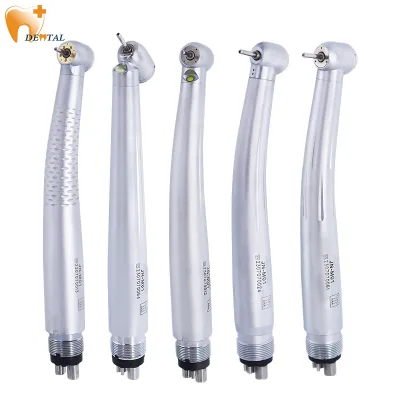


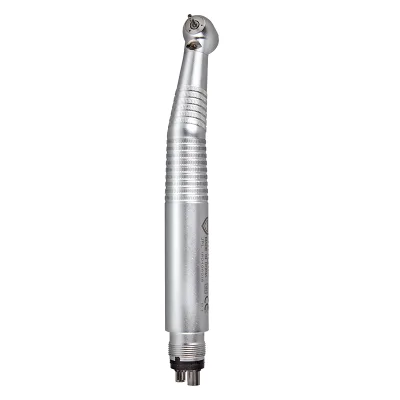


Dental Handpiece Cartridge Dental Handpiece Spare Parts Air Turbine Cartridge
$9.00 - $10.00
MOQ: 20 Pieces

Dental Air Turbine Highspeed Handpiece Colorful Dental Handpiece Dental Products
$19.00 - $21.50
MOQ: 10 Pieces

Dental Highspeed Air Turbine Handpiece 2/4 Holes 45° LED Surgical Handpiece
$40.00 - $50.00
MOQ: 5 Pieces

Paralleline 100 Dental High Speed Air Turbine Handpiece for Laboratory Use
$130.00 - $150.00
MOQ: 1 Pieces


Comprehensive Sourcing Guide
Strategic Sourcing Guide for CE ISO Dental Turbine Handpieces
The global market for dental equipment has seen a significant surge in demand for high-performance turbine handpieces, driven by the need for precision, efficiency, and patient comfort. For procurement professionals and dental practice managers, the core keyword "CE ISO Dental Turbine Handpiece" represents a specific intersection of regulatory compliance and technical capability. Sourcing these devices requires a nuanced understanding of the differences between high-speed and low-speed variants, the implications of certification marks, and the specific technical attributes that define operational reliability. This guide provides a structured approach to evaluating suppliers and products, ensuring that procurement decisions are grounded in verified facts rather than marketing assertions.
Understanding Technical Specifications and Performance Metrics
The first step in sourcing a dental turbine handpiece is a rigorous analysis of technical specifications. The product data indicates a clear bifurcation in the market between high-speed and low-speed units, each serving distinct clinical functions. High-speed handpieces, such as those identified by model numbers like 201G2M, are engineered for cutting hard tissues. These units typically feature a maximum speed of 420,000 RPM and utilize a 1.6mm FG bur. The internal mechanics are critical; the presence of German bearings in high-speed models suggests a focus on minimizing vibration and extending operational life under extreme rotational stress.
In contrast, low-speed handpieces, exemplified by models like 202C4, operate at significantly lower velocities, with a maximum speed of 30,000 RPM. These units often feature a 1:1 gear ratio and are designed for polishing, finishing, and non-cutting procedures. The bur type compatibility differs as well, with low-speed variants supporting 2.35mm or 1.6mm burs. Buyers must verify the head diameter and size specifications, as the data shows variations ranging from small heads (10.6H12.5mm) to middle heads (10.6H13.1mm). The physical dimensions directly impact the ergonomics and the ability to access posterior teeth.
Another critical technical differentiator is the water and air delivery system. The supply chain data reveals two primary configurations: inner channel and outer channel water ways. High-speed models often utilize an inner channel with four internal sprays to ensure effective cooling during high-velocity cutting. Conversely, some units feature external water spray types, which may be preferred for specific cleaning protocols. The connection type is equally vital; while some models offer quick connectors for rapid hose changes, others are designed without them, requiring manual attachment. The choice between these configurations depends on the existing infrastructure of the dental operatory and the workflow preferences of the dental team.
Compliance Verification and Certification Standards
When the core keyword includes "CE ISO," buyers must treat these as mandatory verification points rather than optional features. The provided facts confirm that specific products carry CE and ISO certifications, with some listings additionally noting TUV certification. The CE mark indicates conformity with health, safety, and environmental protection standards for products sold within the European Economic Area. The ISO designation, often referencing ISO 13485 for medical devices, implies adherence to quality management systems specific to the manufacturing of medical equipment.
However, the presence of these marks on a product listing does not automatically guarantee that every unit in a shipment meets the same rigorous standards. Procurement teams must verify the validity of these certifications for the specific batch being purchased. The data shows that while some models list "CE, ISO" and others list "CE, ISO, TUV," the baseline requirement for a "CE ISO" search is the presence of at least the former two. Buyers should request the actual certification documents from the supplier, ensuring they are current and issued by recognized bodies. It is also important to note that the origin of the products is listed as Guangdong, China, a major manufacturing hub. While this location is a source of high-volume production, it necessitates a stricter verification process for compliance documents to ensure they are not merely claimed but legally valid for the destination market.
Cost Drivers and Pricing Structure Analysis
The pricing landscape for dental turbine handpieces is diverse, with observed ranges spanning from $3.99 to $150 USD. This wide variance is not arbitrary but is driven by several key cost drivers inherent to the product specifications. The primary factor influencing price is the bearing technology. Units equipped with German bearings, which are associated with the high-speed 420,000 RPM models, command a premium over those with ceramic bearings or standard bearings. The precision engineering required for high-speed rotation and the durability of the bearing materials directly correlate with the unit's cost.
Material composition is another significant driver. The data consistently identifies stainless steel as the primary material for the handpiece body. High-grade stainless steel offers superior corrosion resistance and durability, essential for instruments that undergo repeated sterilization cycles. The complexity of the internal channel design also affects pricing; models with inner channels and multiple spray holes (four holes) require more intricate manufacturing processes than those with simple outer channels or single spray configurations.
Furthermore, the customization options available, such as the choice between 2-hole or 4-hole quick types, can influence the final price. Customization allows for tailored solutions but often involves additional setup costs. The packaging standards, ranging from single-piece packages to bulk boxes of ten, also play a role in the unit cost, particularly for large-scale procurement. Buyers should be aware that the lowest price points often correspond to basic low-speed models or those with fewer features, while the upper end of the range reflects high-speed, high-precision units with advanced bearing systems and comprehensive certifications.
Typical Applications and Clinical Utility
The application scope of these handpieces is broad, catering to both adult and pediatric dentistry. The data explicitly states that the products are suitable for "Child, Adult" applications, indicating versatility in clinical settings. High-speed turbines are indispensable for restorative procedures involving enamel and dentin removal, where the 420,000 RPM speed and effective water cooling are critical for patient comfort and procedural efficiency. The small head diameter of these units allows for precise access in tight spaces, such as interproximal areas.
Low-speed handpieces, with their 30,000 RPM limit and 1:1 gear ratio, are primarily used for polishing, scaling, and finishing restorations. The external water spray on some low-speed models is particularly useful for cleaning the tooth surface without the intense cooling required for cutting. The non-disposable nature of these handpieces means they are designed for long-term use, making them a staple in any dental practice. The choice between a high-speed and low-speed unit often depends on the specific procedures the practice performs most frequently. A practice specializing in cosmetic dentistry may prioritize high-speed units for their precision, while a general practice might maintain a balanced inventory of both types to handle a wide range of patient needs.
Supplier Evaluation and Quality Control Protocols
Evaluating suppliers for dental handpieces requires a multi-faceted approach that goes beyond price comparisons. The observed MOQ (Minimum Order Quantity) ranges from 1 to 1000 units, offering flexibility for both small clinics and large distributors. However, the variation in specifications suggests that not all suppliers offer the same depth of product lines. Buyers should prioritize suppliers who can demonstrate a consistent track record of providing products with verified certifications and high-quality materials.
Quality control is paramount in this sector. The data highlights specific attributes such as "New" condition and "Non-Disposable" status, which are baseline expectations. However, buyers must also verify the consistency of the "German Bearings" and "Ceramic Bearings" claims. A robust quality control protocol should include random sampling of units to test for maximum speed accuracy, vibration levels, and water spray consistency. The "Inner 4 Sprays" versus "Inner 1 Spray" distinction is a key quality indicator; inconsistent spray patterns can lead to overheating and reduced cutting efficiency.
Furthermore, the "Without Quick Connector" versus "With Quick Connector" attribute requires verification of the connection mechanism's durability. A supplier that offers a warranty or a clear return policy for defective units demonstrates confidence in their product quality. The packaging standards, such as "1 PCS Each Package/10 Package Each Box," should be inspected to ensure that the products are protected during transit, preventing damage to the delicate internal components.
Long-Term Procurement and Maintenance Considerations
Sourcing dental handpieces is not a one-time transaction but a long-term commitment to maintaining clinical efficiency. The "Non-Disposable" nature of the products means that maintenance and sterilization protocols are critical. Buyers should inquire about the availability of replacement parts, such as bur holders and bearings, to extend the lifespan of the handpieces. The "Option: 4/6 Holes" and "Option: 2 Hole or 4 Hole Quick Type" specifications suggest that modularity is a key feature; suppliers who offer compatible accessories and replacement parts add significant value to the procurement process.
The "Net Weight" variations, ranging from 65g to 140g, also impact long-term usability. Heavier units may cause more fatigue during extended procedures, while lighter units offer better maneuverability. Buyers should consider the ergonomic implications of the weight and head size when selecting models for their specific practice needs. Additionally, the "Light Way" attribute, with options for "With LED Light" or "Without Light," is a crucial consideration for visibility during procedures. LED integration adds complexity and cost but significantly enhances the clinical environment.
Finally, the "Standard: 30X20X10" and "Standard: 302010" specifications refer to packaging dimensions, which affect storage and logistics. Efficient packaging reduces shipping costs and minimizes the risk of damage. Buyers should also consider the "Lead Time" and "Location" of the supplier, as these factors influence the speed of replenishment. With the origin listed as Guangdong, China, buyers should factor in shipping times and potential customs delays when planning their inventory levels. By focusing on these long-term considerations, procurement teams can ensure a steady supply of high-quality dental handpieces that meet the evolving needs of their practices.
FAQs
What certifications do these handpieces hold?
The products hold CE and ISO certifications, with some listings additionally noting TUV certification. Buyers must verify the validity of these marks for the specific batch being purchased to ensure compliance with health and safety standards.
Which bearing types are available in these units?
High-speed models often utilize German bearings to minimize vibration, while other variants feature ceramic bearings. The precision engineering and durability of these materials directly correlate with the unit's cost and operational reliability under rotational stress.
How does the water spray system differ between models?
High-speed models typically use an inner channel with four internal sprays for cooling, whereas some units feature external water spray types. The configuration depends on the existing infrastructure and the specific cooling protocols required for the dental procedure.
Can these handpieces be customized for specific needs?
Customization is available for options such as the number of holes and connection types. This allows for tailored solutions but often involves additional setup costs and requires verification of the supplier's capacity to meet specific customization requests.
What is the maximum speed for high-speed handpieces?
High-speed handpieces, such as model 201G2M, reach a maximum speed of 420,000 RPM. These units are engineered for cutting hard tissues and utilize a 1.6mm FG bur for precise clinical applications in restorative dentistry.
Where are these dental handpieces manufactured?
The products originate from Guangdong, China, a major manufacturing hub for dental equipment. While this location supports high-volume production, it necessitates a stricter verification process for compliance documents to ensure they are legally valid for the destination market.
What is the minimum order quantity for these items?
The observed minimum order quantity ranges from 1 to 1000 units, offering flexibility for both small clinics and large distributors. Buyers should confirm specific MOQs with suppliers as they may vary based on the model and customization requirements.