Source CE ISO Dental Vacuum Cleaner for Clinics, Labs, and Schools
Find a CE ISO Dental Vacuum Cleaner among 30 available models for clinics, labs, and schools. Compare specifications like power, weight, and certifications to select the right unit for your facility; compare the available evidence and request quotations based on your requirements.
Key considerations
Products List

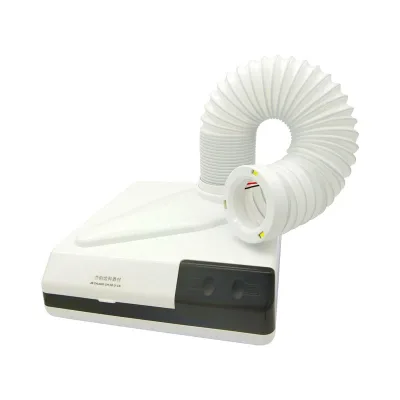
Vacuum Dust Cleaner Dental Lab Dust Collector Dental Vacuum Dust Cleaner
$500.00 - $700.00
MOQ: 1 Pieces


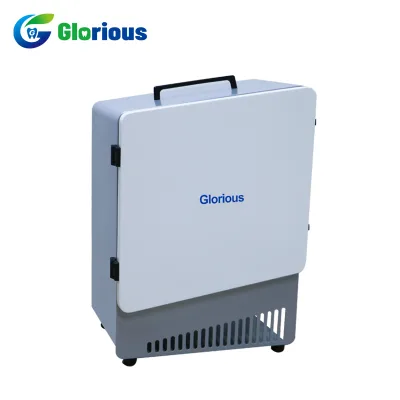
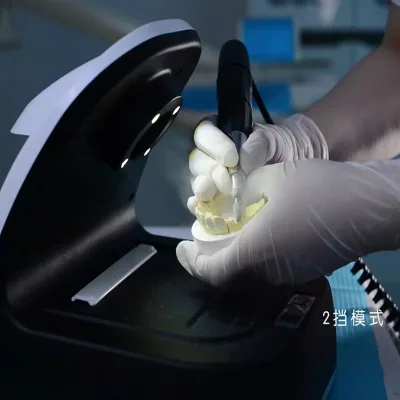
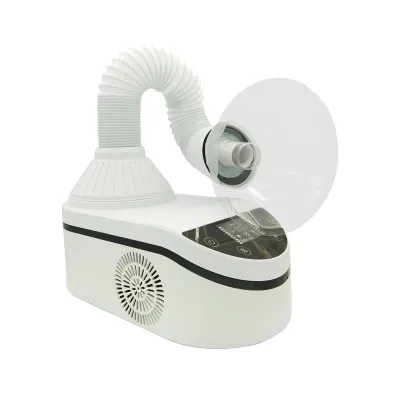
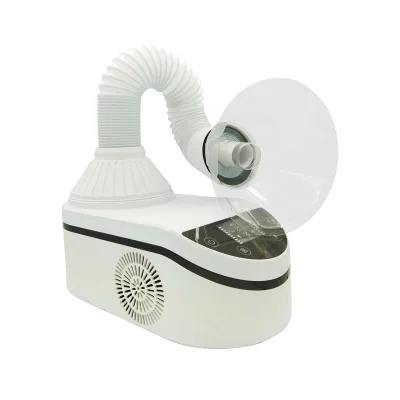
Dental Lab Portable Vacuum Cleaner Mini 60W Dust Collector for Cleaning
$133.59 - $138.73
MOQ: 1 Minimum


Dental Technician Vacuum Cleaner Dental Technician Equipment Dust Collector
$70.00 - $120.00
MOQ: 1 Pieces


Yrc-V5 State-of-The-Art Ergonomic Dental Vacuum System Dental Vacuum Cleaner
$750.00 - $1200.00
MOQ: 1 Pieces

Yrc-V5 State-of-The-Art Ergonomic Dental Vacuum Device Dental Vacuum Cleaner
$750.00 - $1200.00
MOQ: 1 Pieces


Yrc-V5 Streamlined Dental Office Vacuum Solution Dental Vacuum Cleaner
$750.00 - $1200.00
MOQ: 1 Pieces

Yrc-V5 Ergonomic Dental Suction System Efficient Cleaning Dental Vacuum Cleaner
$750.00 - $1200.00
MOQ: 1 Pieces

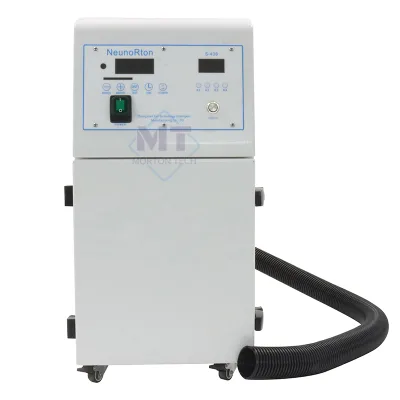
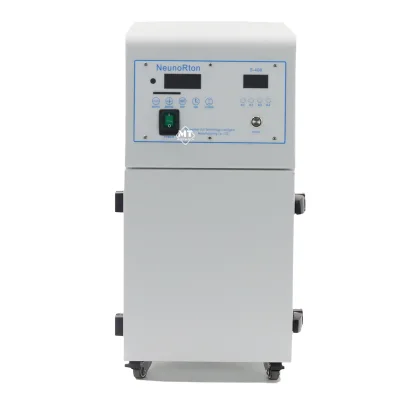


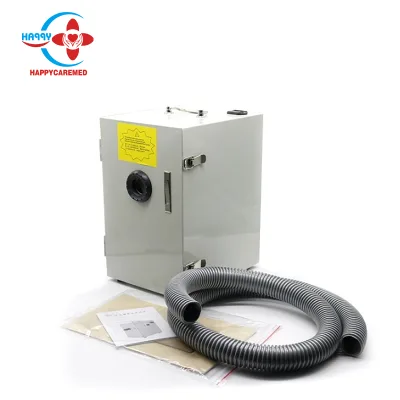
Best Selling Dental Equipment Single/Double-Row Dust Collector Vacuum Cleaner
$67.00 - $101.00
MOQ: 1 Sets


Comprehensive Sourcing Guide
CE ISO Dental Vacuum Cleaner Sourcing Guide
Procuring dental vacuum systems requires careful evaluation of regulatory compliance and technical performance to ensure patient safety and operational efficiency. Buyers must prioritize units that demonstrate adherence to international standards, particularly those bearing CE marking, which indicates conformity with health, safety, and environmental protection standards for products sold within the European Economic Area. The presence of ISO certifications further validates the manufacturer’s quality management systems, providing assurance that production processes are consistent and reliable. This dual focus on regulatory markers and quality systems forms the foundation of a secure procurement strategy, reducing the risk of non-compliant equipment entering clinical environments.
Beyond regulatory labels, buyers should assess the specific design intent of the vacuum cleaner, distinguishing between general industrial models and specialized dental units. While some listings may feature generic high-pressure cleaners or industrial motors, dental applications demand precise suction control, moisture separation, and noise reduction to maintain a sterile and comfortable operatory environment. Understanding these distinctions prevents the accidental procurement of unsuitable equipment that lacks the necessary filtration or airflow characteristics required for dental suction. This initial filtering step ensures that subsequent technical evaluations focus on relevant specifications rather than irrelevant industrial features.
Product Scope and Observed Listing Signals
Market analysis reveals a diverse range of vacuum solutions, with observed price points spanning from twenty-two to twelve hundred US dollars, reflecting variations in build quality, motor power, and included accessories. The minimum order quantity for most suppliers is set at one unit, facilitating easy sampling and trial purchases for clinics looking to upgrade their infrastructure. This low barrier to entry allows buyers to test individual units before committing to larger orders, though it also necessitates rigorous due diligence to ensure that sample quality matches bulk production standards. Buyers should interpret these price ranges as indicative of the market segment rather than fixed costs, as final pricing often depends on customization and shipping terms.
Listing attributes frequently highlight features such as motor-driven operation, round water column nozzles, and customizable configurations, which suggest versatility in application. However, discrepancies in product naming, such as references to "dental cad cam use vacuum cleaner" alongside "cam CAD vacuum," indicate a need for careful verification of the actual device type. Some listings may include unrelated items like coated back paper or acrylic materials, which could confuse the scope of the vacuum system itself. Buyers must scrutinize product descriptions to confirm that the core vacuum unit, including its motor and filtration components, aligns with dental clinical requirements rather than general-purpose cleaning tasks.
Technical Specifications to Verify
Key technical parameters such as voltage, frequency, and power consumption are critical for ensuring compatibility with local electrical infrastructure. Observed specifications include a voltage of 220V and a frequency of 50Hz, with power ratings around 130W and current draw of 0.59A, which are typical for smaller, portable dental units. Buyers must verify that these electrical ratings match their facility’s power supply to avoid circuit overloads or inefficient operation. Additionally, weight considerations, such as units weighing approximately 22 to 29 kilograms, impact installation logistics and mobility within the clinic, influencing decisions regarding permanent versus portable setups.
Dimensional specifications and material composition also play a significant role in integration and durability. Listings indicate sizes ranging from compact portable units to larger industrial-style cleaners, with materials including metal, acrylic, and plastic components. Buyers should confirm the exact dimensions to ensure the unit fits within designated cabinet spaces or under-counter areas without obstructing workflow. The presence of Class II instrument classification suggests double insulation, enhancing electrical safety for users. Verifying these physical and electrical attributes prevents installation failures and ensures the vacuum system operates efficiently within the specific spatial and power constraints of the dental practice.
Compliance and Safety Documentation
Regulatory compliance is non-negotiable for dental equipment, with CE marking serving as a primary indicator of adherence to European safety directives. Buyers must request valid CE certificates and verify that the documentation matches the specific model number and serial range of the purchased unit. The presence of additional certifications such as CB, ETL, RoHS, and UR further demonstrates a commitment to international safety and environmental standards, reducing liability risks for the clinic. These documents should be reviewed by qualified personnel to ensure they are current and cover all relevant safety aspects, including electrical safety and electromagnetic compatibility.
Quality certifications and warranty terms provide additional layers of protection for the buyer. Listings mentioning a one-year warranty and online technical support indicate a baseline level of after-sales service, which is crucial for maintaining equipment uptime. Buyers should clarify the scope of the warranty, including whether it covers parts, labor, and shipping costs for repairs. Furthermore, verifying the origin of the product, such as manufacturing in Hebei or Shandong, China, helps in assessing the supply chain reliability and potential import duties. Ensuring that all compliance documents are authentic and comprehensive is essential for passing clinical audits and maintaining patient safety standards.
Cost Drivers and Commercial Terms
Several factors influence the total cost of ownership, including customization options, packaging requirements, and shipping logistics. Customized features, such as specific branding or modified dimensions, may incur additional charges and extend lead times. Buyers should evaluate whether these customizations are necessary for their operational needs or if standard models suffice. Packaging details, such as wooden crates or standard boxes, affect shipping costs and protection during transit, with heavier units like those weighing 29 kilograms requiring robust packaging to prevent damage. Understanding these variables helps in accurately budgeting for the procurement project.
Commercial terms such as OEM acceptance and minimum order quantities impact the flexibility and scalability of the purchase. Suppliers accepting OEM services allow clinics to brand the equipment, which can be beneficial for marketing and brand consistency. However, buyers must confirm whether OEM orders require higher MOQs or longer production cycles. The selling unit structure, often listed as single items, simplifies the purchasing process but may limit bulk discounts. Buyers should negotiate clear terms regarding payment methods, delivery schedules, and return policies to mitigate financial risks and ensure a smooth transaction process.
Supplier Qualification and Quality Control
Evaluating supplier credibility is essential to ensure the reliability of the dental vacuum cleaner. Buyers should verify the supplier’s business license, manufacturing capabilities, and history of exporting to regulated markets. A strong track record in producing medical-grade equipment indicates a higher likelihood of consistent quality and compliance. Additionally, assessing the supplier’s response to technical inquiries and their willingness to provide detailed documentation can reveal their professionalism and commitment to customer support. Suppliers who are transparent about their production processes and quality control measures are generally more trustworthy partners.
Quality control procedures should be clearly defined and communicated before placing an order. Buyers should inquire about incoming material inspections, in-process checks, and final product testing protocols. Requesting third-party inspection reports or factory audit results can provide objective evidence of the supplier’s quality management system. Furthermore, establishing clear communication channels for addressing defects or non-conformities is crucial. Buyers should ensure that the supplier has a robust process for handling returns, replacements, or repairs, minimizing downtime and ensuring patient safety in the clinical environment.
Long-Term Procurement Checks
Sustaining a successful procurement relationship requires ongoing monitoring of equipment performance and supplier reliability. Buyers should establish a maintenance schedule and verify the availability of spare parts and consumables, such as filters and hoses, to ensure long-term operability. Tracking the frequency of technical support requests and the quality of after-sales service provides valuable feedback on the supplier’s responsiveness. Regularly reviewing warranty claims and repair histories can highlight potential design flaws or manufacturing defects that need to be addressed in future purchases.
Continuous improvement in procurement practices involves staying updated on regulatory changes and technological advancements in dental vacuum systems. Buyers should periodically reassess their equipment needs against emerging standards and clinical requirements. Engaging with professional networks and attending industry exhibitions can provide insights into new products and best practices. By maintaining a proactive approach to supplier management and equipment evaluation, clinics can ensure that their dental vacuum systems continue to meet the highest standards of safety, efficiency, and patient care over time.
FAQs
What certifications do these dental vacuum cleaners have?
These units carry CE, CB, ETL, RoHS, and UR certifications. The product data confirms CE and RoHS compliance for safety. Buyers should verify specific model certifications like CE for the R-411 or Uj-26 models before finalizing orders to ensure regulatory compliance in their target regions.
How much does a CE ISO Dental Vacuum Cleaner cost?
The observed price range spans from 22 to 1200 USD depending on the specific model and configuration. Prices vary significantly between basic units and advanced industrial systems. Buyers should request detailed quotes to understand the exact cost for their required specifications and volume.
Can I customize the specifications of this equipment?
Yes, customization is available for these dental vacuum cleaners. Manufacturers accept OEM requests and offer customized options for various models. Buyers can discuss specific requirements regarding power, size, or material to tailor the unit to their unique operational needs and facility constraints.
What is the minimum order quantity for these units?
The minimum order quantity is one set or one piece for most models listed. This low MOQ allows buyers to test the product before committing to larger volumes. Suppliers typically accept single-item orders, making it accessible for small clinics or initial procurement trials.
Where are these dental vacuum cleaners manufactured?
These units originate from China, specifically from regions like Hebei and Shandong. The product data lists China as the place of origin for various models including the R-411 and Uj-26. Buyers should consider shipping logistics and lead times associated with these specific manufacturing locations.
What warranty is provided for the dental vacuum cleaner?
A one-year warranty is standard for these dental vacuum cleaner units. The product specifications explicitly state a 1-year warranty period for coverage. Buyers should confirm the specific terms and conditions of the warranty with the supplier to ensure adequate protection for their investment.