Find CE Kids Sunglasses for Outdoor Play, Retail Lines, and Brand Promotions
Browse 30 CE Kids Sunglasses listings from PC, TAC, and AC lens styles in multiple lens colors and sizes. Compare UV400 attributes, MOQ ranges, customization options, and listed prices to identify suitable children's eyewear for outdoor use, retail programs, or branded giveaways.
Key considerations
Products List
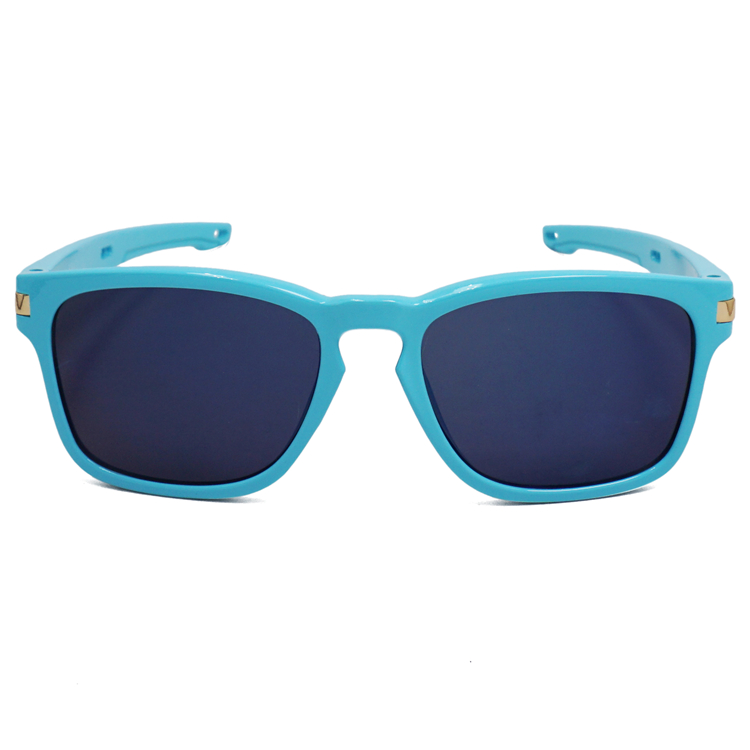


Children's Foldable Sunglasses Boy Girls Fashion Fold Kids Baby Sun Glasses
$0.69 - $0.89
MOQ: 12 Pieces


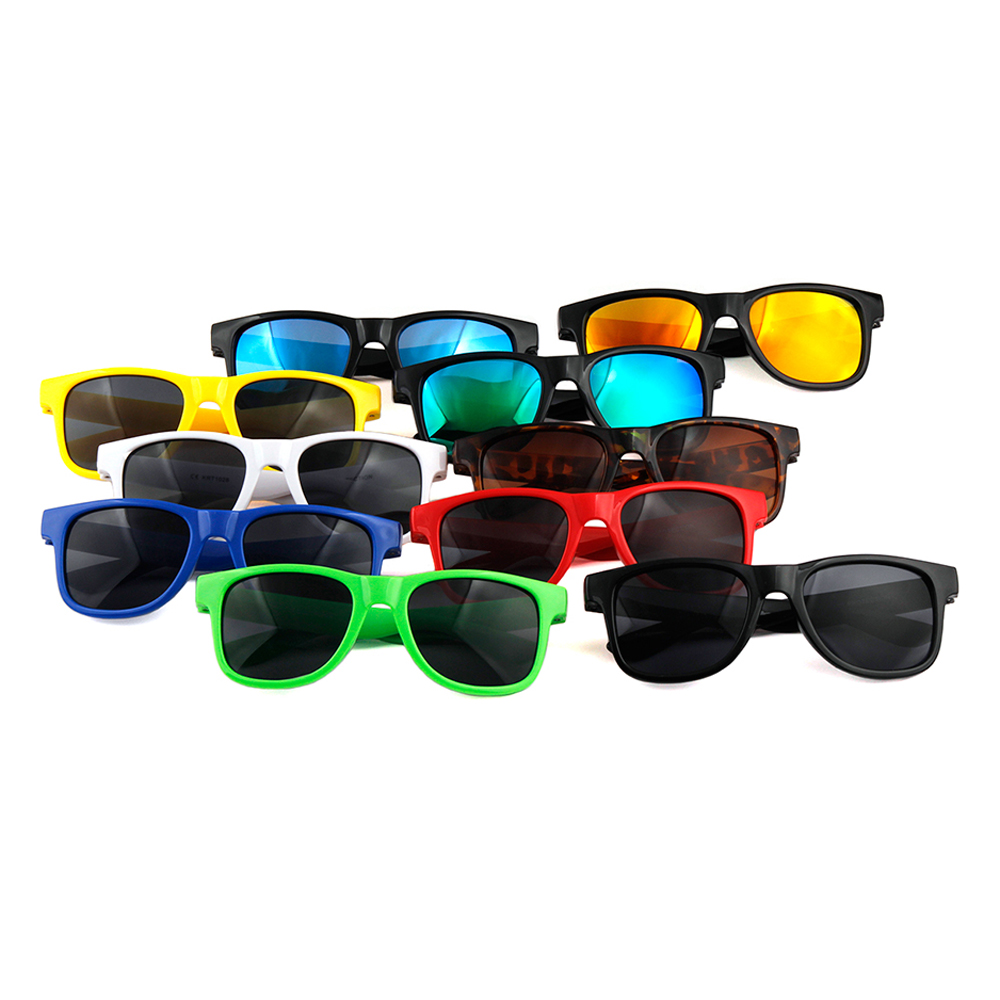
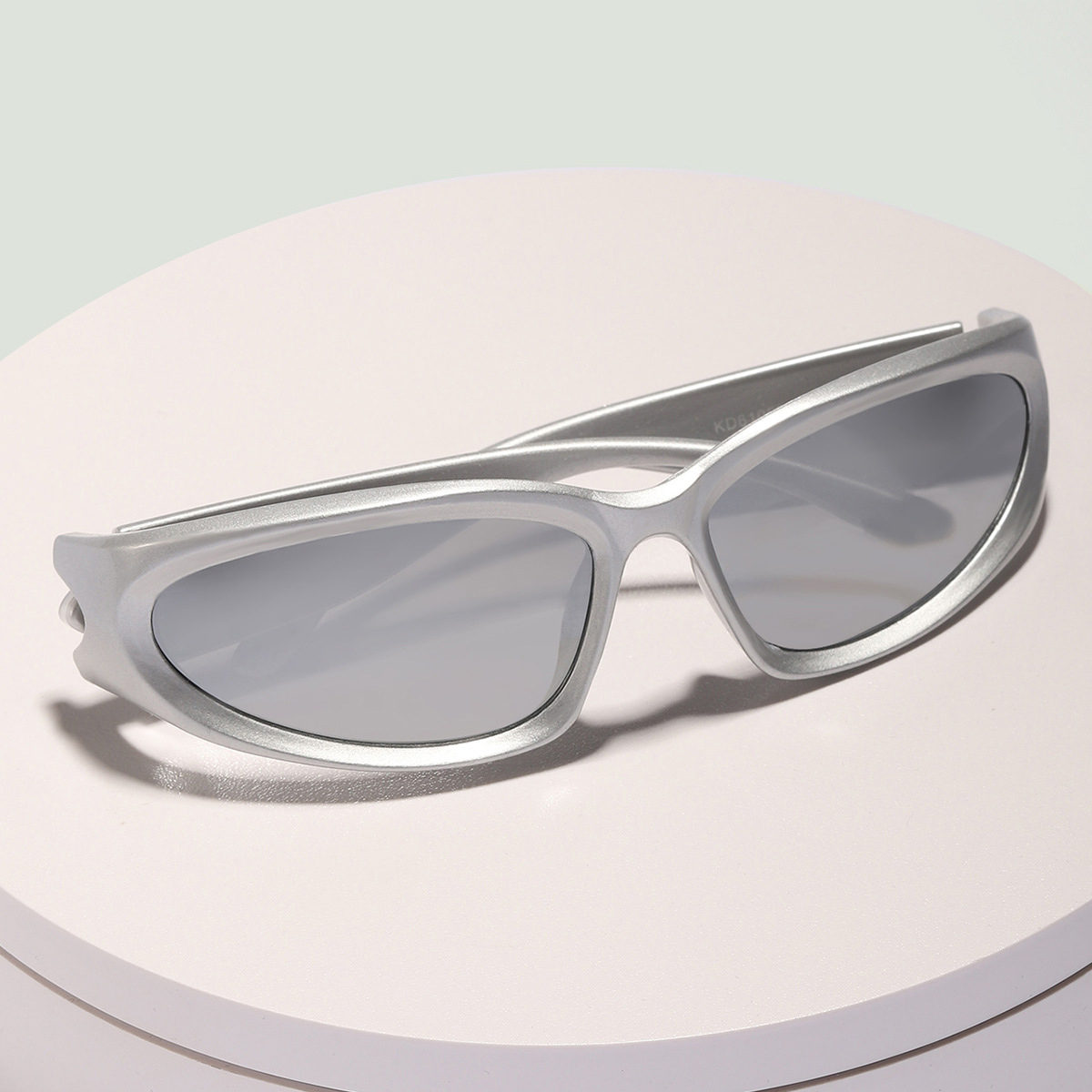

Children's Sunglasses Fashion Kids Boys Girls Shades Glasses Sun Glasses
$1.38 - $3.88
MOQ: 100 Pieces


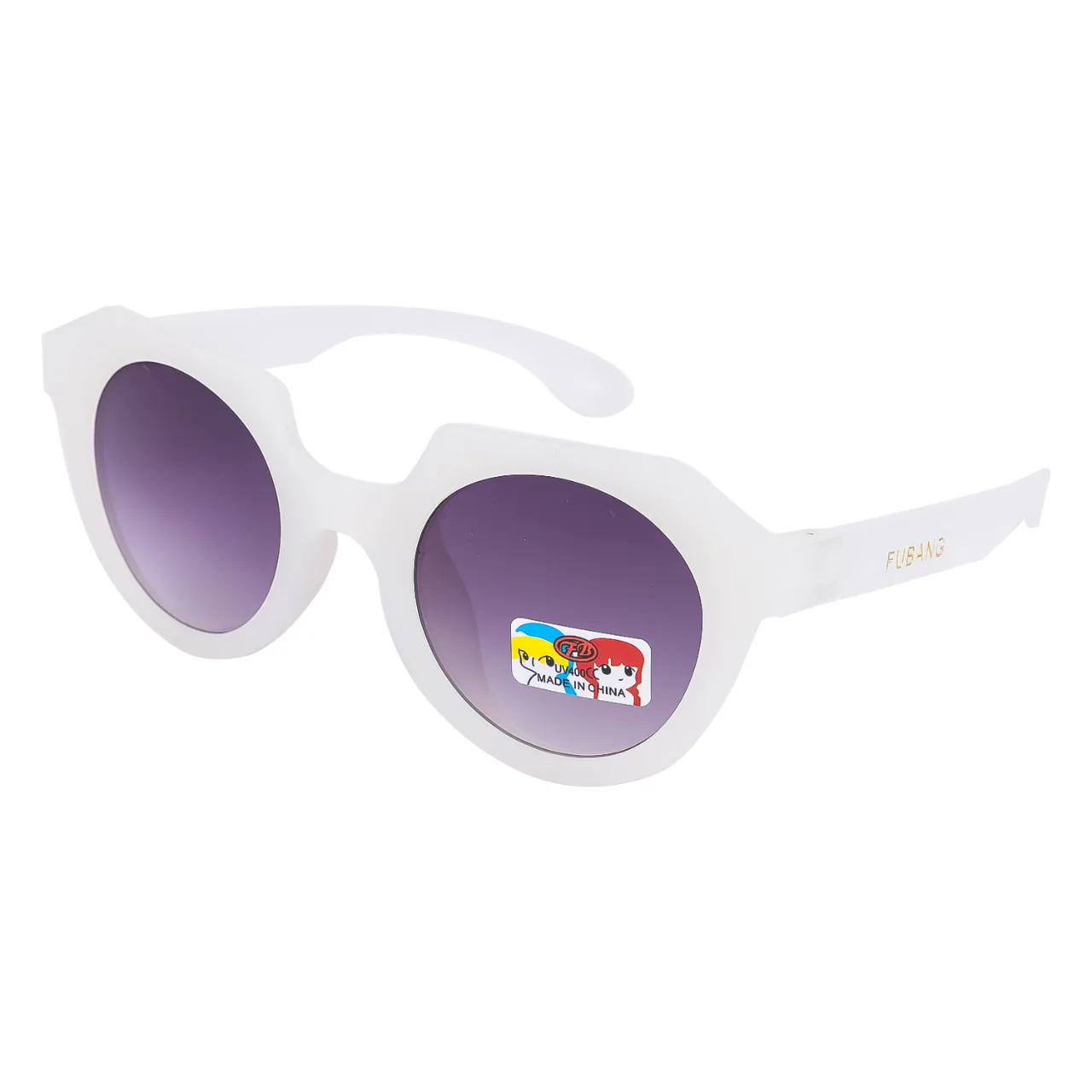


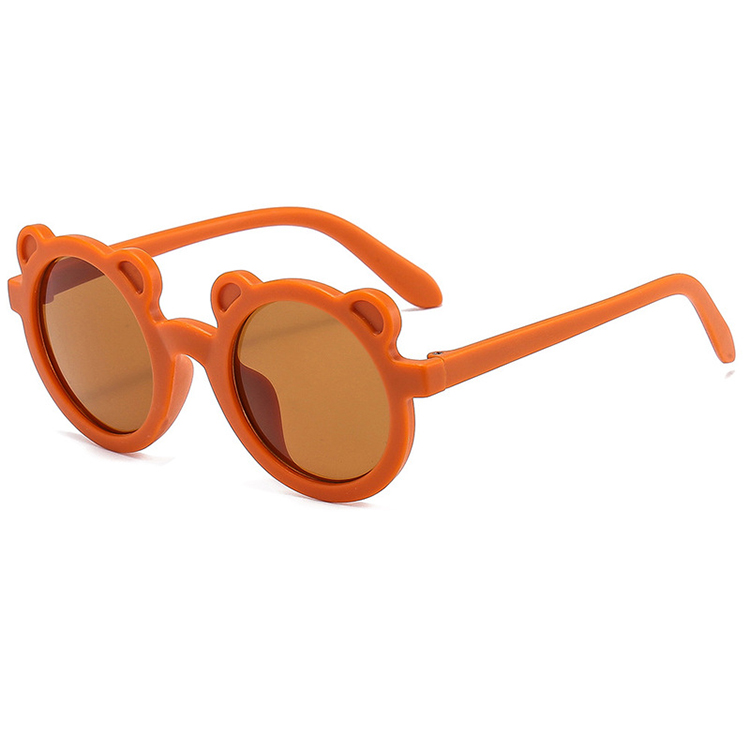


New Cat Eye out Sun Shade Glasses Children Fashion Sun Glasses Oversized Kids Sunglasses
$1.29 - $1.32
MOQ: 300 Pieces



Comprehensive Sourcing Guide
CE Kids Sunglasses Sourcing Guide
Children's eyewear procurement sits at the intersection of two demanding buyer priorities: decorative fashion appeal and genuine eye protection. The listings observed under this keyword are predominantly full-frame, single-focal designs with PC, AC, or TAC lenses, positioned for outdoor use and eye protection decoration, and offered with CE and FDA certification claims. Because young users are hard on their products, frame durability, hinge safety, and lens integrity matter as much as styling when comparing options.
This guide structures the buyer's journey around the evidence actually visible in product listings: model families such as YM1001, PS2290, SC1001, YJ2003, YJ2001, K1028, and 6152 from the CONCHEN brand, sizes in S and M, UV400 lens claims, and customization options ranging from custom logos to custom packaging. Use these observed signals to frame supplier questions rather than assuming every listed attribute applies to the specific SKU you intend to order.
Product Scope and Observed Listing Signals
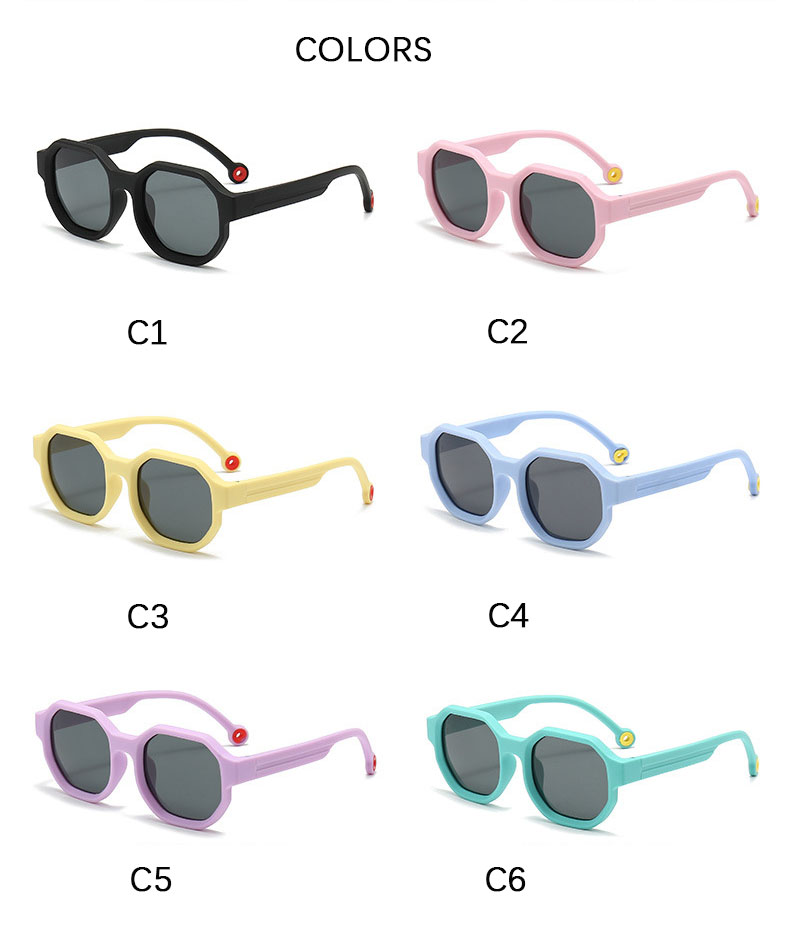
The observed listings cluster around children's fashion sunglasses with full-frame PC construction, marketed as high-end or trendy cool products for outdoor use. Lens colors extend across series labeled C1 through C6 in some listings and C1 through C10 in others, giving buyers a wide palette for seasonal collections. Sizes observed are S and M, consistent with children's fit ranges, and several listings specify unisex gender positioning, which simplifies assortment planning for retailers serving mixed-age customers.
Commercial signals are equally informative. MOQs across the observed listings range from 1 piece to 1000 pieces, suggesting a mix of stock-lot sellers and manufacturers accepting production runs, with one listing explicitly stating 60 pieces. Unit prices observed span 0.29 to 6.30 USD, a spread wide enough to reflect differences in lens material, branding depth, and packaging. Treat these figures as observations of listed offers, not guaranteed terms for your order, and confirm current quotes directly.
Technical Specifications to Verify
Start with the lens. Listings claim UV400 protection, but the material varies by model: PC, AC, and TAC lenses all appear. Each material carries different scratch resistance, optical clarity, and impact behavior, so ask suppliers to confirm which material applies to your chosen model and request the lens specification sheet. Also verify whether the UV400 claim applies to the specific tint you select, since the extended C1–C10 color ranges may involve different lens treatments across variants.
Frame specifications deserve equal scrutiny. The observed full-frame PC construction is a sensible baseline for children's products because PC is lightweight and impact-tolerant, but confirm frame thickness, hinge type, and whether the model uses metal components that could pose pinch or sharp-edge concerns. Observed packaging details give useful anchors: one listing cites 16X5X4 cm single package size with 0.070 kg gross weight, another cites 1886 cm at 0.03 kg. Use these to plan logistics and to detect size discrepancies between the S and M variants before committing to a mixed-size order.
Compliance and Safety Documentation
The listings reference CE and FDA certification, with one product citing "UV400 CE" as its certificate. Do not treat these keywords as proof of compliance for your shipment. Request the actual CE declaration of conformity and identify which directive or regulation it references, then ask for the test reports behind any UV protection claim. For children's products, buyers should verify what safety testing covers small parts, mechanical hazards, and material safety, and confirm the certificate holder's name matches the supplier you are contracting with.
FDA claims require particular care if you plan to import into the United States, since sunglasses may be treated as regulated devices depending on their claims and classification. Ask the supplier for FDA registration or listing documentation and clarify who bears responsibility for import compliance. Also confirm whether certification covers your customized version: a custom logo or custom packaging change may fall outside the scope of an existing certificate, so request written confirmation of certificate coverage for the final configured product before production begins.
Cost Drivers and Commercial Terms
The observed 0.29–6.30 USD price range reflects real cost drivers buyers should map deliberately. Lens material (PC versus AC versus TAC), color complexity across the C-series lens range, customization depth, and packaging format all move unit cost. The baseline packing of 1 piece per OPP bag is the cheapest option; buyers requesting custom packaging should expect incremental cost and confirm whether printing plates or setup fees apply. Certification-related costs, if a new configuration requires fresh testing, are another lever to clarify upfront.
MOQ structure shapes the commercial deal as much as price. The observed 1-to-1000-piece range signals very different seller types: low-MOQ listings suit market testing but often mean stock configurations with limited customization, while the stated 60-piece MOQ listing suggests small-batch production capacity. Negotiate price tiers against your realistic annual volume rather than a single order, and confirm whether quoted prices include packaging, labels, and export documentation. One listing confirms OEM acceptance and custom logo work, which indicates room to negotiate branding terms even at moderate volumes.
Supplier Qualification and Quality Control
Qualify suppliers against the specific claims in their listings rather than generic trade assurances. The observed origin data points to Zhejiang, China, a recognized eyewear production region, but location alone does not predict quality. Ask each shortlisted supplier for their production capability evidence: whether they hold their own tooling, whether they provide mould making and sample making services (as one listing explicitly states), and how they control lens UV coating consistency across production batches. A supplier offering sample making demonstrates the capacity to iterate on your design.
Build a pre-shipment quality control plan around children's eyewear failure modes. Inspect lens optical quality for distortion, verify UV coating on a sample basis with a transmission tester, check hinge function after repeated cycling, and examine frame surfaces for burrs or molding defects. For the S and M size range, verify that sizing is consistent between production runs, since children's fit tolerances are narrow. Define acceptance criteria in writing before deposit payment, and align the inspection standard with your market's requirements rather than relying on the supplier's internal judgment.
Long-Term Procurement Checks
Long-term value in this category comes from configuration continuity and responsive customization. Listings offering OEM/ODM acceptance, custom logos, custom packaging, and sample making indicate suppliers able to grow with a brand program. Before committing to multi-season orders, confirm how the supplier manages model continuity: whether SKUs like YM1001, K1028, or 6152 remain stable in tooling and materials across reorder cycles, and how they notify buyers of material substitutions that could affect compliance certificates or lens performance claims.
Institutionalize periodic re-verification rather than relying on initial certification. Ask whether CE and FDA documentation is refreshed when lens materials or frame designs change, and request updated test reports at agreed intervals or upon specification changes. Track per-model data such as the observed single gross weight of 0.070 kg and package dimensions to detect drift in materials or packaging over time. Finally, maintain your own reference samples of approved production and compare each new shipment against them, so that customization changes, color shifts across the C-series range, or supplier-side cost substitutions are caught before goods reach your customers.
FAQs
What certifications should CE Kids Sunglasses have before import?
CE marking and FDA registration are the certifications listed for these kids sunglasses, alongside UV400 lens claims. Buyers should request certificate copies matching the exact model, such as YM1001 or K1028, and confirm they cover the children's category. Verify the issuing body and validity dates before placing orders, since certificate scope can differ between product families.
Can I customize the logo and packaging on CE Kids Sunglasses?
Yes, custom logo and custom packaging are available, and OEM or ODM cooperation is accepted. Frame colors can be customized, lens colors range from C1 through C10 depending on the model, and sample or mould making services are offered. Confirm logo printing method, packaging format like 1PC per OPP bag, and any extra costs with the factory before mass production.
What is the minimum order quantity for CE Kids Sunglasses?
The listed MOQ starts at 60 pieces for some models, while other listings in this category range from 1 to 1000 pieces depending on stock and customization level. Lower quantities usually apply to ready-made designs, whereas custom colors, logos, or packaging typically require higher volumes. Ask suppliers for model-specific MOQ terms before requesting quotes.
How are CE Kids Sunglasses packed and what are the carton dimensions?
Packing is typically 1PC per OPP bag as the listed standard, with one model packaged at 18x8x6cm per unit and another at 16x5x4cm. Single gross weight is about 0.070kg per item for one listed model. Carton quantities and gross weight per carton vary, so confirm final export carton details with the supplier for accurate shipping calculations.
What frame and lens materials are used in CE Kids Sunglasses?
Frames are made of PC plastic in a full-frame design, and lens materials include AC and TAC depending on the model. Lenses are UV400 rated for eye protection, and some models are single-focal light-colored fashion sunglasses. Sizes come in S and M for children, and material choices can affect price, durability, and optical clarity, so specify preferences when requesting quotations.
Which sizes are available for CE Kids Sunglasses?
Listed sizes include S and M, both designed for children with a unisex fit. Model numbers such as YM1001, PS2290, SC1001, YJ2003, YJ2001, and 6152 correspond to different designs within the category. Because children's head widths vary, ask suppliers for detailed frame measurements including lens width, temple length, and total width before selecting a size.
How much do CE Kids Sunglasses cost per unit?
Observed listed prices in this category range from about 0.29 to 6.3 USD per piece, reflecting differences in materials, lenses, customization, and order quantity. Basic PC frames with AC lenses sit at the lower end, while TAC lenses or custom packaging raise costs. Request quotations against your exact specification, MOQ, and logo requirements for accurate pricing.
Where are CE Kids Sunglasses produced and can samples be provided?
Production is based in Zhejiang, China, according to the listed origin details, and sample making services are provided, including mould making for new designs. Samples let buyers verify UV400 lens quality, PC frame comfort, and CE or FDA documentation before committing. Confirm sample cost, sample lead time, and whether sample fees are deductible from bulk orders.