Source CE Non-Tilted Prosthetic Vacuum Tube for Rehabilitation
Find and compare 21 CE Non-Tilted Prosthetic Vacuum Tube options for joint rehabilitation and orthotic forming. Review stainless steel and aluminum models with manual operation, varying weights, and customization services to meet specific clinical needs; compare the available evidence and request quotations based on your requirements.
Key considerations
Products List


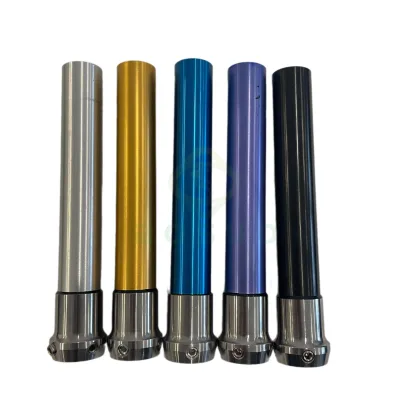
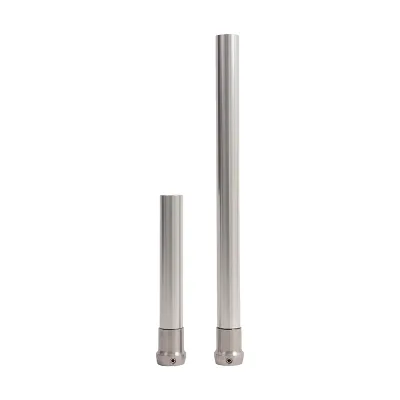
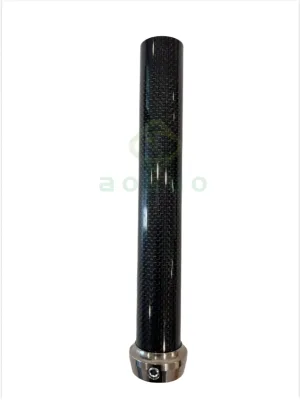


Silicone Suction Tube with Reservoir
$2.50 - $4.00
MOQ: 1000 Pieces
Sainty International Group Jiangsu Yangzhou Sumex Imp. & Exp. Co., Ltd.
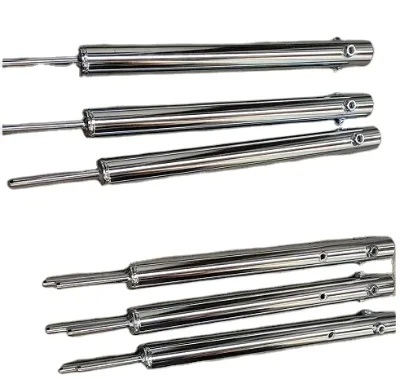
Comprehensive Sourcing Guide
CE Non-Tilted Prosthetic Vacuum Tube Sourcing Guide
Procuring a CE non-tilted prosthetic vacuum tube requires careful attention to the specific mechanical constraints of the device, particularly regarding its fixed orientation and lack of folding mechanisms. The observed product data indicates that these units are designed for indoor and outdoor use, suggesting a robust build capable of withstanding varied environmental conditions without structural compromise. Buyers must verify that the "non-tilted" and "non-folding" attributes align with the specific rehabilitation needs of the end-user, as these features dictate the stability and range of motion available during therapy or daily ambulation.
The supply chain for these components often originates from manufacturing hubs in China, with specific models like FVTD and VTC appearing in current listings. When evaluating potential suppliers, it is critical to distinguish between products labeled as "new" and those that may have been refurbished, as the condition directly impacts the safety and longevity of the prosthetic interface. The presence of CE and ISO certifications in the observed data provides a baseline for regulatory compliance, yet buyers should confirm that these certifications apply specifically to the vacuum tube model being purchased rather than the broader product line.
Product Scope and Observed Listing Signals
The market for prosthetic vacuum tubes presents a wide range of specifications, with observed weights varying significantly from 200 grams to 18 kilograms depending on the model and intended load capacity. Listings frequently highlight materials such as stainless steel and aluminum, which offer different balances between durability and weight reduction for the user. Buyers should scrutinize the "load weight" attribute, as some units are rated for 100kg while others may have different limits, ensuring the selected tube can safely support the patient's specific physical requirements without risk of failure.
Product dimensions also vary considerably, with standard package sizes ranging from 10x10x5 cm to 45x20x10 cm, reflecting differences in tube length and integration complexity. The "200mm/400mm integrate tube" and similar models suggest that length customization is a key factor in the procurement process. Since the "customized" attribute appears in conflicting forms (both "Available" and "Non-Customized"), buyers must explicitly clarify whether the supplier offers bespoke dimensions or only standard off-the-shelf options to avoid mismatches in the final assembly of the prosthetic limb.
Technical Specifications to Verify
Technical verification must begin with the material composition, as the choice between stainless steel and titanium alloys directly influences the biocompatibility and corrosion resistance of the vacuum tube. The observed data lists "Ss/Ti" as a material option, requiring buyers to confirm the exact alloy grade to ensure it meets the stringent requirements for medical devices used in direct contact with the human body. Additionally, the "instrument classification" of Class I suggests these are lower-risk devices, but the specific mechanical properties of the chosen material must still be validated against the intended clinical application.
The structural integrity of the tube is further defined by its power supply mechanism, which is consistently listed as "manual" in the available data. This implies that the vacuum system relies on manual operation rather than automated pumps, a critical detail for users who may have limited dexterity or strength. Buyers should also verify the "prosthetic adapter" compatibility, ensuring that the tube integrates seamlessly with existing prosthetic components and that the "joint" application site is compatible with the fixed, non-tilted design of the device.
Compliance and Safety Documentation
Regulatory compliance is paramount when sourcing medical devices, and the presence of CE and ISO certifications in the product listings serves as a primary indicator of adherence to international safety standards. However, the observed data also mentions FDA and ISOCE certifications for certain models, necessitating a thorough review of the specific documentation provided by the supplier to confirm which regulatory bodies have approved the specific vacuum tube model. Buyers should request the full technical file to ensure that the certification covers the exact configuration, including the non-tilted design and specific material composition.
Safety documentation must also address the warranty and after-sales support, as these factors are crucial for long-term reliability in a rehabilitation setting. The observed "1 year" warranty and "online technical support" services provide a baseline for post-purchase assistance, but buyers should verify the scope of these services to ensure they cover potential defects in the vacuum mechanism or structural failures. It is essential to confirm that the supplier can provide valid proof of these certifications and support services before finalizing any procurement agreement.
Cost Drivers and Commercial Terms
The pricing for prosthetic vacuum tubes is influenced by a complex mix of factors, including material costs, customization levels, and the specific certification requirements of the target market. The observed price range of 0.3 to 999 USD reflects the diversity of products available, from basic components to fully integrated systems with advanced features. Buyers must carefully analyze the cost structure to understand whether the lower price points correspond to standard, non-customized models or if they include hidden costs related to shipping, tariffs, or additional compliance testing.
Commercial terms such as Minimum Order Quantity (MOQ) and lead times are equally critical in the procurement strategy, with observed MOQs ranging from 1 to 1000 units. The flexibility of the MOQ can significantly impact the total cost of ownership, especially for smaller rehabilitation centers or individual practitioners who may not require bulk quantities. Buyers should negotiate clear terms regarding payment schedules, shipping responsibilities, and the handling of defective units to ensure a smooth transaction and minimize financial risk.
Supplier Qualification and Quality Control
Supplier qualification involves a rigorous assessment of the manufacturer's capabilities, particularly their ability to deliver consistent quality for medical-grade prosthetic components. The observed data indicates that many suppliers offer ODM and OEM services, suggesting a high degree of flexibility in production, but buyers must verify the supplier's track record in producing devices that meet the specific "non-tilted" and "non-folding" design constraints. It is advisable to request samples and conduct independent testing to validate the product's performance before committing to a larger order.
Quality control processes should be transparent and documented, with a focus on the manufacturing standards used to produce the vacuum tubes. The "Carton" packing method observed in the listings is a basic indicator of logistics, but buyers should inquire about the internal packaging and protective measures used to prevent damage during transit. Ensuring that the supplier adheres to strict quality control protocols is essential to maintain the integrity of the prosthetic device and to prevent potential safety issues for the end-user.
Long-Term Procurement Checks
Long-term procurement success depends on establishing a reliable supply chain that can consistently meet the evolving needs of rehabilitation centers and individual patients. Buyers should implement a system for regular performance reviews of the vacuum tubes, monitoring for any signs of wear, material degradation, or functional issues that may arise over time. This proactive approach helps in identifying potential problems early and allows for timely interventions to ensure the continued safety and efficacy of the prosthetic devices.
Building a strong relationship with the supplier is also vital for long-term procurement, as it facilitates better communication and faster resolution of any issues that may arise. Buyers should maintain open lines of communication regarding updates in technology, changes in regulatory requirements, and potential improvements in product design. By fostering a collaborative partnership, buyers can ensure a steady supply of high-quality prosthetic vacuum tubes that meet the highest standards of care and performance.
FAQs
What materials are used for ce non tilted prosthetic vacuum tubes?
These tubes are typically manufactured from stainless steel or titanium alloys to ensure durability and biocompatibility. Some variants may also utilize aluminum for specific lightweight applications. The choice of material depends on the required load-bearing capacity and the specific design needs of the prosthetic leg integration.
Can I get customized ce non tilted prosthetic vacuum tubes?
Yes, customization is available for these prosthetic components. Manufacturers often offer OEM and ODM services to tailor the product to specific requirements. Buyers can request adjustments to dimensions, such as the 200mm or 400mm lengths, and specific material selections to meet precise clinical or engineering specifications.
What certifications do these prosthetic vacuum tubes have?
These products generally hold CE and ISO certifications, ensuring compliance with international safety and quality standards. Some listings may also reference FDA or ISOCE approvals. These certifications verify that the manufacturing processes and final products meet the rigorous requirements for medical device components used in rehabilitation and orthotics.
What is the typical weight of a CE Non-Tilted Prosthetic Vacuum Tube?
The weight varies significantly based on the model and material. Some lightweight components weigh around 200 grams, while larger structural tubes or complete assemblies can weigh up to 18 kilograms. Buyers should check the specific product specifications for the exact weight of the desired model to ensure proper fit and handling.
Where are these prosthetic vacuum tubes manufactured?
These products are primarily manufactured in China, with specific origins noted in regions like Hebei. The manufacturing facilities are equipped to handle both standard and customized orders. Buyers can expect products to be packed in cartons and shipped with appropriate documentation to support international trade and regulatory compliance.
What is the minimum order quantity for these tubes?
The minimum order quantity typically ranges from 1 to 1000 units, depending on the supplier and product type. This flexibility allows buyers to order samples for testing or place larger bulk orders for production. It is advisable to confirm the specific MOQ with the supplier before finalizing the purchase agreement.