Source Ceramic Vacuum Disc Filter for mining, chemical, and wastewater
Find 30 listings for the Ceramic Vacuum Disc Filter designed for solid-liquid separation in mining, chemical processing, and wastewater treatment. Buyers can compare specifications, certifications, and pricing from verified Chinese manufacturers.
Key considerations
Products List
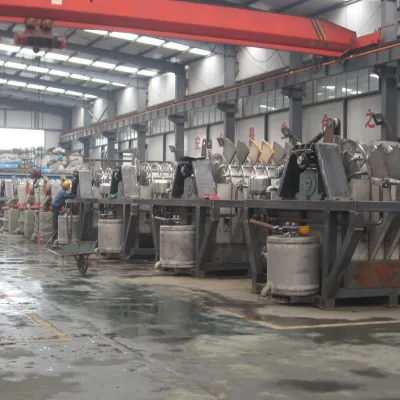
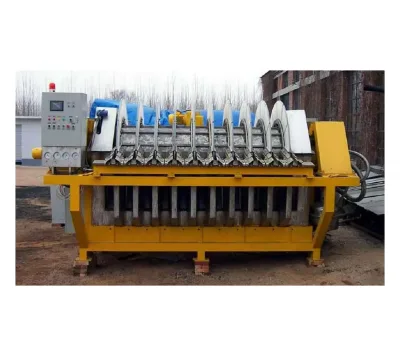
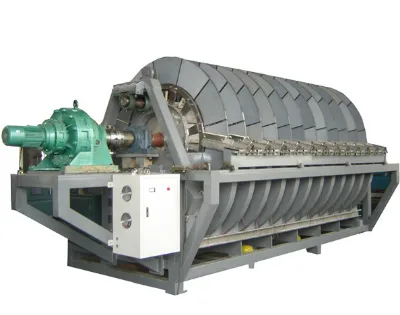
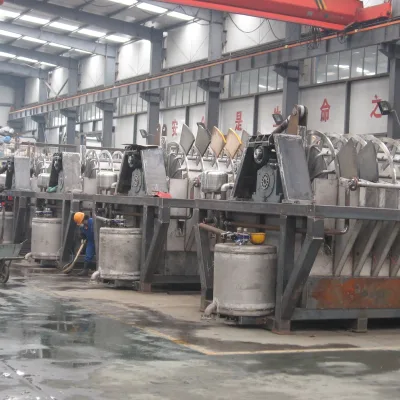


Tc Cooper Concentrate Concentrate Series Precision Disc Ceramics Vacuum Filter
$20000.00 - $500000.00
MOQ: 1 Sets


Vacuum Ceramic Disc Filter, Ceramic Filter for Ore Pulp Dehydration
$20000.00 - $1000000.00
MOQ: 1 Pieces


Comprehensive Sourcing Guide
Strategic Sourcing Guide for Ceramic Vacuum Disc Filters
The global mining and mineral processing sectors rely heavily on efficient solid-liquid separation technologies to optimize tailings management and concentrate recovery. Among the available technologies, the Ceramic Vacuum Disc Filter has emerged as a critical asset for operations demanding high dewatering efficiency and low moisture content in final products. This guide provides a comprehensive, evidence-based framework for procurement professionals evaluating ceramic vacuum disc filters, specifically focusing on the TC rotary sludge vacuum ceramic filter and its variants. By adhering to strict sourcing protocols and verifying supplier claims against established technical parameters, buyers can mitigate risk and ensure long-term operational stability.
Technical Specifications and Operational Architecture
Understanding the mechanical architecture of a Ceramic Vacuum Disc Filter is the first step in defining procurement requirements. These units are fundamentally designed as vacuum filters that utilize a rotary drum or disc mechanism to facilitate continuous solid-liquid separation. The core component is the ceramic filter plate, which offers superior porosity and chemical resistance compared to traditional metal or polymer screens. Based on observed product attributes, the structural design often incorporates a vacuum filter configuration where the rotation allows for distinct zones of filtration, washing, and cake discharge.
The material composition of the unit is a primary determinant of its durability and suitability for specific slurry types. Available configurations frequently utilize a combination of carbon steel and stainless steel (SS) for the structural frame and rotating components. This hybrid approach balances cost-efficiency with corrosion resistance, particularly in acidic or alkaline environments common in mining applications. Some specifications highlight the use of stainless steel as a primary material feature, while others note the inclusion of carbon steel for structural integrity. Buyers must verify the specific alloy grades used in the contact zones to ensure compatibility with their process slurry.
Key operational specifications observed in the market include a wide range of customization options. The size of the filter is often listed as "Customized," indicating that the surface area and disc diameter are tailored to the throughput requirements of the specific mine or processing plant. The single package dimensions vary, with observed records showing sizes such as 60x60x60 cm and 60x90x30 cm, reflecting the modular nature of the shipping and assembly process. The weight of the units is substantial, with observed values ranging from 20,000 kg to 300,000 kg depending on the scale of the model, necessitating careful logistical planning for site delivery and installation.
Control systems for these filters are typically automated, allowing for precise management of the vacuum levels, rotation speeds, and wash water cycles. This automation is essential for maintaining consistent cake moisture levels and maximizing filtration efficiency. The product description often refers to the unit as a "TC rotary sludge vacuum ceramic filter," suggesting a specific model lineage (TC) that may include variants like TC1 or TC-150. The application is explicitly defined as solid-liquid separation, making these units suitable for dewatering mineral concentrates, tailings, and industrial sludges.
Compliance, Certification, and Safety Standards
In the B2B industrial equipment market, compliance with international standards is non-negotiable. When sourcing ceramic vacuum disc filters, buyers must rigorously verify the certification status of the supplier and the equipment. The supply chain data indicates that reputable manufacturers often provide products with CE (Conformité Européenne) and ISO 9001 certifications. The CE mark signifies that the product meets EU safety, health, and environmental requirements, which is a critical benchmark for machinery exported to European markets. ISO 9001 certification confirms that the manufacturer operates under a quality management system that ensures consistent product quality.
Furthermore, environmental management is increasingly a priority for mining operations. Some product listings reference ISO 14001, an international standard for environmental management systems. This certification suggests that the manufacturer has implemented processes to minimize environmental impact during production, which aligns with the sustainability goals of modern mining enterprises. Buyers should request valid certification documents directly from the supplier and verify their authenticity through the issuing bodies.
Safety and operational standards are also embedded in the product design. The equipment is described as "New" and designed for "Energy Saving" applications, which implies adherence to modern efficiency standards. The material features often include fire-resistant properties, a crucial safety attribute for equipment operating in industrial environments where sparks or high temperatures may occur. While specific numerical standards for pressure or flow rates are not universally fixed in the general product descriptions, buyers must ensure that the equipment meets the specific safety regulations of their local jurisdiction, such as OSHA in the United States or equivalent bodies in other regions.
Cost Drivers and Financial Considerations
The total cost of ownership (TCO) for a Ceramic Vacuum Disc Filter extends far beyond the initial purchase price. The observed price range in the market is extremely broad, spanning from 1 USD to 1,000,000 USD. This variance is not indicative of a single product type but rather reflects the massive differences in scale, customization, and capacity. A small laboratory-scale unit will cost significantly less than a full-scale industrial unit designed for a major mining operation.
Several factors drive the cost of these filters. The primary driver is the customization of the size and capacity. Since the "Size" and "Capacity" are listed as "Customized," the engineering and manufacturing effort required to build a unit to specific dimensions directly impacts the price. The material selection is another significant cost factor; units constructed primarily with high-grade stainless steel will command a higher price than those using carbon steel with stainless steel linings. The weight of the unit, ranging from 20,000 kg to 300,000 kg, also influences shipping and installation costs, which are often separate from the product price.
Payment terms are a critical component of the financial agreement. Standard industry practices for such heavy machinery include Letter of Credit (L/C) or Telegraphic Transfer (T/T). These terms protect both the buyer and the seller by ensuring that payment is made only upon fulfillment of specific milestones or delivery conditions. Buyers should negotiate payment schedules that align with project milestones, such as a deposit upon order confirmation, progress payments during manufacturing, and a final payment upon successful commissioning.
The lead time for delivery is another financial consideration. Observed data suggests a delivery time of approximately two months. However, for highly customized units, this timeline may extend. Buyers must factor in this lead time when planning their project schedules to avoid operational delays. Additionally, the "Single package size" and "Single gross weight" data provided in listings are essential for calculating freight costs, which can be substantial for oversized industrial equipment.
Typical Applications and Performance Parameters
Ceramic vacuum disc filters are engineered for specific industrial applications where high-efficiency dewatering is required. The primary application is solid-liquid separation in the mining industry. These filters are particularly effective for processing mineral slurries with varying densities. Observed specifications indicate a slurry density range of 30-40%, which is typical for many concentrate and tailings streams. The filter's ability to handle this density while producing a dry cake is a key performance metric.
The filtration mechanism relies on the specific properties of the ceramic screen material. The screen mesh size is a critical parameter, with observed ranges of 0.1-5mm. This range allows the filter to capture fine particles while maintaining high flow rates. The screen material itself can be Polyurethane (PU) or Stainless Steel, offering flexibility based on the abrasiveness of the slurry. For highly abrasive materials, stainless steel screens offer superior longevity, while PU screens may be preferred for their flexibility and resistance to certain chemical attacks.
The feeding size is another important operational parameter. The maximum feeding size is observed to be 5mm, which dictates the pre-treatment requirements of the slurry. If the feed material contains larger particles, a pre-screening or crushing stage may be necessary before the slurry enters the filter. The screen layer configuration can vary from one to three layers, allowing for multi-stage filtration if required by the process. This adaptability makes the Ceramic Vacuum Disc Filter suitable for a wide range of mineral processing scenarios, from coal washing to metal ore dewatering.
Supplier Evaluation and Verification Protocols
Selecting the right supplier is as critical as selecting the right equipment. The supply chain data identifies "Toncin" as a brand name associated with these products, with a place of origin in Shandong, China. While this provides a starting point for research, buyers should not limit their search to a single brand. Instead, they should evaluate suppliers based on a comprehensive set of criteria.
First, verify the supplier's location and manufacturing capabilities. The "Place of Origin" is listed as Shandong, China, a region known for its heavy machinery manufacturing. Buyers should confirm that the supplier has a physical manufacturing facility in this location and can provide proof of ownership or lease. Second, assess the supplier's after-sales service capabilities. The data indicates that an "Overseas service center available," which is a vital asset for international buyers. This service center should be capable of providing technical support, spare parts, and on-site maintenance to minimize downtime.
Third, evaluate the supplier's customization and OEM (Original Equipment Manufacturer) capabilities. The product attributes confirm that "OEM: Yes" and "Customization: Available." This means the supplier can tailor the filter to specific process requirements. Buyers should request case studies or references from previous clients who have received customized units to verify the supplier's ability to deliver on these promises. Finally, check the warranty terms. A standard warranty of 1 Year is observed, but buyers should negotiate terms that cover critical components like the ceramic discs and vacuum pumps for a longer period if possible.
Quality Control and Long-Term Procurement Strategy
Implementing a robust quality control (QC) strategy is essential to ensure that the delivered equipment meets the specified performance standards. Buyers should establish a clear QC protocol that includes factory acceptance testing (FAT) before shipment. This testing should verify the mechanical integrity of the unit, the performance of the vacuum system, and the quality of the ceramic discs. The "Condition: New" attribute confirms that the units are not refurbished, but buyers must still verify the manufacturing date and storage conditions to prevent degradation of materials during transit.
Long-term procurement considerations extend beyond the initial purchase. The "Life" of the equipment is a critical factor, with observed claims of "more than 30 years" for the overall system. However, the lifespan of the ceramic discs themselves may be shorter and subject to wear and tear. Buyers should negotiate a long-term supply agreement for spare parts, particularly the ceramic discs and screen meshes, to ensure consistent performance over the life of the plant. The "prod_packing" of "Seaworthy Package" or "Wooden Cases or Plastic Membrane" is essential for protecting the equipment during international shipping, and buyers should verify that the packaging meets the specific requirements of their logistics partners.
The "Energy Saving" attribute suggests that these filters are designed to reduce operational costs over time. Buyers should request energy consumption data from the supplier to validate these claims and compare them against alternative technologies. Additionally, the "Automatic" control system should be evaluated for its ease of use and integration with existing plant control systems. A well-integrated control system can significantly reduce labor costs and improve operational efficiency.
In conclusion, sourcing a Ceramic Vacuum Disc Filter requires a meticulous approach that balances technical specifications, compliance requirements, and financial considerations. By leveraging the observed data on certifications, materials, and customization options, buyers can make informed decisions that align with their operational goals. The key to success lies in thorough supplier evaluation, rigorous quality control, and a strategic focus on long-term value rather than just the initial purchase price.
| Feature Category | Observed Specification | Verification Requirement |
|---|---|---|
| Certification | CE, ISO 9001, ISO 14001 | Request valid certificates; verify issuing body. |
| Material | Carbon Steel, Stainless Steel, PU | Confirm alloy grades and screen material suitability. |
| Capacity | Customized | Define specific throughput and slurry density needs. |
| Warranty | 1 Year | Negotiate extended coverage for critical components. |
| Lead Time | 2 Months | Confirm timeline for customized units and shipping. |
| Control | Automatic | Verify integration with existing plant control systems. |
| Origin | Shandong, China | Confirm manufacturing facility location and ownership. |
| After-Sales | Overseas Service Center | Verify location and capability of service center. |
By adhering to these guidelines, procurement professionals can navigate the complexities of the Ceramic Vacuum Disc Filter market, ensuring the acquisition of high-quality, reliable equipment that supports their mining and processing operations for decades to come.
FAQs
What certifications do ceramic vacuum disc filters typically have?
These units typically carry CE and ISO 9001 certifications, with some models also holding ISO 14001. These marks confirm compliance with safety and quality management standards required for international industrial machinery exports.
How long is the delivery time for a customized filter?
The standard delivery time is approximately two months for customized units. This lead time accounts for manufacturing and packaging, though complex customizations may require additional scheduling coordination with the supplier.
Which payment terms are standard for this equipment?
Standard payment terms include Letter of Credit or Telegraphic Transfer. These methods protect both parties by ensuring payment aligns with specific milestones or delivery conditions for heavy industrial machinery transactions.
Can the filter size be customized for specific mining needs?
Yes, the size and capacity are fully customized to meet specific throughput requirements. Buyers can request tailored dimensions and surface areas to ensure the unit fits their unique operational constraints and slurry density.
What materials are used to construct the filter frame?
The frame is constructed from carbon steel and stainless steel to balance cost and corrosion resistance. This hybrid material selection ensures durability in acidic or alkaline environments common in mining applications.
What is the warranty period for the ceramic vacuum filter?
The standard warranty period provided is one year for the equipment. This coverage ensures protection against manufacturing defects, though buyers should verify specific terms for critical components like ceramic discs.
How does the filter handle solid-liquid separation in mining?
The unit uses a rotary vacuum mechanism to separate solids from liquids efficiently. It is designed to handle slurry densities between 30-40% and produces a dry cake suitable for tailings management or concentrate recovery.