Source Ceramic Tea Pot Infuser for Brewing, Serving, and Gifting
Explore 30 verified listings for a Ceramic Tea Pot Infuser suitable for home brewing, commercial serving, and corporate gifting. Buyers can compare certifications like FDA and LFGB, MOQs, and delivery times to find the right supplier for their needs; compare the available evidence and request quotations based on your requirements.
Key considerations
Products List


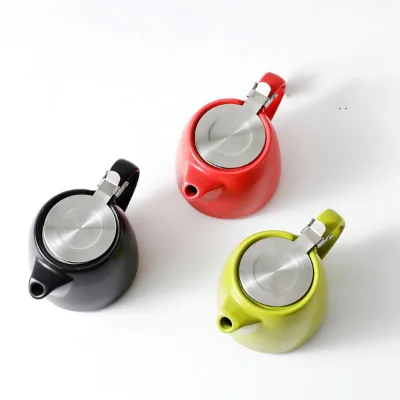
Red Glazed Ceramic Tea Pot with Infuser/Ceramic Pot with Stainless Infuser
$1.50 - $4.20
MOQ: 1000 Pieces






Comprehensive Sourcing Guide
Ceramic Tea Pot Infuser Sourcing Guide
Sourcing ceramic tea pots with integrated infusers requires a careful balance of aesthetic appeal, functional design, and rigorous quality assurance. Buyers must navigate a market where customization options range from standard unicolor designs to complex, multi-colored elephant-shaped teapots, each demanding specific production tolerances. The core challenge lies in verifying that the ceramic body maintains structural integrity under high firing temperatures while ensuring the infuser mechanism does not compromise the vessel’s seal or durability. This guide provides a structured approach to evaluating suppliers, interpreting technical specifications, and managing commercial risks associated with these specialized kitchenware items.
Procurement teams should prioritize suppliers who demonstrate clear capabilities in both OEM and ODM services, as this indicates flexibility in meeting unique brand requirements. The observed market signals suggest a wide variance in product models, from the JN0246 to the AY00678, each with distinct characteristics such as glazed surfaces or specific decorative features. Understanding these variations is crucial for aligning product selection with target market preferences, whether the goal is classic elegance or playful, colorful designs. By focusing on verified supplier competencies rather than superficial listings, buyers can secure reliable partners who deliver consistent quality and adhere to strict safety standards.
Product Scope and Observed Listing Signals
The current market landscape for ceramic tea pots reveals a diverse array of product attributes, including material composition, surface finishes, and decorative styles. Listings frequently highlight features such as eco-friendly materials, easy cleaning properties, and durable construction, which are critical for consumer satisfaction. The observed product range includes items with specific models like J0074 and JF0249, each offering unique combinations of color options, from multicolor to unicolor, and specialized designs such as elephant-shaped teapots. These variations cater to different consumer segments, from those seeking traditional kitchenware to buyers looking for decorative pieces that double as functional items.
Suppliers often emphasize their ability to provide customized packaging and logo printing, which is essential for brand differentiation in competitive markets. The presence of terms like "Normal Safe Packing" and "Customized Boxes" indicates a readiness to handle various logistical requirements, ensuring product protection during transit. Additionally, the mention of specific firing temperatures, such as 1280 degrees, suggests a focus on high-quality ceramic production techniques that enhance durability and heat resistance. Buyers should carefully review these signals to assess whether a supplier’s offerings align with their specific quality and branding needs, ensuring that the final product meets both functional and aesthetic expectations.
Technical Specifications to Verify
When evaluating ceramic tea pots, verifying the firing temperature is crucial, as it directly impacts the density, durability, and water absorption rate of the ceramic body. High firing temperatures, such as those observed at 1280 degrees, typically result in a more vitrified and less porous product, which is essential for maintaining hygiene and preventing odor retention. Buyers should request detailed technical data sheets that confirm the specific firing process used by the supplier, ensuring that the ceramic material meets the required standards for food contact and thermal shock resistance. This verification step is vital for preventing product failures in real-world usage scenarios, such as cracking or chipping during temperature changes.
The surface finish and glazing process are another critical area of verification, as they affect both the aesthetic appeal and the ease of cleaning. Listings often mention glazed surfaces and features like "Easy Cleaning," which are desirable for consumer convenience. However, buyers must ensure that the glaze is lead-free and compliant with relevant safety standards to prevent chemical leaching. Additionally, the integration of the infuser mechanism should be examined for stability and ease of use, ensuring that it does not interfere with the pouring function or compromise the structural integrity of the teapot. Confirming these technical details helps mitigate risks associated with product performance and user safety.
Compliance and Safety Documentation
Compliance with international safety standards is non-negotiable for ceramic tea pots intended for global markets. Buyers must verify that suppliers hold valid certifications such as FDA, LFGB, CE/EU, and CIQ, which attest to the product’s safety for food contact. These certifications ensure that the ceramic materials and glazes used do not contain harmful levels of lead or cadmium, which can leach into beverages, especially when exposed to heat. The presence of SGS and Prop65 compliance further indicates adherence to rigorous testing protocols, providing an additional layer of assurance for buyers concerned with product safety and regulatory compliance.
In addition to product-specific certifications, buyers should request test reports from accredited laboratories to validate the supplier’s claims. These reports should cover migration tests for heavy metals and other contaminants, ensuring that the final product meets the strict requirements of target markets. It is also important to verify that the supplier’s quality management systems are robust and capable of maintaining consistent compliance across production batches. By prioritizing suppliers with comprehensive and verifiable compliance documentation, buyers can protect their brands from potential legal liabilities and reputational damage associated with non-compliant products.
Cost Drivers and Commercial Terms
The cost of ceramic tea pots is influenced by several factors, including material quality, design complexity, and customization requirements. Products with intricate designs, such as elephant-shaped teapots or multicolor finishes, typically command higher prices due to the additional labor and precision required in their production. Buyers should also consider the impact of packaging choices on overall costs, as customized boxes and specialized packing methods can increase expenses. Understanding these cost drivers allows buyers to make informed decisions about where to allocate their budget, balancing aesthetic preferences with financial constraints.
Commercial terms, such as MOQ and lead times, play a significant role in procurement planning. Observed MOQs often start at 1000 pieces, which may be a barrier for smaller buyers or those testing new markets. Lead times can vary significantly, with some suppliers offering 30-day production times and others requiring 40-50 days after sample confirmation. Buyers should negotiate clear terms regarding sample times, which are typically around 15 days, and establish realistic expectations for delivery schedules. By understanding these commercial dynamics, buyers can better manage their inventory and cash flow, ensuring a smooth procurement process.
Supplier Qualification and Quality Control
Supplier qualification is a critical step in ensuring the reliability and consistency of ceramic tea pot supplies. Buyers should conduct thorough due diligence to assess the supplier’s manufacturing capabilities, quality control processes, and track record. This includes verifying the supplier’s ability to handle both OEM and ODM orders, as well as their capacity to produce customized designs and packaging. Suppliers with a history of successful exports and positive client feedback are generally more reliable, as they have demonstrated their ability to meet international standards and customer expectations.
Quality control measures should be implemented at every stage of production, from raw material inspection to final product testing. Buyers should request detailed QC plans that outline the specific checks and balances in place to ensure product consistency. This may include visual inspections for defects, dimensional checks, and functional tests for the infuser mechanism. Additionally, buyers should consider hiring third-party inspection services to conduct pre-shipment inspections, providing an independent verification of product quality and compliance. By establishing robust quality control protocols, buyers can minimize the risk of receiving defective or non-compliant products, ensuring customer satisfaction and brand integrity.
Long-Term Procurement Checks
Long-term procurement success depends on establishing strong, collaborative relationships with suppliers who can adapt to changing market demands and regulatory requirements. Buyers should regularly review supplier performance metrics, including on-time delivery rates, product quality consistency, and responsiveness to issues. This ongoing evaluation helps identify potential risks and opportunities for improvement, allowing buyers to address problems proactively rather than reactively. Maintaining open communication channels with suppliers fosters trust and encourages continuous improvement, leading to better product outcomes and more favorable commercial terms over time.
As regulations and consumer preferences evolve, buyers must stay informed about emerging trends and compliance requirements in the ceramic tableware industry. This includes monitoring changes in safety standards, sustainability expectations, and design trends that may impact product development. By staying ahead of these changes, buyers can ensure that their product offerings remain relevant and competitive in the market. Additionally, buyers should consider diversifying their supplier base to mitigate risks associated with single-source dependencies, ensuring business continuity and resilience in the face of supply chain disruptions.
FAQs
Can I customize the logo on ceramic tea pot infusers?
Yes, custom logo printing is available for these ceramic tea pots. You can choose from decal printing or other methods to brand your products. OEM and ODM services are welcomed, allowing for tailored designs. This customization supports unique branding needs for B2B buyers seeking distinct kitchenware solutions.
What certifications do these ceramic tea pots hold?
These ceramic tea pots hold multiple safety certifications including FDA, LFGB, CE/EU, CIQ, and SGS. They also comply with PROP65 standards. These certifications ensure the products meet international safety and quality requirements, making them suitable for global markets and regulated supply chains.
What is the minimum order quantity for ceramic tea pot infusers?
The minimum order quantity is typically 1000 pieces. Some listings indicate a range of 10 to 1000 units, but the standard high-confidence fact sets the MOQ at 1000 PCS. Buyers should confirm specific MOQ requirements with suppliers to ensure alignment with their procurement volume needs.
How long does production take after sample confirmation?
Production time is generally 30 days, though it is negotiable. Delivery time after sample confirmation ranges from 35 to 50 days depending on the supplier. Sample preparation itself takes about 15 to 20 days. These timelines help buyers plan their inventory and supply chain logistics effectively.
What materials and features define these ceramic tea pots?
These tea pots are made from ceramic with a glazed surface, fired at 1280 degrees. They are eco-friendly, durable, and portable. Features include easy cleaning and classic styling. Available in unicolor or multicolor options, they serve both decorative and functional kitchenware purposes for tea enthusiasts.
Where are these ceramic tea pots manufactured?
These ceramic tea pots originate from Fujian, China. The products are supplied from this region, leveraging local manufacturing capabilities. Buyers sourcing from China can expect established production networks. The origin is clearly stated as China, providing transparency regarding the supply chain source for international procurement.