Source Ceramsite for Water Treatment, Horticulture, and Construction
Find 30 Ceramsite products for water treatment, horticulture, and construction. Compare granular and spherical options with varying sizes and certifications to select the right material for your industrial or agricultural needs; compare the available evidence and request quotations based on your requirements.
Key considerations
Products List


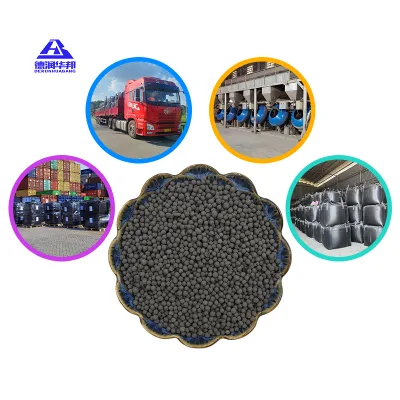
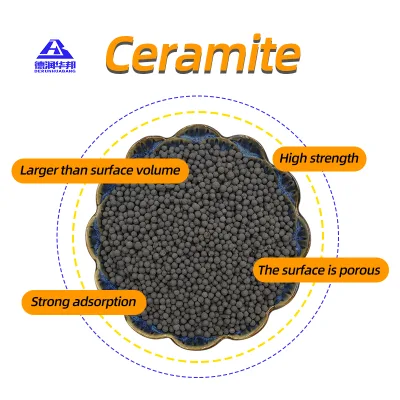


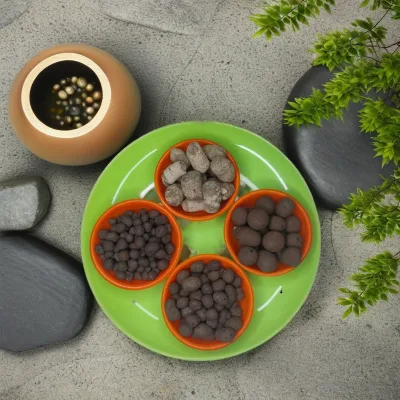


Cordierite Honeycomb Ceramic for Catalytic Substrate
$15.50 - $16.50
MOQ: 10 piece (depend on size)
Beihai Xiaoming International Import and Export Trading Co., Ltd.

Catalyst Ceramics Honeycomb Ceramic Substrate
$25.00 - $186.00
MOQ: 100 Pieces
Beihai Xiaoming International Import and Export Trading Co., Ltd.
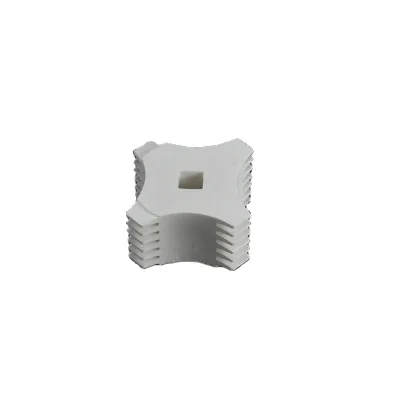
Comprehensive Sourcing Guide
Ceramsite Sourcing Guide
Buyers must first distinguish between industrial water treatment agents and biological filter media, as the market lists distinct product types under the same core keyword. Observed listings reveal a split between alkaline surface disposal agents with specific acid-base properties and granular biological Ceramsite designed for horticulture or water filtration. Understanding this divergence is critical before initiating any procurement process, as the functional requirements for a circulating water treatment agent differ significantly from those for a garden decoration or agricultural substrate.
The observed product attributes indicate a wide variance in physical form, ranging from granulars to round or oval spheres with sizes spanning from 0.1mm to 20mm. Sourcing decisions should be anchored in the specific application, whether it involves high-strength construction materials, lightweight agricultural plantations, or specific water treatment processes requiring high porosity. Procurement teams must verify that the listed shape and size specifications align precisely with the intended mechanical or biological function to avoid performance failures in the final application.
Product Scope and Observed Listing Signals
The market data indicates that Ceramsite products are frequently categorized by their specific surface area and wear rate, which are critical indicators for filtration efficiency. Listings show specific surface areas exceeding 980cm2/G and wear rates as low as 1.8%, suggesting high durability for industrial applications. Buyers should scrutinize these metrics to ensure the material can withstand the mechanical stress of circulating water systems or heavy agricultural use without excessive degradation over time.
Color and packing variations further complicate the scope, with observed listings ranging from yellow and grey to brown and red hues. Packaging is equally diverse, moving from 25kg PVC small bags within large metric ton bags to custom requirements based on customer needs. Procurement strategies must account for these variations, ensuring that the selected color and packaging format meet both logistical constraints and the aesthetic or functional requirements of the end-user, such as garden decoration or warehouse storage.
Technical Specifications to Verify
Verification of particle size distribution is paramount, as observed standards list specific ranges like 1-2mm, 2-4mm, and up to 6-8mm, alongside custom requirements. Buyers must confirm that the supplier can consistently deliver the exact mesh size required for their specific filtration or planting depth, as deviations can compromise flow rates or root penetration. The presence of multiple model numbers, such as Swt-13 or HB-1120CN, suggests that specifications are often tied to distinct product lines rather than a single universal standard.
Porosity and chemical composition are equally vital technical parameters that require strict validation against the intended use case. Listings cite porosity values around 40-60% and specific chemical components like Si2O3 ranging from 8-12%, which influence the material's buoyancy and chemical stability. Buyers should request batch-specific test reports to confirm these values, ensuring the material possesses the necessary high strength and lightweight characteristics required for its designated application in water treatment or construction.
Compliance and Safety Documentation
Safety and environmental compliance are central to the procurement of Ceramsite, particularly given the explicit "Environmental Protection: Yes" attribute found in many listings. Buyers must verify that the supplier can provide documentation confirming the material is free from harmful leachates, especially when the product is intended for agricultural horticulture or water treatment applications where contact with soil or drinking water is possible. The presence of SGS certification in the data suggests a baseline for quality assurance, but specific environmental test reports should be requested for every batch.
Chemical safety data sheets are essential for handling industrial circulating water treatment agents, which may possess alkaline surface properties. Procurement teams must ensure that the supplier provides comprehensive MSDS documents detailing the acid-base properties and any necessary handling precautions. This documentation is not merely a formality but a critical component of workplace safety, ensuring that workers are protected from potential chemical exposure during the unpacking and application of the granular or spherical filter materials.
Cost Drivers and Commercial Terms
Pricing in the Ceramsite market is heavily influenced by the complexity of the particle size and the degree of customization required. Observed price ranges span from $0.1 to $1000, reflecting the difference between standard granular products and specialized, custom-sized filter media. Buyers should anticipate that tighter tolerances on size, such as the specific 1-3mm or 4-6mm ranges, will command a premium over standard bulk sizes, and this cost variance must be factored into the total landed cost calculation.
Commercial terms regarding payment and minimum order quantities (MOQ) vary significantly across suppliers, with observed MOQs ranging from 1 unit to 1440 units. Payment terms like T/T are common, but the high-end MOQs suggest that smaller buyers may face challenges in accessing the most competitive pricing tiers. Procurement strategies should involve negotiating volume discounts or consolidating orders to meet the lower MOQ thresholds while ensuring that the payment terms align with the company's cash flow and risk management policies.
Supplier Qualification and Quality Control
Supplier qualification should prioritize those with a proven track record in export, as observed data highlights an export experience of 20 years for certain listings. This longevity often correlates with established quality control processes and the ability to maintain consistent product specifications across different production batches. Buyers should verify the supplier's origin, noting that products originate from regions like Dengfeng and Hebei, China, and assess whether these locations have a reputation for producing high-quality ceramic materials.
Quality control protocols must extend beyond the initial sample to include ongoing batch verification, particularly for critical attributes like wear rate and specific surface area. The availability of free samples allows buyers to conduct preliminary testing, but a robust supplier will also offer third-party inspection services or allow for pre-shipment inspections. Ensuring that the supplier adheres to the stated standards, such as the specific size ranges and chemical compositions, is essential to maintaining the integrity of the final product in the buyer's application.
Long-Term Procurement Checks
Establishing a long-term relationship requires regular audits of the supplier's ability to maintain consistent product characteristics over time. Buyers should implement a schedule for periodic re-testing of key metrics like porosity, color consistency, and mechanical strength to detect any drift in quality that might occur due to changes in raw materials or production processes. This proactive approach helps prevent supply chain disruptions and ensures that the Ceramsite continues to meet the rigorous demands of industrial or agricultural applications.
Supply chain resilience is another critical factor, as the observed data indicates a variety of packing methods and shipping ports like Tianjin. Buyers should evaluate the supplier's logistics capabilities to ensure they can handle the transition from small 25kg bags to large metric ton bags without compromising the material's integrity during transit. Developing a contingency plan for potential delays or changes in shipping routes will safeguard the procurement process and ensure a steady supply of high-quality Ceramsite for ongoing operations.
FAQs
What is Ceramsite and what is it typically used for?
Ceramsite is a lightweight, porous ceramic aggregate produced by firing clay or similar raw materials into round or oval granules. Listed applications include water treatment as a biological filter medium, horticulture and garden work, agricultural plantation use, and construction. Its porosity of about 40 to 60 percent and high strength make it suitable for filtration beds, drainage layers, decoration, and lightweight building fills.
Which particle sizes of Ceramsite are available for buyers?
Listed size options include 0.1-1mm, 1-2mm, 2-4mm, 4-6mm, and 6-8mm, with some products offered as 1-2mm, 2-4mm, 4-6mm, 6-8mm, or 5-20mm, and finer 1-3mm material. Customized sizing can be arranged according to your requirements. Confirm the target particle range with the supplier before ordering, since filtration performance and packing density vary noticeably across these size bands.
How is Ceramsite packed for export shipments?
The listed packing method is 25kg PVC small bags consolidated in a 1 metric ton big bag, and other products list plain 25kg per bag packing. Packing according to customer requirements is also available as an option. For bulk orders, confirm bag material, palletization, and container loading details with the supplier in advance so the packaging matches your port handling and warehouse storage conditions.
Can Ceramsite be customized for specific project requirements?
Yes, customization is listed as available for these Ceramsite products. Buyers can typically adjust particle size distribution, color such as grey, brown, red, or yellow, and packaging to fit a particular application. Provide detailed specifications, such as the required grading range and intended use in water treatment, horticulture, or construction, when requesting quotes, and expect sampling before bulk production is confirmed.
What performance characteristics should buyers check before ordering?
Listed characteristics include high strength, a wear rate of about 1.8 percent, a specific surface area above 980 cm2 per gram, and porosity of roughly 40 to 60 percent. These properties affect filtration efficiency and durability in water treatment and growing media. Ask suppliers for test data matching your application, verify SGS certification documentation, and review samples before committing to large volume purchases.
How does the ordering and payment process work for Ceramsite?
Payment is listed as T/T, and free samples are offered by some suppliers, so you can evaluate material quality before placing a bulk order. Products are sold as single items or per bag depending on the listing, and minimum order quantities vary from small trial lots to full pallet quantities. Confirm sample cost, freight terms, delivery port such as Tianjin, and payment schedule directly with each supplier before ordering.