Source Ceramic Tile CNC Waterjet Cutter for Stone, Glass, and Brick
Compare 30 Ceramic Tile CNC Waterjet Cutter options from verified Chinese manufacturers. These machines feature high-speed cutting, CNC control, and support for materials like marble, granite, and ceramics with customizable models and specifications; compare the available evidence and request quotations based on your requirements.
Key considerations
Products List

Head CNC Waterjet Cutter Ceramic Tile Waterjet Cutting Machines Prices
$60000.00 - $80000.00
MOQ: 1 Sets


Highest Quality in China Porcelain Tile 3 Axis Cutting Head Waterjet Cutter
$33999.00 - $42999.00
MOQ: 1
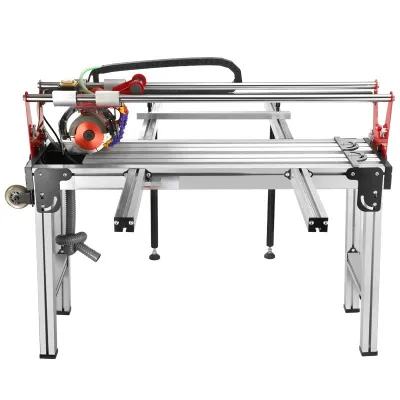


Waterjet Cutting Metal Glass Marble Ceramic 5 Axis Tiles Stone Cutting Machine
$1200.00 - $1400.00
MOQ: 1 set

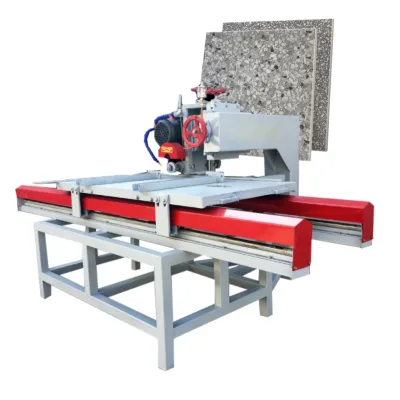


Comprehensive Sourcing Guide
Ceramic Tile CNC Waterjet Cutter Sourcing Guide
Selecting the right Ceramic Tile CNC Waterjet Cutter requires balancing precision, throughput, and material versatility. Modern systems often feature gantry-style designs with multi-axis capabilities, allowing for complex cuts in hard materials like stone, glass, and ceramics. Buyers must evaluate whether a three-axis or five-axis configuration best suits their specific production needs, as the latter offers greater flexibility for intricate geometries and beveled edges.
The operational environment also dictates machine selection, with options ranging from semi-automatic to fully automatic controls. High-speed cutting abilities and precise electronic direction regulation ensure consistent quality across large batches. Understanding the power source, whether electric or hydraulic, and the specific control systems like CNC or PLC integration, is essential for aligning the equipment with existing factory infrastructure and workflow requirements.
Product Scope and Observed Listing Signals
Market listings for ceramic tile CNC waterjet cutters reveal a wide price range, typically spanning from $182 to $115,000 USD, reflecting significant variations in capacity, automation level, and brand origin. The minimum order quantity (MOQ) is generally low, often starting at just one set, which facilitates entry for small to medium-sized enterprises. This accessibility allows buyers to procure single units for pilot projects or specialized tasks without committing to large-scale industrial installations immediately.
Observed product attributes indicate a strong focus on versatility, with machines capable of processing marble, granite, concrete, red brick, fire brick, glass, and ceramics. The cutting thickness capability varies, with some models supporting up to 150mm, while others are optimized for thinner tiles around 100mm. Buyers should note that specifications such as dimension and model numbers are often custom-made or model-specific, requiring careful verification against actual shop floor space and material handling requirements.
Technical Specifications to Verify
Key technical parameters include cutting accuracy, which is frequently cited as 0.1mm or +/- 0.1 mm, ensuring tight tolerances for high-end tile installations. The maximum travel speed can reach up to 9 meters per minute, impacting overall production throughput. Additionally, the pressure systems are critical, with continuous working pressures around 380MPa and maximum pressures up to 420MPa, driven by intensifiers that may feature main parts imported from the USA for enhanced durability and performance consistency.
Power consumption and source voltage are also vital considerations, with typical electric models operating at 380V and consuming around 37kW of power. Hydraulic systems may be employed for specific high-pressure applications, requiring robust water reservoirs, such as those with a 2.26L capacity. Buyers must verify the shift mode, often electrical, and the quality of linear guides and ball screws, which are crucial for maintaining precision over long operational periods and heavy usage cycles.
Compliance and Safety Documentation
Certification status is a primary indicator of machine safety and regulatory compliance, with many listings displaying CE, ISO, and CCC marks. These certifications suggest adherence to European and Chinese safety standards, which is crucial for importation and operation in various global markets. Buyers should request valid certification documents to verify that the equipment meets local electrical and mechanical safety regulations, ensuring that the machine can be legally installed and operated in their facility.
ISO 9001 certification indicates that the manufacturer follows a quality management system, which can be a proxy for consistent build quality and reliable after-sales support. However, buyers should not assume that all listed products hold every certification mentioned; verification is necessary. Understanding the specific standards applied, such as ISO 9001:2000 or newer versions, helps in assessing the manufacturer’s commitment to quality control and continuous improvement in their production processes.
Cost Drivers and Commercial Terms
The final cost of a Ceramic Tile CNC Waterjet Cutter is influenced by several factors, including the level of automation, the number of axes, and the quality of imported components. Models with five-axis capabilities and advanced CNC controls typically command higher prices due to their increased complexity and versatility. Additionally, the inclusion of high-pressure intensifiers with imported parts can significantly impact the overall cost, reflecting the premium placed on durability and cutting performance.
Commercial terms often include a delivery time of approximately 30 days after receiving a 30% deposit, which is a common practice in the machinery trade. Packaging is usually provided in wooden boxes or soft packages to protect the equipment during transit, which is essential given the precision nature of the machinery. Buyers should clarify these terms early in the negotiation process to ensure alignment on payment schedules, shipping responsibilities, and installation support requirements.
Supplier Qualification and Quality Control
Supplier qualification involves verifying the origin and manufacturing capabilities of the equipment, with many listings indicating origins in Liaoning, China, or broader Chinese manufacturing hubs. Buyers should assess the supplier’s track record in producing gantry-style machines and their ability to provide custom-made solutions. Checking for the use of reputable component brands, such as Siemens for PLCs or Abba for linear guides, can provide insight into the overall build quality and reliability of the machine.
Quality control processes should be transparent, with suppliers willing to provide detailed specifications and test results. Buyers should inquire about the condition of the machines, which are typically listed as new, and verify the warranty terms and after-sales service availability. Ensuring that the supplier has a robust support network for maintenance and spare parts is crucial for minimizing downtime and ensuring long-term operational efficiency in a high-volume production environment.
Long-Term Procurement Checks
Long-term procurement success depends on the machine’s ability to maintain cutting accuracy and pressure stability over time. Buyers should establish a maintenance schedule that includes regular checks of the water reservoir, intensifier seals, and linear guides. Understanding the consumable costs, such as abrasive materials and water filtration needs, is also important for calculating the total cost of ownership and ensuring that the machine remains economically viable for ceramic tile production.
Scalability and upgrade potential are additional factors to consider, especially for businesses planning to expand their product lines. Machines with modular designs or compatible control systems may offer easier upgrades to higher axes or faster speeds in the future. Buyers should also monitor market trends for new technologies in waterjet cutting, such as improved energy efficiency or enhanced software capabilities, to ensure their investment remains competitive in the evolving ceramic tile manufacturing landscape.
FAQs
What materials can a Ceramic Tile CNC Waterjet Cutter process?
A Ceramic Tile CNC Waterjet Cutter can process ceramics, glass, marble, granite, concrete curb, cement brick, jadestone, red brick, fire brick, and similar hard materials. Because cutting relies on a high-pressure waterjet rather than heat, fragile ceramics and glass can be cut without thermal damage. Some listed machines also handle fabric, leather, plastic, rubber, metal, and paper, so material scope depends on the specific model configuration.
How precise is the cutting accuracy of these CNC waterjet cutters?
The listed machines specify a cutting accuracy of 0.1mm, with some models stating plus or minus 0.1 mm. This precision suits detailed ceramic tile inlays and tight-tolerance stonework. Actual accuracy depends on material thickness, cutting speed, and machine condition, so buyers should confirm achievable tolerances on their specific material and thickness before ordering a machine.
What cutting thickness and pressure can the waterjet machines achieve?
Listed models offer cutting thickness up to 100mm, with some specifications reaching 150mm maximum cutting thickness. Operating pressure ranges from 380MPa continuous working pressure to 420MPa maximum cutting pressure, with maximum oil pressure of 21MPa. Higher pressure supports faster cutting and thicker material. Confirm the exact thickness and pressure rating for the model quoted, since specifications vary between machine configurations.
Can these waterjet cutters be customized for specific production needs?
Yes, customization is available on the listed machines, and product models are described as custom made. Buyers can typically specify worktable size, axis configuration such as three-axis or five-axis, and automation level to match their ceramic tile and stone production requirements. Discuss your material range, tile dimensions, and cutting patterns with the supplier early so the machine configuration and quote reflect your actual production needs.
How long is the delivery time after placing an order?
The stated delivery time is 30 days after receiving a 30 percent deposit. Lead time may extend if the machine is heavily customized or production lines are busy, so confirm the exact schedule in writing before paying. Packaging is wooden boxes or soft package, which protects the machine during transport. Plan site preparation, including 380V power supply, so installation can start promptly on arrival.
What certifications and control systems do these machines use?
The listed machines carry CE, ISO, and CCC certifications, with some certifications stated as ISO 9001 combined with CE. Control options include CNC control and automatic control, with Siemens PLC and ABBA ball screws and linear guides specified on some models. Machines run on 380V electric power, and semi-automatic operation is available. Verify certificate validity and control component brands directly with the supplier before ordering.