Source Ceramic Vase for Home Decor, Business Gifts, and Events
Compare 28 Ceramic Vase options from verified suppliers, featuring solid and conical shapes with customizable logos. These items serve as vases, table centerpieces, and decorative sculptures for kitchens, restaurants, and home use.
Key considerations
Products List


Modern Ceramic Art Vase Ceramic Hand Flower Vase Unique Gift Porcelain Vase
$1.00 - $3.00
MOQ: 3000 Pieces

Round Ceramic Decorative Vase Custom Gift Flower Vase Modern Ceramic Vase
$1.00 - $3.00
MOQ: 3000 Pieces


Black Decorative Vase Custom Color Ceramic Tall Vase Modern Flower Vase
$1.00 - $3.00
MOQ: 3000 Pieces


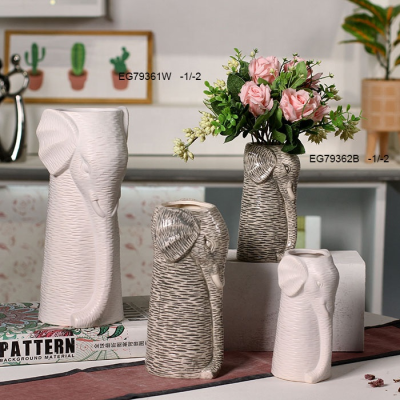
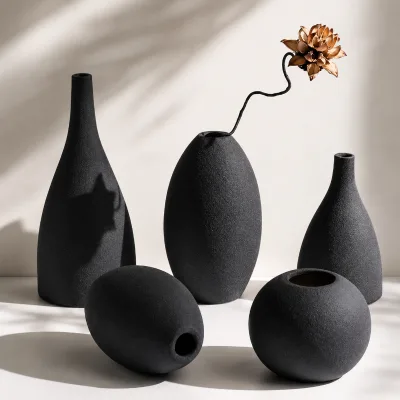


Comprehensive Sourcing Guide
Strategic Sourcing Guide for Ceramic Vase Procurement
Navigating the global market for ceramic vases requires a disciplined approach that balances aesthetic requirements with rigorous supply chain verification. For procurement professionals, the Ceramic Vase category presents a unique set of challenges due to the variability in manufacturing processes, the fragility of the final product, and the diversity of customization options available. This guide synthesizes observed market data and technical attributes to provide a framework for evaluating potential suppliers and defining product specifications without relying on unverified claims.
Technical Specifications and Material Composition
The foundation of any successful Ceramic Vase procurement lies in the precise definition of material composition and physical dimensions. The market data indicates a primary reliance on Ceramic as the base material, with specific mentions of Lithium Porcelain & Magnesium formulations suggesting high-performance variants designed for enhanced durability. When evaluating suppliers, buyers must distinguish between standard ceramic bodies and these specialized composites, as the latter often command different pricing structures and offer superior mechanical properties.
Dimensions are a critical variable in this category. Observed specifications reveal a wide range of sizes, from compact units measuring 4.13"L x 2.95"W x 7.72"H to larger floor-standing pieces reaching 22cm in height or specific configurations like L9.8xW9.6xH21cm. Some products are defined by top diameter constraints, such as Top Dia. 2xW7.5xH13.5cm, while others adhere to standard inch-based measurements like 4*8 inch. Procurement teams must verify that the supplier's actual output matches these dimensional standards, as even minor deviations can impact display logistics and packaging efficiency.
The physical form of the vase is equally important. The market offers both Round and Conical shapes, with the latter often associated with specific design aesthetics like the Desk Elegant Vase. The Shape attribute is not merely cosmetic; it influences the center of gravity and stability, particularly for floor applications. Buyers should request technical drawings or 3D models to confirm that the Conical or Round profiles meet the intended spatial requirements of the target environment.
Customization Capabilities and Design Flexibility
One of the most significant drivers in the Ceramic Vase market is the ability to customize. The data confirms that Customization is widely available, extending to Customized Color, Customized Logo, and even bespoke Shape modifications. The Style of the product ranges from Fashion and Natural themes to specific motifs like Flowers. This flexibility allows buyers to align the product with specific branding campaigns or interior design trends.
However, the extent of customization varies by supplier. While some vendors offer Hand-Made processes that allow for unique, artisanal touches, others may rely on automated molding for high-volume orders. The Surface Treatment is another area where customization plays a role, with Polished finishes being a common standard. Buyers must clarify whether the customization extends to the glazing process, the application of logos, or the structural dimensions. The Product Model numbers, such as JH241224- #0001 or V351, often serve as reference points for standard configurations, but true customization may require a new model designation or a specific engineering change order.
Compliance, Standards, and Quality Assurance
Quality assurance in the ceramic industry is multifaceted, involving both material standards and finish quality. The observed Quality Standard is often listed as A-B Grade or According to Your Requirements, indicating that buyers must explicitly define their acceptance criteria rather than relying on a generic industry standard. The A-B Grade designation suggests a tiered quality system where "A" represents premium finish and "B" may indicate minor cosmetic imperfections acceptable for certain market segments.
Regarding safety and regulatory compliance, while specific certification data is limited in the provided context, buyers should be aware of the Reach regulations often applicable to ceramic products in international markets. Although the specific certification status of suppliers cannot be confirmed without direct verification, the presence of Lithium Porcelain & Magnesium materials implies a need for rigorous testing regarding heavy metal leaching and chemical stability.
The Processing method, specifically Hand-Made, introduces a layer of quality control complexity. Hand-crafted items naturally exhibit more variation than machine-produced goods. Therefore, the Sample Time of 7-15 Days is a critical metric for buyers to plan their production schedules. This lead time allows for the creation of prototypes that can be used to validate the Polished surface finish and the High Toughness characteristics claimed for certain models. Buyers should insist on pre-production samples that match the A-B Grade expectations before authorizing mass production.
Cost Drivers and Minimum Order Quantities
Understanding the cost structure of ceramic vases is essential for budget planning. The observed Price Range in the market spans from $0.75 to $38, a wide disparity that reflects differences in material quality, manufacturing complexity, and customization levels. The lower end of the spectrum likely corresponds to standard, mass-produced items with minimal customization, while the higher end encompasses hand-made, custom-designed, or large-scale decorative pieces.
Minimum Order Quantities (MOQ) are another significant cost driver. The data shows an MOQ range from 0 to 3000, with specific instances of 100PCS being a common threshold for custom orders. Suppliers with lower MOQs may charge a premium per unit to cover setup costs, whereas high-volume orders can leverage economies of scale. Buyers must balance the need for customization against the financial impact of higher unit costs associated with smaller batches.
Packaging is a hidden cost factor that significantly influences the final landed cost. The Product Packing varies from Color Box to Carton Box, with some suppliers offering Foam + Independent Paper Box for premium protection. The Item Weight of 1.6 Pounds for certain models highlights the density of the material, which directly impacts shipping costs. Buyers should calculate the total cost of ownership, including packaging and freight, rather than focusing solely on the unit price.
Typical Applications and Usage Scenarios
Ceramic vases serve a diverse array of applications, ranging from functional utility to high-end decorative art. The Usage categories identified include Vase Set, Table Centerpiece, Gift, and Decorative purposes. In a commercial context, these products are frequently utilized in Kitchen, Restaurant, and Market settings, as well as for Business Gift, Holiday Gifts, and Art & Collection initiatives.
The Application Space is a critical consideration for procurement. Products are designed for Floor and Desktop placement, with specific models like the Desk Elegant Vase tailored for office or home desk environments. The Suitable For attribute of Home decoration suggests a strong consumer market, while the Advertisement: Ok status indicates suitability for promotional campaigns. The Theme of Flowers and the Style of Natural appeal to specific design aesthetics, making these vases ideal for events or retail displays that require a cohesive visual narrative.
Supplier Evaluation and Quality Control Protocols
Selecting the right supplier requires a multi-faceted evaluation process. The Product Origin is predominantly China, with specific mentions of Zhejiang as a manufacturing hub. While this geographic concentration offers access to specialized ceramic clusters, it also necessitates thorough due diligence regarding logistics and supply chain resilience. Buyers should verify the supplier's capacity to handle Customized Color and Logo requirements without compromising the High Toughness of the final product.
Quality control protocols must be established before production begins. Given the Hand-Made nature of many items, visual inspection standards are paramount. Buyers should define clear acceptance criteria for the Polished surface and the Solid pattern finish. The Standard of L9.8xW9.6xH21cm or 4.13"L x 2.95"W x 7.72"H must be strictly enforced through dimensional checks on random samples from the production line.
Furthermore, the Sample Time of 7-15 Days should be utilized effectively. Buyers should request multiple samples to test the Age suitability for All People, ensuring the product is safe and appropriate for its intended demographic. The Feature of Customized Logo should be verified for clarity and adhesion, especially if the vase is intended for promotional use.
Long-Term Procurement Considerations
Sourcing ceramic vases is not a one-time transaction but a long-term partnership that requires ongoing management. The Customization aspect means that product specifications may evolve over time, requiring suppliers to maintain flexibility in their production lines. Buyers should establish clear communication channels for updating Product Models and Standards as market trends shift.
Sustainability and supply chain transparency are becoming increasingly important. While specific environmental certifications are not detailed in the current data, the use of Lithium Porcelain & Magnesium suggests a focus on material innovation. Buyers should inquire about the sourcing of raw materials and the environmental impact of the Hand-Made processes. Additionally, the Packing methods, such as Foam + Independent Paper Box, should be evaluated for their recyclability and environmental footprint.
Finally, the MOQ flexibility is a key factor in long-term planning. Suppliers who can accommodate varying order sizes, from 100PCS to 3000, provide greater agility for buyers facing fluctuating demand. Establishing a framework for regular quality audits and performance reviews will ensure that the Quality Standard remains consistent over time, protecting the buyer's brand reputation and ensuring customer satisfaction. By adhering to these structured evaluation criteria, procurement professionals can secure a reliable supply of high-quality ceramic vases that meet both functional and aesthetic requirements.
FAQs
What materials are used for ceramic vases?
The primary material is ceramic, with some high-performance variants using Lithium Porcelain and Magnesium. These composites offer enhanced durability and high toughness compared to standard ceramic bodies found in the market.
Can I customize the logo and color?
Yes, customization is available for both logos and colors. Buyers can request specific color adjustments and logo printing, with options ranging from standard designs to fully bespoke configurations based on requirements.
What are the typical dimensions for these vases?
Dimensions vary significantly, with common sizes including 4.13 by 2.95 by 7.72 inches or 22 centimeters in height. Some specific models are defined by top diameter constraints like 2 by 7.5 by 13.5 centimeters.
How long does it take to get a sample?
The sample time typically ranges from 7 to 15 days. This period allows for the creation of prototypes to validate the polished surface finish and ensure the product meets the requested A-B grade quality standards.
What is the minimum order quantity required?
Minimum order quantities range from zero to 3000 pieces, with 100 pieces being a common threshold for custom orders. Lower MOQs may incur higher unit costs, while larger batches leverage economies of scale.
Where are these ceramic vases manufactured?
The products originate primarily from China, with specific manufacturing hubs located in Zhejiang. Buyers should verify the supplier's capacity to handle customization without compromising the high toughness of the final product.