Source Cerium Oxide Polishing Film for Glass, ICT, and Medicine
Compare 30 listings of Cerium Oxide Polishing Film from verified Chinese suppliers. Buyers can evaluate specifications like particle size, purity, and packaging options for applications in glass polishing, ICT, and medicine.
Key considerations
Products List


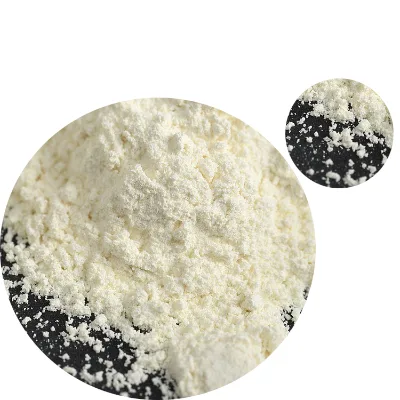
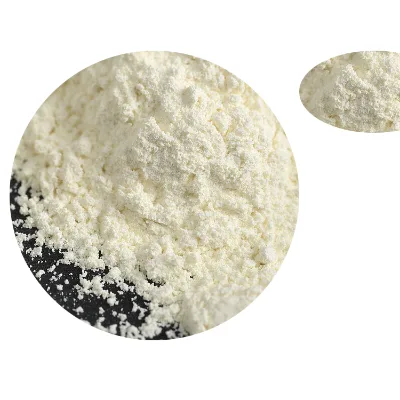
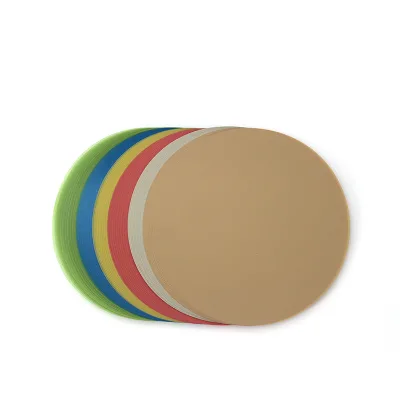


High Purity High Whiteness Calcined Alumina Polishing, Ceramic Industry
$460.00 - $1500.00
MOQ: 1 Tons

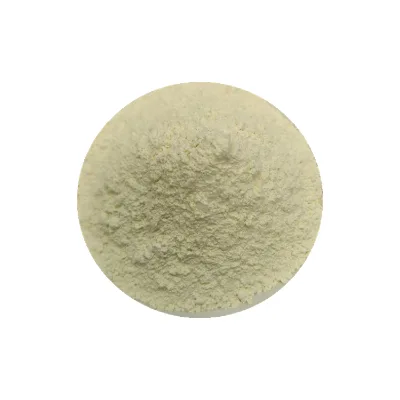
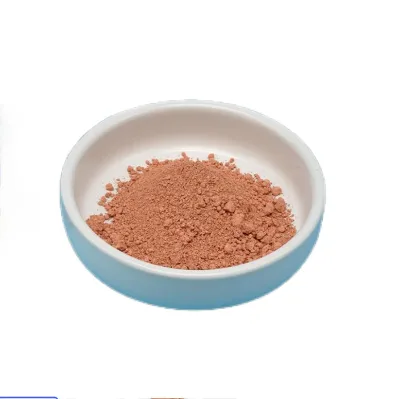
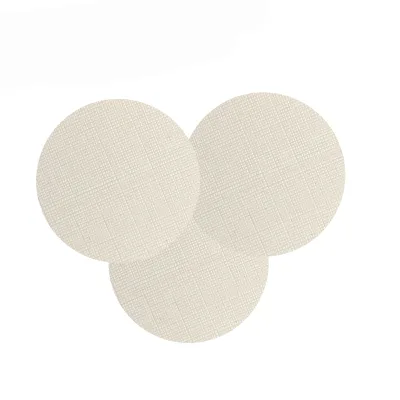
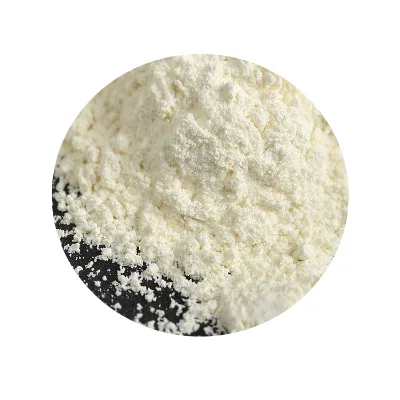
Comprehensive Sourcing Guide
Strategic Sourcing Guide for Cerium Oxide Polishing Film
Procuring specialized abrasive materials like Cerium Oxide Polishing Film requires a rigorous understanding of the intersection between chemical composition, physical form, and application-specific performance. In the global B2B market, buyers often encounter a fragmented landscape where product attributes such as "polishing powder" and "film" are sometimes conflated in listings, or where the same raw material is processed into vastly different forms for distinct industrial needs. This guide provides a disciplined framework for evaluating suppliers and products, ensuring that procurement decisions are grounded in verified facts rather than marketing assertions. The focus remains on the technical realities of rare earth oxide materials, specifically cerium oxide, and the critical parameters that define a successful sourcing strategy for high-precision polishing applications.
Understanding Material Composition and Physical Forms
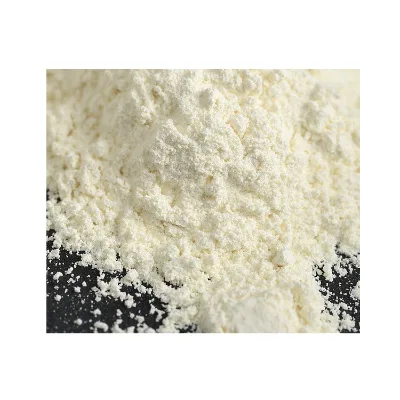
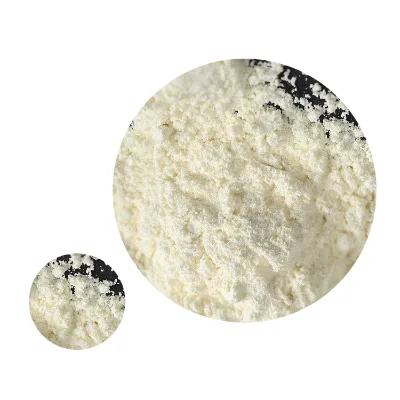
The core of any sourcing decision for cerium oxide products lies in distinguishing between the raw material state and the final engineered form. While the fundamental chemical component is often identified as cerium oxide, the physical manifestation of this material varies significantly based on the intended use. In the current market, listings frequently describe the material as a "polishing powder" with specific particle size distributions, such as D50: 1.0um and D100<6um, which are critical for achieving a specific surface finish. However, the target keyword involves a "film," which implies a different manufacturing process where the abrasive is embedded into a substrate or converted into a specific format like discs, sheets, or rolls.
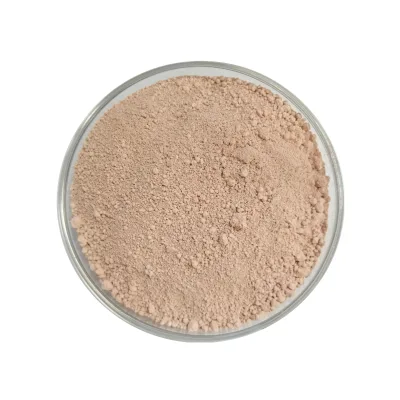
Buyers must verify the "Preparation Method" and "Purification Method" to understand the integrity of the material. Some products are derived through the "Electrolysis of Fused Salts," while others utilize "Metallothermic Reductio" followed by "Electromigration" for purification. These processes directly influence the purity levels, which are often cited in ranges such as 75/25 to 65/35. The "Appearance" of the product is another observable attribute that serves as a preliminary quality indicator; listings may describe the material as "White Powder," "Yellow," "Red," or a combination thereof. The "Type" of cerium oxide is also a vital distinction, with options including "Red, White, Pure Cerium Oxide." When sourcing a film, the buyer must confirm that the abrasive component within the film matches the required particle size and purity profile of the powder specifications, as the film's performance is entirely dependent on the quality of the embedded abrasive.
Technical Specifications and Application Compatibility
The technical specifications of cerium oxide products are not merely descriptive; they are functional requirements that dictate the suitability of the material for specific industries. The "Application" field in supplier data often lists a broad spectrum of uses, including "ICT," "Computer," "Astronavigation," "Medicine," "Photorecording Material," "Photoelectric Material," "Energy Materials," and "Catalyst Masses." For a polishing film, the most relevant application is typically "Glass Polishing" or "Final Polishing," where the material acts as a chemical-mechanical agent to remove micro-scratches and achieve optical clarity.
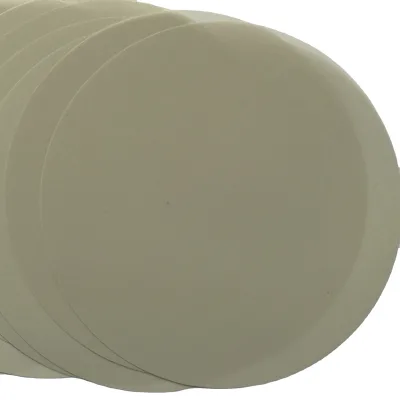
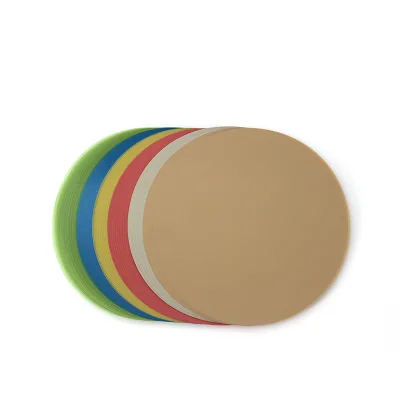
The "Model" or "Product Model" serves as a unique identifier for these specifications. For instance, a model designated as "REP-Polishing powder" or "REP-02" suggests a specific grade or formulation. When evaluating a film product, the buyer should look for specifications that align with the "Standard" requirements, such as "high grade polishing powder" standards or specific particle size metrics. The "Shape" of the abrasive, whether listed as "Powder" or converted into "Discs, Sheets, and Rolls," determines the method of application. A film product that converts the powder into a flexible sheet or roll offers distinct advantages in handling and coverage compared to loose powder, but the underlying particle characteristics must remain consistent with the high-precision demands of the application.
| Attribute Category | Observed Specification | Relevance to Sourcing |
|---|---|---|
| Material | Cerium Oxide | Confirms the primary abrasive agent. |
| Form | Powder / Discs / Sheets / Rolls | Determines the delivery format and application method. |
| Particle Size | D50: 1.0um, D100<6um | Critical for surface finish quality and scratch removal rate. |
| Purity | 75/25 - 65/35 | Indicates the concentration of active cerium oxide. |
| Application | Glass Polishing, ICT, Photoelectric | Ensures the product matches the end-use industry. |
| Preparation | Electrolysis / Metallothermic | Influences the chemical stability and reactivity of the material. |
Compliance, Certification, and Regulatory Standards
In the B2B procurement of industrial chemicals and abrasives, compliance is a non-negotiable aspect of supplier evaluation. The "Certification" status of a product is a primary indicator of a supplier's adherence to international quality and safety standards. Common certifications observed in the market include ISO, CE, and RoHS. The presence of these certifications suggests that the manufacturing process has been audited for quality management (ISO), electrical and safety compliance (CE), and restriction of hazardous substances (RoHS).
However, buyers must exercise caution when interpreting these labels. The certification status should be verified against the specific product batch or model number, as a supplier may hold certifications for one product line (e.g., loose powder) but not for another (e.g., a composite film). The "Standard" field often references specific product standards, such as "1Kg" as a unit standard or "D50: 1.0um" as a technical standard. It is essential to confirm that the product meets the regulatory requirements of the destination market. For instance, if the product is destined for the European Union, CE and RoHS compliance is mandatory. If the application involves medical or aerospace sectors, additional verification of the "Preparation Method" and "Purification Method" is required to ensure the material does not introduce contaminants that could compromise safety.
Cost Drivers and Pricing Dynamics
The pricing of cerium oxide polishing films is influenced by a complex array of factors, including raw material costs, processing complexity, and supply chain logistics. The observed price range in the market spans from $0.18 to $6,000, a variance that reflects the difference between bulk raw materials and finished, high-precision engineered products. Several key drivers contribute to this cost structure. First, the "Purity" level of the cerium oxide is a significant cost factor; higher purity grades, such as those required for "Final Polishing" in high-end electronics, command a premium. Second, the "Preparation Method" and "Purification Method" add value through increased processing steps. Products prepared via "Electrolysis of Fused Salts" or "Electromigration" involve more complex and energy-intensive processes than simpler mechanical grinding methods.
The "Packing" method also impacts the final cost. While some products are supplied in simple "Carton" boxes, others require "Vacuum Bags" or "Inner Lined with Double Layers Plastic Bags" to prevent moisture absorption and maintain particle integrity. The "MOQ" (Minimum Order Quantity) is another critical cost driver. While some suppliers offer an MOQ of 1kg, others may require orders up to 3000 units, affecting the unit price through economies of scale. Additionally, the "Payment Way" and "Payment Terms," such as "Tt, LC, etc" or "50%Deposit +50% After Bl Copy," influence the financial terms and cash flow requirements for the buyer. Understanding these variables allows procurement teams to negotiate more effectively and budget accurately for the total cost of ownership.
Supplier Evaluation and Operational Capacity
Evaluating a supplier's operational capacity is essential to ensure they can meet demand without compromising quality. Key metrics for supplier assessment include the "Company People" count, "History" of operation, and "Production for a Month" capacity. A supplier with a "History" of 20 years and a workforce of 100-300 employees may offer greater stability and expertise than a newer, smaller entity. The "Production for a Month" capacity, cited as 100mt in some contexts, indicates the ability to scale production to meet large orders.
The "Main Customer" list can also serve as a proxy for reliability. Suppliers who list major entities like "Sam Sung" as main customers often have established quality control processes that meet the stringent requirements of large-scale industrial clients. Furthermore, the "Location" of the supplier, such as "Jiangsu Wuxi" or generally "China," provides insight into the supply chain logistics. Proximity to manufacturing hubs can reduce lead times and shipping costs. Buyers should also verify the "Express Way" options, such as "TNT, FedEx, EMS," to ensure that the supplier has reliable logistics partners for urgent deliveries. The "Port" of shipment, often listed as "Qingdao" or "Shanghai," is another logistical detail that affects the shipping route and cost.
Quality Control and Long-Term Procurement Considerations
Ensuring consistent quality requires a robust quality control (QC) framework that extends beyond the initial purchase. The "Condition" of the product, typically listed as "New," is a basic requirement, but buyers must also verify the "Appearance" and "Composition" upon receipt. The "Conversion Forms," such as "Discs, Sheets, and Rolls," must be inspected for uniformity and structural integrity. For long-term procurement, the "Delivery Time" is a critical factor. A standard lead time of "7-15days" should be confirmed against the supplier's current production schedule to avoid disruptions in the buyer's manufacturing process.
Long-term relationships with suppliers are built on trust and reliability. Buyers should assess the "Customization" capabilities of the supplier, as the ability to provide "Customized" products or specific "Preparation Methods" can be a significant competitive advantage. The "Usage" of the product, whether for general "Polishing" or specialized "Final Polishing," should align with the buyer's long-term strategic goals. Additionally, the "Standard" of the product, such as "high grade polishing powder," should be consistently maintained across all batches. Regular audits of the supplier's "Certification" status and adherence to "ISO, CE, RoHS" standards are necessary to ensure ongoing compliance. By focusing on these long-term considerations, buyers can secure a stable supply chain that supports their production needs and maintains high-quality standards over time.
Conclusion
Sourcing Cerium Oxide Polishing Film is a multifaceted process that demands a deep understanding of material science, regulatory compliance, and supplier capabilities. By carefully analyzing the technical specifications, verifying certifications, and evaluating the operational capacity of potential suppliers, buyers can make informed decisions that mitigate risk and ensure product performance. The distinction between raw powder and finished film forms, along with the specific preparation and purification methods, plays a crucial role in determining the suitability of the material for high-precision applications. Ultimately, a disciplined approach to procurement, grounded in verified facts and rigorous quality control, is the key to success in the competitive B2B market for industrial abrasives.
FAQs
What preparation methods are used for Cerium Oxide Polishing Film?
The material is prepared using electrolysis of fused salts or metallothermic reduction. These methods ensure the high purity required for final polishing applications in glass and electronics industries.
Which certifications do these cerium oxide products typically hold?
Products often carry ISO, CE, and RoHS certifications. These standards verify compliance with international quality and safety regulations for hazardous substances and electrical safety in industrial settings.
How is the particle size specified for high-grade polishing powder?
Specifications include a D50 of 1.0 micrometer and a D100 less than 6 micrometers. These metrics define the abrasive quality necessary for achieving fine surface finishes on glass and optical materials.
Can suppliers offer customized packaging for cerium oxide materials?
Yes, customization is available with options like vacuum bags or carton boxes. Packaging may include double-layered plastic bags to protect the powder from moisture and maintain purity during transit.
What is the typical lead time for delivery of these products?
Delivery time ranges from 7 to 15 days for standard orders. This timeline accounts for production capacity and logistics via express services like TNT, FedEx, or EMS from ports in China.
Which applications are suitable for this cerium oxide polishing material?
Applications include glass polishing, ICT, computer manufacturing, and photoelectric materials. The material serves as a catalyst mass and is used in energy materials and medical equipment processing.